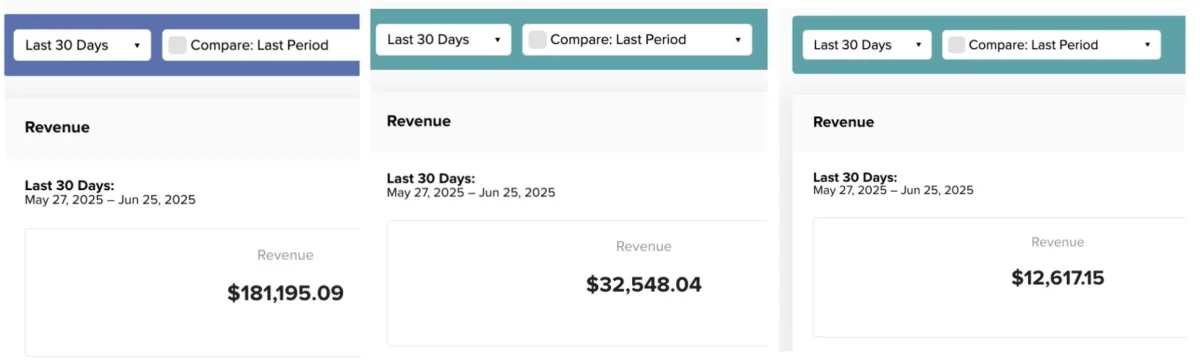
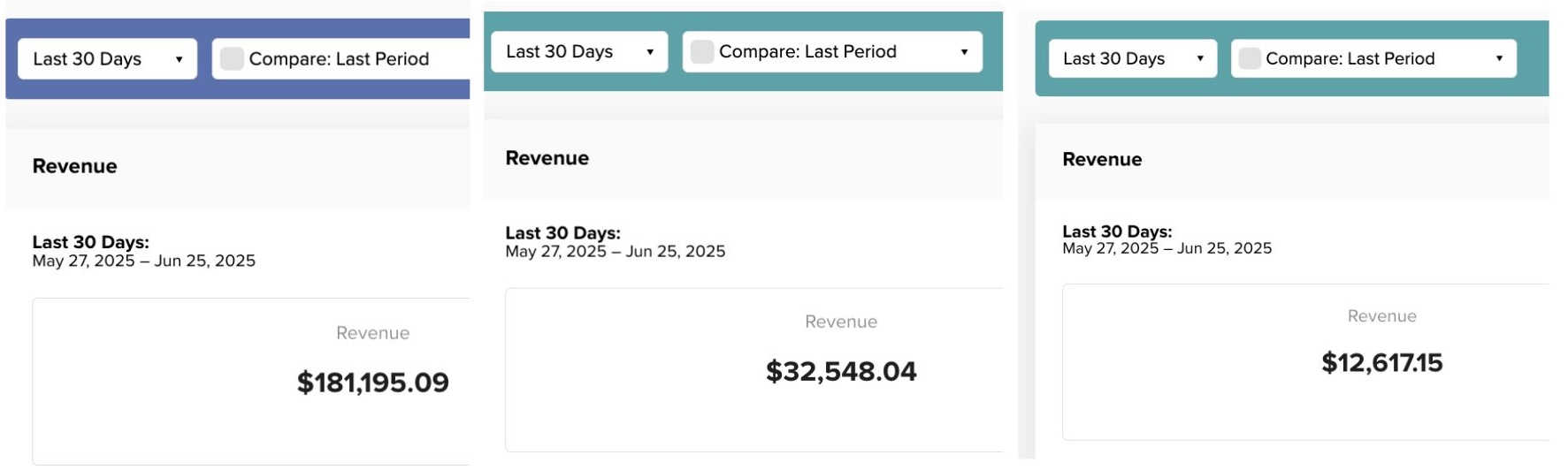
The digital publishing landscape is undergoing a structural transformation as independent content creators increasingly decouple their revenue models from traditional search engine optimization (SEO). For over two decades, ranking on the first page of major search engines like Google was considered the definitive metric for digital publishing success. However, algorithm volatility, shifting search result page layouts, and the rise of zero-click searches have forced publishers to diversify. A growing segment of digital entrepreneurs is now demonstrating that substantial, six-figure monthly net incomes can be achieved by prioritizing direct-to-consumer audience acquisition channels over traditional organic search visibility.
This shift represents a fundamental change in how niche content domains are monetized. Rather than relying solely on passive search traffic, contemporary digital publishers are engineering self-sustaining ecosystems that integrate targeted content hubs, automated email acquisition, and diversified monetization channels.
The Evolution of Niche Publishing and the Decline of SEO Monoculture
Historically, building a profitable content site meant conducting rigorous keyword research, optimizing on-page SEO, and building backlinks to capture organic search engine traffic. While this method remains viable for many, it exposes publishers to significant platform risk. Sudden algorithmic updates can wipe out a site’s visibility overnight, severely impacting revenue streams tied exclusively to programmatic display advertising.
In response to these vulnerabilities, digital strategists have spent recent years testing alternative architectures. Over an 18-month period of iterative testing, publishers like industry veteran Jon Dykstra have refined a multi-tiered publishing blueprint. This model bypasses the traditional reliance on search rankings, instead treating the core website as a central hub in a broader, multi-channel distribution network. By establishing multiple independent web properties that generate robust monthly net profits, these creators have proven that sustainable monetization is achievable without depending on search engine algorithms for daily visitors.
Step 1: Establishing Authority and Building the Content Foundation
The modern content publishing framework begins with the creation of high-utility digital resources. Unlike legacy blog posts designed strictly to target search volume, successful modern content focuses on solving specific consumer problems comprehensively. The objective is to establish the domain as an indispensable, go-to resource within a designated niche.

This approach requires a reliable digital infrastructure, often referred to as a "tech stack," which typically includes robust content management systems, reliable hosting, and advanced formatting tools. The guiding philosophy centers on quality and depth rather than high-volume publishing. By addressing niche-specific pain points thoroughly, publishers encourage repeat visits and establish foundational brand loyalty before driving external traffic.
Step 2: Transitioning from Transient Traffic to Owned Audiences
A critical vulnerability of traditional publishing is the transient nature of web traffic. When visitors arrive via search engines or social media and leave without establishing a connection, publishers forfeit the opportunity to build a long-term relationship. Modern high-income publishing models treat visitor acquisition as the primary operational metric.
To mitigate platform risk, successful publishers implement aggressive email list building protocols immediately upon launching a site. Utilizing robust email service providers such as Kit (formerly ConvertKit), creators deploy lead magnets, content upgrades, and subscription incentives across multiple touchpoints on their web pages.
Industry analysts emphasize that an owned email subscriber base functions as an essential insurance policy against algorithmic shifts. While social media platforms can alter their distribution models and search engines can modify ranking parameters, an email list remains a direct, uninhibited line of communication between the publisher and the audience.
Step 3: Diversified Monetization: Beyond Standard Display Advertising
Relying on a single revenue stream leaves digital publishers vulnerable to market fluctuations. Modern six-figure publishing operations typically employ a layered monetization strategy designed to maximize the value of every single site visitor.
Display advertising serves as an initial, passive revenue baseline. Premium ad management networks, such as Mediavine, allow publishers to monetize page views efficiently once traffic thresholds are met. However, programmatic display ads represent only a fraction of the total revenue potential.
The primary revenue drivers often include advanced affiliate marketing frameworks. Platforms like Stay22 aggregate sitewide affiliate opportunities, allowing publishers to seamlessly integrate relevant commercial recommendations without managing dozens of individual brand relationships. These systems automatically optimize for the highest available commissions, turning informational content into transactional touchpoints that generate passive affiliate revenue.
Step 4: Maximizing Newsletter Revenue and Partner Networks
The transformation of the traditional email newsletter into an active profit center represents another major advancement in digital publishing. Rather than serving merely as a broadcast tool for new content, contemporary newsletters are structured to generate direct revenue through sponsorships, native advertising, and integrated partner monetization platforms like SparkLoop.
Through automated recommendation networks, engaged subscribers are introduced to complementary publications, creating a revenue-sharing loop. Industry education courses, such as those developed by newsletter strategist Scott DeLong, have formalized the methodologies required to convert passive subscribers into consistent monetization opportunities, turning the daily email dispatch into a core business asset.
Step 5: Multi-Channel Traffic Acquisition and Social Automation
Because organic search traffic is no longer the sole foundation of these publishing models, creators utilize a diversified mix of free and paid traffic sources to feed their digital ecosystems.
Visual and discovery platforms, particularly Pinterest, serve as high-intent search engines that drive qualified commercial traffic. Tools like PinClicks assist publishers in identifying trending topics and optimizing content for visual discovery platforms where consumer intent is high. Concurrently, targeted social media strategies deployed across Facebook, Instagram, and Threads provide a steady influx of prospective visitors.
A significant technological advancement in this space is the integration of conversation automation tools like Manychat. By automating direct messaging and comment interactions across social media platforms, publishers can seamlessly guide social media engagers into their email acquisition funnels without manual intervention. This creates a 24-hour acquisition cycle that continuously feeds new subscribers into the publisher’s ecosystem.

The Flywheel Effect and Business Implications
The integration of these diverse components creates what digital strategists describe as a self-reinforcing flywheel effect.
- External traffic sources (social media, Pinterest, direct outreach) direct visitors to the primary website.
- Visitors view content, generating programmatic ad revenue.
- Users click on integrated affiliate links, generating transactional commissions.
- Visitors subscribe to the email newsletter via automated forms and social media funnels.
- Daily newsletters provide further monetization opportunities and drive readers back to the website.
- Partner networks facilitate cross-promotion, expanding the subscriber base organically.
This interconnected framework ensures that every touchpoint reinforces the others, compounding the revenue potential over time. As publishers scale their operations by launching additional domains that cross-promote within a shared network, the resilience of the overall business model increases.
Industry Analysis and Future Outlook
The financial results reported by independent publishers utilizing these multi-channel frameworks challenge long-held assumptions regarding the necessity of SEO dominance. By prioritizing direct audience ownership, diversified monetization, and automated acquisition funnels, digital entrepreneurs are insulating themselves against the unpredictable nature of search engine algorithm updates.
Financial analysts note that this shift reflects a broader maturation of the digital publishing industry. As customer acquisition costs rise and traditional search traffic becomes increasingly competitive, the ability to build, own, and monetize direct audience relationships has transitioned from an advanced strategy to an essential survival mechanism. For independent creators willing to build comprehensive digital ecosystems, the data demonstrates that substantial, six-figure monthly revenues are entirely achievable independently of search engine optimization.