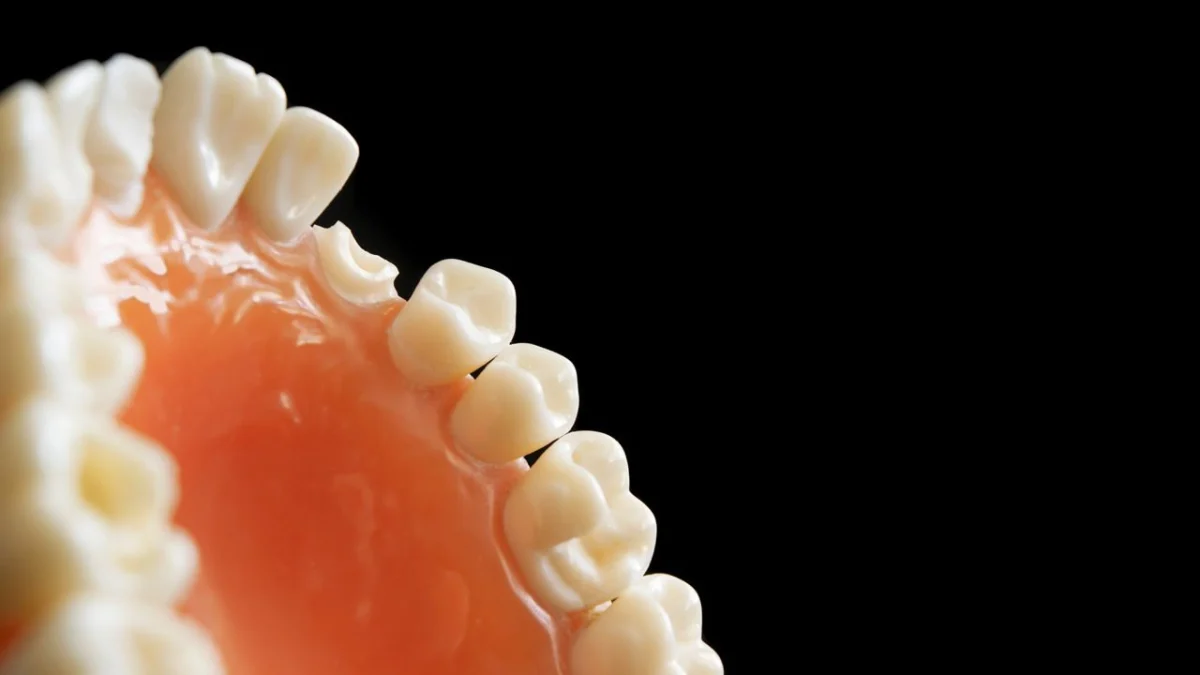
London-based venture capital firm Hoxton Ventures, renowned for its early-stage investments in tech giants such as Darktrace and GoCardless, is joining forces with The Venture Collective to co-lead a $4 million seed funding round in Eterna Regeneratives. This pioneering UK biotechnology startup is on a mission to commercialize an innovative protein derived from human hair and sheep’s wool to create advanced oral care products capable of protecting against tooth decay and repairing damaged enamel.
The funding milestone underscores growing investor confidence in deep-tech and biomaterials startups originating from British academic institutions. Eterna Regeneratives, established in 2024 as a spinout from King’s College London, is developing a cutting-edge biomaterials regeneration platform with an initial commercial and clinical focus on enamel and bone repair. By harnessing the unique properties of keratin—a fibrous structural protein found abundantly in mammalian hair, wool, and nails—the company aims to fundamentally alter how dental health professionals and consumers approach tooth decay, potentially superseding traditional preventative measures like fluoride.
The Science of Keratin-Based Enamel Regeneration
At the core of Eterna’s technological breakthrough is a proprietary process that utilizes keratin extracted from sustainable biological sources, specifically human hair and sheep’s wool, to repair human tooth enamel. Enamel is the hard, outer surface layer of teeth that protects against physical wear and bacterial acid erosion. Unlike bone and other biological tissues, mature human enamel lacks living cells and cannot naturally regenerate once it is damaged, eroded, or lost due to decay.
According to Eterna’s foundational research, applying a specialized keratin-based formulation to the surface of a compromised tooth initiates a mineralization process. When the keratin interacts with minerals naturally present in human saliva, it catalyzes the formation of a dense, protective mineral coating that closely mimics the microscopic structure and mechanical resilience of natural human enamel.
The startup’s founders believe this breakthrough can be smoothly integrated into everyday consumer goods. The primary commercial applications envisioned by the company include formulating the keratin compound into standard toothpaste tubes or specialized topical gels designed for clinical or at-home enamel repair. Laboratory studies conducted by the team suggest that this biomimetic approach offers superior protection against dental caries and structural decay compared to conventional fluoride treatments, which primarily harden existing enamel rather than actively growing a new protective mineral layer.
The Scale of the Global Dental Decay Crisis
The commercial potential for Eterna’s technology is underpinned by staggering global health statistics regarding oral diseases. Tooth decay, scientifically known as dental caries, remains one of the most prevalent chronic diseases worldwide despite decades of public health campaigns, improved access to dental hygiene products, and the widespread fluoridation of public water supplies.
Data compiled by global health organizations indicates that dental caries impacts nearly 90 percent of adults between the ages of 20 and 64 globally. Furthermore, approximately 46 percent of children experience tooth decay in their primary teeth, leading to chronic pain, systemic health complications, infections, and diminished quality of life. The economic burden of treating dental disease runs into hundreds of billions of dollars annually, encompassing restorative procedures such as fillings, root canals, crowns, and extractions.
By introducing a preventative and restorative consumer product that can actively rebuild lost enamel, Eterna hopes to address a massive underserved market. Traditional oral care solutions focus largely on halting the progression of decay or masking early symptoms, but they fall short of reversing structural damage. A regenerative toothpaste could effectively shift the paradigm from reactive dentistry to proactive biological restoration.
Chronology and Institutional Origins
The journey from academic research to venture-backed commercial enterprise spans several years of intensive biomaterials engineering at King’s College London, one of the UK’s leading research universities.
In the years leading up to 2024, researchers at King’s College London explored the utility of various structural proteins in regenerative medicine. Their investigations into keratin revealed unexpected efficacy in biomineralization and tissue scaffolding. Recognizing the commercial viability of these findings, the academic team worked alongside the university’s technology transfer office to secure intellectual property rights and lay the groundwork for a dedicated commercial entity.
By early 2024, Eterna Regeneratives was officially incorporated as a spinout company. The newly formed startup immediately set out to secure early-stage venture funding to transition its laboratory-scale formulations into scalable manufacturing processes and prepare for regulatory approval pathways.
The culmination of these efforts is the current $4 million seed financing round. Co-led by Hoxton Ventures and The Venture Collective, this influx of capital will allow Eterna to expand its scientific workforce, scale up its biomaterials production infrastructure, and accelerate pre-clinical trials necessary for consumer product validation.
Investor Perspectives and Market Implications
The decision by Hoxton Ventures and The Venture Collective to co-lead the seed round highlights a broader trend among European venture capitalists: a willingness to back complex, science-heavy deep-tech startups capable of producing outsized societal and economic returns.
Hussein Kanji, co-founder and partner at Hoxton Ventures, expressed immense enthusiasm for the startup’s mission and its validation of the UK’s research ecosystem. Commenting on the investment, Kanji stated: "Regrowing teeth and bones. Once again proving that the UK can out-innovate the world!"
Kanji’s sentiment reflects a growing pride within the British venture capital community regarding the nation’s world-class academic institutions. Universities like King’s College London, Oxford, Cambridge, and Imperial College London routinely generate intellectual property that rivals Silicon Valley, yet historically struggled to retain homegrown companies through their growth phases. Investments like the one in Eterna signal a robust pipeline of capital available to bridge the gap between academic discovery and commercialization.
The involvement of The Venture Collective, an investment firm known for backing mission-driven startups tackling critical global challenges, further reinforces Eterna’s alignment with sustainability and healthcare innovation. Sourcing keratin from sheep’s wool—an agricultural byproduct that is often discarded or undervalued—coupled with human hair sourced from ethical supply chains, aligns with circular economy principles. Instead of relying on petroleum-derived polymers or environmentally taxing synthetic alternatives, Eterna leverages natural, renewable proteins to solve a universal health problem.
Broader Impact and Future Outlook
As Eterna Regeneratives deploys its newly acquired capital, the company faces a rigorous roadmap ahead. Moving from a promising university spinout to a globally distributed consumer healthcare brand requires navigating complex regulatory landscapes, establishing large-scale manufacturing partnerships with established fast-moving consumer goods (FMCG) corporations, and conducting extensive safety and efficacy trials.
If successful, the implications of Eterna’s technology extend far beyond consumer toothpaste. The startup’s broader biomaterials platform is specifically designed to address bone repair and orthopedic applications. In orthopedics, the ability to induce rapid, natural mineralization using keratin scaffolds could revolutionize bone-grafting procedures, spinal fusions, and the treatment of severe skeletal trauma or degenerative bone diseases.
For the dental industry, the introduction of a keratin-infused toothpaste could initiate a generational shift in personal hygiene routines. Consumers accustomed to choosing toothpastes based on whitening agents, sensitivity relief, or fluoride content may soon have access to regenerative formulations capable of reversing the microscopic signs of decay before cavities can form.
As Eterna Regeneratives scales its operations in London and deepens its collaboration with King’s College London, the eyes of the global biotech and dental communities will be fixed on the UK startup. By turning discarded hair and wool into the building blocks of human dental health, Eterna is positioning itself at the intersection of biotechnology, sustainability, and preventive medicine.