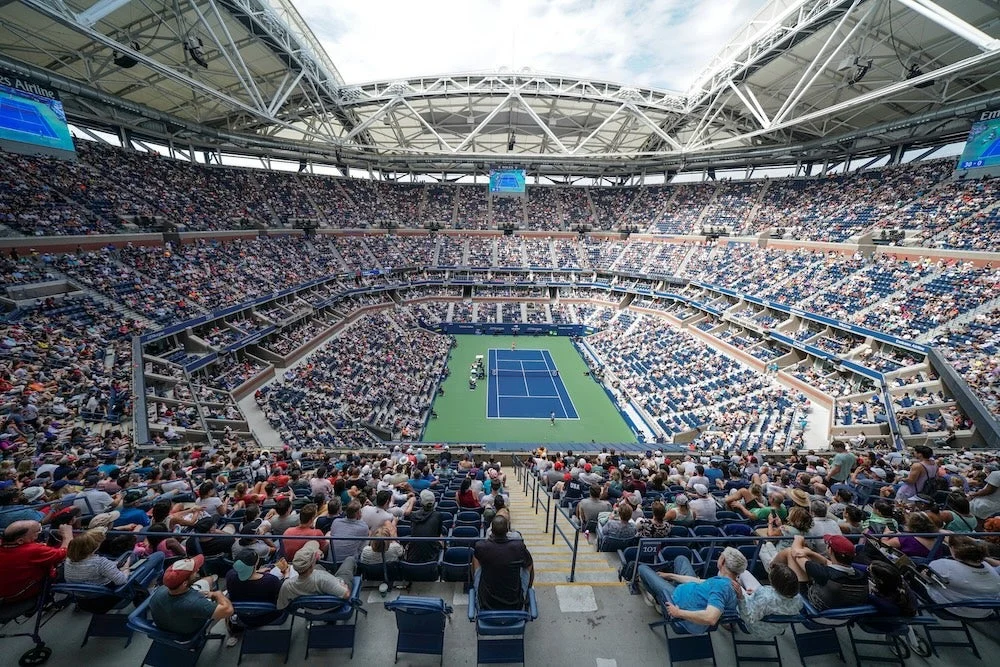
The intersection of sports, entertainment, and digital media faced a sharp reckoning during the opening rounds of the 2026 U.S. Open at the USTA Billie Jean King National Tennis Center in Flushing Meadows, New York. A cohort of prominent online creators and social media influencers found themselves at the center of a national controversy following reports of disruptive behavior while seated in a private corporate suite during the high-profile first-round match between tennis star Naomi Osaka and competitor Anastasia Zakharova. While the immediate public outcry focused on the perceived lack of decorum and etiquette traditionally expected within the hallowed confines of Arthur Ashe Stadium, the incident has catalyzed a much broader, industry-wide evaluation. Public relations practitioners, corporate sponsors, tournament organizers, and digital talent agencies are now forced to re-examine the fundamental mechanics of influencer marketing, raising critical questions about audience expectations, brand alignment, structural onboarding, and the systemic disconnect between deploying digital personalities into elite cultural spaces.
The Anatomy of the U.S. Open Incident and Initial Backlash
The controversy unfolded on the opening day of the two-week Grand Slam tournament, an event that has increasingly transformed into a premier cultural nexus where elite athletics intersects with high fashion, culinary arts, and digital celebrity. As brands compete fiercely for cultural relevance, major tournament sponsors and lifestyle brands routinely acquire luxury suites to host digital talent, expecting that real-time social media posts will translate into high digital engagement and modern brand prestige.
However, reports quickly emerged from attendees and journalists inside the stadium that a specific group of invited creators failed to observe standard tennis spectator etiquette. Unlike traditional sports where crowd noise is encouraged, tennis matches require absolute silence during active play to allow competitors to concentrate. Witnesses noted that the group appeared more focused on staging content, recording continuous video, and engaging in loud conversations during crucial points of the Osaka-Zakharova matchup.
The subsequent backlash was swift and widespread. Traditional sports fans and commentators took to platforms like X (formerly Twitter), Instagram, and sports journalism outlets to decry what they viewed as a blatant disrespect for the sport’s traditions and the athletes’ focus. Critics argued that the presence of disruptive influencers detracted from the integrity of the game. Conversely, defenders of the creators pointed out that brands actively invite these personalities specifically to inject energy, attract younger demographic cohorts, and disrupt stuffy, traditionalist atmospheres. This tension exposed a glaring operational fault line: brands want the disruptive energy and audience reach of the creator economy, yet they simultaneously expect those same creators to seamlessly adopt decades-old codes of conduct without explicit preparation or guidance.
The Evolution of Experiential Marketing at Major Sporting Events
To understand how high-profile incidents like the 2026 U.S. Open occur, one must examine the rapid evolution of experiential marketing within the sports and entertainment industries over the past decade. Historically, major sporting events relied on traditional media—newspaper journalists, television broadcasters, and specialized sports reporters—to cover competitions. These professionals operated under established journalistic codes of conduct, possessed a deep understanding of the sport’s rules and nuances, and viewed access to the venue as a professional privilege tied to reporting duties.
As traditional media consumption habits shifted toward digital and social platforms, organizations recognized that younger demographics—particularly Generation Z and Millennials—were tuning out conventional broadcasts. To capture this elusive audience, sports leagues and corporate sponsors pivoted aggressively toward influencer marketing. By the mid-2020s, tournaments like the U.S. Open, Wimbledon, the Super Bowl, and Formula 1 Grands Prix had effectively doubled as fashion runways and content-creation hubs. Brands invested heavily in Instagram-worthy backdrops, immersive pop-up activations, and exclusive hospitality suites designed explicitly for digital storytelling.
This commercial shift created a gold rush mentality. Brands sought out creators with massive follower counts across TikTok, YouTube, and Instagram, often prioritizing sheer reach over audience demographic alignment or niche expertise. The U.S. Open specifically evolved into a premier lifestyle destination where attending became a status symbol for internet personalities. Yet, this strategy frequently overlooked a fundamental operational reality: asking a lifestyle or comedy creator with millions of followers to cover a specialized sporting event without adequate context is a recipe for friction. When creators are dropped into environments with strict, unwritten social contracts—such as tennis etiquette—without formal onboarding, missteps are almost guaranteed.
Strategic Shift One: Prioritizing Niche Alignment Over Raw Follower Counts
In the wake of the U.S. Open controversy, industry analysts and public relations leaders are urging a fundamental recalibration of how brands select and partner with digital talent. For years, the prevailing metric of success in influencer marketing has been quantitative: reach, impressions, engagement rates, and follower counts. However, the events in Flushing Meadows starkly illustrated that high follower counts do not correlate with cultural appropriateness or contextual intelligence.
Moving forward, communication strategists recommend shifting toward qualitative alignment. Selecting a creator who possesses a genuine, niche interest in sports, wellness, or tennis—even if they command a significantly smaller follower count—yields far more authentic results than partnering with a mega-influencer whose primary expertise is fashion, beauty, or lifestyle comedy. Niche creators inherently understand the pacing, rules, and unspoken customs of the environments they enter. They respect the athletes, resonate deeply with hyper-targeted communities, and are far less likely to commit faux pas that alienate core fans or trigger public backlash.
Furthermore, niche creators are better equipped to produce substantive, educational, and engaging content that adds value to the event rather than simply serving as a backdrop for self-promotion. By valuing depth over breadth, brands can insulate themselves against the reputational risks associated with tone-deaf activations and foster genuine trust among both digital audiences and traditional consumers.
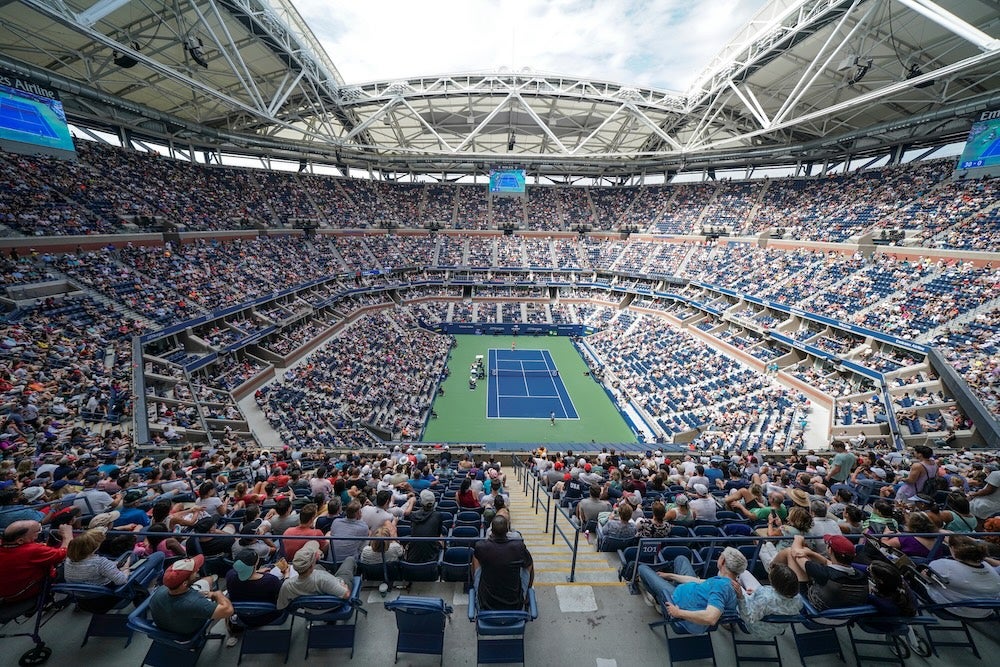
Strategic Shift Two: Treating Creators Like Reporters Through Structured Onboarding
One of the most significant operational failures highlighted by the 2026 U.S. Open incident is the stark disparity in how organizations treat traditional journalists versus digital creators. When a media outlet dispatches a reporter to a major sporting event, that reporter undergoes rigorous preparation. They receive press credentials with explicit rules, briefing documents, historical context, access to media centers, and direct guidance from communications teams regarding interview protocols, restricted zones, and behavioral expectations.
Conversely, creators and influencers are frequently treated as passive VIP guests rather than active media contributors. They are handed suite tickets and brand swag with the vague expectation that they will "post something cool," but are rarely provided with structured onboarding, background context, or education regarding the nuances of the venue. This systemic oversight sets creators up to fail.
Public relations agencies and corporate communications teams must adopt a reporter-centric onboarding model for digital talent. Practical implementation of this strategy includes:
- Pre-Event Alignment Calls: Conducting mandatory or strongly encouraged briefing calls prior to the event to discuss the assignment, explain nuanced and sensitive information, outline venue-specific rules (such as tennis etiquette), and establish clear mutual expectations.
- Comprehensive Digital Briefing Packs: Following up calls with detailed digital assets, including backgrounders on the event’s history, athlete profiles, logistical maps, and behavioral guidelines.
- Dedicated Creator Liaisons: Assigning dedicated PR personnel on-site to assist creators with navigation, answer questions in real-time, facilitate interviews, and manage content capture schedules without disrupting the surrounding audience or event operations.
By investing in clear briefing and onboarding, organizations bridge the knowledge gap and empower creators to act as informed, respectful ambassadors rather than unpredictable disruptions.
Strategic Shift Three: Realigning Bottom-Line Goals and Event Logistics
As brands evaluate their long-term influencer strategies in the post-U.S. Open landscape, many are questioning the wisdom of placing creators directly into high-focus, distraction-sensitive environments during live competition. The core tension of experiential marketing lies in the dual objective of wanting creators to enjoy an authentic experience while simultaneously demanding high-volume content production on the ground.
To resolve this operational paradox, brands and event organizers are exploring innovative logistical solutions that separate content creation from live event participation:
- Pre-Event and Dedicated Activations: Designing exclusive pre-event activations, media days, or closed-set content creation windows where creators can film, photograph, and interact with branded installations and talent without the pressures of a live crowd.
- Salon Dinners and Insider Access: Hosting intimate gatherings or controlled-access sessions where creators can meet athletes, chefs, or designers in structured environments, freeing them to fully enjoy the main event as spectators without the burden of constant broadcasting.
- Red Carpet and Mixed-Zone Protocols: Adapting traditional press protocols by offering creators designated red-carpet access or media-pen entry points, thereby minimizing disruptions in seating bowls while still providing the visual assets necessary for social media campaigns.
These proactive measures ensure that content production does not compromise the integrity of the primary event, protecting both the event organizers’ operational standards and the creators’ public reputations.
Broader Implications for the Creator Economy and Public Relations
The backlash experienced during the 2026 U.S. Open is symptomatic of a maturing creator economy. As influencer marketing transitions from an experimental, Wild West tactic into a multi-billion-dollar corporate staple, the rules of engagement are tightening across all sectors. Institutions, sports leagues, fashion houses, and corporate brands are no longer willing to trade their long-standing prestige and brand equity solely for short-term viral impressions.
The incident serves as a definitive case study proving that the friction between creators and traditional institutions is rarely a creator problem; it is fundamentally an expectations problem. When brands invite digital personalities into elite spaces solely to generate culture, conversation, and viral distribution, yet criticize them for failing to mirror the behavior of traditional journalists or longtime patrons, the fault lies entirely in strategic misalignment and poor communication management.
Moving forward, the success of brand-creator partnerships at major cultural and sporting events will depend heavily on the willingness of PR professionals to professionalize the creator onboarding process. Brands must clearly define whether they genuinely want new, disruptive voices to bring fresh perspectives to traditional spaces, or if they are simply seeking modern distribution channels that behave according to legacy rules. By aligning bottom-line goals, investing in rigorous creator education, and designing smarter experiential logistics, the communications industry can prevent future high-profile missteps and build sustainable, mutually beneficial partnerships that honor both the creators and the historic institutions they visit.