Bombardier Recreational Products (BRP) stands as a titan in the global powersports industry, a Canadian-headquartered powerhouse that has spent the better part of a century redefining how humans interact with rugged terrain, water, and the open road. While the corporate moniker might not always be the first thing a consumer notices on a showroom floor, the brand architecture beneath it—ranging from high-performance snowmobiles to cutting-edge electric motorcycles—commands significant market share. Today, BRP operates as an independent entity, having spun off from the larger Bombardier Inc. conglomerate in 2003, and has since cultivated a diverse portfolio that integrates precision engineering with a vast international supply chain.
The Evolution of a Canadian Industrial Giant
The roots of the BRP empire trace back to the early 20th century in Valcourt, Quebec. Joseph-Armand Bombardier, an inventor with a singular vision, sought to solve the isolation caused by harsh Canadian winters. His early work focused on tracked vehicles capable of traversing deep snow, leading to the creation of the B7 and B12 multi-passenger snow coaches. These machines provided vital links for rural communities, serving as ambulances and school buses in regions where traditional wheeled transport was rendered useless by the climate.
The pivotal shift toward the modern powersports industry occurred in 1959 with the launch of the Ski-Doo, a compact, motorized sled that transformed winter travel from a chore into a recreational pursuit. By the 1970s, the brand had achieved legendary status, producing its one-millionth unit by 1973. Following the 2003 divestiture from its parent company, BRP pivoted aggressively toward a multi-segment strategy. This strategic evolution involved both organic growth—refining the existing brand identities—and calculated acquisitions, such as the purchase of the Finnish manufacturer Nordtrac, which brought the Lynx brand under the BRP umbrella.
Ski-Doo: The Benchmark of Winter Mobility
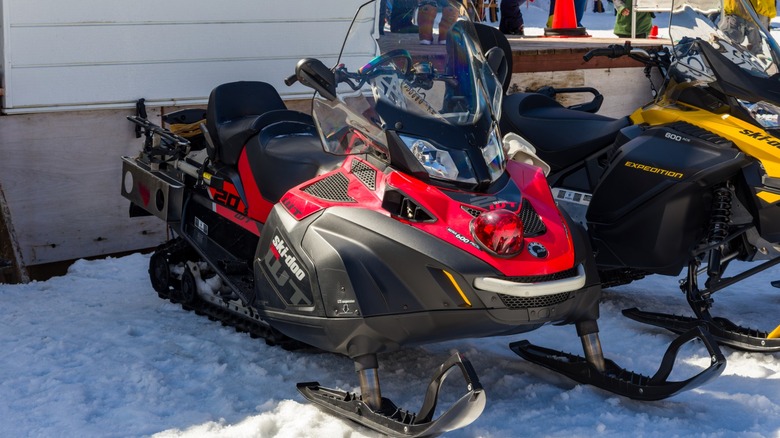
Ski-Doo is arguably the most recognizable brand in the BRP stable. Its transition from a utilitarian tool to a high-performance athletic platform is a case study in technological advancement. The most significant engineering leap in the brand’s history occurred in 2003 with the introduction of the REV platform. By shifting the rider’s center of gravity forward by approximately 12 inches, BRP engineers radically improved control and maneuverability. This innovation allowed riders to use their body weight more effectively, facilitating a more dynamic and less fatiguing riding experience.
Today, the brand maintains a dominant position by segmenting its products to cater to a diverse user base, ranging from utility-focused workhorses to high-performance mountain sleds capable of navigating extreme vertical inclines. The brand’s cultural footprint is so significant in its native Canada that "ski-dooing" has entered the vernacular as a generic term for snowmobiling.
Sea-Doo: Pioneering Personal Watercraft
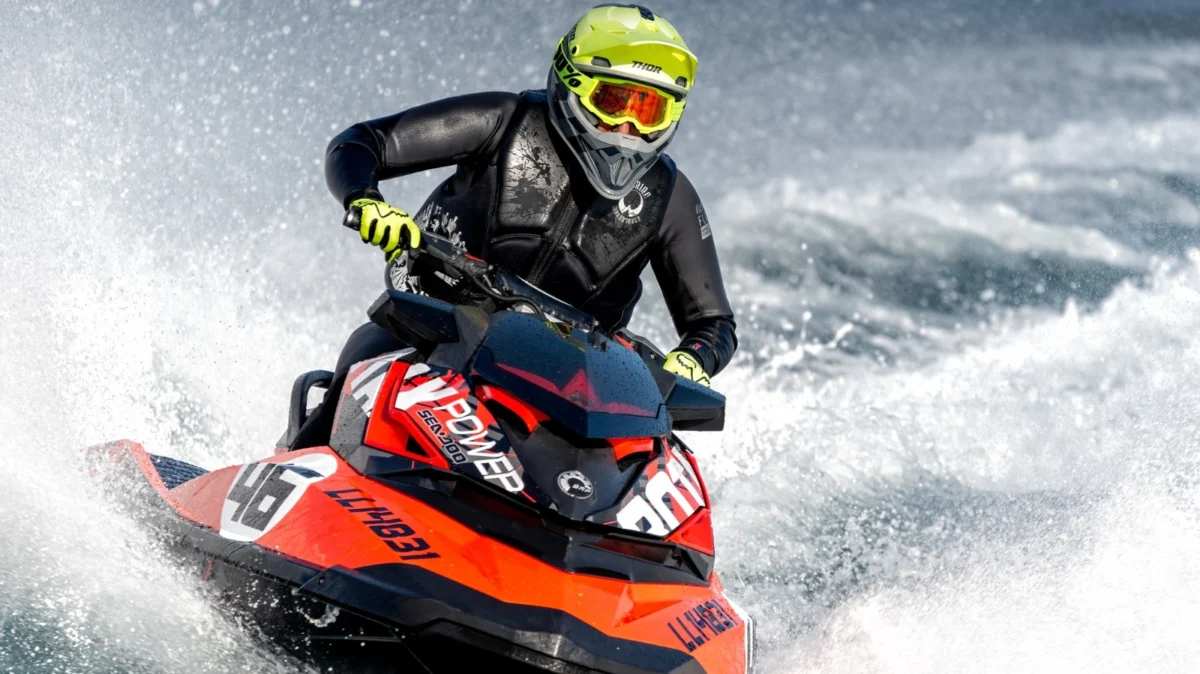
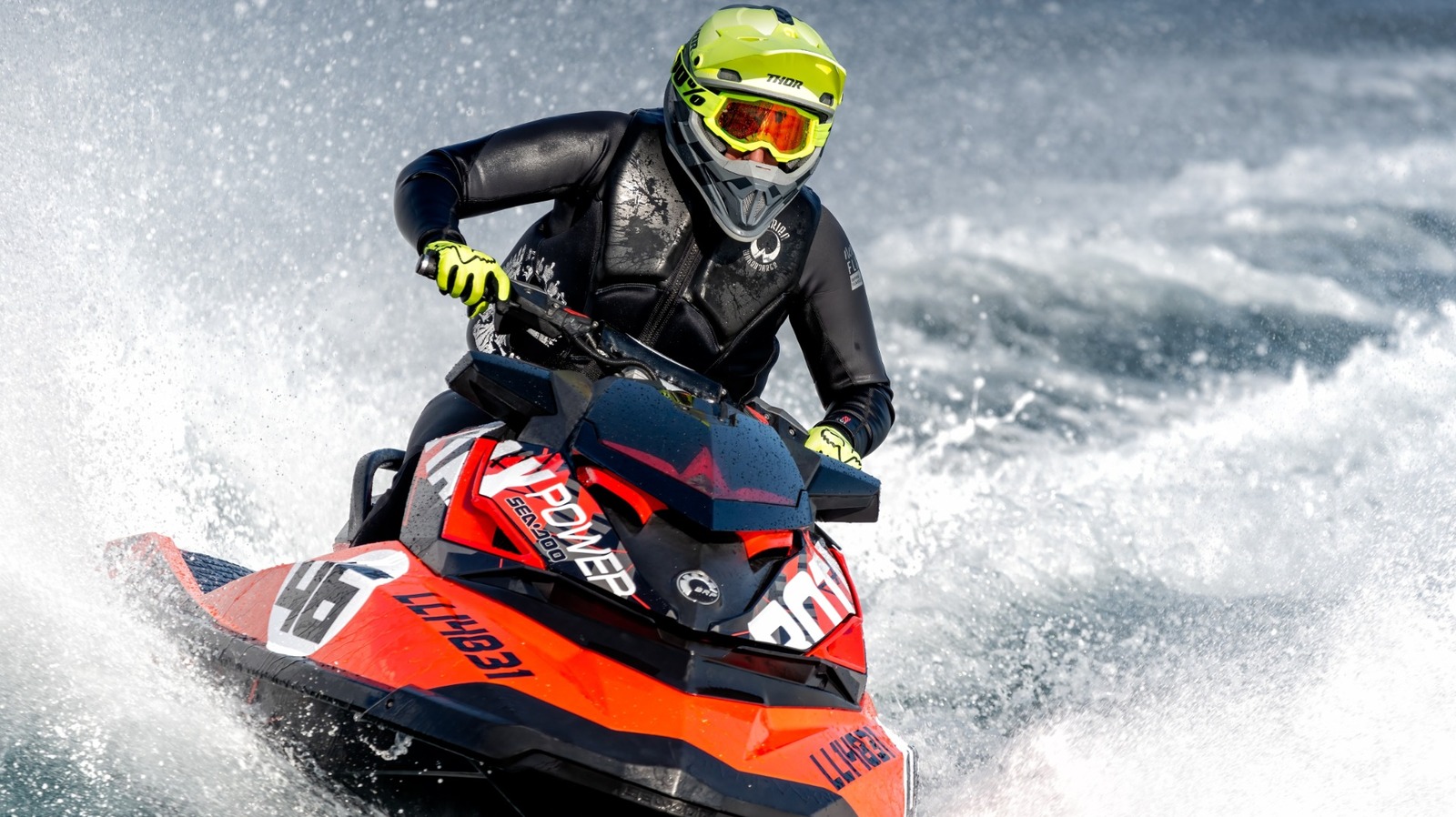
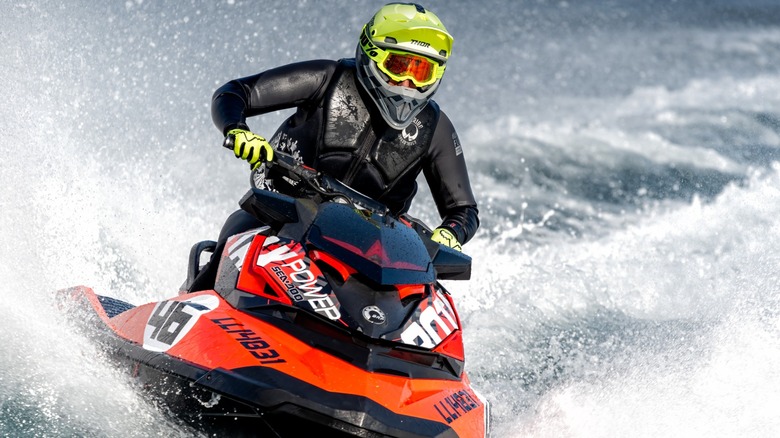
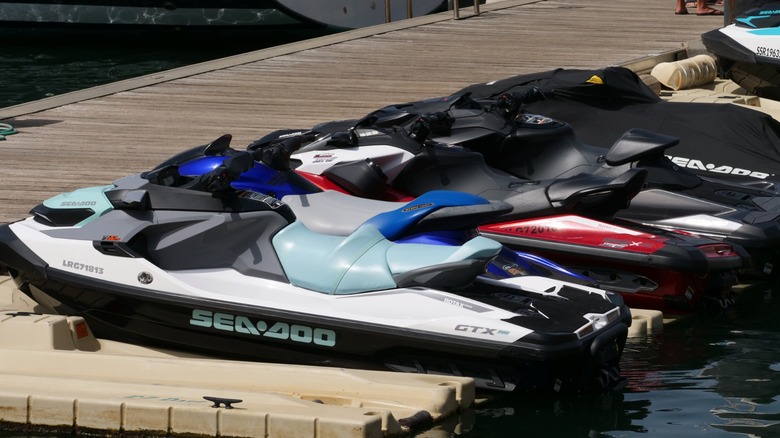
Before the industry term "Jet Ski" became synonymous with personal watercraft (PWC), BRP was already exploring the potential of motorized aquatic transport. The introduction of the first Sea-Doo in 1968, developed in collaboration with inventor Clayton Jacobson II, marked a bold entry into the marine market. While early iterations faced reliability hurdles—leading to a temporary production hiatus—the brand’s 1988 relaunch marked the beginning of a sustained period of innovation.
BRP eventually addressed the inherent challenges of PWC safety and control by developing the Intelligent Brake and Reverse (iBR) system. By introducing a mechanism that allows for braking and reversing via a handlebar-mounted trigger, Sea-Doo fundamentally altered the safety profile of the industry. Current models offer a sophisticated array of choices, from the entry-level Rec Lite series to performance-oriented tow-sports crafts, ensuring the brand remains a dominant force in the marine recreation sector.
Lynx: The Nordic Specialist
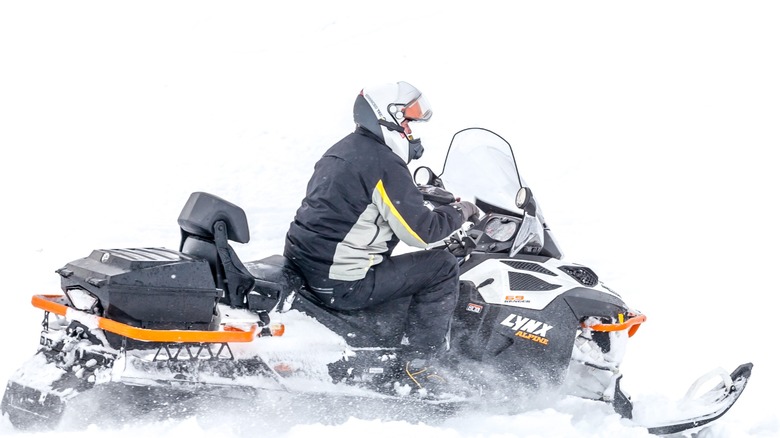
The inclusion of Lynx in the BRP portfolio provides a distinct regional advantage. Originating in Kurikka, Finland, in 1968, Lynx was engineered to withstand the brutal, varied terrain of Scandinavia. When BRP acquired the brand in 1988, it gained access to a specific philosophy of snowmobile construction: one prioritized for aggressive handling and "active" riding.
Unlike the more generalized approach of some North American models, Lynx sleds are designed for riders who engage with their machines as extensions of their own physical movement. The 2021 expansion of the brand into the North American market served to diversify BRP’s offerings, providing enthusiasts with a "Nordic character" alternative. This strategic move highlights BRP’s ability to leverage global engineering expertise, maintaining production in Rovaniemi, Finland, to preserve the authentic craftsmanship associated with the brand.
Can-Am: A Diverse Portfolio of Land-Based Performance
Can-Am is currently the most expansive brand within the BRP portfolio, spanning ATVs, side-by-sides, and three-wheeled roadsters. Its history is a testament to the company’s resilience. Debuting in 1973 as a motocross and endurance racing motorcycle brand, Can-Am achieved immediate success, sweeping the top three spots in the 1974 AMA 250cc motocross championship.
Following a period where the brand drifted from the spotlight, BRP revived the Can-Am name in 2007 for its entry into the ATV market. This was quickly followed by the introduction of the Spyder, a three-wheeled "reverse-trike" that bridged the gap between motorcycle enthusiasts and those seeking the stability of a wider wheelbase. The subsequent launch of the side-by-side Commander and the lighter Ryker three-wheeler solidified Can-Am as a comprehensive land-based transport brand. In recent years, BRP has signaled a shift toward sustainability by introducing electric powertrains to the Can-Am motorcycle and ATV lineups, reflecting broader industry trends toward electrification.
Rotax: The Beating Heart of the Enterprise
While the previously mentioned brands represent the vehicles consumers see on trails or water, Rotax represents the engineering core of BRP. Founded in 1920 in Dresden, Germany, and later relocated to Gunskirchen, Austria, Rotax has been the engine supplier of choice for BRP since 1962.
The relationship evolved from a simple supplier agreement to a full acquisition in 1970. Rotax’s significance extends far beyond the powersports sector; the brand is a major player in the aerospace industry. By the 1970s, the company began adapting its lightweight, high-performance engines for use in aircraft. Today, the Rotax 912 series is a standard in the ultralight aviation market, showcasing the versatility of BRP’s engineering assets. With the production of its 10 millionth engine in 2021, Rotax remains the essential technological backbone that enables the performance characteristics of every other BRP brand.
Strategic Implications and Market Outlook
The integration of these five brands under a single corporate banner provides BRP with a unique competitive advantage: vertical integration. By owning both the final vehicle manufacturing and the proprietary engine development (via Rotax), BRP maintains tighter control over product quality, supply chain efficiency, and the pace of innovation.
Market analysts have noted that BRP’s focus on niche segments—such as the specific engineering requirements of Nordic snowmobiling or the development of three-wheeled roadsters—has protected it from the commoditization often seen in the broader automotive industry. As the powersports market faces pressures to decarbonize, BRP’s ability to leverage its diverse brand portfolio to test and implement new technologies, such as the electric Can-Am Pulse or Origin, positions it as a leader in the transition to sustainable recreation. The company’s trajectory, from a single-product manufacturer in rural Quebec to a global multi-brand conglomerate, illustrates a deliberate strategy of adaptation and diversification that continues to define the modern powersports landscape.