The modern digital landscape demands relentless consistency, yet many creators and business owners continue to operate on a reactive, day-to-day basis. A social media content calendar is no longer a luxury; it is the fundamental infrastructure for any organization seeking to maintain brand authority and audience engagement. By transitioning from impulsive posting to a structured, data-driven planning system, teams can reduce burnout, improve content quality, and significantly boost their return on investment.
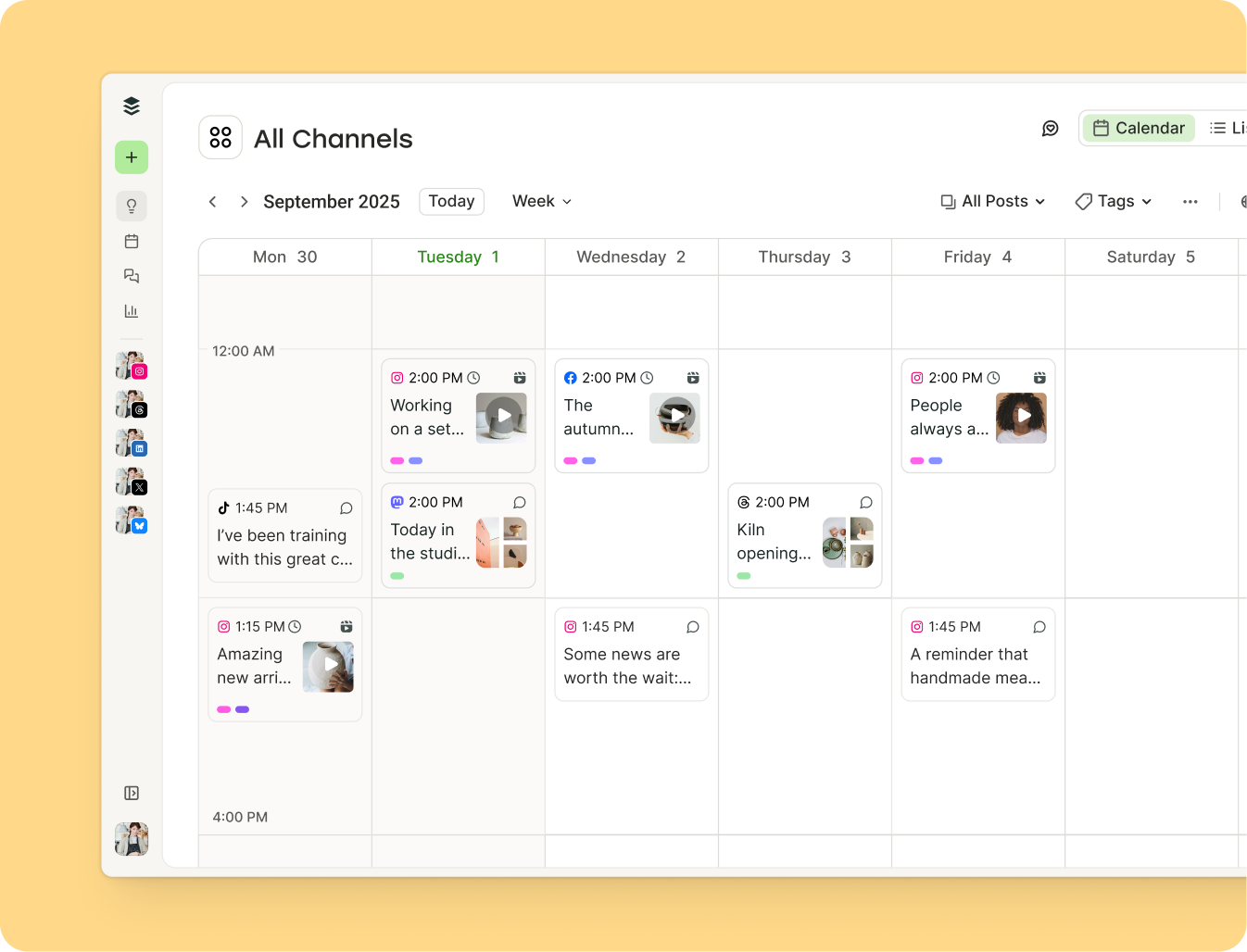
A content calendar serves as a centralized, high-level map of an organization’s digital output. It integrates key performance indicators, seasonal campaigns, and platform-specific nuances into a cohesive timeline. For those struggling to move beyond the "blank screen" phase, adopting a pre-built template—or constructing a bespoke system within a project management tool—is the first step toward professionalizing a social media presence.
The Strategic Necessity of Editorial Planning
The primary advantage of a content calendar is the elimination of decision fatigue. Data from recent industry reports suggests that marketers who document their strategy are 313% more likely to report success than those who do not. This success is rarely accidental; it is the result of careful alignment between business objectives and daily social interactions.
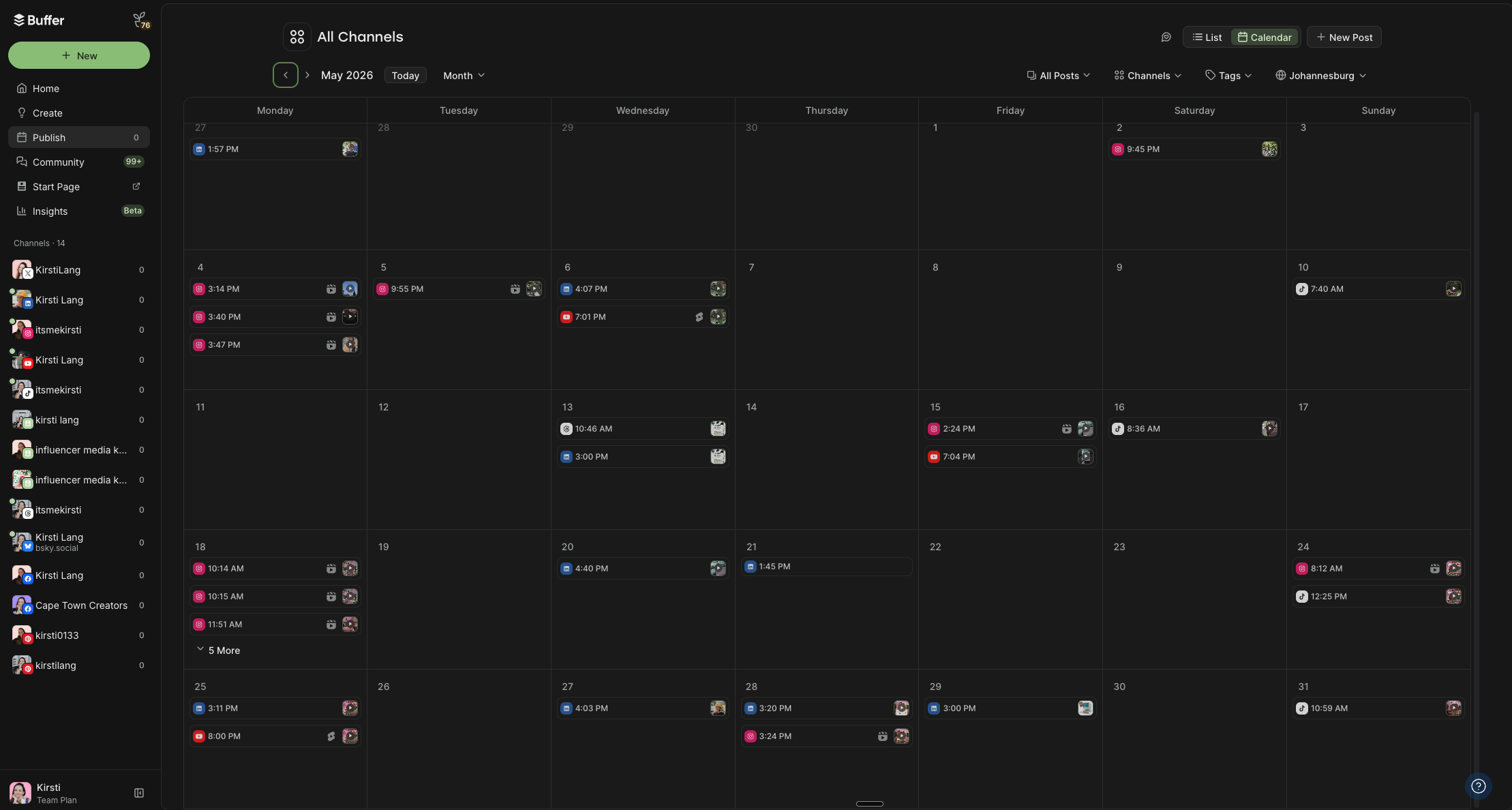
A well-structured calendar provides a birds-eye view of a brand’s narrative. It prevents the common pitfalls of repetitive content or, conversely, long periods of silence that can negatively impact algorithmic reach. By mapping out content weeks or months in advance, brands can ensure their messaging aligns with broader marketing initiatives, such as product launches, seasonal promotions, or company milestones.
Evaluating the Essential Toolkit
Selecting the appropriate medium for a content calendar depends on the complexity of the workflow. For smaller teams or solo creators, simplicity is paramount to ensure adoption.
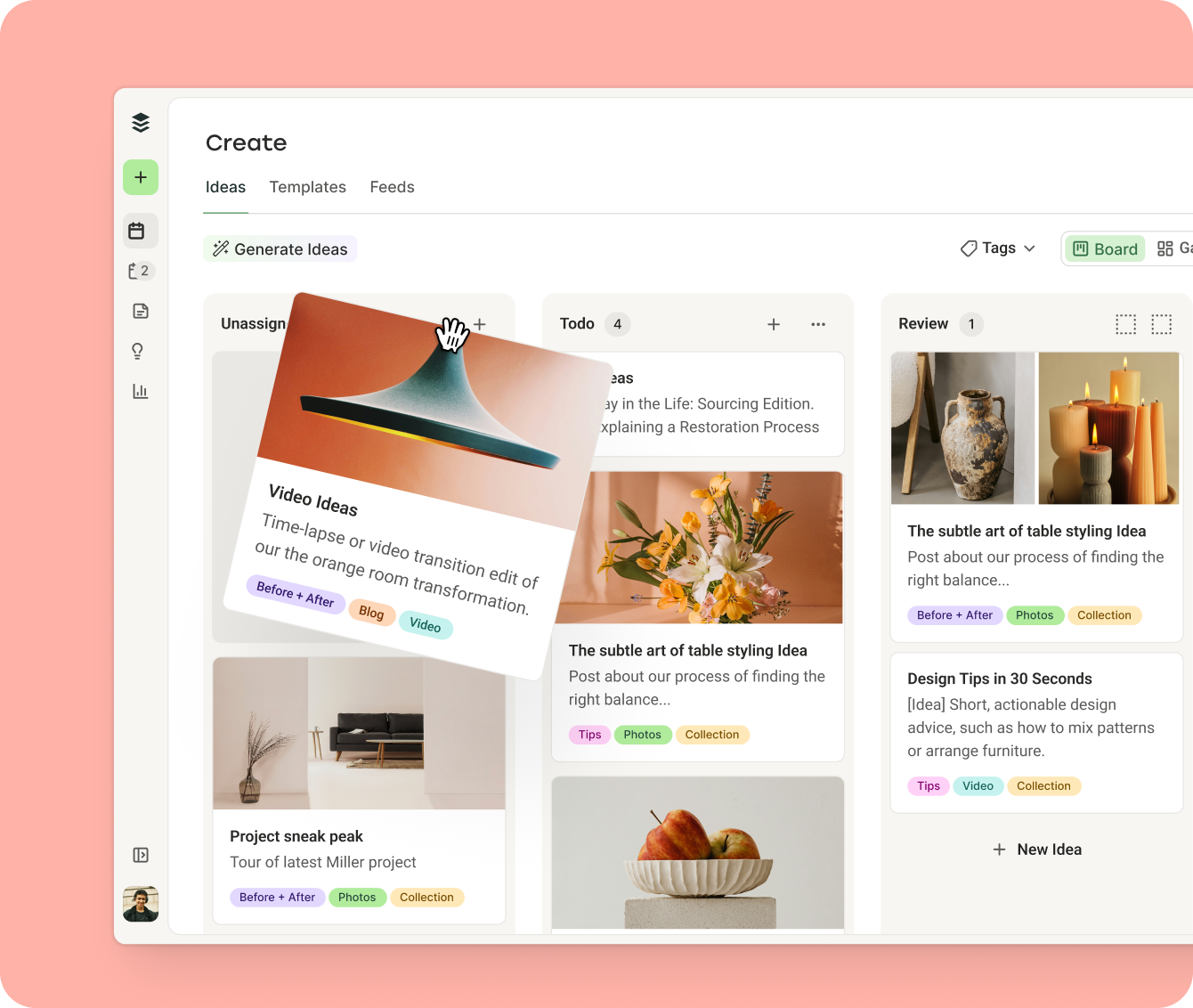
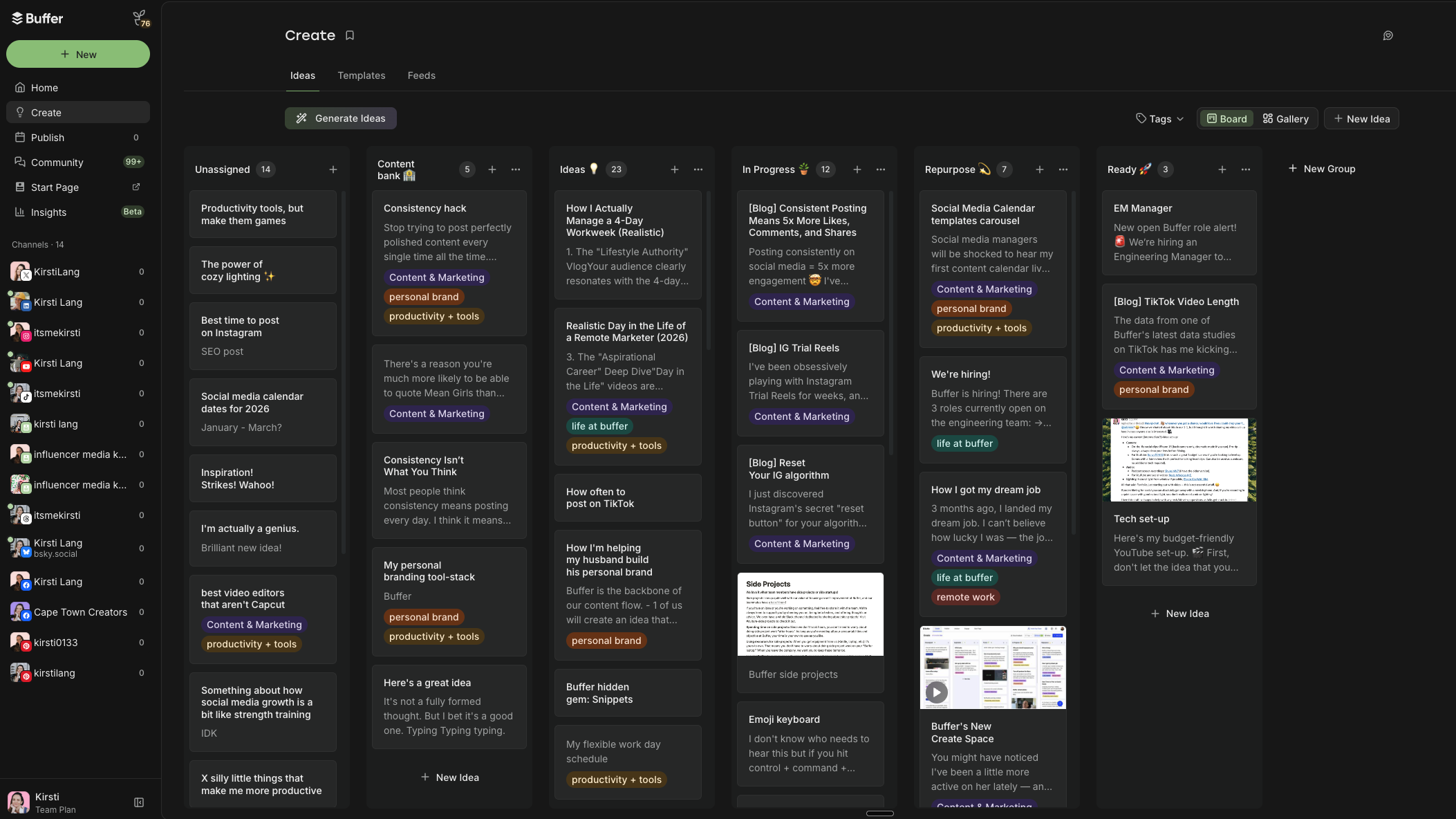
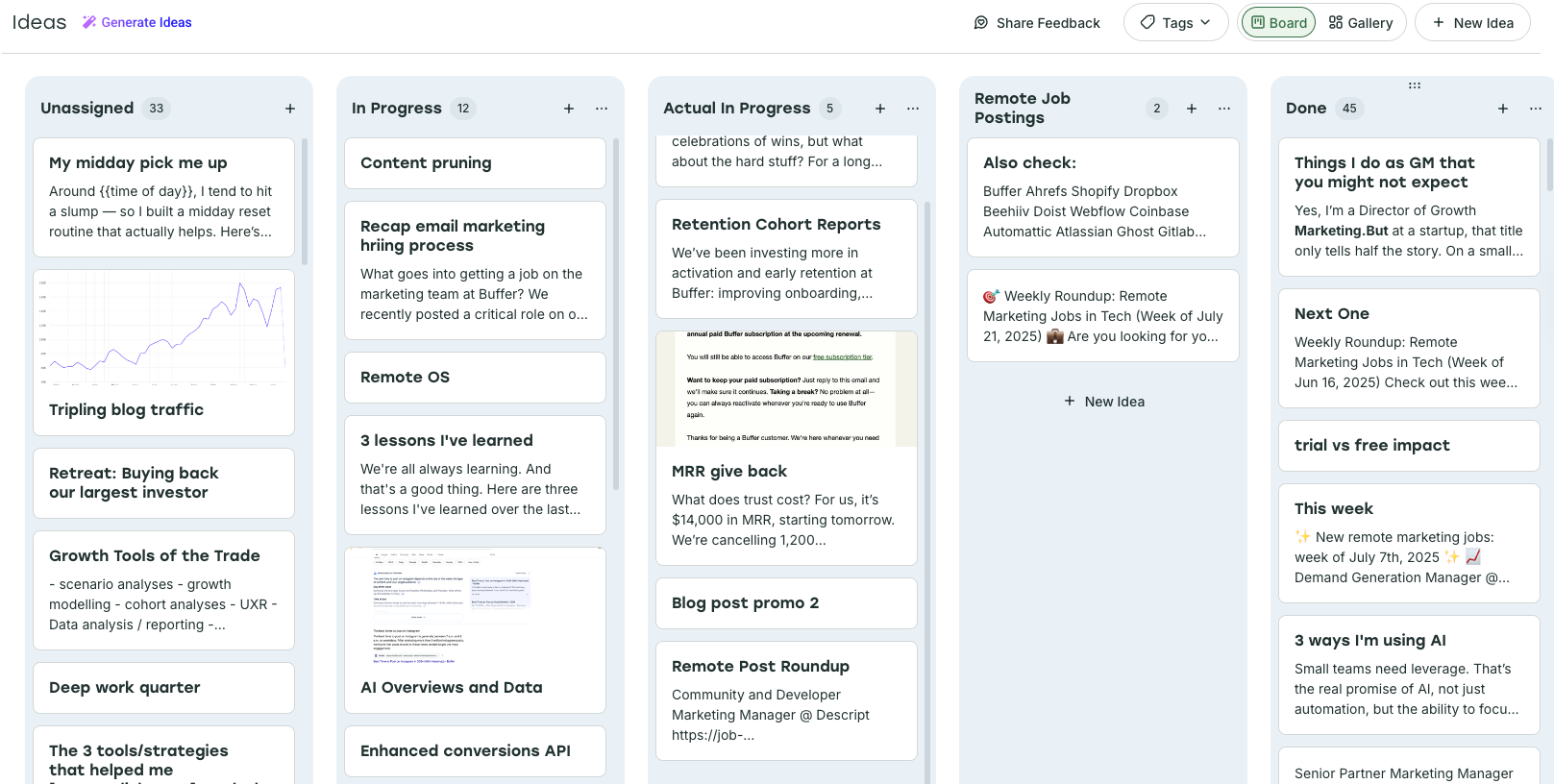
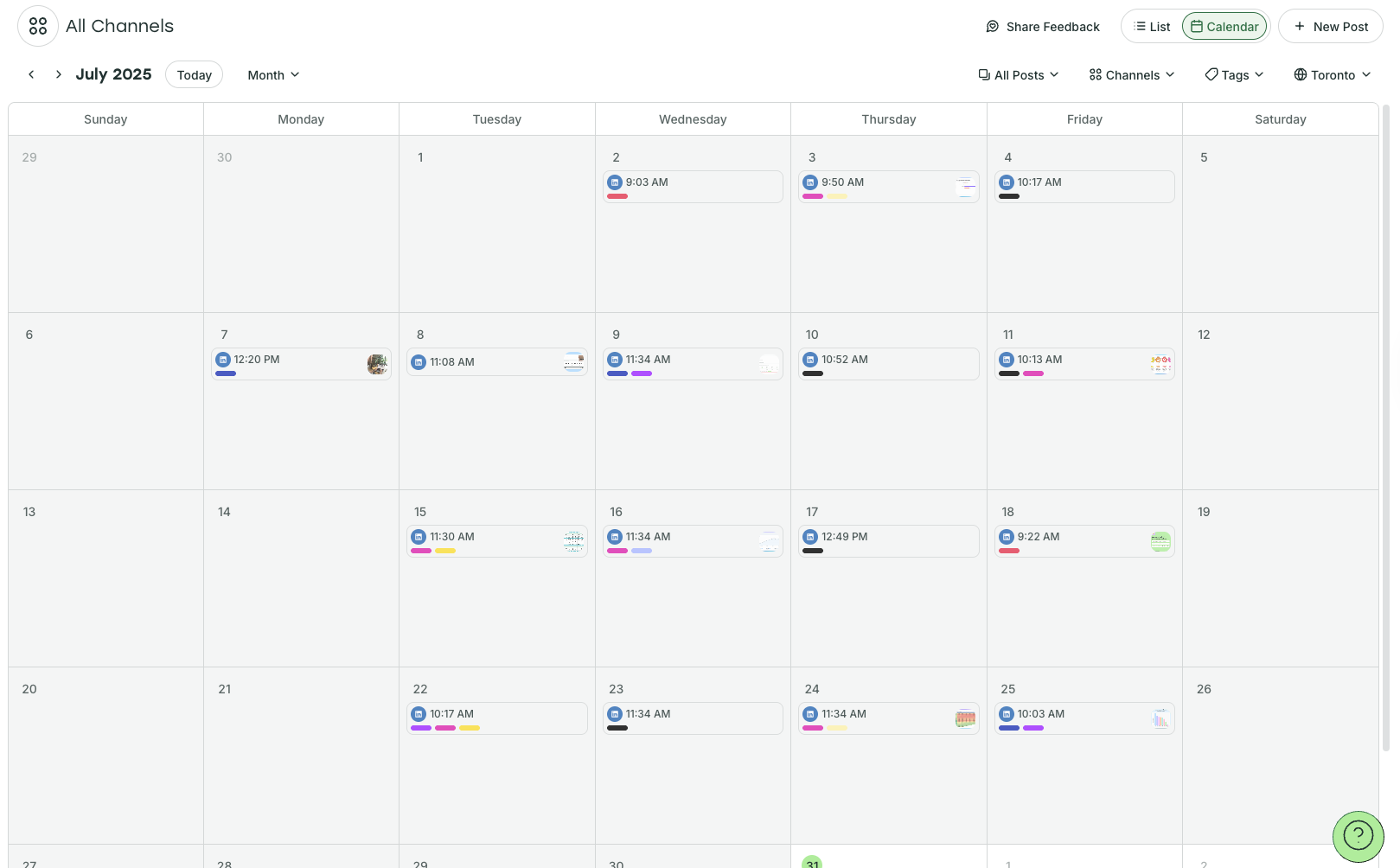
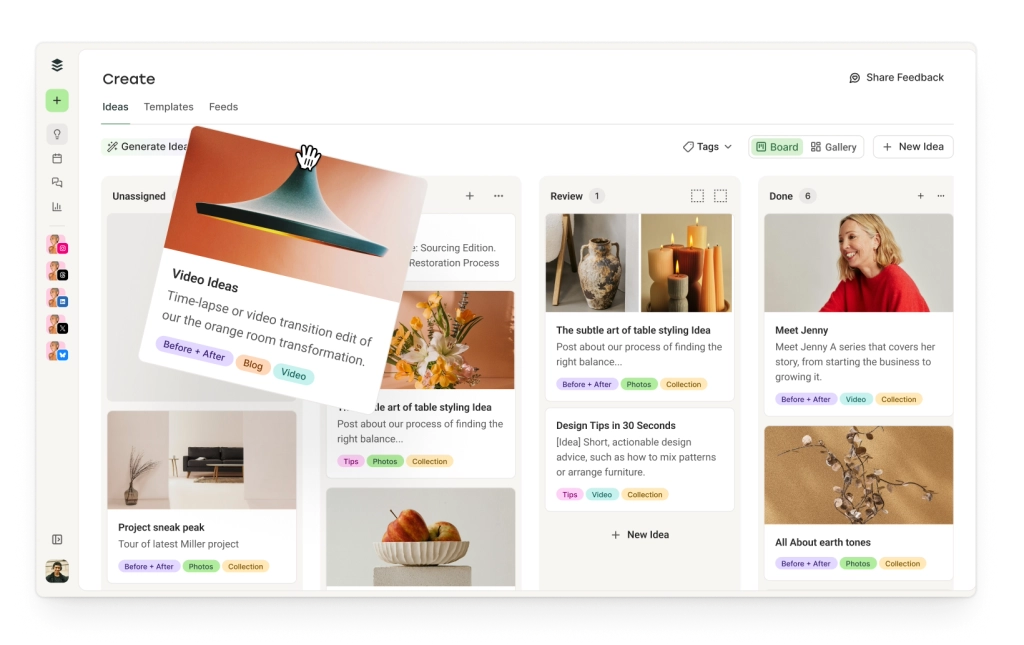
- Buffer: A robust solution that combines planning with automated publishing. Its primary strength lies in its ability to manage multiple channels—including Instagram, LinkedIn, and TikTok—from a single dashboard, utilizing "Create Spaces" for ideation and a drag-and-drop calendar for scheduling.
- Google Sheets: The perennial favorite for its versatility and lack of barrier to entry. Spreadsheets allow for granular control over data points, such as tracking links, status updates, and historical performance metrics.
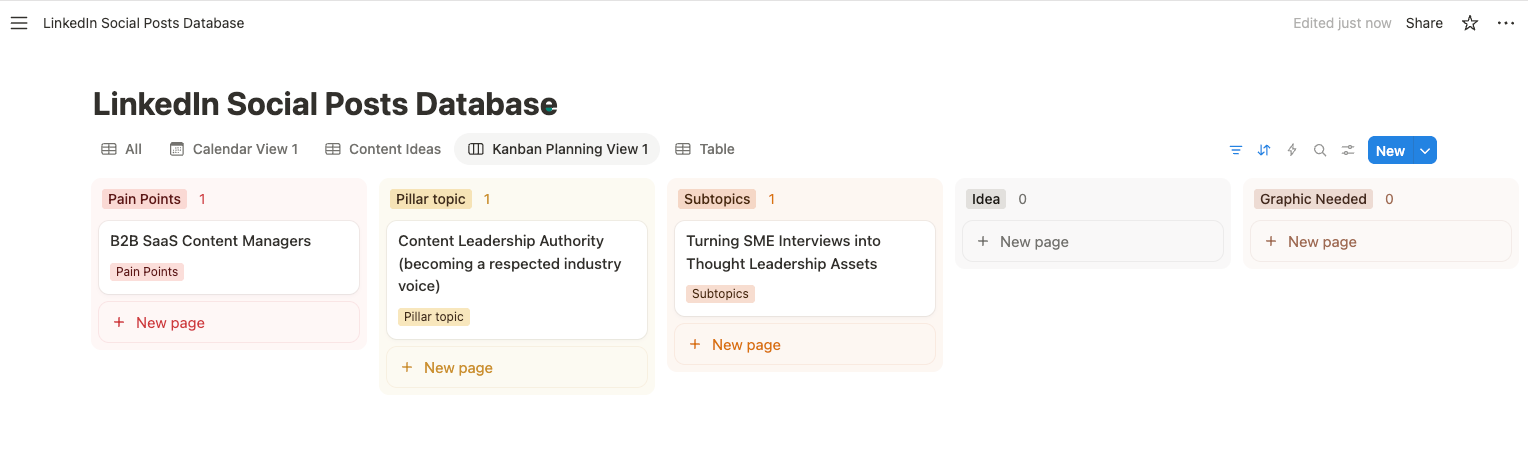
- Notion: Ideal for teams that require a blend of project management and content repository. Its ability to switch between board, list, and calendar views makes it a powerful tool for maintaining both high-level strategy and detailed asset management.
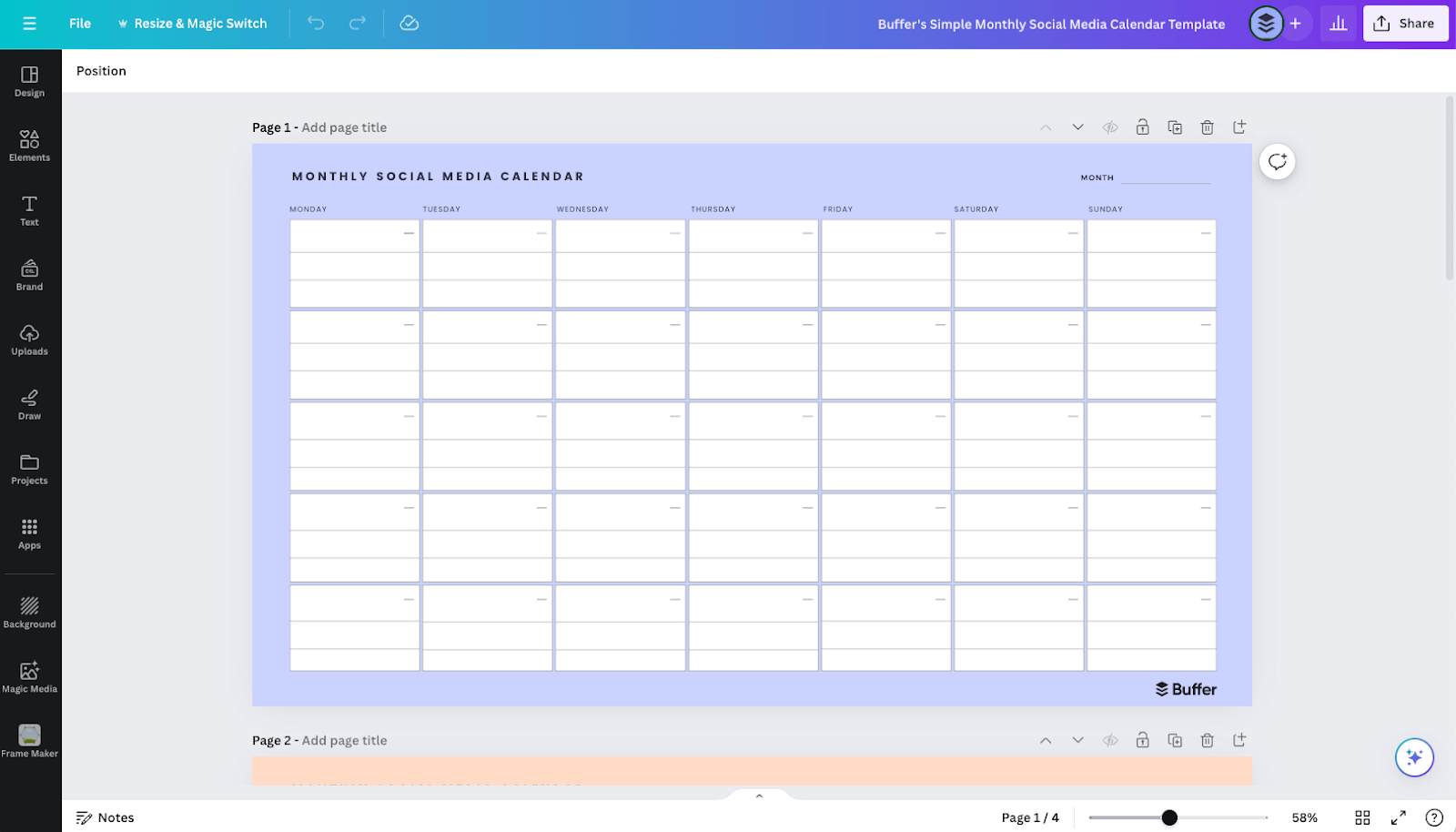
- Canva: Best suited for visually driven organizations that wish to merge their creative design process with their scheduling timeline.
A Curated List of Free Resources
To facilitate a rapid transition to a structured workflow, the following templates have been identified as the most effective for diverse operational needs:
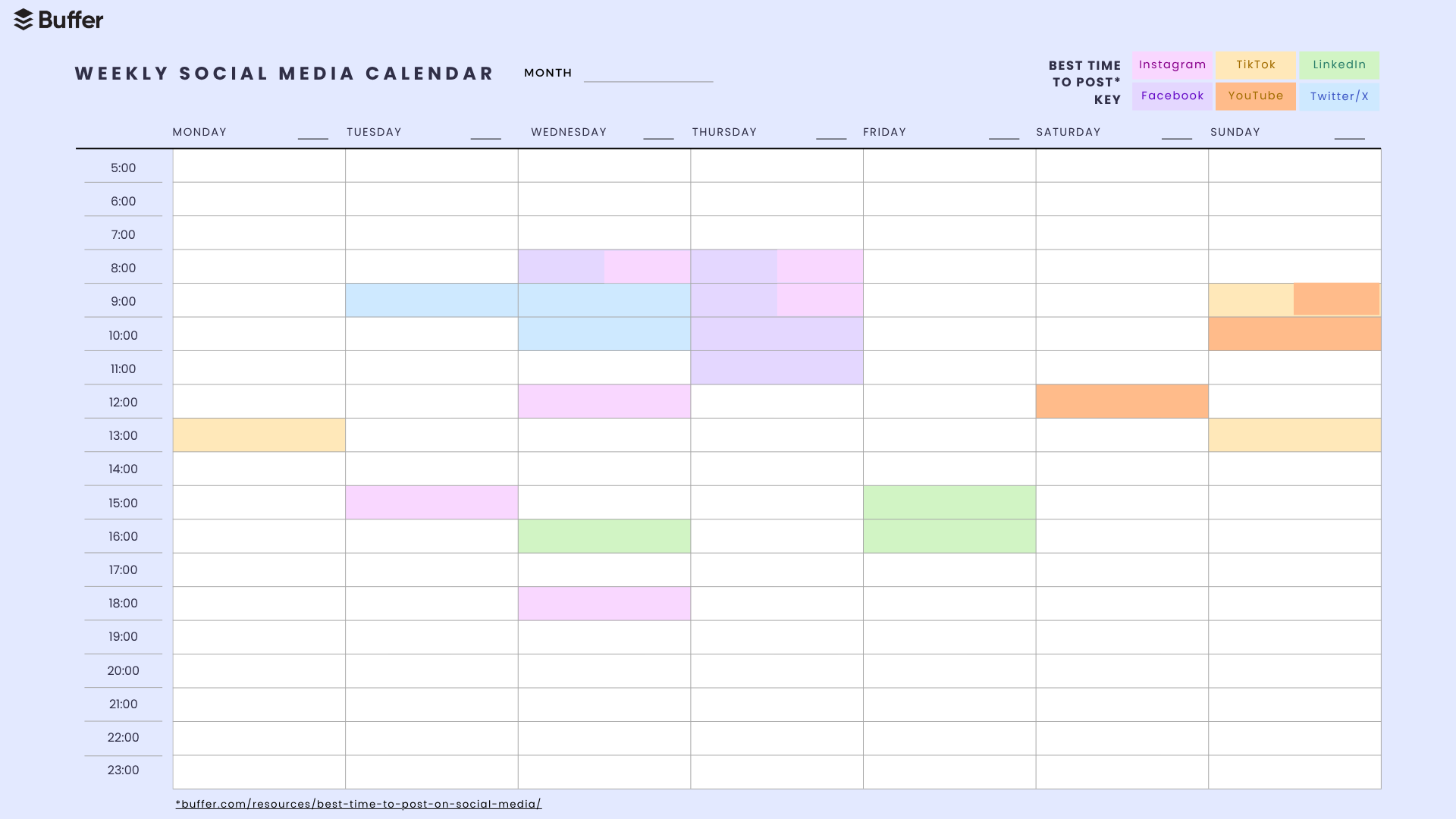
- The Best Times to Post PDF: A data-backed template identifying peak engagement hours across major platforms.
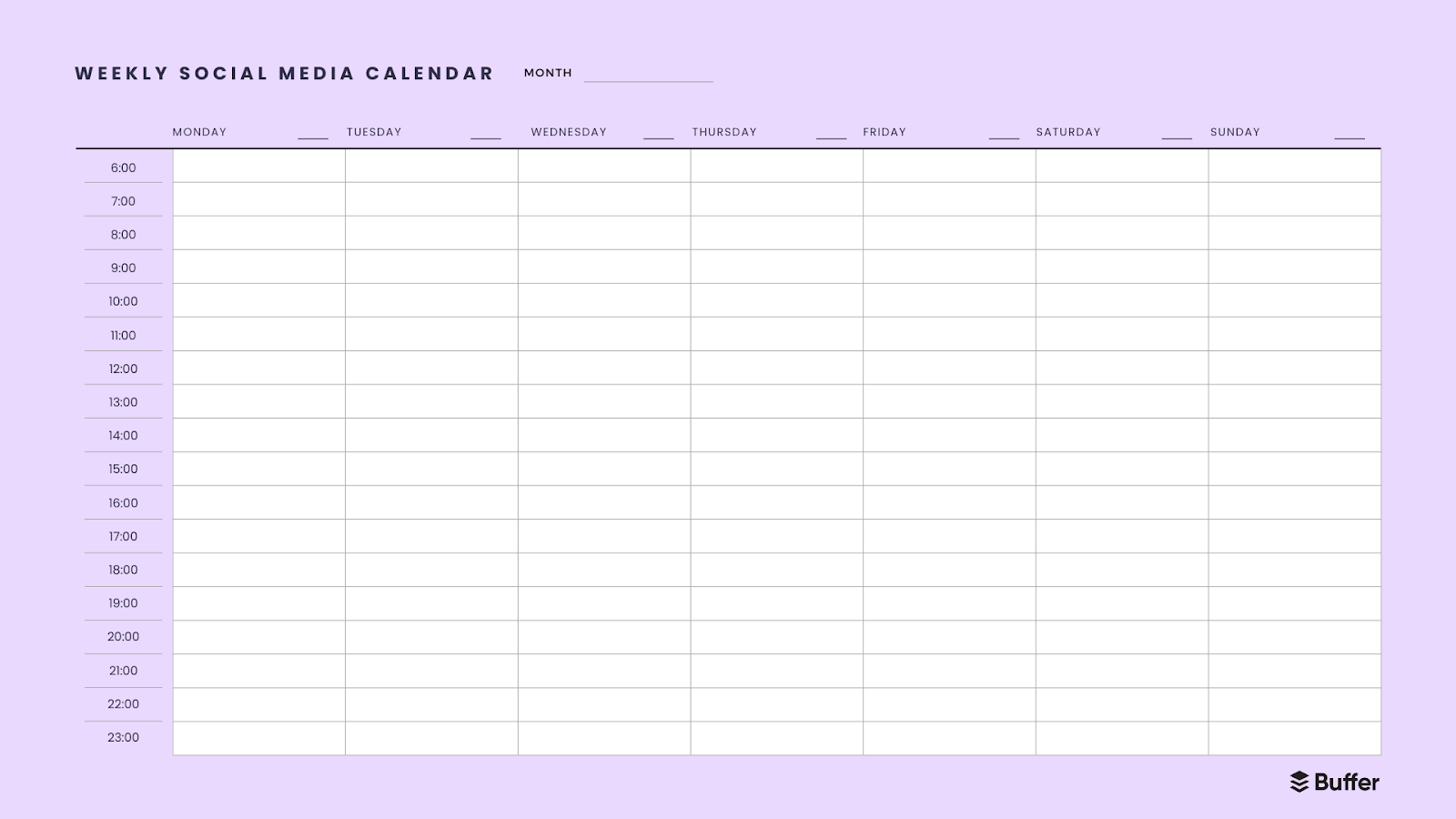
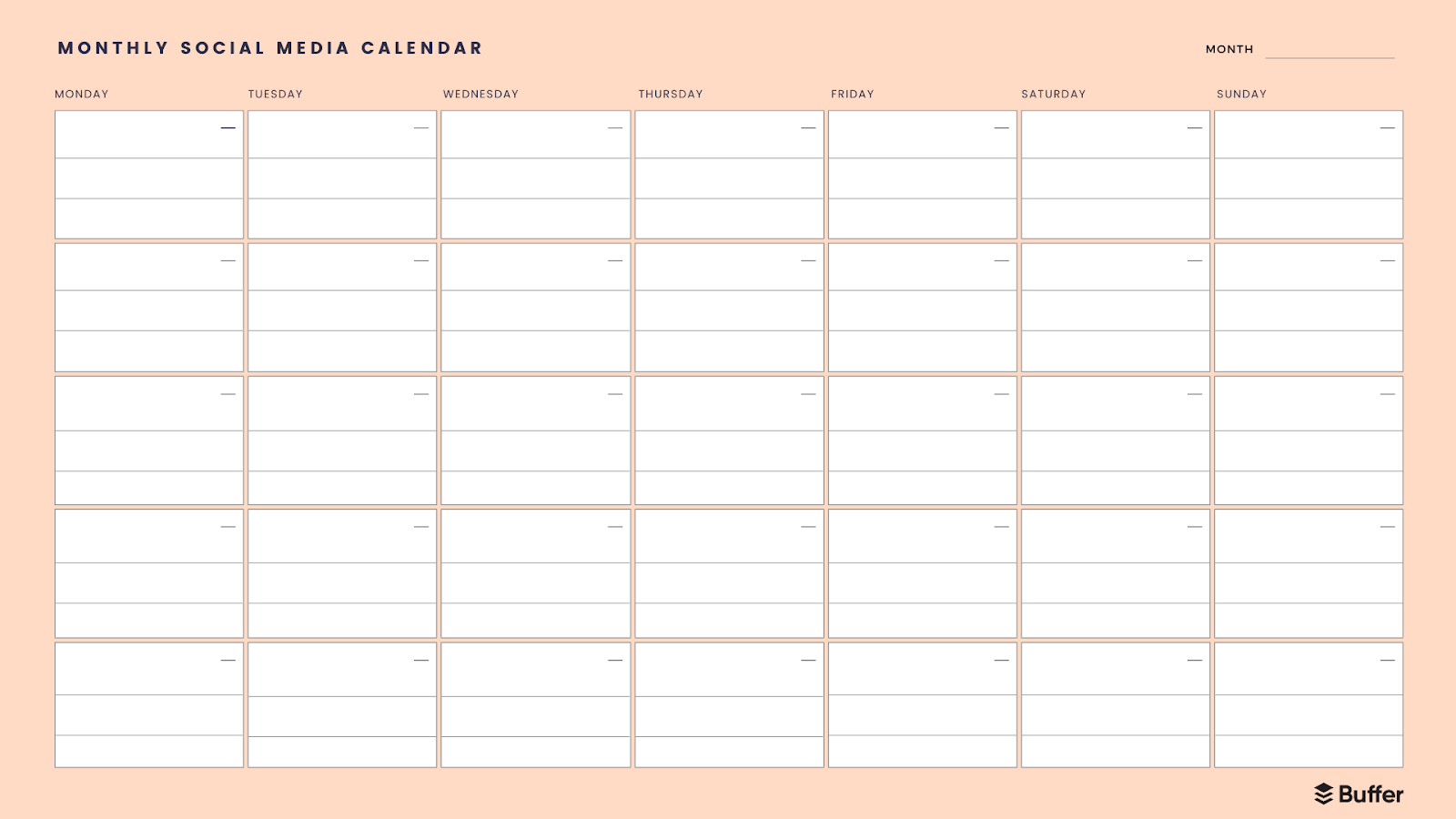
- The Simple Weekly/Monthly PDF: Ideal for those who prefer an offline or printable overview of their upcoming commitments.
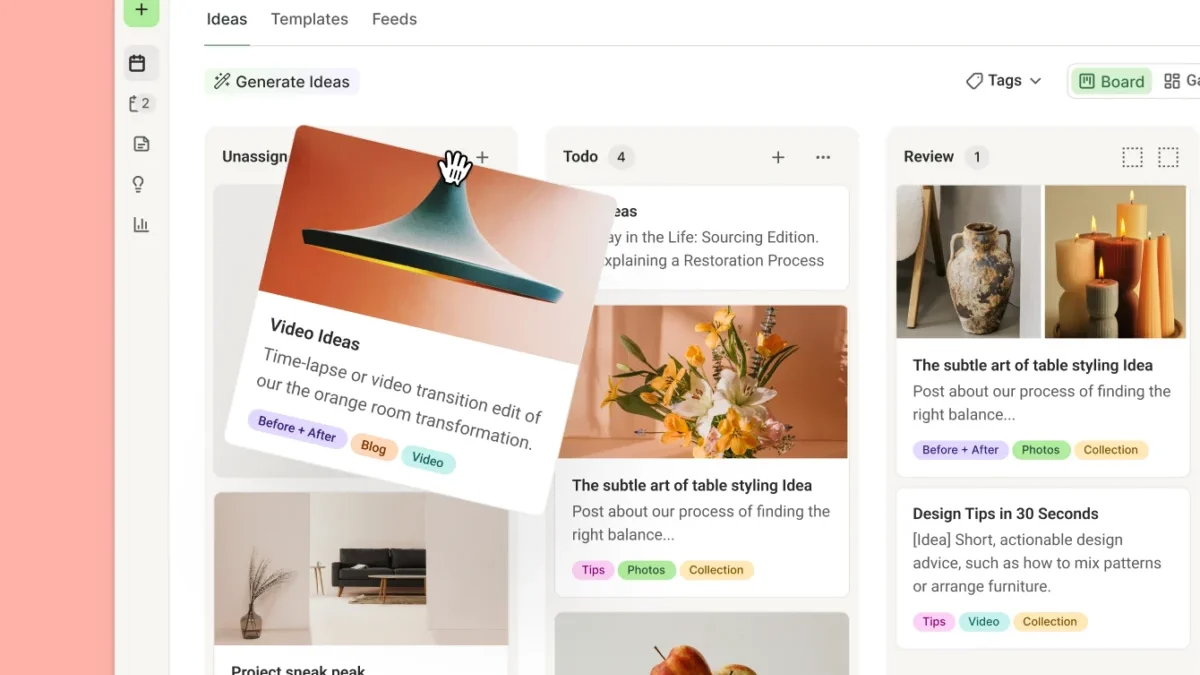
- Simon’s Kanban Calendar: A workflow-centric approach within Buffer, utilizing columns to move content from "To Do" to "Ready to Schedule."
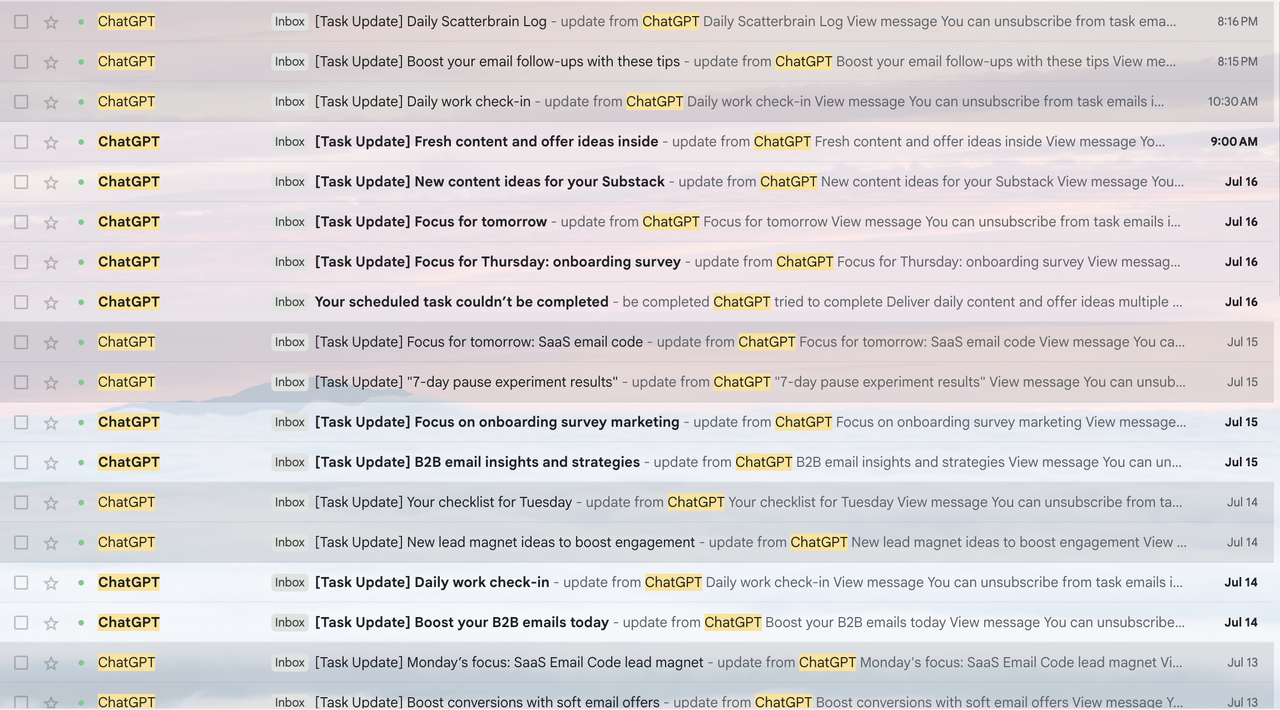
- Aiza’s AI-Driven Email Calendar: A creative system using ChatGPT prompts to generate and deliver content ideas directly to an inbox, effectively automating the brainstorming phase.
- Kiran’s Personal Brand Notion Template: A comprehensive setup designed for individual influencers to manage pillars, repurpose content, and track long-term growth.
Constructing a Sustainable Workflow
Establishing a calendar is merely the beginning; the true value lies in the execution. A professional-grade content strategy should follow an eight-step lifecycle to ensure maximum efficiency:
1. Strategic Foundation: Before creating a single post, define the "why." What is the objective? Is it brand awareness, lead generation, or community building? Establish clear content pillars—the core themes around which all content will revolve.
2. Tool Selection: Do not choose the "most advanced" tool; choose the tool that fits your current capacity. If a team struggles to update a complex Notion board, they will eventually abandon it. A simple spreadsheet is superior to an empty enterprise-grade platform.
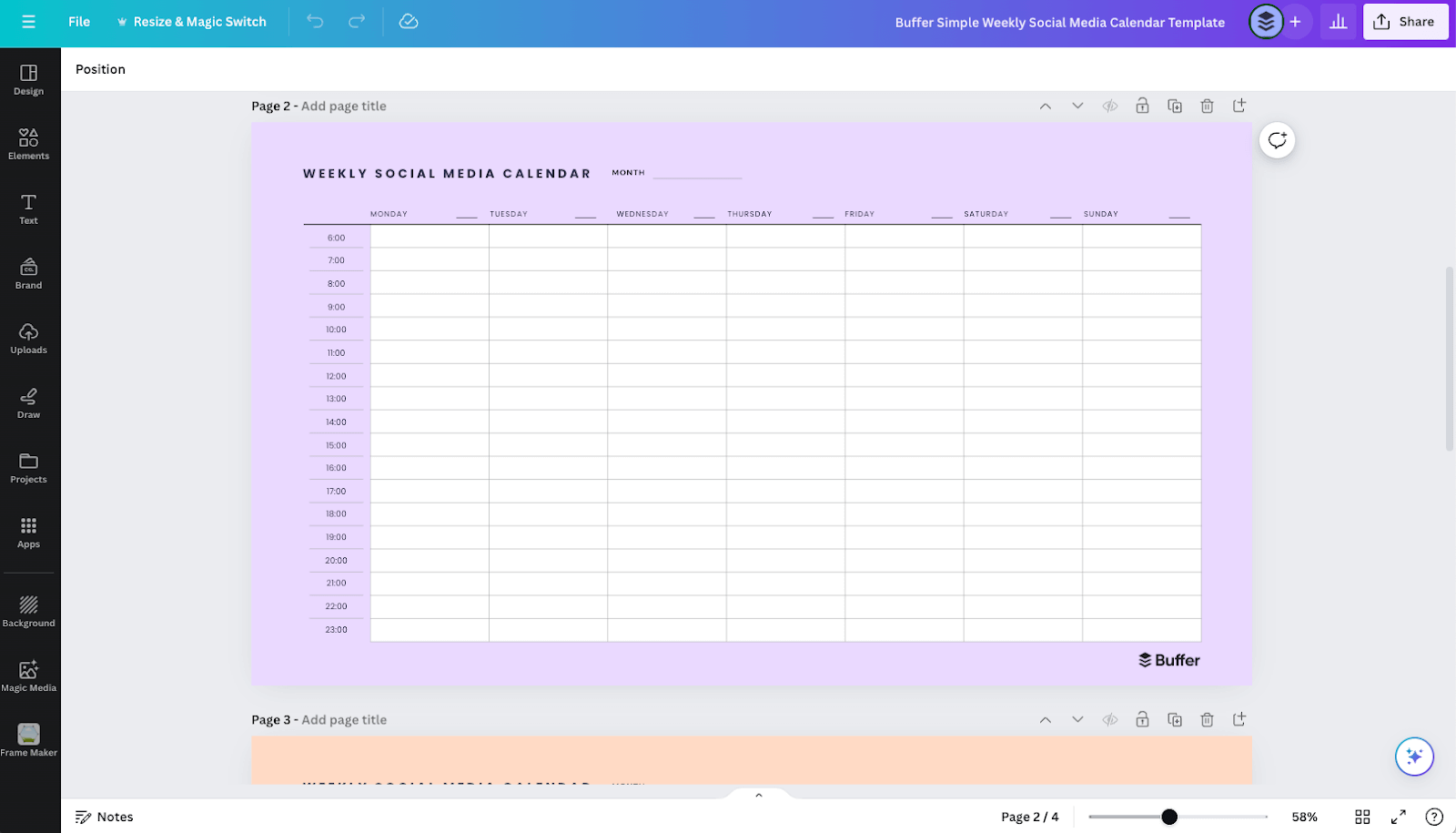
3. Cadence Definition: Consistency is prioritized over frequency. Data consistently shows that a predictable, sustainable schedule of three high-quality posts per week outperforms a sporadic, daily attempt that eventually leads to exhaustion.
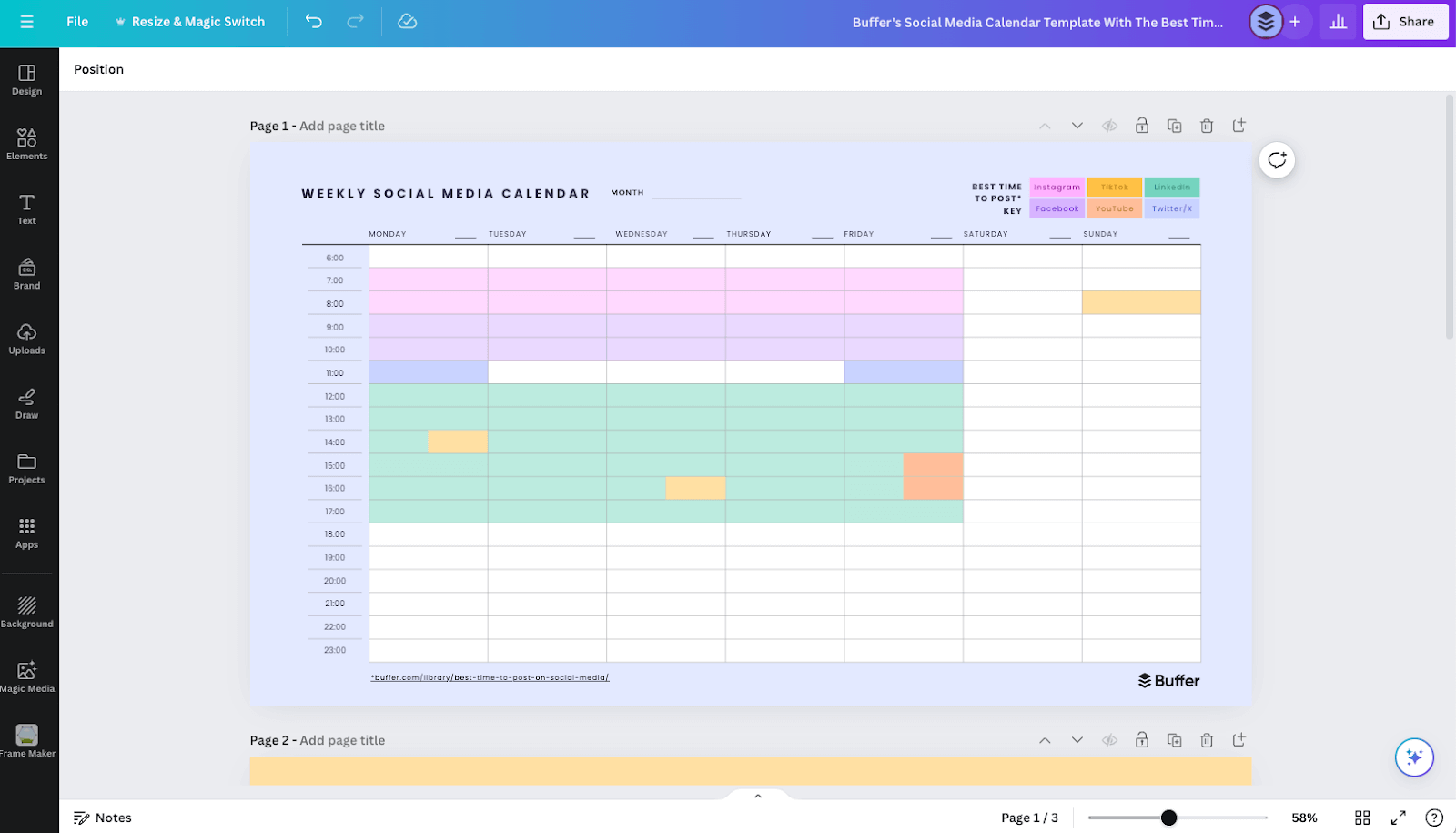
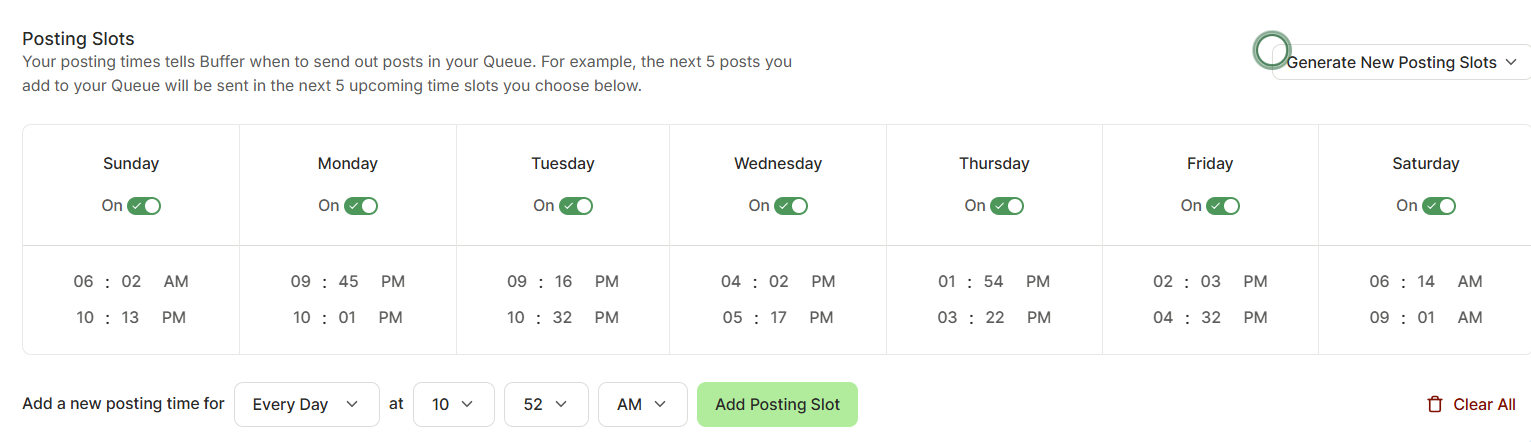
4. Skeleton Scheduling: Establish "posting slots." By assigning specific days and times to certain content pillars, you create a rhythm that your audience can eventually anticipate.
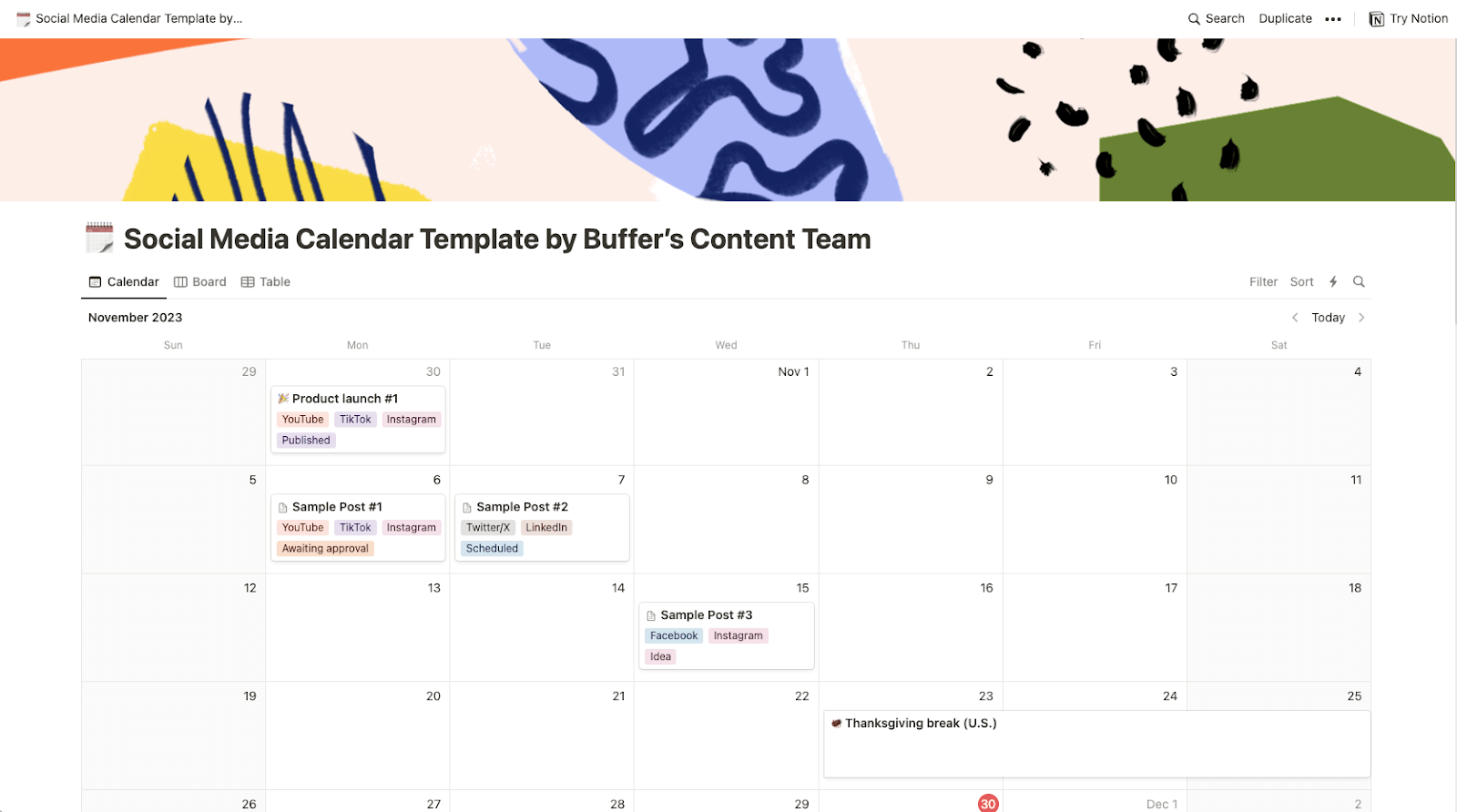
5. Idea Aggregation: Utilize a "holding pen" for raw concepts. Whether it is a notes app, a whiteboard, or a dedicated "Create Space," ensure that ideas are captured immediately, even if they are not yet fully formed.
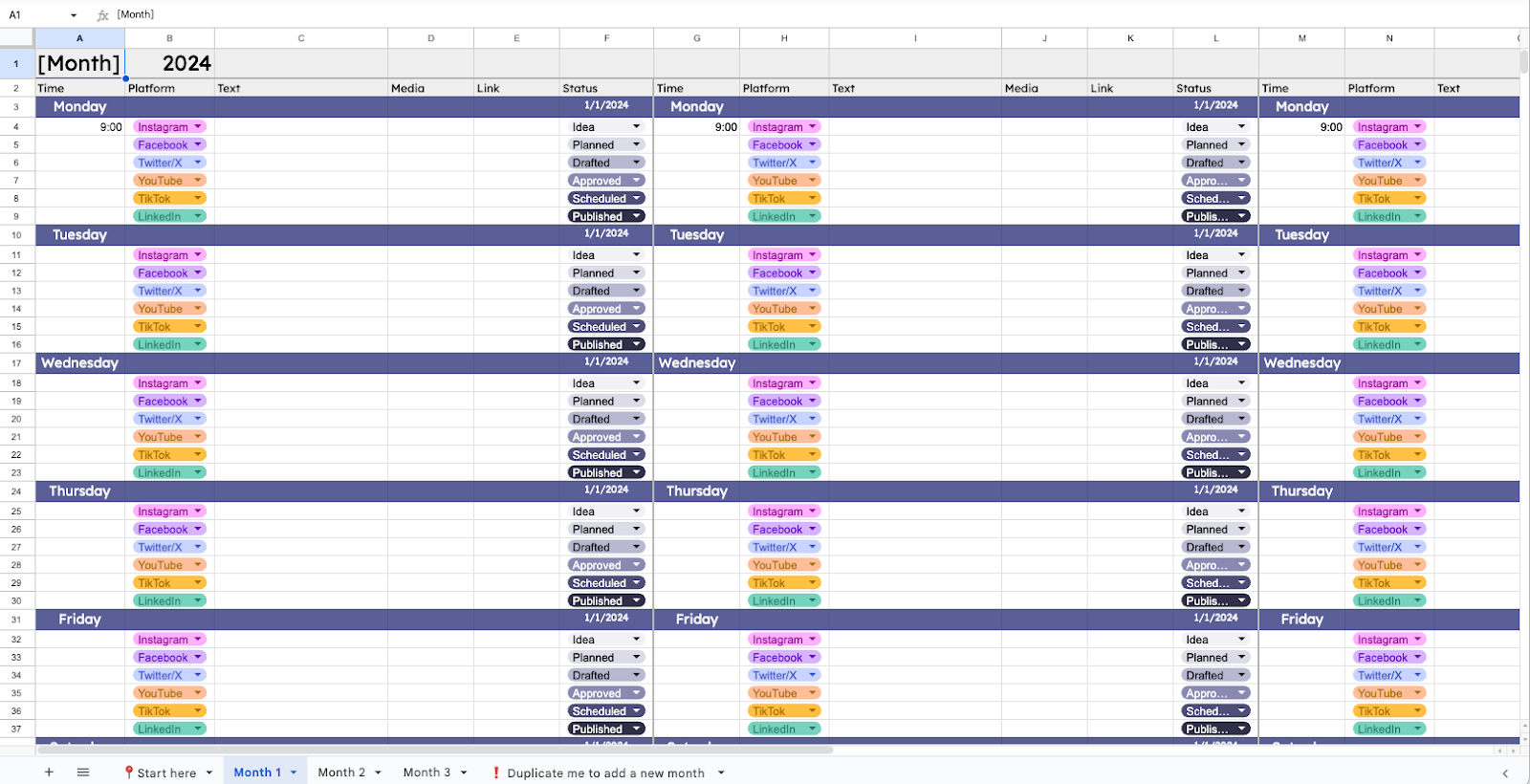
6. Categorization and Tagging: Implement a system of color-coding or tagging. This provides an immediate visual representation of your content mix. Are you posting too many promotional messages? Are you neglecting video? Tags provide the data necessary to answer these questions at a glance.
7. Active Planning: Once the skeleton is built and ideas are collected, commit to a "planning day" each week. This is when raw ideas are refined into polished posts and scheduled into the queue.
8. Iterative Review: Use analytics to refine the process. If a specific format or posting time consistently underperforms, the calendar should be updated to reflect these findings. A calendar is a living document, not a rigid set of instructions.
The Role of Automation and AI
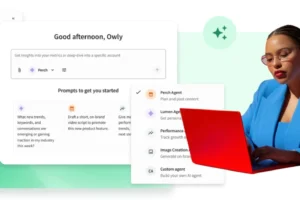
Modern content management is increasingly reliant on AI to bridge the gap between ideation and production. Tools like Buffer now integrate AI assistants to help rewrite captions, generate content ideas, and optimize posting times based on historical performance. This does not replace the human element of strategy but rather handles the administrative burden, allowing the creator to focus on the nuance of brand voice and community engagement.
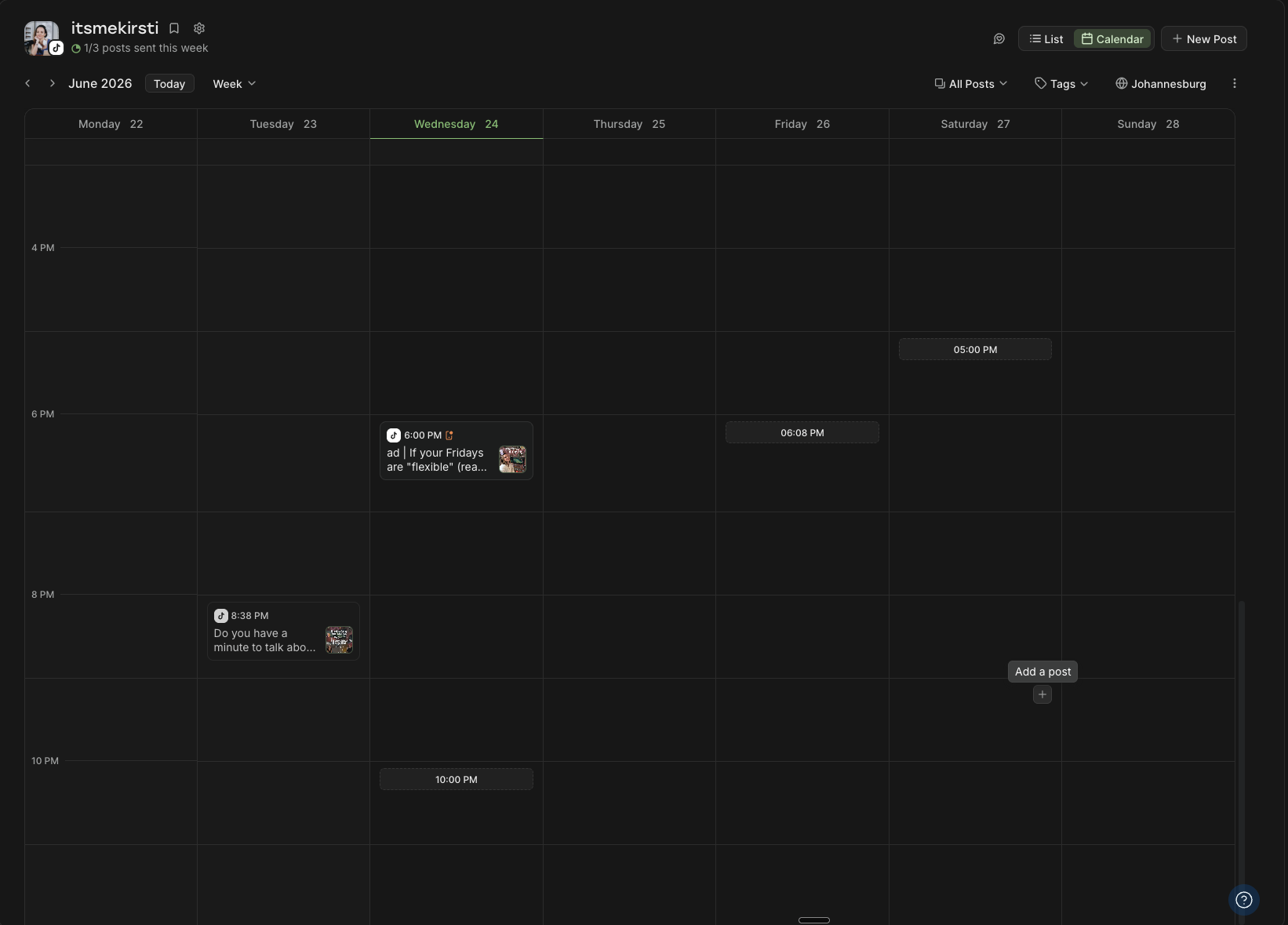
For instance, the "Best Time to Post" research, which involves analyzing millions of data points, provides a statistically significant advantage for brands. By scheduling posts during these identified "sweet spots," organizations can maximize their reach without increasing their total output volume.
Broader Implications for Brand Growth
The transition to a managed social media calendar represents a shift from "posting for the sake of posting" to "posting with purpose." This is particularly critical in an era where platform algorithms prioritize high-engagement, value-driven content. Brands that fail to plan often fall into the trap of producing low-quality filler content during periods of high workload, which can negatively impact long-term reach and audience sentiment.
Furthermore, a documented calendar facilitates better collaboration. For larger teams, a shared calendar ensures that stakeholders—from graphic designers to legal reviewers—are aligned. Approval workflows and shared permissions prevent miscommunications and ensure that every piece of content published is on-brand and compliant.
Conclusion
The evidence is clear: the most successful social media accounts are rarely the result of spontaneous genius; they are the result of meticulous, disciplined planning. By leveraging existing templates and adhering to a consistent, iterative process, individuals and teams can reclaim their time and ensure that their digital output consistently contributes to their overarching business goals. Whether you are a solo entrepreneur or a member of a global marketing department, the first step is to adopt a structure that allows for creativity within the guardrails of a clear, actionable plan.