In today’s hyper-competitive and interconnected global marketplace, businesses face mounting pressure to stand out amidst digital noise. For decades, traditional corporate structures relied on siloed marketing departments—where public relations, digital advertising, social media management, and affiliate programs operated on separate tracks with distinct messaging. However, market research and shifting consumer behaviors have exposed the limitations of this fragmented approach. Enter holistic marketing: a comprehensive business strategy that aligns all internal operations, external campaigns, and brand communications to deliver a unified, consistent message. By integrating every department from human resources and customer service to sales and affiliate operations, companies are discovering that a synchronized brand identity is no longer just a luxury—it is a commercial necessity for sustainable long-term survival.
The evolution of holistic marketing traces its roots back to the late 20th century, when marketing theorists recognized that consumer perception was shaped by every single touchpoint a brand made, rather than just advertisements alone. As e-commerce expanded rapidly through the 2000s and 2010s, the proliferation of digital channels paradoxically created greater fragmentation. Companies began scattering mixed messages across social media, email campaigns, and partner networks, often confusing consumers and eroding brand trust. By the early 2020s, industry analysts began heavily advocating for a return to cohesion. Modern holistic marketing emerged as the definitive solution, formalizing a framework built on three foundational dimensions: internal marketing, relationship marketing, and societal marketing.
To understand how holistic marketing operates in practice, industry experts point to its core internal mechanisms. The first dimension, internal marketing, posits that a company’s employees and service providers are its primary brand ambassadors. Employees cannot effectively sell a product or service they do not understand or genuinely believe in. Consequently, progressive organizations now invest heavily in engaging their internal teams—ranging from website copywriters and HR personnel to customer support staff and affiliate program managers—ensuring they share the company’s vision and core values. When internal stakeholders are motivated and well-informed, they project authenticity outward, creating organic, consistent brand advocacy that traditional advertising money simply cannot buy.

Building upon internal alignment, the second dimension focuses on relationship marketing. Rather than viewing transactions as isolated events, holistic marketing prioritizes the cultivation of long-term, mutually beneficial connections with customers, suppliers, and business partners. In the realm of affiliate marketing, this philosophy has revolutionized how brands recruit and retain partners. Top-tier affiliates—those capable of driving massive conversion volumes—routinely audit a brand’s entire digital ecosystem, evaluating everything from landing page UX to customer service responsiveness before agreeing to promote a product. When a company maintains transparent, supportive relationships with its affiliate network and provides them with standardized creative assets, conversion rates soar and program statistics naturally snowball.
The third dimension, societal marketing, addresses corporate social responsibility and ethical business practices. Modern consumers, particularly younger demographics such as Millennials and Generation Z, increasingly gravitate toward brands that demonstrate a genuine commitment to social causes, environmental sustainability, and ethical governance. When a corporation engages in societal marketing—such as supporting local community events, funding educational programs, or implementing carbon-neutral operations—it accomplishes multiple strategic objectives simultaneously. These initiatives generate positive public relations, provide authentic content for social media channels, build deep consumer trust, and naturally align external partners around a shared ethical mission.
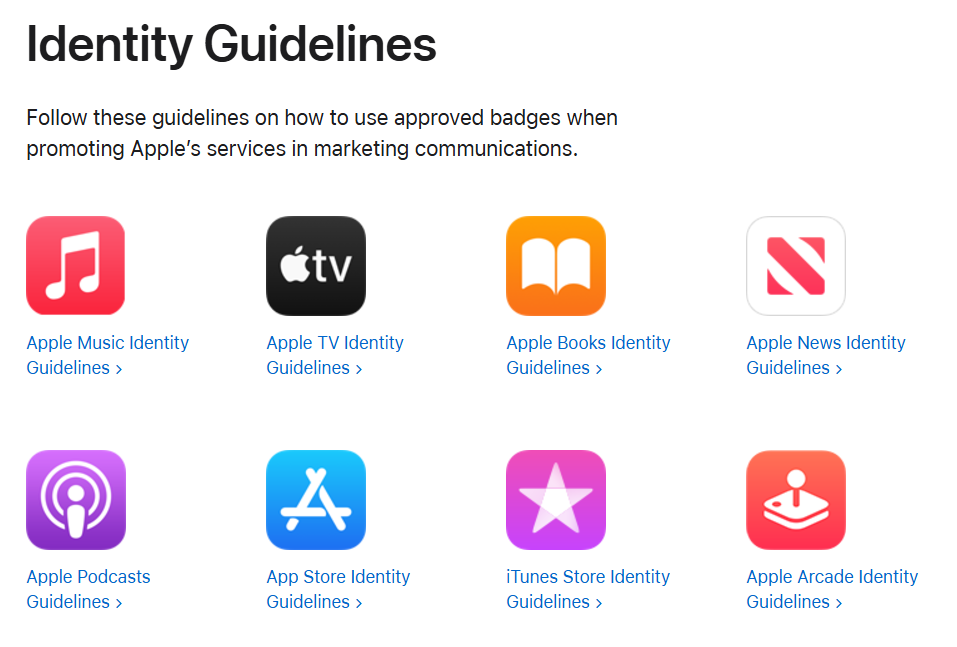
Examining industry leaders reveals the remarkable efficacy of these principles in the real world. Technology behemoth Apple Inc. stands as a premier case study of holistic marketing executed at a global scale. Apple meticulously coordinates every facet of its operations—from hardware design and retail store layouts to comprehensive corporate values encompassing privacy, accessibility, and environmental sustainability. Apple’s internal marketing is evident in its rigorous employee engagement strategies and inclusive workplace initiatives, which directly translate into the empathetic, high-touch customer service experienced in Apple Stores worldwide. Furthermore, the tech giant extends this consistency to its partner networks, such as the Apple Services Performance Partners Program, which equips affiliates with strict guidelines and resources to ensure global brand messaging remains uncompromised across every external touchpoint.
The operational advantages of adopting a holistic marketing strategy are well-documented across recent enterprise data. Organizations that successfully dismantle internal silos and unify their messaging report significant efficiency gains, including optimized resource allocation, eliminated content redundancies, and markedly higher customer lifetime value (LTV). According to digital marketing analytics from recent industry benchmarks, brands maintaining strict cross-channel brand consistency experience up to a 20% increase in revenue compared to those with fragmented messaging. Furthermore, cohesive brand presentations directly reduce customer acquisition costs while driving up retention rates, as buyers navigate a frictionless, predictable journey from initial discovery to post-purchase support.
Looking toward the future, the trajectory of holistic marketing is increasingly intertwined with emerging technologies and shifting consumer expectations. Artificial intelligence and machine learning are rapidly transforming how brands analyze consumer behavior and personalize interactions at scale. However, as automated tools become ubiquitous, the risk of disjointed messaging multiplies if human oversight fails to maintain core brand integrity. Consequently, businesses must leverage data-driven analytics not merely to target ads, but to continuously refine their holistic frameworks, ensuring that AI-generated campaigns strictly reflect the company’s foundational values and unique selling propositions.
The financial and brand equity implications of failing to adopt a holistic approach are severe in a market defined by instant digital scrutiny. When different departments project conflicting values—such as a marketing department promoting luxury while customer service delivers a discount-basement experience—consumer trust fractures immediately. Conversely, enterprises that embrace holistic foundations benefit from enhanced agility, positioning themselves to rapidly adapt to economic shifts, regulatory changes, and evolving consumer demands without sacrificing their core identity.
Ultimately, transitioning to a holistic marketing framework requires a fundamental cultural shift within an organization. It demands robust communication, cross-departmental teamwork, and a leadership commitment to viewing every corporate action as a piece of a larger brand puzzle. Much like an individual consulting multiple medical specialists must ensure all doctors communicate to form a unified health plan, a corporation must synchronize its public relations, digital advertising, affiliate networks, and customer support to ensure optimal commercial health. For modern enterprises seeking survival and prosperity in an era of relentless competition, holistic marketing is not a temporary campaign tactic; it is the definitive blueprint for doing business in the twenty-first century.