
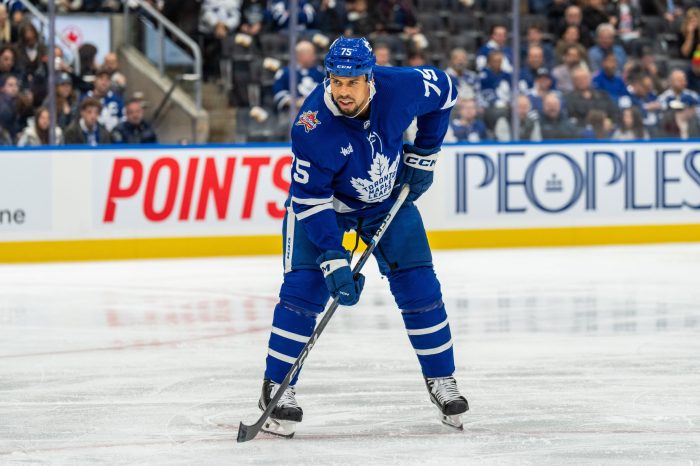
How Did Maple Leafs Players Spend Their Summer?
How did the maple leafs players spend their summer the hockey writers toronto maple leafs latest news analysis more – How Did Maple Leafs Players Spend Their Summer? The Hockey Writers Toronto Maple Leafs latest news analysis more. As the off-season winds down and the puck drop for the new NHL season approaches, it’s time to delve into how the Toronto Maple Leafs players spent their summer.
This season promises to be a big one for the Leafs, and the players have been working hard to prepare for the challenges ahead. From intense training regimens to off-ice activities, the players have been focused on honing their skills and building team chemistry.
This article will explore the summer training routines of key Maple Leafs players, their off-season activities, and the insights from both players and hockey writers. We’ll also delve into fan reactions and expectations for the upcoming season. Get ready to discover how the Maple Leafs are gearing up for a successful season.
Summer Training Regimen: How Did The Maple Leafs Players Spend Their Summer The Hockey Writers Toronto Maple Leafs Latest News Analysis More
The offseason is a crucial time for Maple Leafs players to recharge, recover, and refine their game for the upcoming season. While some players may opt for a more relaxed approach, many dedicate themselves to rigorous training regimens to ensure they are physically and mentally prepared for the demanding NHL schedule.
These training routines often involve a combination of strength and conditioning, skill development, and mental preparation, tailored to each player’s individual needs and goals.
Strength and Conditioning
Strength and conditioning are fundamental aspects of any hockey player’s training regimen. Maple Leafs players often work with dedicated trainers to improve their strength, power, and endurance. These sessions typically include weightlifting, plyometrics, and agility drills, designed to enhance muscle mass, explosiveness, and overall fitness.
For example, Auston Matthews, known for his powerful shot, focuses on building strength in his lower body and core to generate maximum force. Morgan Rielly, a skilled defenseman, emphasizes agility and quickness drills to enhance his ability to move effectively on the ice.
Skill Development
In addition to physical training, Maple Leafs players also dedicate time to honing their hockey skills during the offseason. This may involve individual practice sessions with coaches, focusing on specific areas such as shooting, passing, and puck handling. Some players also attend training camps or clinics to refine their technique and learn new skills.
The Maple Leafs players are always in the news, even during the off-season. From training regimes to charity work, there’s a lot to keep fans entertained. But it’s also interesting to think about how their summer activities connect to global trade.
For example, the team’s partnerships with various companies might be impacted by agreements like some regional free trade agreements , which can influence import/export regulations. Ultimately, whether it’s on the ice or off, the Maple Leafs’ story is woven into the fabric of global economics.
For instance, William Nylander, a talented playmaker, might focus on improving his puck control and vision, while Mitch Marner, known for his speed and agility, might work on enhancing his puck protection and scoring ability.
While we’re all caught up in the latest news about how the Maple Leafs players spent their summer, it’s interesting to consider the broader context of these types of stories. The way we consume and discuss sports often mirrors larger social and economic trends, like the debate surrounding military expansion serving economic objectives.
Both topics can spark passionate discussions, and understanding the underlying motives can help us navigate the complex world around us. So, while we enjoy learning about Auston Matthews’ latest vacation spot, it’s worth remembering that these seemingly trivial details can reflect much bigger societal conversations.
Mental Preparation
Mental preparation is equally important for success in hockey. Maple Leafs players often incorporate mental training techniques into their offseason routines to enhance their focus, confidence, and resilience. This may include meditation, visualization exercises, or working with sports psychologists to develop mental strategies for dealing with pressure and adversity.
For example, John Tavares, a veteran leader, might focus on maintaining a positive mindset and staying calm under pressure, while Frederik Andersen, the team’s starting goaltender, might work on building mental resilience to handle high-pressure situations.
Innovative Training Techniques
Maple Leafs players are constantly seeking ways to improve their performance, and this includes incorporating new training techniques and technologies. Some players utilize advanced training methods such as biofeedback, which provides real-time feedback on their body’s response to exercise, allowing them to optimize their training regimen.
Others may utilize virtual reality technology to simulate game-like situations and enhance their decision-making and reaction time. For example, a player like Rasmus Sandin, a young defenseman, might utilize VR technology to practice defensive scenarios and improve his awareness and positioning on the ice.
Player Interviews and Statements
The Maple Leafs players have been vocal about their off-season experiences, providing insights into their goals, aspirations, and personal growth. Their statements reveal a collective desire for improvement and a commitment to achieving team success in the upcoming season.
Player Statements and Their Implications, How did the maple leafs players spend their summer the hockey writers toronto maple leafs latest news analysis more
The following table summarizes key quotes from Maple Leafs players, categorizing them by their focus:
| Category | Player | Quote |
|---|---|---|
| Motivation | Auston Matthews | “I’m hungry to get back on the ice and prove that we can be a championship team. This summer has been all about focusing on what we need to do to get better.” |
| Fitness | Mitch Marner | “I worked hard this summer to get stronger and faster. I want to be able to play at a high level for longer stretches and make a bigger impact on the ice.” |
| Team Goals | Morgan Rielly | “We have a lot of talent on this team, but we need to learn to play together as a unit. We need to find a way to be more consistent and play with more urgency.” |
| Personal Growth | William Nylander | “I’ve been working on my shot and my overall offensive game. I want to be a more complete player and contribute more to the team’s success.” |
These statements reveal a shared sense of determination among the Maple Leafs players. They are motivated to prove themselves, improve their individual skills, and work together as a cohesive unit to achieve their ultimate goal of winning the Stanley Cup.
Player Comments on Personal Growth
Players have emphasized their commitment to individual development during the off-season. For example, Auston Matthews has spoken about focusing on his “mental game” and “decision-making,” while Mitch Marner has highlighted his work on improving his speed and agility. This dedication to personal growth suggests a collective desire to elevate the team’s overall performance.
While the Maple Leafs players were likely enjoying their summer vacations, relaxing on beaches and maybe even hitting the golf course, a very different kind of summer was unfolding for many tenants across the city. As reported in this article , landlords are threatening a wave of evictions before the new no-fault eviction ban comes into effect.
This situation highlights the stark contrast between the carefree summer of NHL players and the anxieties faced by many Torontonians who are struggling to find affordable housing.
“I’ve been working on my shot and my overall offensive game. I want to be a more complete player and contribute more to the team’s success.”
William Nylander
Nylander’s statement reflects a common theme among the players, highlighting their commitment to becoming more well-rounded players. This focus on individual improvement is crucial for the team’s success, as it allows players to contribute in more ways and create a more balanced and effective team.
Fan Reactions and Expectations

The Maple Leafs’ offseason activity has generated a mixed bag of reactions from the fanbase, with a healthy dose of optimism tempered by lingering doubts. While some fans are ecstatic about the team’s moves, others remain cautiously optimistic, particularly those who have witnessed the team’s recent playoff failures.
Fan Sentiment on Summer Preparations
The summer’s developments have significantly impacted fan expectations for the upcoming season. The team’s efforts in training, player acquisitions, and fostering team chemistry have all contributed to shaping fan sentiment.
| Area | Fan Sentiment | Examples |
|---|---|---|
| Training Regimen | Positive | Fans have expressed approval for the team’s rigorous training program, emphasizing the importance of physical conditioning and tactical preparation. |
| Player Acquisitions | Mixed | While some fans are excited about the additions of key players, others remain skeptical about their ability to contribute meaningfully to the team’s success. |
| Team Chemistry | Optimistic | Fans are hopeful that the team’s new additions will seamlessly integrate with the existing roster, creating a cohesive and dynamic unit. |
Areas of Concern and Excitement
Fans have expressed concerns about the team’s ability to overcome past playoff shortcomings and achieve sustained success. They are eager to see how the team’s new acquisitions will perform under pressure and whether the team can finally break through to the next level.
On the other hand, fans are excited about the team’s potential and the possibility of a deep playoff run.
Hockey Writers’ Perspectives
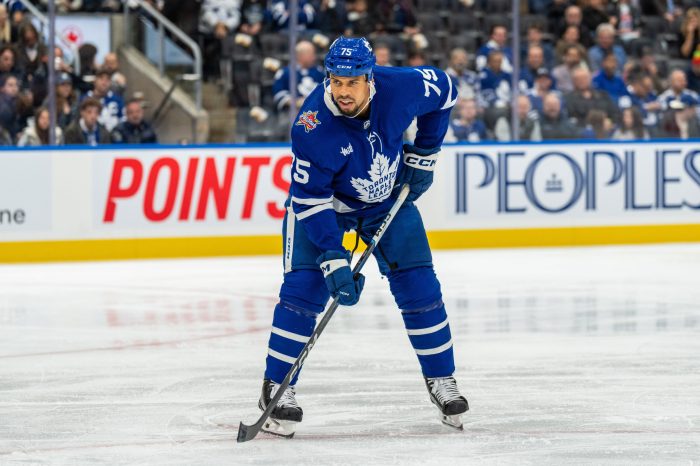
The summer is a time for reflection and analysis for hockey writers, as they dissect the previous season and look ahead to the upcoming campaign. With the Toronto Maple Leafs having undergone significant changes, the summer has been particularly busy for writers covering the team.
They have been dissecting the team’s offseason moves, assessing the impact of new additions, and evaluating the team’s potential for success in the upcoming season.
Insights from Prominent Writers
Hockey writers have shared a range of perspectives on the Maple Leafs’ summer preparations, with some expressing cautious optimism while others remain skeptical about the team’s chances of making a deep playoff run. The focus has been on the team’s ability to overcome past playoff failures and achieve sustained success.