The landscape of corporate communications has shifted into a new era where routine business promotions can trigger national legislative debates, traditional fan loyalty is being replaced by creator-driven culture, and legacy brands are seeking survival through immersive, multi-platform alliances. In a week marked by high-stakes political rhetoric and major industry shifts, three distinct stories have emerged to illustrate the complexities of modern public relations: Olive Garden’s unexpected role in the federal voting rights debate, new research into the evolving nature of Gen Z sports fandom, and a massive strategic partnership between Kraft Heinz and The Walt Disney Company. These developments highlight a common thread in today’s market—the necessity for brands to navigate a world where culture, politics, and consumer experience are inextricably linked.
Corporate Policy as Political Catalyst: The Olive Garden Case Study
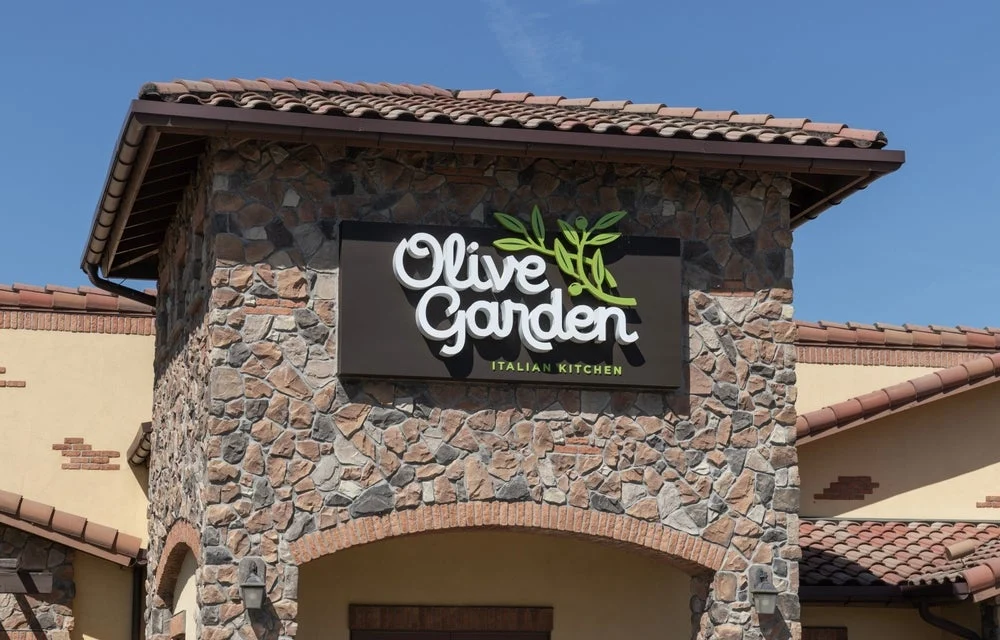
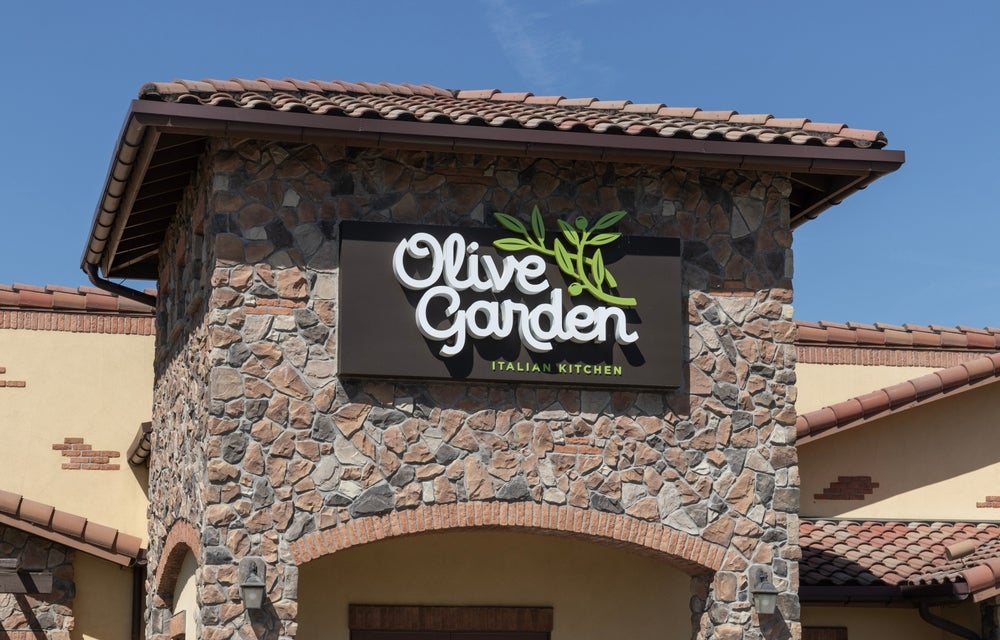
In July 2026, Olive Garden, a subsidiary of Darden Restaurants, found itself at the center of a national firestorm following the revival of its "Never-Ending Pasta Pass." The promotion, which offered 10,000 passholders unlimited pasta for a set period, included a standard security provision: customers were required to present a valid photo ID at the time of ordering to ensure the pass was being used by its rightful owner. While a common practice for high-value promotional items in the hospitality industry, this specific policy was quickly seized upon by proponents of the SAVE America Act (Safeguard American Voter Eligibility Act).
The SAVE America Act, a focal point of recent legislative sessions, seeks to mandate proof of citizenship for federal voter registration and require photo identification at all polling places. Republican lawmakers utilized the Olive Garden policy as a rhetorical tool to argue that if a restaurant can require an ID for a pasta dish, the federal government should certainly require one for the democratic process. The comparison was invoked seven times during a single House committee hearing and was subsequently discussed on the Senate floor and in the White House briefing room within the span of one week.
Contextualizing the Political Rhetoric
The use of Olive Garden as a talking point highlights the growing trend of "political weaponization" of corporate terms of service. However, critics and policy experts have pointed out that the comparison is fundamentally flawed. According to data from the Brennan Center for Justice and various voting rights organizations, the SAVE America Act’s requirements for proof of citizenship—such as birth certificates or passports—are significantly more stringent than a simple photo ID check. Research indicates that millions of Americans do not have immediate access to these documents, a barrier that does not exist when simply presenting a driver’s license for a restaurant promotion.
Democratic lawmakers were quick to challenge the narrative. Representative Jim McGovern of Massachusetts emphasized the distinction between consumer transactions and civil liberties, stating that voting is a constitutional right rather than a commercial "lunch special." Despite the intensity of the debate, Olive Garden maintained a strategy of total silence. The brand did not issue press releases or social media statements regarding the SAVE Act, a move that communication experts suggest was a calculated attempt to avoid alienating any segment of its customer base.
Strategic Implications for Brands
Eric Yaverbaum, CEO of Ericho Communications, noted that this episode serves as a warning for brands operating in a polarized environment. While some companies, such as IKEA or Tommy Hilfiger, have historically benefited from leaning into social or political topics, those moves were usually intentional. In Olive Garden’s case, the brand lost control of its narrative to outside political actors.
"Political brand tie-ins need to be intentional and calculated," Yaverbaum explained. He suggested that while Olive Garden might appreciate the "free mentions" generated by the debate, the lack of a prepared response protocol for such a viral moment can be risky. For modern PR professionals, the takeaway is clear: any policy involving identity verification or access is a potential flashpoint, and brands must weigh the benefits of a viral conversation against the risk of becoming a permanent fixture in a divisive political agenda.
The Cultural Shift in Sports Fandom: Redefining Gen Z Engagement
As corporations navigate political minefields, the sports industry is facing a fundamental shift in how its youngest adult audience engages with its product. New research conducted by the Acceleration Community of Companies (ACC) in partnership with USC Annenberg has revealed that Gen Z is not abandoning sports, but is instead rewriting the rules of fandom. The study, titled "Gen Z Sports Fandom & The Mega-Moment," suggests that traditional drivers of loyalty—such as geographic proximity or family heritage—are being superseded by cultural relevance and creator-driven narratives.
Data Points: A Non-Linear Path to Fandom
The survey, which sampled a nationally representative group of Gen Z adults, found that this demographic often encounters sports through "side doors" rather than the live broadcast. Key findings from the research include:
- Athlete over Team: Gen Z fans are significantly more likely to follow individual athletes than specific teams. Their loyalty moves with the player, driven by the athlete’s personal brand, social media presence, and off-field lifestyle.
- The Role of Creators: Influencers and content creators are often the primary source of sports news and highlights for Gen Z, replacing traditional sports journalism outlets like ESPN or local newspapers.
- Culture-First Discovery: A significant portion of respondents indicated they became interested in a sport due to a non-sporting event, such as a fashion collaboration, a celebrity relationship (e.g., the "Taylor Swift effect" in the NFL), or a viral TikTok trend.
- The "Mega-Moment" Priority: Gen Z is highly attracted to large-scale, culturally saturated events like the World Cup or the Olympics, but their engagement is often focused on the "spectacle" and social conversation rather than the technical aspects of the game.
Monica Chun, President of ACC, noted that for previous generations, the game itself was the "front door" to fandom. For Gen Z, the game is often the "last stop" in a journey that begins with a story, a controversy, or a community interaction.
Preparing for the Global Stage
The timing of this research is critical as the United States prepares to host a series of massive global sporting events, including matches for the FIFA World Cup, Super Bowl LXI in 2027, and the 2028 Olympic and Paralympic Games in Los Angeles. Brands and communicators are being urged to rethink their sponsorship and messaging strategies to align with these non-linear discovery paths.
Michael Nyman, Founder and CEO of ACC, emphasized that PR professionals must acknowledge that audiences no longer follow a predictable path from awareness to engagement. By understanding how Gen Z uses creators and digital communities to filter their interests, brands can build strategies that reflect actual consumer behavior rather than outdated industry assumptions.
Kraft Heinz and Disney: A Blueprint for Experiential Commerce
In a move that combines legacy brand power with modern experiential marketing, Kraft Heinz and The Walt Disney Company have announced a multi-year strategic alliance. This partnership is designed to integrate ten of Kraft Heinz’s most iconic brands—including HEINZ, Kraft Mac & Cheese, and Philadelphia cream cheese—into the vast ecosystem of Disney’s North American operations.
Integration Across Platforms
The alliance is one of the most expansive in recent history, covering multiple touchpoints:
- Physical Presence: New HEINZ condiment stations and custom equipment will be installed across Walt Disney World Resort, Disneyland Resort, and the Disney Cruise Line.
- Media and Streaming: The brands will be featured in integrated marketing campaigns across Disney’s media networks and streaming platforms.
- Event Marketing: The partnership will have a significant presence at major fan events, including a preview at the upcoming D23: The Ultimate Disney Fan Event.
The creative heart of the partnership is the "Together at Last" campaign, developed by the agency Rethink. The campaign focuses on "everyday magic," using Disney-inspired imagery to elevate mundane mealtime moments. Examples include a HEINZ ketchup bottle being lifted in the style of Simba from The Lion King and Kraft Mac & Cheese being eaten with a "dinglehopper" (fork) in reference to The Little Mermaid.
Analysis: Nostalgia and Brand Reinvigoration
The strategic goal for Kraft Heinz is to move beyond the grocery shelf and into the realm of "experiential commerce." By associating its products with the high-emotion, high-memory environment of a Disney vacation, Kraft Heinz aims to solidify its multigenerational equity.
Nicolas Amaya, President of North America at Kraft Heinz, stated that the alliance is about showing up in the "moments that matter most." This sentiment was echoed by Todd Kaplan, CMO of Kraft Heinz, who noted that both companies are central to family memories across generations.
David Edelman, Executive Advisor at Edelman Advisory Service, observed that this partnership is part of a broader trend where legacy brands use immersive experiences to "breathe new life" into decades-old products. For Kraft Heinz, the Disney partnership provides a way to maintain market leadership by building a deeper emotional connection with consumers who are increasingly looking for more than just a functional product.
The Broader Impact: Synthesis of PR Trends
The events surrounding Olive Garden, Gen Z sports fandom, and the Kraft Heinz-Disney alliance point to a unified reality in the mid-2020s communications landscape.
First, the "Olive Garden incident" demonstrates that neutrality is increasingly difficult to maintain. Even a purely business-driven policy can be co-opted by political movements, requiring brands to have sophisticated monitoring and response systems in place.
Second, the shift in Gen Z fandom proves that the "gatekeepers" of information have changed. To reach the next generation of consumers, brands cannot rely on traditional advertising or legacy partnerships alone; they must embed themselves in the creator-led communities where Gen Z actually spends its time.
Finally, the Kraft Heinz and Disney alliance shows that for legacy brands to survive, they must evolve from being "products" to being "participants" in culture. Whether through nostalgic storytelling or immersive physical experiences, the goal is to create a brand presence that is inseparable from the consumer’s most cherished experiences.
As the industry moves forward, the success of a brand will likely be determined by its ability to navigate these three pillars: managing political volatility, adapting to cultural shifts in audience behavior, and creating meaningful, experiential connections that transcend the point of sale. In this environment, the role of the PR professional has expanded from simple message management to the complex orchestration of cultural relevance.