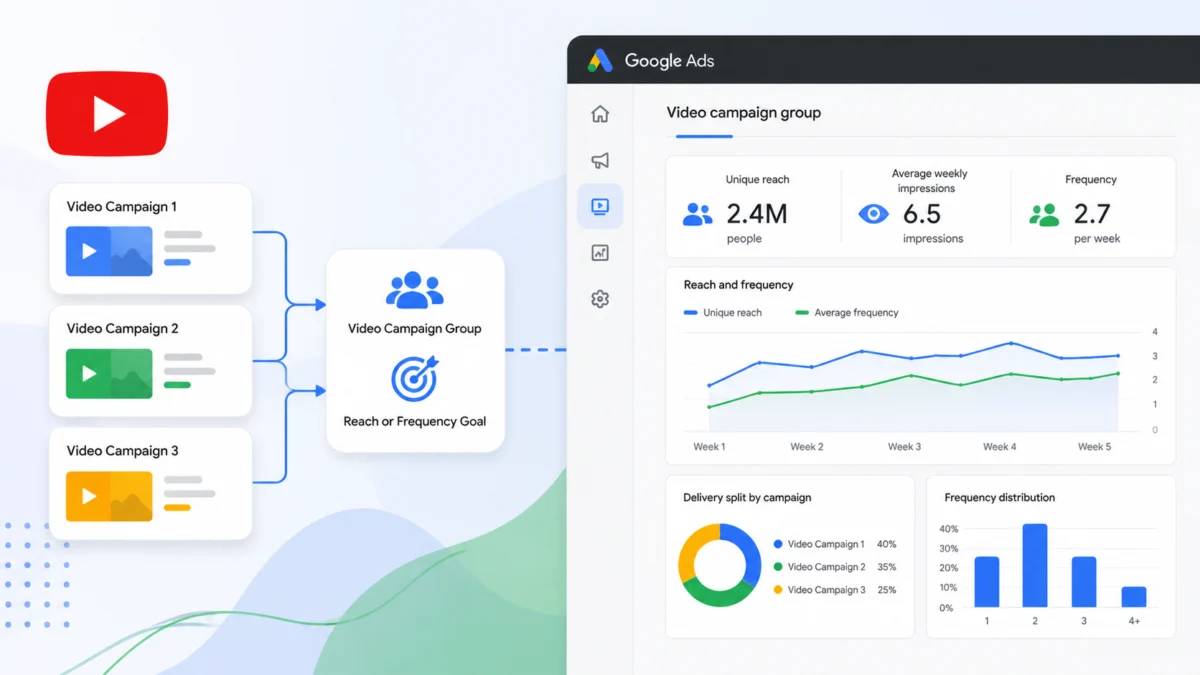
The core of this innovation lies in its ability to simplify what has historically been a complex and often manual process for digital marketers. By allowing advertisers to group various video campaigns under a single overarching reach or frequency goal, Google Ads is directly addressing challenges related to audience saturation and under-exposure. This sophisticated feature is engineered to ensure that an advertiser’s message reaches the intended audience effectively, without the pitfalls of repetitive impressions that can lead to ad fatigue, or conversely, insufficient exposure that fails to build brand recall.
The Genesis of a Streamlined Approach: Addressing Advertiser Challenges
Before the introduction of video campaign groups, advertisers managing extensive YouTube campaigns faced a demanding task. The optimization of reach and frequency often necessitated a campaign-by-campaign monitoring approach, requiring meticulous manual adjustments to budgets, targeting, and creative rotations to prevent audience overlap or gaps. This siloed management could lead to inefficiencies, including wasted ad spend on audiences already saturated with a brand’s message, or missed opportunities to engage unique viewers. Marketers had to constantly balance the desire for broad visibility with the need to avoid over-serving ads to the same individuals, a delicate equilibrium that consumed considerable time and resources.
The digital advertising landscape has grown exponentially in complexity, with an ever-increasing array of targeting options, ad formats, and platforms. YouTube, as the world’s largest video-sharing platform and a critical component of Google’s advertising network, processes billions of views daily, offering unparalleled reach. However, harnessing this scale effectively requires tools that can manage the intricacies of modern media planning. Advertisers, particularly those running large-scale branding or awareness campaigns, have long sought more integrated solutions to manage their video inventory across diverse campaign objectives without sacrificing granular control. This new feature emerges as a direct response to these persistent demands, providing a cohesive framework for orchestrating complex video strategies.
Unpacking the "What’s New": Global Availability and Core Functionality
Video campaign groups for YouTube reach and frequency campaigns are now globally available within the Google Ads interface, indicating Google’s commitment to providing this capability to its vast advertiser base worldwide. This widespread rollout ensures that businesses of all sizes, from multinational corporations to local enterprises, can leverage the benefits of this integrated management system.
The fundamental capability allows advertisers to bundle multiple video campaigns, each potentially with its unique creative assets, budget allocations, and specific targeting parameters, under a singular, overarching reach or frequency objective. This means that while individual campaigns retain their distinct identities and controls, their collective delivery is orchestrated to achieve a shared strategic goal. For instance, a brand might have several video campaigns running concurrently, each targeting a slightly different demographic or using a unique creative angle. With campaign groups, Google Ads can now intelligently distribute impressions across these campaigns to ensure that the total desired reach is achieved efficiently, or that a specific frequency cap is maintained across the combined set of campaigns for each individual viewer.
Crucially, this update also introduces unified reporting across all grouped campaigns. Previously, advertisers would need to aggregate data from individual campaigns to get a holistic view of their reach and frequency performance. The new consolidated reporting mechanism provides immediate, comprehensive visibility into key metrics, allowing for quicker insights and more agile decision-making. While the specific metrics were not detailed in the original brief, it can be logically inferred that these would include critical performance indicators such as total unique reach, average frequency per user, impression distribution, and potentially overlap analysis across campaigns, offering a much clearer picture of overall campaign efficacy. This centralized data visualization significantly reduces the analytical overhead for marketing teams, enabling them to focus more on strategic insights rather than data compilation.
The Science of Optimal Frequency: Data-Driven Insights
Google has consistently emphasized the importance of data-driven decisions in advertising. The introduction of video campaign groups is underpinned by research highlighting the critical role of optimal ad frequency in maximizing return on investment (ROI). The original article references a Meridian marketing mix modeling (MMM) study which found that an optimal frequency of 2.7 impressions per week resulted in a notable 19% increase in ROI.
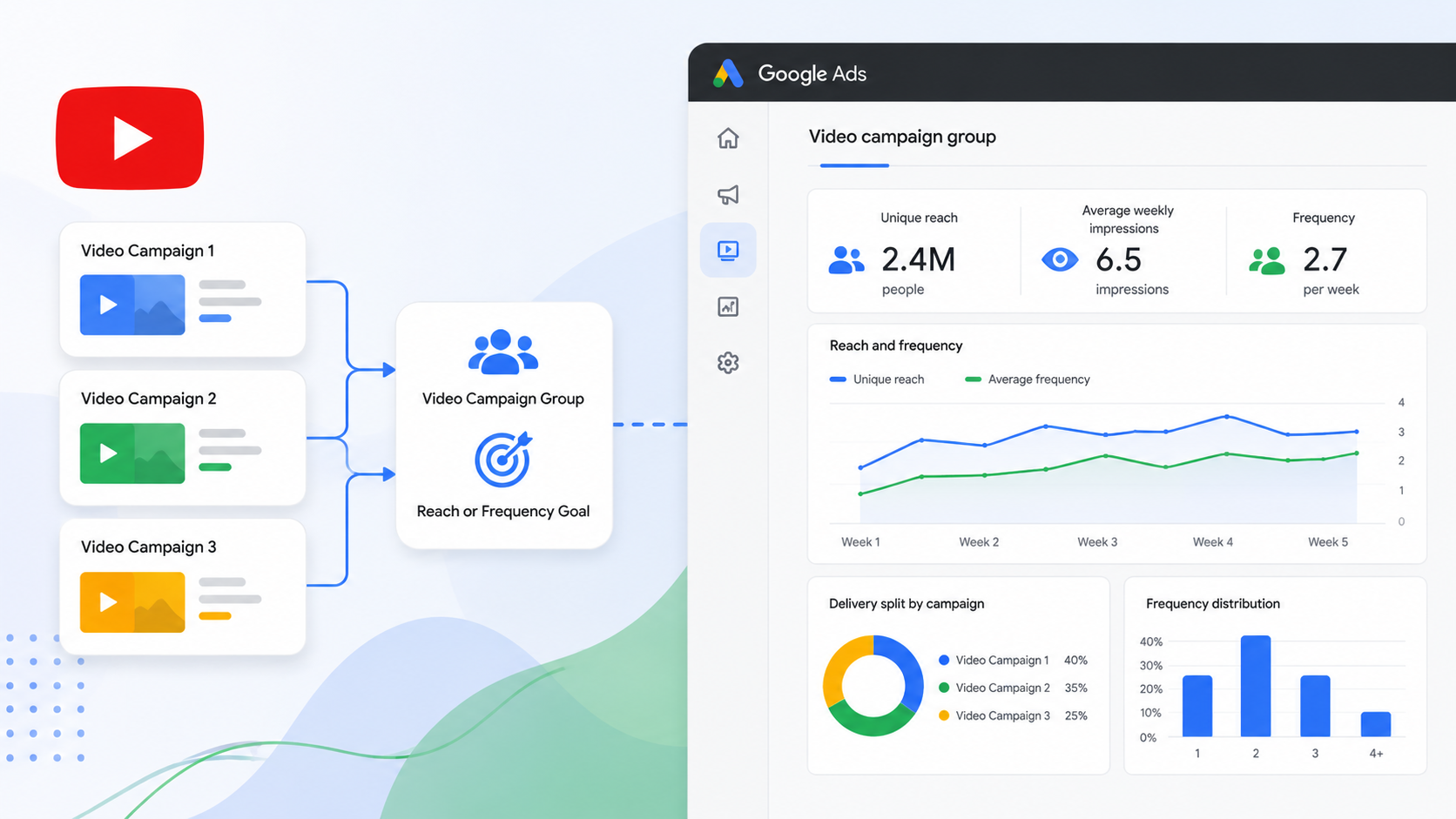
This finding is highly significant. It underscores that there is a "sweet spot" for ad exposure—too few impressions might mean the message doesn’t stick, while too many can lead to irritation and diminishing returns. The concept of frequency optimization is a cornerstone of effective media planning. Over-serving ads not only wastes budget but can also damage brand perception, leading to negative sentiment or ad blindness. Conversely, under-serving ads means the advertising investment may not be enough to penetrate the audience’s consciousness and drive desired actions.
By automating the management of frequency across multiple campaigns, Google Ads helps advertisers adhere more closely to this optimal range. The system can dynamically adjust impression delivery to ensure that the collective exposure for a user across all grouped campaigns aligns with the set frequency target, thereby maximizing the likelihood of a positive ROI as suggested by the Meridian study. This intelligent distribution of impressions across various touchpoints and creatives within the group ensures that the brand message resonates effectively without becoming intrusive.
Operational Impact and Workflow Streamlining
The immediate beneficiaries of this feature are advertising agencies and in-house marketing teams that manage complex and multi-faceted video campaigns on YouTube. The previous necessity for manual, granular control across numerous campaigns often led to significant operational overhead. With video campaign groups, this burden is substantially alleviated. Campaign managers can now set a macro-level objective for reach or frequency, trusting the Google Ads system to coordinate the micro-level delivery across individual campaigns.
This shift allows marketing professionals to allocate more time to strategic thinking, creative development, and deeper audience analysis, rather than being bogged down by tactical adjustments and monitoring. For example, a brand launching a new product might run several video campaigns targeting different stages of the customer journey (awareness, consideration, conversion). With campaign groups, they can ensure that a potential customer sees a balanced sequence of these ads without being overwhelmed by a single type of message, all while maintaining an overall optimal frequency. This streamlining directly contributes to higher productivity and more efficient resource allocation within marketing departments.
Furthermore, the ability to maintain campaign-level controls—including distinct budgets, creative assets, and specific targeting settings—within a grouped objective is a crucial design choice. It prevents the system from becoming a black box, offering advertisers the best of both worlds: centralized optimization for overarching goals coupled with the flexibility to fine-tune individual campaign elements. This ensures that creative messaging remains agile and tailored, while the delivery mechanism is optimized for broader strategic impact.
Broader Strategic Implications for Brands
The introduction of video campaign groups has profound strategic implications for brands seeking to maximize their presence on YouTube. For brands running large-scale awareness campaigns, this feature represents a significant leap forward in media efficiency. By reducing unnecessary overlap in audience exposure across campaigns, advertisers can achieve a higher unique reach with the same budget, or maintain their reach with reduced expenditure. This directly translates into more bang for their buck, a critical consideration in today’s competitive advertising environment.
Moreover, the enhanced control over frequency contributes to a better user experience. Audiences are increasingly sensitive to ad fatigue, and brands that respect user attention by delivering relevant messages at an optimal cadence are more likely to foster positive brand perception. This capability helps brands avoid the common pitfall of being perceived as overly aggressive or intrusive, thereby safeguarding brand equity.
From a data perspective, unified reporting allows for more comprehensive performance analysis. Marketers can identify patterns and insights that might have been obscured when reviewing campaigns in isolation. This holistic view enables better attribution modeling and a deeper understanding of how different creative assets and targeting strategies contribute to the overall reach and frequency goals. Such insights are invaluable for refining future campaign strategies and optimizing media spend across the entire marketing funnel.
The Future Outlook: Expanding Across Google’s Ecosystem
Google’s commitment to cross-campaign optimization is evident not only in the current rollout but also in its stated future plans. The company has confirmed that the video campaign group feature will expand to Display & Video 360 (DV360) in the near future. This is a crucial development for enterprise-level advertisers who rely on DV360 for programmatic buying and advanced media management across a vast array of inventory, including YouTube.
The integration into DV360 will allow advertisers to coordinate reach and frequency across multiple YouTube line items within the programmatic platform. This will provide an even more sophisticated layer of control and optimization, bringing the benefits of campaign grouping to a broader, more complex media buying environment. This strategic expansion signals Google’s long-term vision to create a more unified and intelligent advertising ecosystem, where campaign objectives can be managed holistically across different platforms and ad products. This move positions Google as a leader in offering integrated solutions for complex media planning, further cementing YouTube’s role as a cornerstone for video advertising strategies.
Industry Context and Competitive Landscape
The release of video campaign groups comes at a time when digital video advertising continues its robust growth trajectory. According to Statista, digital video ad spending worldwide is projected to reach approximately $135 billion in 2024 and continue to grow significantly in the coming years. YouTube, with its massive global audience and diverse content library, remains a dominant force in this market. As advertising budgets increasingly shift towards video, the demand for sophisticated tools that can manage the intricacies of video campaigns efficiently becomes paramount.
Competitors in the digital advertising space, including social media platforms and other ad networks, are also continuously innovating to offer better campaign management and optimization tools. Google’s introduction of video campaign groups can be seen as a strategic move to maintain and enhance its competitive edge, offering a feature that directly addresses a critical pain point for advertisers. By providing a more streamlined, intelligent, and data-driven approach to reach and frequency optimization, Google strengthens its value proposition, particularly for large brands and agencies that require advanced capabilities to manage their extensive video ad spend.
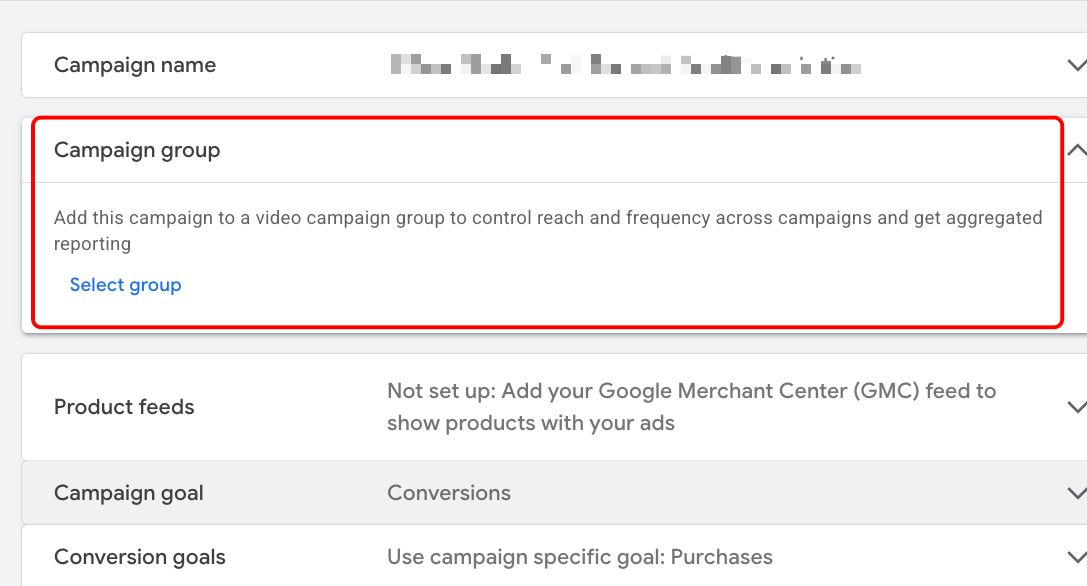
The initial observation of this update by Paid Search Expert Arpan Banerjee, who shared a screenshot, highlights the keen interest and constant vigilance within the digital marketing community for such platform enhancements. Such early sightings often precede official announcements, underscoring the rapid pace of innovation in the ad tech sector.
Conclusion: A Centralized Hub for Video Advertising Success
In essence, video campaign groups represent a significant evolution in how advertisers can manage their YouTube reach and frequency campaigns. By providing a centralized mechanism to optimize delivery across multiple campaigns, Google Ads is not merely introducing a new feature; it is reshaping the operational workflow for many marketing professionals. The potential for improved media efficiency, reduced manual effort, and enhanced audience experience through optimal ad frequency makes this update a critical development. It empowers advertisers to focus on strategic outcomes rather than tactical minutiae, ultimately driving greater ROI from their video advertising investments on YouTube. As the digital advertising landscape continues to evolve, such innovations are crucial for advertisers seeking to maximize their impact and navigate the complexities of reaching engaged audiences effectively.