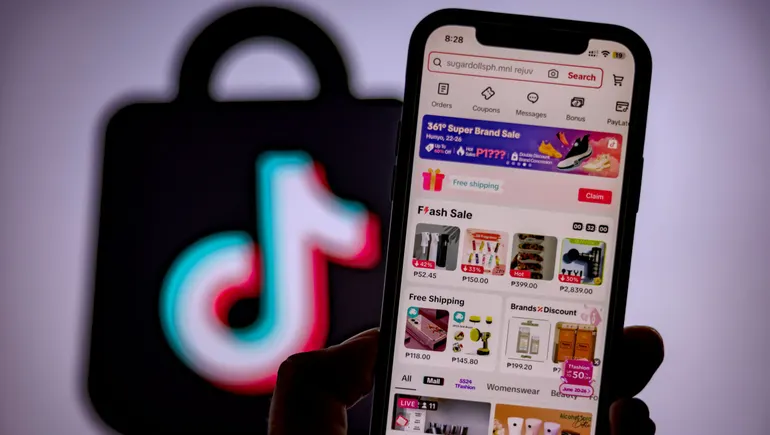
The burgeoning in-app shopping system offered by TikTok, TikTok Shop, is rapidly establishing itself as a pivotal new frontier for the food and beverage industry, with major global brands including PepsiCo, Mars, and Hershey significantly increasing their engagement with the popular social media platform. This shift signals a profound evolution in how consumer packaged goods (CPG) companies approach sales, marketing, and product development, driven by the platform’s unique blend of content and commerce. According to internal company data, TikTok Shop’s food category sales have more than doubled year over year, positioning it as an increasingly lucrative and essential growth channel for food manufacturers seeking to connect directly with consumers in an interactive and dynamic environment. Beyond direct sales, companies are leveraging the platform to inform their innovation strategies, enabling them to rapidly respond to emerging internet trends, from viral sensations like "Dubai chocolate" to the widespread popularity of freeze-dried candies.
The dramatic growth within the food sector on TikTok Shop is indicative of a broader acceleration in what the platform terms “discovery commerce.” This paradigm emphasizes spontaneous purchasing driven by engaging content rather than traditional search-based shopping. In 2023, the platform recorded over 103 billion searches from U.S. users explicitly intending to purchase something, a figure provided by a company spokesperson. Total transaction volume on TikTok Shop saw an impressive nearly 80% year-over-year increase, with enterprise brand sales climbing by an even more remarkable 97%. These statistics underscore the platform’s burgeoning influence in the e-commerce landscape and its specific resonance within the fast-moving CPG sector.
The Rise of Social Commerce and TikTok’s Entry
Social commerce, the act of buying and selling products directly within social media platforms, has been steadily gaining traction globally, fueled by the omnipresence of smartphones and the increasing integration of shopping functionalities into everyday digital interactions. While platforms like Instagram and Facebook have experimented with in-app shopping for years, TikTok’s unique algorithm-driven "For You Page" (FYP) and its emphasis on short-form video content have created an unparalleled environment for organic product discovery.
TikTok officially launched its integrated shopping feature, TikTok Shop, in the United States in September 2023, building upon successful rollouts in Southeast Asian markets. This move transformed TikTok from a mere marketing channel into a full-fledged e-commerce ecosystem, allowing users to discover products, watch live shopping streams, and complete purchases without ever leaving the app. The platform’s immense global user base, exceeding one billion active users, presents an irresistible opportunity for brands to reach vast, diverse, and highly engaged audiences. For the food and beverage industry, which thrives on visual appeal, immediate gratification, and trending concepts, TikTok’s format proved to be a natural fit.
Food and Beverage Brands Embrace the Platform
The engagement from established CPG giants like PepsiCo, Mars, and Hershey signals a critical turning point. These companies, traditionally reliant on extensive retail distribution networks and mass marketing campaigns, are recognizing TikTok Shop’s potential to complement their existing strategies and unlock new avenues for growth. Their participation validates the platform as a serious commercial channel, not merely a fleeting trend.
Amanda Parker, TikTok Shop’s head of food, elaborated on the platform’s role in the CPG food and beverage industry in a recent interview. She describes TikTok Shop as a "discovery platform driven by content — a combination of content and commerce." This integration shortens the path to purchase dramatically, allowing consumers to go from inspiration to transaction seamlessly. For an emerging brand, TikTok Shop offers a direct route to consumer trial, potentially lowering the barrier to entry by reducing the immediate need for traditional retail partnerships. Conversely, legacy brands can tap into new demographics and reinvigorate interest in existing products by showcasing them in novel, trend-aligned ways. The platform also serves as an ideal launchpad for product innovations or exclusive offerings, leveraging its immediate reach and viral potential.
Redefining Innovation Cycles in the Food Sector
One of the most profound impacts of TikTok Shop, as highlighted by Parker, is its ability to accelerate product innovation cycles. Traditional CPG innovation can be a lengthy process, often taking months or even years from concept to market. TikTok, however, compresses this timeline dramatically. Parker points to the example of "popped candies," a trend that originated organically through user-generated content. Early adopters and TikTok-native brands quickly commercialized this concept. Crucially, established players like Skittles then innovated on this trend, launching their own version on an accelerated timeline, often as an exclusive offering on TikTok Shop – precisely where the trend had gained momentum.
This "content trend to quick commercialization to longer-term product development" cycle is fundamentally reshaping how food and beverage brands approach research and development, market testing, and line extensions. The feedback loop is almost instantaneous, allowing brands to gauge consumer interest, adapt, and scale production with unprecedented speed. Retailers, keenly observing these shifts, are increasingly looking to TikTok for insights into what products are gaining traction, further embedding the platform into the broader industry’s decision-making processes.
The Power of Discovery Commerce and Visually Compelling Products
The success of products on TikTok Shop is heavily tied to their visual appeal and ability to generate engaging content. As Parker noted, "We’re a visual medium, so products that work well tend to be visually compelling — everything from packaging to usage occasions." Products that can be easily demonstrated, elicit strong reactions, or feature unique textures or forms tend to thrive. Examples include the aforementioned "candy salad" and "Dubai chocolate," which are inherently shareable and visually interesting. Extreme flavors (super spicy, super sour) also perform well because they provoke strong, entertaining reactions on camera, which are ideal for viral video content.
Beyond novelty, functional foods and beverages, whose benefits can be clearly articulated and demonstrated by creators, also find success. The underlying principle is simple: products that "stop your scroll" are the ones that capture attention and drive purchases. This emphasis on visual storytelling and immediate engagement underscores the platform’s unique content-driven nature, differentiating it from traditional e-commerce sites where search intent is typically higher.
Strategic Engagement: Advice for Brands
For brands looking to maximize their potential on TikTok Shop, several strategic considerations are paramount:
- Content-Forward Product Selection: Prioritize visually appealing products that are easy for creators to demonstrate and inherently interesting. The content drives the commerce.
- Agility and Preparedness: The platform is dynamic. Brands must be ready to move quickly to capitalize on trends or unexpected virality. While predicting virality is impossible, preparing for it – with adequate inventory and responsive marketing – is crucial.
- Patience and Persistence: Gaining traction takes time. Consistent effort in content creation and community engagement is key to building a sustainable presence.
- Leverage for Feedback: TikTok Shop offers a rapid feedback loop, allowing brands to gather direct insights from their community on new products or variations. This is invaluable for iterative product development.
- Omnichannel Halo Effect: Investment in TikTok Shop should not be viewed in isolation. The brand visibility, consumer engagement, and trend validation generated on the platform often create a "halo effect," positively impacting sales and brand perception across other retail channels and the broader omnichannel business.
- Authentic Creator-Led Content: Across the board, authentic, direct-relationship content from individual creators consistently outperforms traditional, highly polished advertising. Users trust creator recommendations, viewing them as genuine endorsements rather than advertisements. Brands should prioritize collaborations with creators whose style resonates with their audience.
- Strategic Assortment: The most successful brands often feature a "hero product" supported by variety packs and bundles. Variety packs encourage discovery and trial, allowing consumers to explore different flavors or product types. Additionally, leveraging "tentpole moments" – seasonal products, limited-time offers, or holiday-themed bundles – creates spikes in engagement and sales, complementing always-on product offerings.
- Avoid Channel Silos: A common pitfall is treating TikTok Shop as entirely separate from the broader TikTok platform or other e-commerce channels. Instead, brands should view it as an integrated part of their overall digital strategy. Content strategies for the main TikTok platform should feed into Shop, and vice versa. An investment in one area often cascades throughout the entire business, making a holistic approach essential.
Broader Industry Implications
The rise of TikTok Shop carries significant implications for the wider food and beverage industry:
- Disruption of Traditional Retail: While not replacing traditional grocery stores, TikTok Shop presents a powerful direct-to-consumer (DTC) alternative that could shift consumer purchasing habits, particularly for impulse buys, trendy items, and niche products. Retailers are now more incentivized to monitor social media trends and adapt their inventory to compete.
- Evolution of Marketing Spend: CPG brands may reallocate portions of their marketing and advertising budgets towards creator partnerships and in-app commerce initiatives, recognizing the higher ROI and direct conversion potential of social commerce.
- Data and Personalization: TikTok’s sophisticated algorithm provides brands with unparalleled data on consumer preferences, trends, and purchasing behaviors. This data can inform product development, marketing campaigns, and even supply chain optimization, leading to highly personalized consumer experiences.
- Democratization of Entry: For smaller, independent food brands and startups, TikTok Shop lowers the barrier to entry, allowing them to compete with established players by leveraging compelling content and direct consumer engagement, bypassing traditional gatekeepers and expensive retail shelf space.
- New Talent and Skill Sets: The emphasis on content creation, creator management, and rapid trend response necessitates new skill sets within CPG marketing and product development teams, fostering a more agile and digitally native workforce.
Challenges and Future Outlook
Despite its rapid ascent, TikTok Shop is not without its challenges. Brands must navigate a constantly evolving algorithm, manage logistics for direct shipping, and ensure compliance with various e-commerce regulations. Maintaining authenticity in creator partnerships while driving sales also requires a delicate balance. Furthermore, as the platform matures, competition will intensify, requiring brands to continually innovate their content and product offerings.
However, the trajectory of social commerce, particularly within the food and beverage sector on platforms like TikTok Shop, appears set for continued growth. The seamless integration of entertainment, discovery, and purchasing aligns perfectly with modern consumer behavior, especially among younger demographics. As TikTok continues to refine its shopping features and expand its merchant ecosystem, its role as a transformative force in how food companies connect with consumers, develop products, and drive sales will only become more pronounced, fundamentally reshaping the future of the CPG landscape.