Choosing the right topic for a blog post is not merely a preliminary step in content creation; it is a foundational pillar that dictates reader engagement, search engine visibility, and ultimately, the long-term success of any digital publication. Rushing this critical decision can lead to significant inefficiencies, wasting valuable time and resources for content creators while failing to deliver value to the intended audience. Instead, a deliberate, analytical approach—often described as "marinating" or "molding" ideas—transforms initial concepts into compelling narratives that resonate deeply with readers. This strategic refinement process ensures that each piece of content serves a clear purpose, aligns with audience needs, and contributes to broader content marketing objectives.
The Evolving Landscape of Content Creation
Blogging, once primarily a platform for personal journals and informal commentary, has evolved into a sophisticated cornerstone of digital marketing and information dissemination. The early 2000s saw a surge in individual bloggers sharing passions and opinions, but by the 2010s, businesses and media organizations recognized the immense potential of content as a driver for engagement, brand building, and lead generation. This transformation ushered in an era where quantity alone was no longer sufficient; quality, relevance, and strategic intent became paramount. The digital ecosystem is now saturated with information, creating an intense competition for audience attention. Consequently, a blog post must cut through the noise by offering genuine value, unique perspectives, or authoritative insights, all of which stem from a meticulously chosen topic.
The shift towards a more strategic approach is not anecdotal. Industry reports consistently highlight the increasing investment in content marketing, with studies by institutions like the Content Marketing Institute revealing that a significant majority of marketers prioritize content as a core strategy. This environment necessitates that content creators move beyond superficial topic generation to a process that integrates audience understanding, keyword research, competitive analysis, and an unwavering focus on delivering measurable outcomes. The initial spark of an idea, while valuable, often requires extensive shaping—a process akin to a sculptor refining raw material—to achieve its full potential and truly captivate an audience.
The Art and Science of Topic Ideation and Refinement
The "marination" of ideas, as championed by experienced content strategists, transforms a nascent concept into a robust, engaging blog post topic. This process marries creative intuition with data-driven validation, ensuring that content is both inspiring and strategically sound.

Initial Brainstorming and Discovery
Topic ideation begins with a broad exploration of potential areas. This phase draws heavily on several sources:
- Personal Interests and Expertise: Authentic passion and deep knowledge in a subject area often yield the most compelling content. What questions do you frequently answer? What challenges have you overcome? What unique insights do you possess?
- Audience Feedback and Engagement: Direct interaction with the target audience through comments, social media discussions, forum participation, and direct surveys can reveal pressing questions, pain points, and unmet information needs. Analyzing what topics spark the most conversation or garner the most shares provides invaluable clues.
- Competitor Analysis: Examining what topics successful competitors are covering—and more importantly, what they are not covering or what they are addressing inadequately—can expose content gaps and opportunities for differentiation. Tools for competitive analysis allow for monitoring popular posts, keyword rankings, and audience reactions on rival platforms.
- Industry Trends and News: Staying abreast of current events, emerging technologies, regulatory changes, and evolving consumer behaviors within a niche can provide timely and relevant topics that attract immediate attention. However, these often require a unique angle to avoid merely replicating existing news.
Data-Driven Validation and Keyword Research
Once initial ideas are generated, they must be subjected to a rigorous validation process, primarily through keyword research. This is where the "science" of topic selection comes into play.
- Understanding Search Volume and Difficulty: Tools like Google Keyword Planner, SEMrush, Ahrefs, and Moz provide data on how many people are searching for specific terms (search volume) and how challenging it is to rank for those terms (keyword difficulty). High search volume combined with moderate difficulty often indicates a promising topic.
- Analyzing Search Intent: Beyond mere keywords, understanding the intent behind a search query is crucial. Is the user looking for information (informational intent), trying to compare products (commercial intent), or ready to make a purchase (transactional intent)? Tailoring the topic and content to match search intent significantly increases relevance and engagement.
- Identifying Content Gaps: Keyword research can also reveal "content gaps"—queries with significant search volume for which existing content is sparse or inadequate. These represent prime opportunities for creating authoritative, highly visible posts.
- Long-Tail Keywords: Focusing on longer, more specific keyword phrases (long-tail keywords) can often lead to lower competition and higher conversion rates, as these queries typically reflect a more defined user need. For instance, instead of "blogging tips," a long-tail keyword might be "how to choose a blog post topic for beginner food bloggers."
Refining the Angle and Unique Value Proposition
The final stage of topic refinement involves shaping the chosen subject into a unique and compelling narrative. This moves beyond simply identifying a popular keyword to crafting a distinctive perspective.
- Moving Beyond Generic Topics: A topic like "healthy eating" is too broad. Refining it to "5 science-backed benefits of intermittent fasting for metabolic health" provides a specific angle and promises actionable insights.
- Finding a Fresh Perspective: Even on well-covered topics, a unique viewpoint or a personal story can differentiate content. This might involve challenging conventional wisdom, presenting a contrarian opinion, or applying a known concept to a new context.
- Solving Specific Reader Problems: The most successful blog posts often address a clear problem or answer a burning question that the target audience has. The topic should implicitly or explicitly promise a solution or a valuable piece of information.
- The "So What?" Factor: Every topic chosen should compel the reader to ask "So what?" and the content should provide a satisfying answer. This ensures that the post delivers tangible value, whether it’s practical advice, inspirational insight, or a deeper understanding of a complex issue.
Pillars of Effective Topic Selection
Successful blog post topics are built upon several interdependent principles that ensure their efficacy in a competitive digital environment.
Audience-Centricity
At the heart of any effective content strategy is a deep understanding of the audience. Leading content strategists emphasize that topics must be chosen with the reader explicitly in mind. This involves:
- Developing Reader Personas: Creating detailed profiles of ideal readers, including their demographics, psychographics, pain points, aspirations, and information consumption habits.
- Addressing Pain Points and Aspirations: Content that directly addresses reader challenges or helps them achieve their goals is inherently more valuable. For instance, a finance blog might focus on "debt reduction strategies for recent graduates" rather than a generic "investment tips."
- The Reader is Always at the Forefront: Every decision, from topic selection to content structure, should be filtered through the lens of what benefits the reader. Data indicates that content tailored to specific audience segments experiences up to a 75% higher engagement rate compared to generic content.
Search Engine Optimization (SEO) Integration
For content to be discovered, it must be optimized for search engines. Topic selection plays a pivotal role in this.

- Importance of Discoverability: Even the most brilliant content is ineffective if it cannot be found. Strategic topic choice, informed by keyword research, lays the groundwork for strong organic visibility.
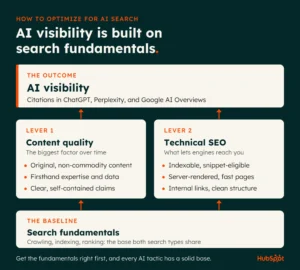
- On-Page SEO Considerations from Topic Choice: The chosen topic directly influences the primary keyword, which then informs the title tag, meta description, headings, and overall content structure—all crucial on-page SEO elements.
- E-E-A-T Principles and Topic Authority: Google’s emphasis on Experience, Expertise, Authoritativeness, and Trustworthiness (E-E-A-T) means that topics where the author can genuinely demonstrate these qualities are more likely to rank well. Selecting topics within one’s sphere of competence builds credibility. Reports from SEO analytics firms frequently show that over 60% of website traffic originates from organic search, underscoring the imperative of SEO-conscious topic selection.
Balancing Timeliness with Evergreen Value
A robust content calendar effectively balances topical content with evergreen material.
- Topical Content for Immediate Relevance: News-driven or trending topics can generate significant short-term traffic and social shares. These are crucial for demonstrating currency and responsiveness.
- Evergreen Content for Sustained Traffic: Topics that remain relevant over long periods—such as "how-to guides," "definitive explanations," or "foundational principles"—continue to attract organic traffic months or even years after publication. A well-balanced strategy ensures both immediate impact and long-term asset building. Research suggests that evergreen content can account for upwards of 70% of a blog’s sustained traffic.
Establishing Authority and Expertise
Beyond SEO, a blog’s long-term success hinges on its ability to establish and maintain authority within its niche.
- Writing from a Position of Knowledge: Topics that allow the blogger to showcase their expertise, research capabilities, or unique experience build trust and credibility.
- Credibility and Trust Building: Consistently publishing high-quality, accurate, and insightful content on well-chosen topics positions the blog as a reliable source of information. This is especially vital in sensitive or complex niches.
- Demonstrating Unique Insights: Offering perspectives that go beyond surface-level information or common knowledge can elevate a blog to a thought leadership position.
Leveraging Analytics for Continuous Improvement
The initial decision of a topic is not static; it’s part of an iterative process informed by ongoing analysis. As the original article hints, delving into analytics provides invaluable feedback for future topic selection.
Identifying High-Performing Content
Tools like Google Analytics offer a wealth of data to understand what content resonates most with an audience.
- Page Views, Time on Page, Bounce Rate: Analyzing metrics for individual posts can reveal which topics attract the most visitors, hold their attention longest, and effectively engage them. High time on page and low bounce rates for specific topics indicate strong reader interest.
- Understanding Why Certain Topics Succeed: Beyond raw numbers, qualitative analysis of high-performing content helps uncover common themes, formats, or angles that consistently draw in readers. This insight can then be applied to future topic generation.
Uncovering Reader Queries and Gaps
Analytics also provides direct insight into what readers are actively seeking.
- Site Search Data: If a blog has a search function, analyzing the queries users enter can reveal topics they expect to find but might not be adequately covered. This is a direct pipeline to reader needs.
- Search Console Insights: Google Search Console provides data on the exact search queries that bring users to a blog, even if those queries aren’t explicitly targeted. This uncovers unexpected opportunities and informs new topic clusters. Leading content strategists consistently emphasize that analytics are not just for reporting past performance, but for predictive content planning, guiding future editorial decisions based on proven audience interest.
Optimizing Content Clusters and Internal Linking
Successful topics can often serve as "pillar content," around which a series of related articles (content clusters) can be built.

- How Successful Topics Can Lead to Content Hubs: A popular foundational topic can be expanded into multiple sub-topics, each forming a new blog post. This creates a comprehensive resource, boosting authority and improving search engine rankings for a broad range of related keywords.
- Improving User Journey and SEO: Strategic internal linking between these clustered posts enhances the user experience by guiding them through related content and strengthens the SEO value of the entire cluster, signaling to search engines the blog’s comprehensive coverage of a subject.
Implications of Strategic Topic Choices
The meticulous process of selecting blog post topics yields substantial benefits that ripple across various aspects of a digital presence.
Enhanced Audience Engagement and Loyalty
When topics consistently align with reader interests and provide genuine value, the audience develops a sense of trust and loyalty.
- Readers Return for Valuable Content: A history of insightful, relevant posts encourages repeat visits and builds a dedicated readership.
- Community Building and Conversions: Engaged readers are more likely to participate in discussions, share content, and ultimately convert into subscribers, leads, or customers. Data from marketing platforms often correlates higher engagement rates with significantly improved conversion metrics.
Improved Search Engine Visibility and Organic Growth
Thoughtfully chosen topics, optimized for SEO, are the engine of organic traffic.
- Higher Rankings and Consistent Traffic: Content that effectively addresses search intent and utilizes relevant keywords is rewarded with higher search engine rankings, leading to a steady stream of organic visitors.
- Reduced Reliance on Paid Promotion: A strong organic presence reduces the need for costly paid advertising, making content marketing more sustainable and cost-effective. Websites with a robust organic content strategy can see their organic traffic grow by hundreds of percentage points over time, becoming a primary traffic source.
Strengthened Brand Authority and Thought Leadership
Consistent publication of high-quality, relevant content positions a blog and its associated brand as an authoritative voice.
- Positioning the Blog/Brand as an Expert: By providing deep insights and reliable information, the blog becomes a go-to resource in its niche, fostering respect and recognition.
- Trust and Credibility in the Niche: This authority translates into increased trust from the audience, which is invaluable for brand reputation and influence. Businesses consistently ranking for key industry terms often see a significant boost in perceived credibility and market share.
Efficient Resource Allocation
Strategic topic selection ensures that the considerable effort involved in content creation is well-spent.
- Avoiding Wasted Effort on Irrelevant Topics: By validating ideas against audience needs and search data, resources are not expended on content that will fail to resonate or be discovered.
- Maximizing ROI from Content Creation: Every post contributes meaningfully to the overall content strategy, leading to a higher return on investment for the time, money, and creative energy invested.
In conclusion, the decision of what to write about transcends mere creative inspiration; it is a critical, multi-faceted strategic endeavor. The modern blogging landscape demands that content creators adopt a rigorous approach to topic selection, moving beyond initial ideas to a process of intensive molding, validation, and refinement. By embracing an audience-centric, data-driven methodology, integrating SEO best practices, and continuously leveraging analytics for improvement, bloggers can craft content that not only captures attention but also sustains engagement, builds authority, and drives measurable results. This thoughtful commitment to topic choice is not an optional luxury but a foundational pillar for achieving lasting success in the dynamic world of digital publishing, ultimately creating content that is truly "special" for both the writer and the reader.