The landscape of independent digital publishing is undergoing a fundamental transformation as established operators move away from a decade-long reliance on search engine traffic in favor of owned audience assets. This strategic pivot, exemplified by industry veteran Jon Dykstra of Fat Stacks, represents a broader response to the increasing volatility of the Google search ecosystem and the rising importance of first-party data. After a period of intensive restructuring involving hundreds of hours of operational overhauls, the transition marks a shift from "rented" traffic to "owned" distribution, specifically through the cultivation of specialized email newsletters across business-to-business (B2B), business-to-consumer (B2C), and local community sectors.
The Catalyst for Change: Search Engine Volatility and the 95 Percent Traffic Decline
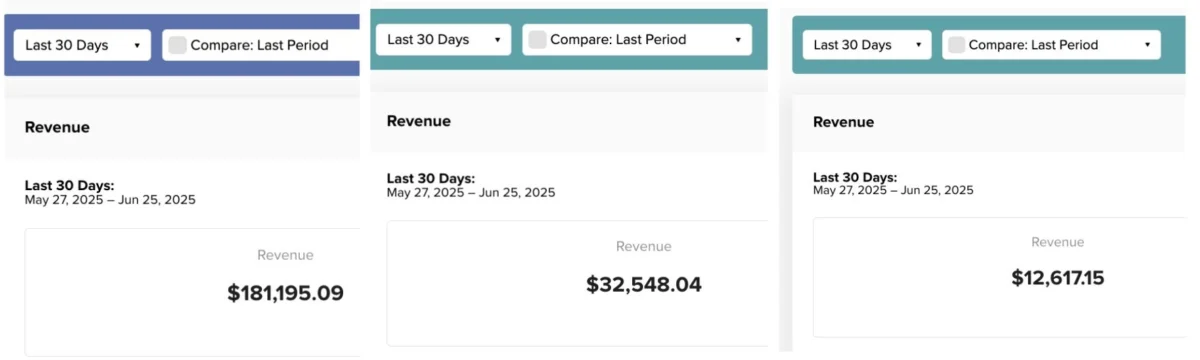
The impetus for this industry-wide realignment is rooted in the dramatic shifts in search engine algorithms over the past twenty-four months. For many niche publishers, the "Helpful Content Updates" and subsequent core updates issued by Google have resulted in catastrophic traffic losses. Dykstra reports a 95 percent decline in search traffic for his B2C properties, a figure that aligns with reports from thousands of independent publishers who saw their visibility eclipsed by larger media conglomerates and AI-generated overviews.
This volatility has exposed the systemic risk of building business models on "borrowed land." In the previous era of digital publishing (roughly 2010–2022), the standard operating procedure involved identifying low-competition keywords, producing high-quality content, and reaping the rewards of organic search traffic. However, as search engines have moved toward "zero-click" results—where the answer is provided directly on the search page—the traditional arbitrage of information has become increasingly untenable for independent creators.
The Three-Pillar Newsletter Strategy
In response to this disruption, the new model focuses on three distinct newsletter archetypes, each serving a specific market need and utilizing different monetization and acquisition strategies.
1. The B2B Authority Model
The Business-to-Business (B2B) newsletter, exemplified by the Fat Stacks publication, serves as a "meta-publication" that shares industry insights and strategies. This model relies on authority and deep expertise. Acquisition for this segment is diversified, utilizing professional networks such as LinkedIn and X (formerly Twitter), as well as long-form video content on YouTube and podcasts. The goal of the B2B newsletter is to build a high-trust relationship with a professional audience, which can then be monetized through high-ticket courses, consulting, and affiliate partnerships.
2. The B2C Scale Model
The Business-to-Consumer (B2C) model is built for volume and automation. Unlike the authority-driven B2B model, the B2C newsletter focuses on specific hobbies, interests, or consumer niches. Following the loss of organic search traffic, the acquisition strategy for this pillar has shifted heavily toward paid social media. Facebook Lead Ads have emerged as a primary driver, allowing publishers to "buy" subscribers at a fixed cost. Once a subscriber is onboarded, the delivery of content is often managed via automated "evergreen" sequences, creating a passive revenue stream through display advertising and consumer affiliate offers.
3. The Local Community Model
Perhaps the most significant expansion in the current publishing climate is the rise of the local newsletter. Dykstra’s launch of a local publication in 2024 highlights a growing trend of hyper-local journalism filling the void left by the decline of traditional regional newspapers. This model integrates with physical business assets—such as local service businesses or short-term rental properties—providing a synergistic marketing platform. The content is highly visual, utilizing Instagram and video "shorts" to capture local attention, while the revenue is derived from local advertisers who value the high engagement of a community-focused audience.
Evolution of Subscriber Acquisition: A Multi-Platform Approach
The transition to a newsletter-first model requires a total reimagining of how audience growth is achieved. Without the "free" flow of search traffic, publishers must become masters of multi-channel distribution. Current successful strategies involve a sophisticated mix of organic and paid channels:

- Social Media Synergy: Platforms like Facebook and Pinterest remain vital, but their roles have changed. Rather than seeking viral clicks to a website, the focus is now on capturing email addresses directly through lead magnets.
- The Rise of Instagram as a Proxy: For local and B2C niches, Instagram followers have become a metric of perceived reach for advertisers. Publishers are increasingly using video shorts to build these accounts as a "social proof" layer that supports the newsletter’s credibility.
- Paid Lead Acquisition: The use of Facebook Lead Ads represents a shift toward a more traditional "Customer Acquisition Cost" (CAC) model. Publishers calculate the lifetime value (LTV) of an email subscriber and spend accordingly to grow their lists, bypassing the unpredictability of organic algorithms.
Chronology of the Digital Publishing Pivot
The shift from SEO-centric to newsletter-centric publishing has followed a distinct timeline over the last decade:
- 2014–2019: The Golden Age of Niche Sites. Search traffic was predictable, and competition was manageable. Publishers focused on "building sites" rather than "building brands."
- 2020–2022: The Diversification Phase. Publishers began to sense the risk of search reliance and started experimenting with Pinterest and basic email lists, though search remained the primary revenue driver.
- 2023: The Great Reset. A series of aggressive Google updates decimated the traffic of thousands of niche blogs. This period was characterized by industry-wide panic and the realization that the old model was broken.
- 2024–Present: The Newsletter Renaissance. Leading publishers have completed their "pivots," overhauling their businesses to treat the email list as the primary product, with websites serving merely as landing pages or archives.
Strategic Analysis: The Implications of "Owned" Traffic
The decision to focus exclusively on newsletter growth is a move toward business de-risking. When a publisher relies on search engines, they are subject to the whims of a third party that can—and often does—change the rules overnight. An email list, by contrast, is a portable asset. If a specific email service provider (ESP) changes its terms, the publisher can export their list and move to a competitor.
Furthermore, the economics of email are significantly more favorable for long-term growth. An organic search visitor is often a "one-and-done" interaction; they find the answer to their query and leave. An email subscriber, however, represents a recurring opportunity for engagement and monetization. For publishers, this means that every hour spent on content creation has a cumulative effect on the business’s value, rather than being a treadmill of constant production to maintain search rankings.
Reactions from the Publishing Community
The broader reaction to this shift among digital entrepreneurs has been one of cautious optimism mixed with the recognition of a steeper learning curve. Industry analysts note that while newsletters offer more stability, they also require a higher level of "editorial" skill than traditional SEO writing. The ability to write engaging subject lines, maintain high open rates, and foster a genuine connection with readers is now more valuable than the technical ability to optimize meta-tags or build backlinks.
Experts also point out that the "Local" newsletter trend is particularly resilient to AI disruption. While AI can easily summarize general topics for a B2C audience, it struggles to provide the nuanced, boots-on-the-ground reporting required for a local community. Dykstra’s employment of a former newspaper editor for his local project underscores the return to traditional journalistic values in a digital format.
Future Outlook: The Newsletter-First Economy
As we move further into 2024 and beyond, the distinction between a "blogger" and a "newsletter publisher" will likely vanish. The most successful digital media companies of the next decade will be those that view their website as a secondary support structure for their direct-to-inbox distribution.
The strategy of "rinse and repeat" mentioned by Dykstra suggests that once the infrastructure for newsletter growth is established—meaning the lead magnets are created, the automated sequences are written, and the paid acquisition channels are optimized—the model is highly scalable. This represents a more professionalized version of online publishing, one that mirrors the subscription-based models of traditional media giants but is executed with the agility and low overhead of an independent creator.
The transition is far from easy, involving a total overhaul of business operations and a departure from decade-old habits. However, for those who have navigated the "haul" of the pivot, the result is a more robust, predictable, and lucrative business that is no longer at the mercy of an algorithm. The message for the industry is clear: the future of digital publishing is not in the search bar, but in the inbox.