The automotive sector is currently witnessing a historic shift in consumer preference as drivers increasingly turn toward hybrid electric vehicles (HEVs) and plug-in hybrid electric vehicles (PHEVs). Amidst fluctuating fuel costs—which have frequently surged past the $5-per-gallon threshold in recent years—the demand for high-efficiency powertrains has reached an all-time high. While Toyota continues to maintain a dominant 44% share of the hybrid market, a wave of competitors is rapidly expanding their electrified portfolios. However, as the market matures, the primary concern for many prospective buyers has shifted from initial purchase price to long-term reliability and the robustness of manufacturer-backed warranties. Understanding these coverage terms is essential, as hybrid systems rely on complex battery architectures that differ significantly from standard internal combustion engine (ICE) components.
The Federal Baseline and Industry Standards
To protect consumers investing in emerging electrification technology, federal regulations in the United States have established a mandatory minimum for hybrid component warranties. Under current federal law, automakers are required to provide coverage for hybrid batteries and associated powertrain components for a minimum of eight years or 100,000 miles. This regulation was designed to mitigate consumer anxiety regarding the longevity of lithium-ion and nickel-metal hydride battery packs.
Most major manufacturers, including Ford, Lincoln, General Motors (Chevrolet, GMC, Buick), Stellantis brands (Dodge, Jeep, Ram), and international players like Honda, Subaru, and Volkswagen, adhere strictly to this federal baseline. While these warranties are sufficient to meet legal requirements, they are notably distinct from a vehicle’s standard bumper-to-bumper or powertrain warranties. A typical new vehicle might feature a five-year, 60,000-mile powertrain warranty, leaving a multi-year gap where the battery is covered, but other critical mechanical components are not.
Conversely, some luxury manufacturers occupy the lower end of the coverage spectrum. Brands such as Ferrari and Jaguar, for instance, generally offer six-year, 60,000-mile warranties on their hybrid-specific components. For buyers in the luxury segment, these figures serve as a critical reminder that market prestige does not always equate to extended mechanical protection.
Mitsubishi: The Decade-Long Commitment
Mitsubishi has positioned itself as a unique outlier in the current market. As the company executes its "Momentum 2030" strategic plan, it is aggressively transitioning its entire lineup toward electrified powertrains. Currently anchored by the Outlander PHEV, Mitsubishi provides a comprehensive 10-year, 100,000-mile warranty on its hybrid components.
This coverage is notable because it aligns perfectly with the brand’s standard powertrain warranty. By eliminating the discrepancy between the engine warranty and the battery warranty, Mitsubishi offers a "peace of mind" package that reduces the cognitive load on the consumer. As the company begins to integrate more technology shared with its alliance partner, Nissan, industry analysts are watching closely to see if this generous coverage will be maintained. Currently, Mitsubishi’s warranty structure significantly outperforms that of many competitors, including its own strategic partners, positioning the brand as a leader in long-term value retention.
The Korean Advantage: Hyundai, Kia, and Genesis
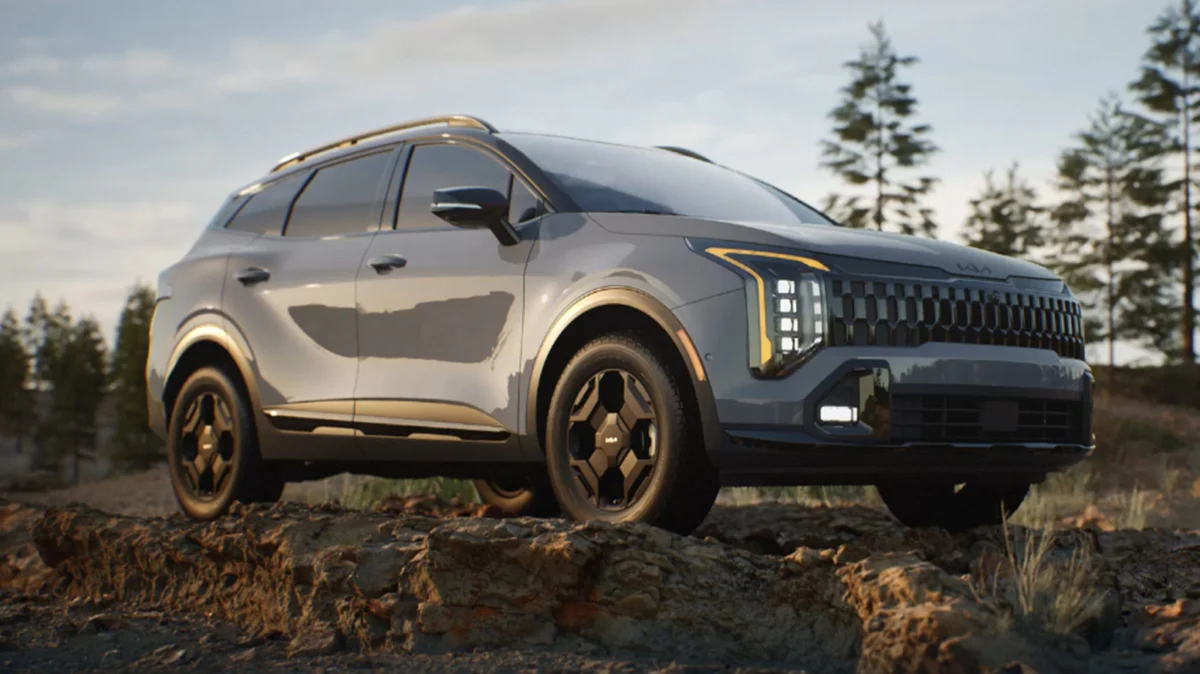
The rapid rise of Hyundai, Kia, and Genesis in the hybrid space is largely attributed to their aggressive product strategy and standardized warranty programs. Collectively, these three brands have introduced a vast array of electrified options, ranging from the Tucson and Elantra to the larger Telluride and the upcoming G80 and GV80 hybrid models.
The strength of these brands lies in their unified approach to ownership protection. Across their entire hybrid and electric vehicle lineups, Hyundai, Kia, and Genesis offer a 10-year, 100,000-mile warranty. This policy has proven to be a significant catalyst for their market share growth. Beyond the warranty, these brands have invested heavily in powertrain engineering that bridges the gap between traditional and electrified driving. By utilizing traditional six-speed automatic transmissions in models like the Kia Sportage Hybrid and Hyundai Tucson Hybrid—rather than the more common continuously variable transmissions (CVTs)—these manufacturers have successfully replicated the driving dynamics of conventional vehicles. This engineering choice, paired with industry-leading coverage, has helped the brands capture significant consumer interest during periods of economic uncertainty.
The Complexity of Regional Coverage: Mercedes-Benz
Mercedes-Benz offers a compelling case study on the importance of regional policy and technical classification in automotive warranties. At a baseline, the brand offers a standard six-year, 60,000-mile warranty on its hybrid components. However, this policy is subject to drastic variance depending on the vehicle’s classification and the state in which it is sold.
For vehicles classified as Super Ultra-Low Emission Vehicles (SULEV), such as the GLC 350e or the S 580e, the warranty coverage can extend to 10 years and 150,000 miles. Crucially, this enhanced coverage is not universally available; it is restricted to states that have adopted California’s stringent emission standards. This list includes, but is not limited to, California, New York, Massachusetts, and Washington. This creates a bifurcated market where two identical vehicles may have vastly different warranty profiles based solely on the buyer’s zip code. Consumers are advised to review the specific "Warranty and Maintenance" booklet provided by the dealership, as the fine print regarding SULEV status can be the difference between a decade of coverage and a significantly shorter window.
Toyota and Lexus: Setting the Industry Benchmark
Toyota, alongside its luxury division, Lexus, currently holds the "gold standard" for hybrid longevity. With a 44% market share, Toyota’s strategy has moved from merely offering hybrids as an alternative to making them the standard. Models such as the Camry and the Sienna are now sold exclusively as hybrids, signaling a permanent shift in the manufacturer’s design philosophy.
In 2020, Toyota and Lexus made a pivotal decision to extend their hybrid battery warranty to 10 years or 150,000 miles. This move served to solidify the brands’ reputation for reliability. By offering coverage that far exceeds both the federal mandate and the industry average, Toyota has effectively neutralized one of the most common consumer objections to hybrid ownership: the fear of premature battery failure. With a portfolio of 22 hybrid and plug-in hybrid models, the scale of Toyota’s commitment to this warranty is unprecedented. It serves as a defensive moat, protecting the company’s brand equity as competitors attempt to catch up.
Broader Implications and Strategic Analysis
The divergence in warranty offerings across the automotive landscape reflects the varying levels of confidence manufacturers have in their proprietary battery management systems. As the industry moves toward 2030, the "warranty war" is becoming as competitive as the "horsepower war" of the previous decade.
The implications for the secondary market are significant. Vehicles backed by 10-year/150,000-mile warranties, such as those from Toyota, will likely maintain higher residual values as they age. Conversely, vehicles with standard eight-year/100,000-mile coverage may face greater depreciation once they move past the manufacturer’s protection window.
For the average consumer, the decision-making process must now include a thorough evaluation of these terms. A vehicle that offers excellent fuel economy but carries a shorter warranty may cost more in the long run if a battery module requires replacement out-of-pocket. As the secondary market for used hybrids continues to expand, prospective buyers should prioritize vehicles with longer remaining coverage periods. In an era of unpredictable energy prices, the hybrid vehicle remains a prudent financial choice, but the long-term utility of that choice is increasingly tied to the fine print of the manufacturer’s warranty. As automakers continue to refine their electrified technology, the trend toward longer, more comprehensive warranties is expected to persist, ultimately benefiting the consumer by shifting the risk of early-stage electrification from the buyer to the manufacturer.