
The sensory experience of opening a familiar package of childhood snacks—the distinct aroma, the anticipated crunch, and the specific taste profile—is increasingly meeting a modern reality that feels fundamentally different. For many consumers, the suspicion that their favorite snacks have changed is not merely a product of fading nostalgia; it is a measurable consequence of decades of industrial reformulations, strategic downsizing, and inflationary pressures. This phenomenon, often referred to by economists as "shrinkflation" and "skimpflation," has quietly transformed the grocery landscape, altering the composition and value proposition of snacks that once served as staples in American pantries.

A Chronology of Reformulation and Regulatory Influence
The shift in snack composition did not occur overnight. It is the result of a multi-decade transition driven by evolving food safety regulations, shifting consumer preferences toward "cleaner" labels, and the volatility of global commodity markets.

Beginning in the late 1990s and accelerating through the 2010s, public health scrutiny regarding artificial food dyes—specifically Red 40, Yellow 5, and Yellow 6—began to reshape the manufacturing process. Major food conglomerates, under pressure from health advocacy groups and changing international standards, began replacing synthetic dyes with plant-based alternatives like beet juice, turmeric, and paprika. While these changes addressed public health concerns, they often fundamentally altered the appearance and, in some cases, the flavor profile of iconic snacks, such as orange-hued cracker sandwiches and neon-colored cheese puffs.

Furthermore, the 2015 U.S. Food and Drug Administration (FDA) mandate requiring the phase-out of partially hydrogenated oils (PHOs)—the primary source of artificial trans fats—forced a massive technical overhaul across the snack industry. Products relying on these fats for shelf stability, texture, and mouthfeel, particularly cream-filled sponge cakes and wafer cookies, had to be reformulated using different lipid structures. This transition, while beneficial for cardiovascular health, often resulted in a perceived "loss of quality" by long-time consumers who grew accustomed to the unique texture provided by the previous ingredients.

The Economics of Shrinkflation and Market Pressures
Behind the scenes of these recipe changes lies a more aggressive economic strategy: shrinkflation. Faced with rising costs for labor, logistics, and raw materials—most notably cocoa, sugar, and dairy—manufacturers have faced a binary choice: raise the retail price or reduce the volume of the product within the package. Data from the Bureau of Labor Statistics and independent retail analysts suggest that manufacturers overwhelmingly prefer the latter. By maintaining the "psychological price point" of a standard bag or box, companies avoid the immediate sticker shock that leads to a decline in sales volume.

The impact of this strategy is most visible in the "snack-size" and "single-serve" segments. A comparative analysis of retail data reveals that the price per ounce for individually wrapped portions can be as much as 200% to 300% higher than the cost per ounce of bulk-packaged alternatives. This price discrepancy is often justified by the inclusion of premium packaging and the convenience of portability, yet it represents a significant, often overlooked, drain on household grocery budgets.

Case Studies in Commodity Volatility
The mid-2020s marked a period of unprecedented volatility for snack manufacturers, particularly those reliant on cocoa and dairy. The global cocoa market experienced a supply crisis driven by climate-related crop failures in West Africa, causing cocoa prices to reach historic highs. This necessitated a shift in the chocolate industry, with many brands reducing the percentage of cocoa solids in their products or substituting more affordable fats to maintain product viability.
Similar pressures have been observed in the dairy sector. The cost of string cheese and cream-filled products fluctuates in tandem with the broader dairy market. As raw milk prices rise, manufacturers often respond by adjusting the weight of the product or the number of units per package. Consumers who track unit pricing—the cost per ounce or per item listed on the shelf tag—often find that the "family size" or "bonus pack" is not always the most economical choice, a realization that has prompted a shift in purchasing behavior among budget-conscious shoppers.
Industry Perspectives and Consumer Transparency
While food manufacturers rarely issue public statements regarding the specific "recipe tweaks" made to long-standing products, industry trade groups maintain that these changes are necessary for survival in a globalized market. In statements regarding reformulated products, companies often cite "consumer demand for simpler ingredients" or "alignment with global sustainability goals."

However, consumer advocacy groups argue that these explanations often mask a broader trend of cost-cutting. The transition from "milk chocolate" to "chocolatey coating" on ingredient labels is a frequent point of contention, as the latter allows for the use of vegetable oils instead of cocoa butter, significantly lowering production costs. For the consumer, this transparency—or lack thereof—remains a source of frustration, as the branding remains identical despite the underlying change in the product’s nutritional and sensory profile.

The Role of Domestic Production and "DIY" Alternatives
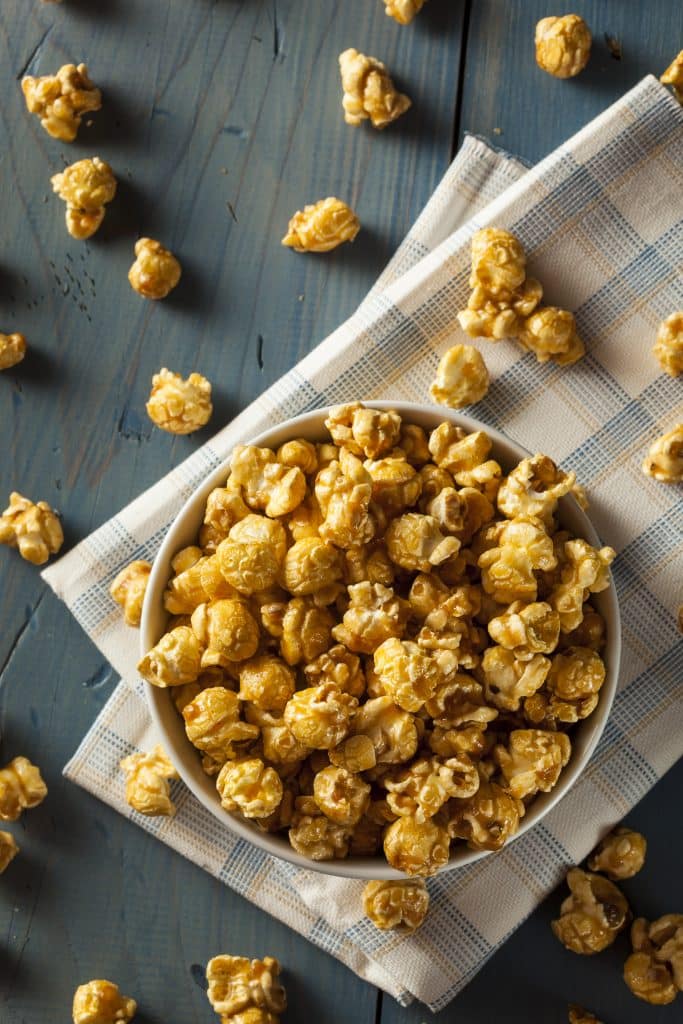
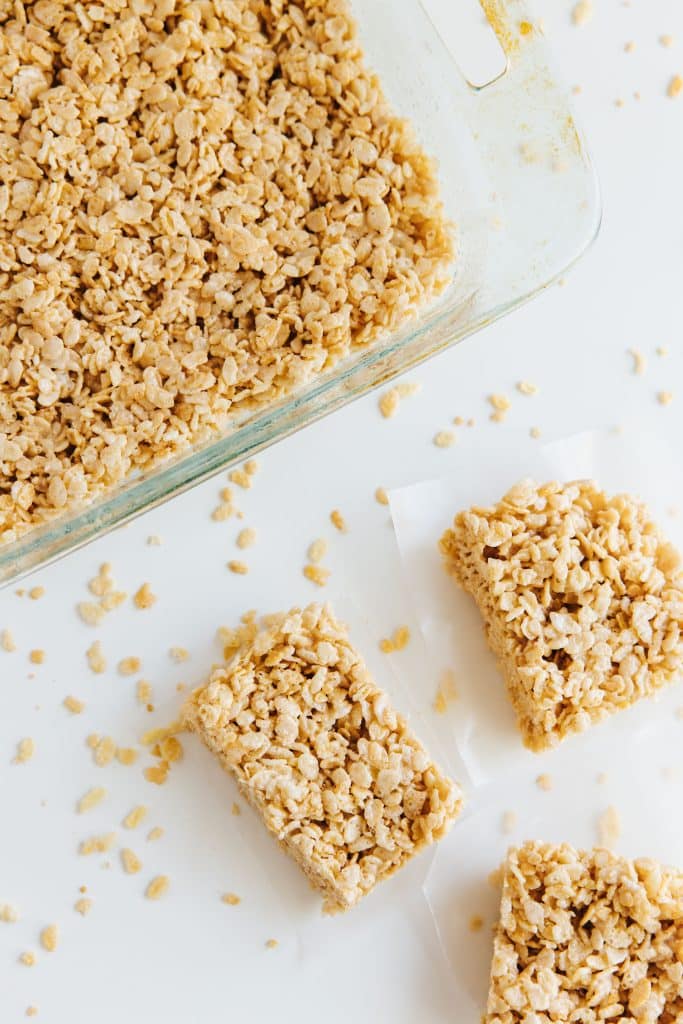
The rising costs of processed snacks have reinvigorated interest in homemade alternatives. Foods that were once convenience staples, such as rice cereal treats, caramel corn, and fruit-based gelatin desserts, are increasingly being produced at home. From a cost-analysis perspective, the shift is significant; a box of rice cereal, a bag of marshmallows, and butter can produce a quantity of treats that would cost three to four times as much if purchased as pre-wrapped, individual bars.

This return to basic preparation is not merely about frugality; it is a response to the loss of "value" in pre-packaged goods. When the quality of a product decreases while the price remains stable or increases, the consumer’s incentive to outsource the labor of food preparation diminishes.

Long-term Implications for the Grocery Sector
The cumulative effect of these changes is a fundamental reordering of how households consume snacks. As the gap between the cost of convenience and the cost of raw ingredients widens, the "convenience premium" is becoming increasingly difficult for the average family to justify.
Retailers have responded by expanding their private-label or "store brand" offerings, which often mimic the flavor and texture of name-brand counterparts at a lower price point. As these store brands have improved in quality, they have become a primary competitor to the heritage brands that dominated the 20th-century snack aisle. For the consumer, the most effective strategy for mitigating these changes remains consistent: prioritizing unit price over brand recognition, auditing the frequency of single-serve purchases, and being mindful of ingredient labels that reflect significant recipe alterations.
Ultimately, the snack aisle of today is a reflection of a changing food system. While nostalgia may color the perception of the past, the objective reality is that the snacks of the 21st century are products of a different economic and regulatory environment. By navigating these shifts with an understanding of the underlying economic mechanisms, consumers can maintain their traditional habits without sacrificing their financial health. The crinkly wrapper remains the same, but the logic required to shop for what is inside has become a necessary skill for the modern household.