
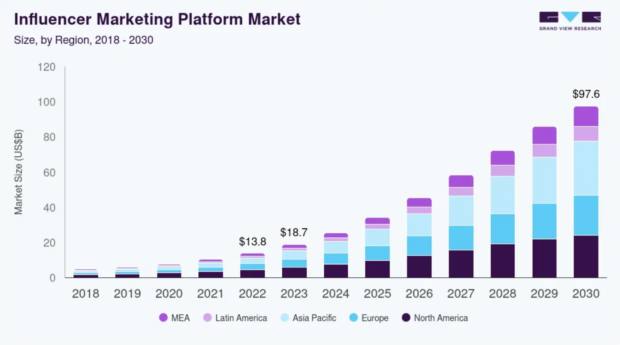
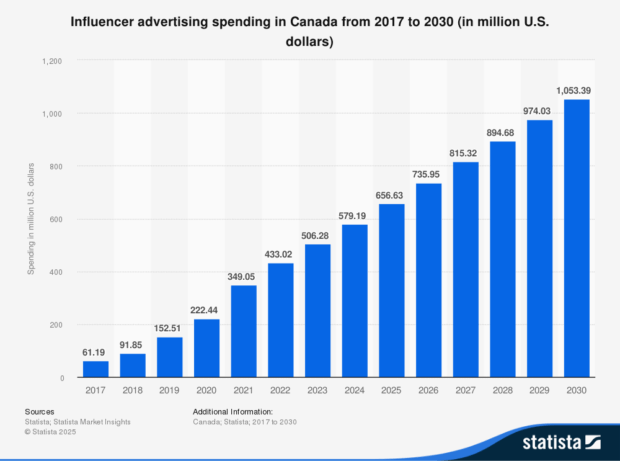
The landscape of digital advertising has fundamentally shifted over the past decade, moving away from traditional outbound media plans toward trust-based, creator-led digital word-of-mouth. Once viewed as an experimental tactic restricted to lifestyle bloggers receiving free merchandise, influencer marketing has matured into a dominant global media channel. Current market projections estimate that the global influencer marketing platform market, which stood at $25.44 billion in 2024, is scaling rapidly toward $34.25 billion and is anticipated to reach an astounding $97.55 billion by 2030. In the United States alone, brands are pouring billions into creator partnerships, driving a market valued at over $12 billion. Similar financial trajectories are occurring internationally, with the United Kingdom seeing annual influencer ad spending climb toward $1.4 billion, and Canada experiencing parallel upward trends.

This meteoric growth is underpinned by a profound change in consumer psychology. Contemporary audiences increasingly look past traditional corporate advertising, placing their trust instead in independent content creators. Industry metrics indicate that roughly 60% of consumers now put more faith in what an independent creator says about a brand than in the brand’s own marketing messages. This dynamic has turned influencer marketing into an essential component of the modern media mix, forcing corporate leadership and marketing executives to rethink how they allocate budgets, design campaigns, and measure campaign effectiveness.
The Evolution of Creator Partnerships and Modern Campaign Execution
The mechanics of creator partnerships have evolved significantly since the early days of one-off sponsored posts. In previous years, brands simply shipped products to bloggers in exchange for a brief review. Today, sophisticated media plans integrate creators across complex ecosystems of influence. Modern campaigns often feature multi-channel activations, public relations product boxes, experiential brand trips, and in-real-life (IRL) events.
Eileen Kwok, former Social Media and Influencer Marketing Strategist at Hootsuite, notes that as the industry matures, brands are increasingly moving beyond isolated transactions. Instead, they are building ongoing ecosystems of influence, establishing multiple touchpoints and long-term collaborations with industry thought leaders. This strategic shift requires a meticulous approach to campaign design, spanning platforms as diverse as TikTok, Instagram, YouTube, and LinkedIn.
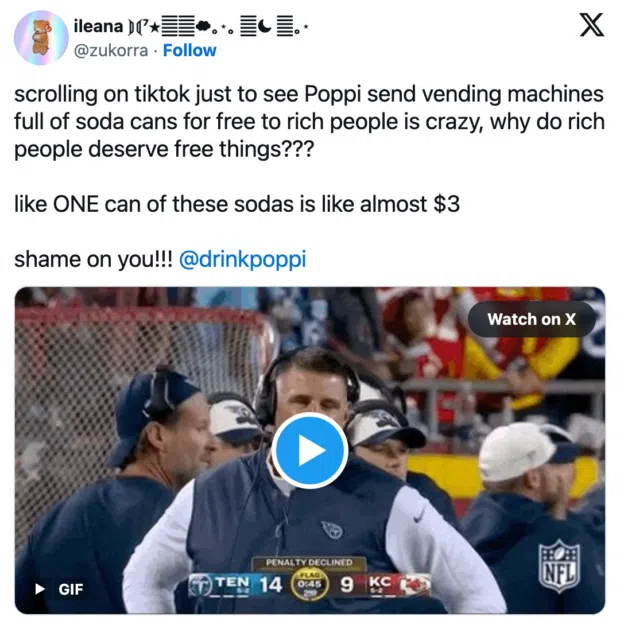
Despite these advanced methodologies, influencer marketing remains vulnerable to public missteps if campaigns fail to resonate with community values. A prominent example includes prebiotic soda brand Poppi’s Super Bowl campaign, which faced severe online backlash after distributing extravagant vending machines to 32 high-profile creators like Alix Earle and Jake Shane. Critics argued that gifting such lavish items to already affluent influencers alienated the brand’s core community during financially tight times. Media analysts pointed out that while the campaign generated massive online chatter, it highlighted a crucial lesson for modern marketers: high visibility does not equal success when consumer sentiment turns negative. Effective influencer marketing requires genuine alignment with audience values and careful consideration of economic contexts.
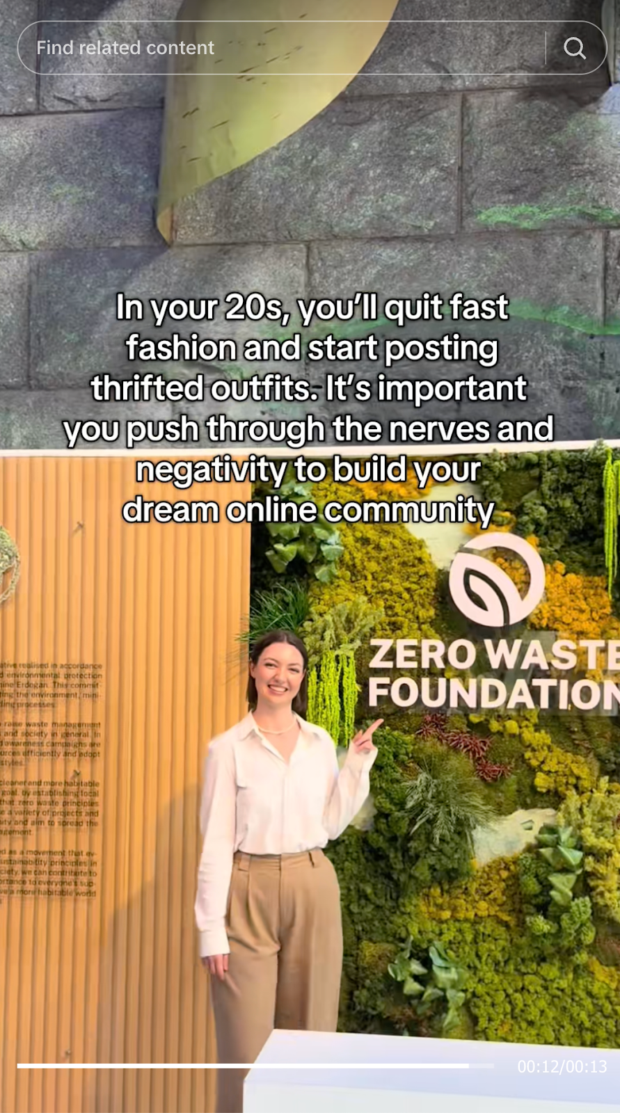
Categorizing the Creator Economy: From Nano-Influencers to Virtual Personas

Choosing the right partner requires a deep understanding of the diverse tiers within the creator economy. Influencers are traditionally categorized by their follower counts, each tier offering distinct advantages, engagement rates, and cost structures.
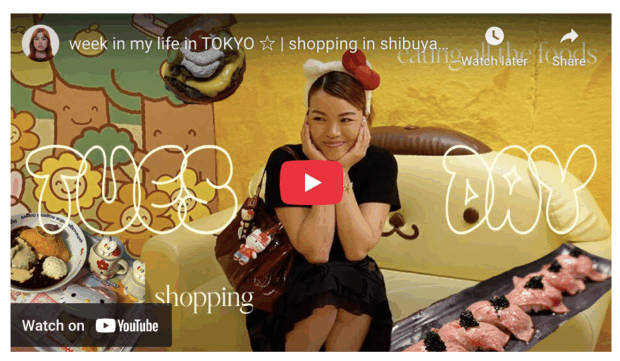
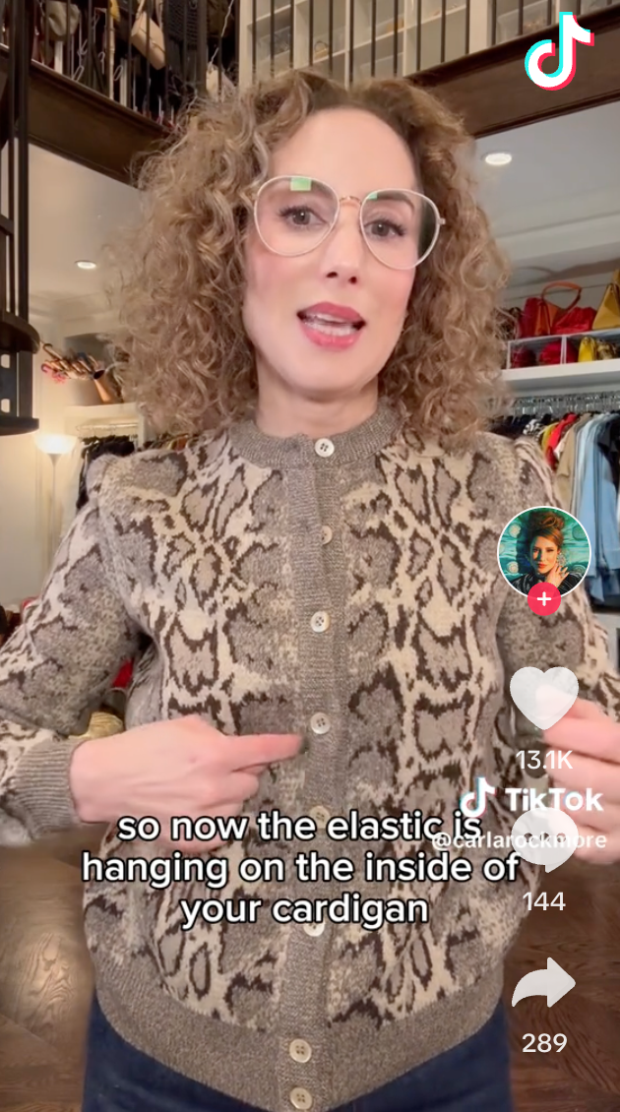
Nano-influencers, commanding between 1,000 and 10,000 followers, typically represent the highest engagement rates on platforms like Instagram—often hovering around 6.23%. Costing anywhere from $20 to $200 per post, they are ideal for local businesses, niche products, and initial campaign testing. Micro-influencers (10,000 to 100,000 followers) serve as the sweet spot for growing brands, charging between $200 and $2,000 while maintaining strong niche authority. Macro-influencers (100,000 to 1 million followers) and mega-influencers (exceeding 1 million followers) step into digital celebrity territory. While macro creators command $5,000 to $15,000 per post for national product launches, mega-influencers can charge upwards of $50,000, capable of selling out global inventories instantly—though at a premium price point.
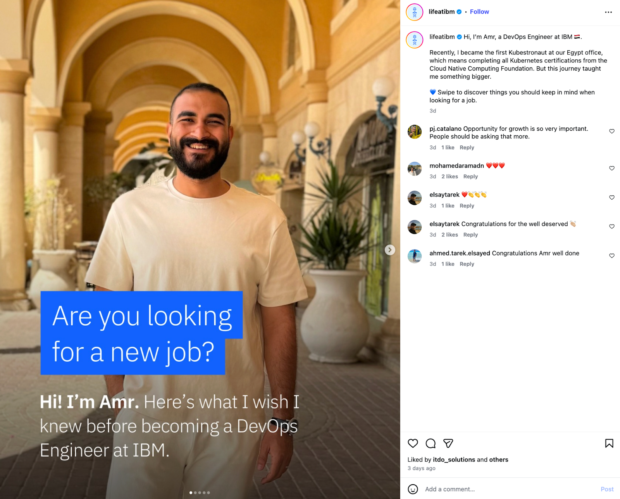
Beyond traditional follower brackets, several emerging creator categories are reshaping marketing budgets. Employee advocacy programs—utilized by corporate giants like Microsoft and IBM—leverage internal staff to share behind-the-scenes perspectives, capitalizing on the reality that people inherently trust ordinary employees more than corporate logos. B2B influencer marketing has similarly exploded, with 85% of B2B marketers collaborating with industry experts on LinkedIn to influence high-stakes business purchasing decisions. Furthermore, the rise of computer-generated virtual and AI influencers introduces new creative frontiers, offering brands total message control while raising important questions regarding regulatory disclosures and brand safety.
Platform Dynamics: Aligning Content with the Right Digital Network
The efficacy of an influencer campaign depends heavily on selecting the correct platform for a brand’s target demographic. Instagram remains the foundational home for beauty, fashion, fitness, and travel, leveraging Reels for discovery and Stories for time-sensitive conversions. TikTok acts as the fastest-moving ecosystem, where content quality dictates reach rather than follower counts, allowing smaller creators to secure millions of views and drive immediate checkouts via features like TikTok Shop.

YouTube serves as the premier destination for long-form, evergreen content. Detailed product reviews and tutorials on the platform continue to surface in search results months after publication, steadily lowering the cost per view over time. Meanwhile, LinkedIn has captured the B2B space, relying on text posts, carousels, newsletters, and co-hosted live sessions featuring credible industry leaders, business owners, and educators to speak directly to corporate decision-makers.
Building a Comprehensive Influencer Marketing Strategy

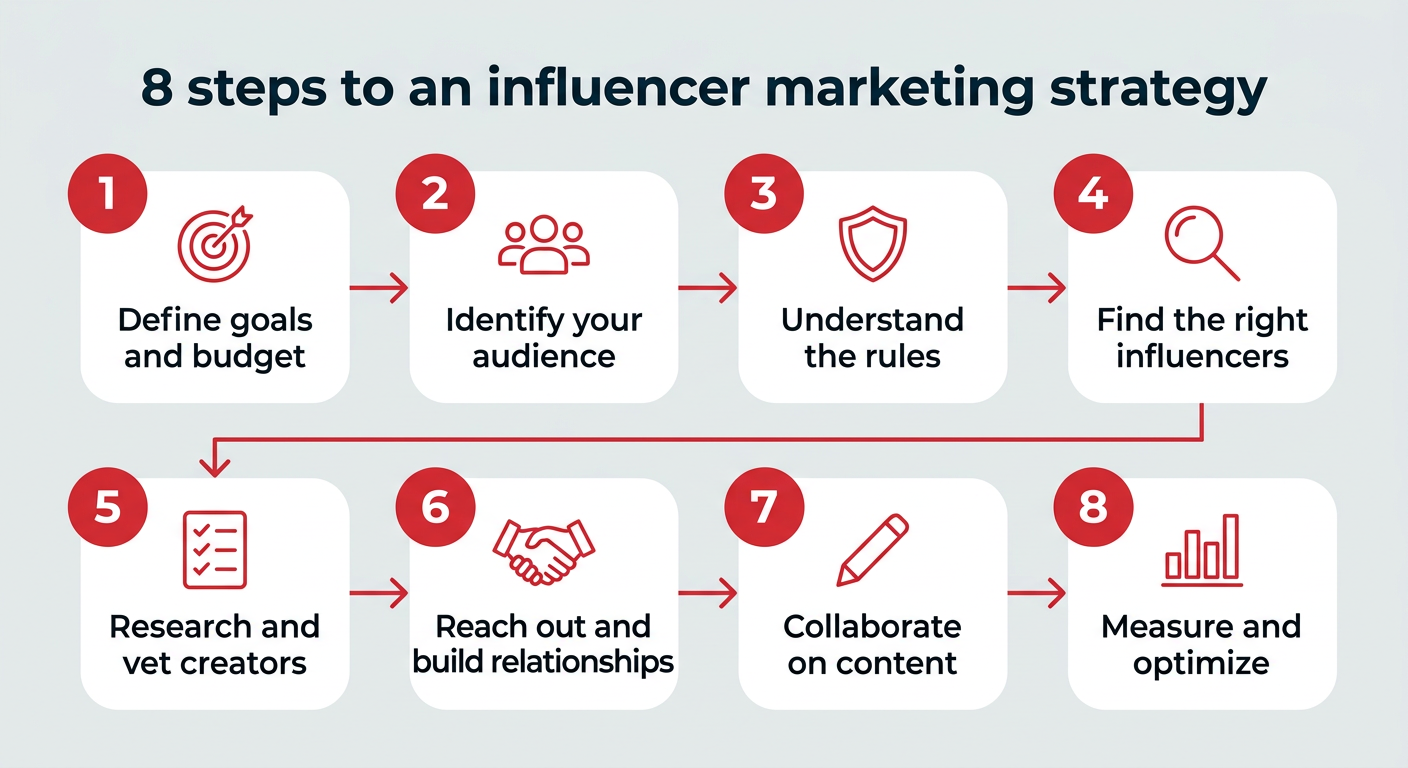
Deploying a successful influencer marketing campaign requires a structured, multi-step framework to ensure alignment between corporate goals and creator content.

- Define Goals and Budgets: Establish clear objectives—whether driving brand awareness, consideration, or direct sales—and allocate realistic financial resources.
- Identify Target Audiences: Develop detailed buyer personas to ensure the chosen creators possess follower bases that directly overlap with the brand’s ideal customer profile.
- Understand Regulatory Compliance: Comply strictly with legal guidelines, such as Federal Trade Commission (FTC) disclosure rules in the United States, ensuring all sponsored content is explicitly labeled to avoid regulatory penalties.
- Source and Vet Creators: Utilize social listening tools to identify organic brand advocates, analyzing their recent posting history, audience sentiment, and ratio of sponsored versus organic content.
- Initiate Relationship Building: Warm up potential partners by engaging authentically with their content before pitching collaborations, respecting their professional status by referring to them as "creators" rather than "influencers."
- Co-Create Content: Establish clear creative briefs that outline brand guidelines while granting creators the autonomy to showcase their native storytelling styles.
- Measure and Optimize: Track performance metrics rigorously using UTM parameters, affiliate codes, and dedicated analytics suites to calculate true return on investment.
Measuring ROI and Navigating Core Industry Challenges
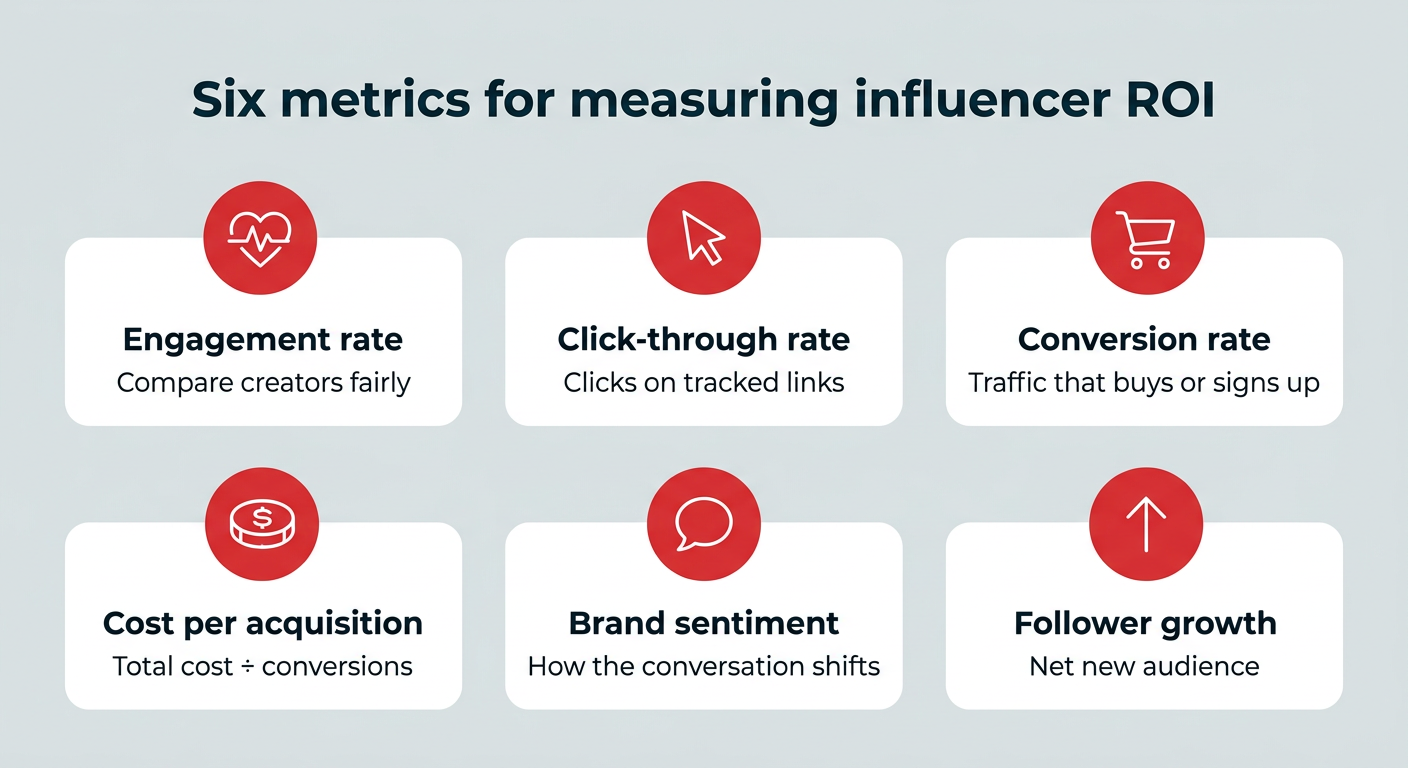
Measuring the true return on investment of influencer marketing requires moving beyond vanity metrics like raw impressions and focusing on hard business outcomes. Marketers must track key performance indicators (KPIs) including engagement rate, click-through rate (CTR), conversion rate, cost per acquisition (CPA), audience growth, and overall brand sentiment. Utilizing dedicated tools, such as social media ROI calculators and UTM tracking links, allows brands to accurately attribute sales and web traffic directly to specific creator posts.
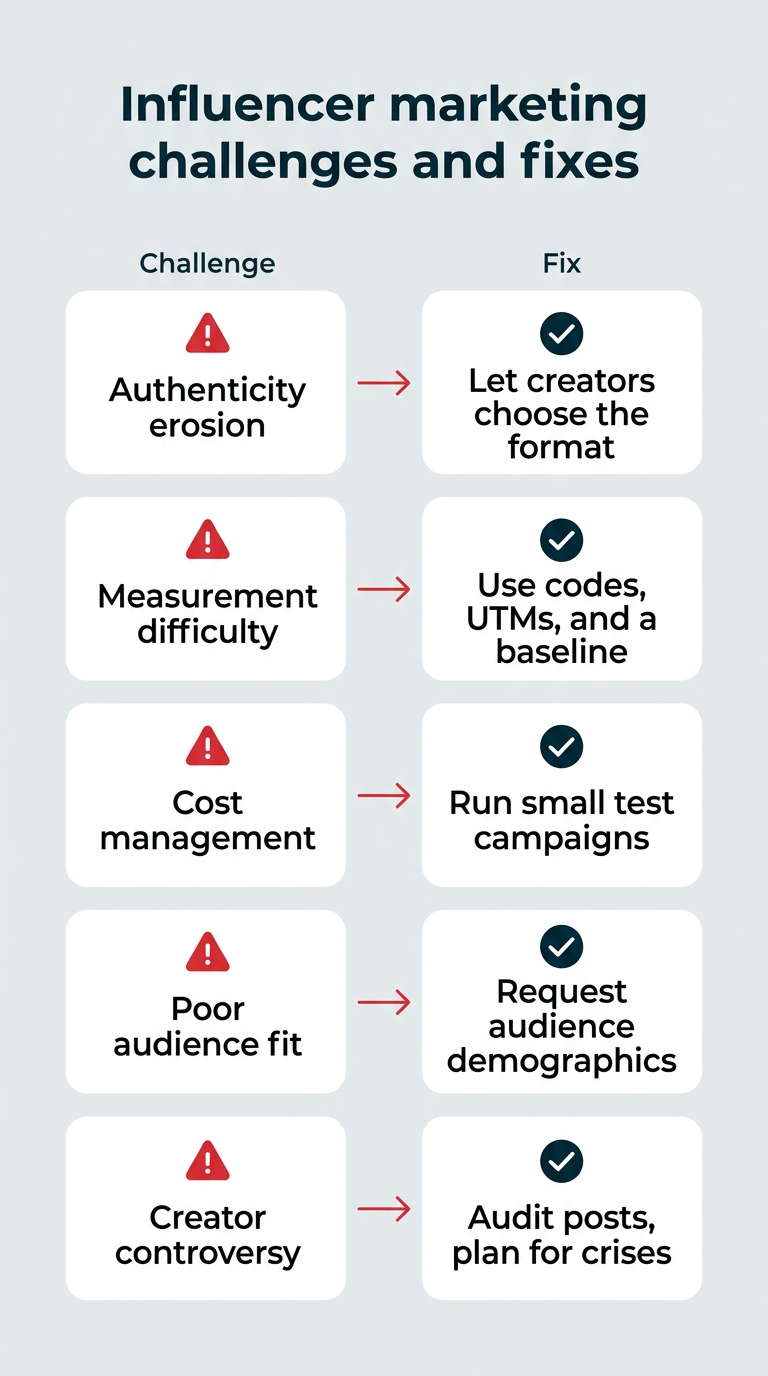
Despite its proven effectiveness, the industry is not without challenges. Common pitfalls include influencer fraud (such as fake followers and inflated engagement metrics), managing fluctuating content costs, ensuring strict regulatory compliance regarding sponsored disclosures, maintaining long-term creator accountability, and mitigating brand safety risks associated with public creator behavior. To counter these challenges, advanced marketers increasingly rely on strategic practices such as whitelisting creator content to run as targeted paid ads, layering affiliate commission structures for long-term engagement, and repurposing high-performing creator assets across corporate email headers, product pages, and retail displays.
As the creator economy continues its rapid expansion toward the next decade, the foundational principles of successful influencer marketing remain constant: prioritize genuine authenticity, anchor campaigns in robust strategic planning, and consistently measure performance against established business benchmarks.