The digital landscape has evolved into an attention economy where the primary currency is the user’s click. As content production reaches an all-time high, the role of the headline—often referred to in the industry as the "title tag"—has transitioned from a mere label to a critical strategic asset. Data from marketing research firms consistently indicates that while eight out of ten people will read a headline, only two out of ten will go on to read the rest of the article. This conversion gap highlights the profound impact that a well-crafted title has on the overall performance, discoverability, and longevity of digital content.
The Anatomy of Visibility and Engagement
A headline serves as the first, and frequently the only, point of contact between a publisher and a potential reader. In the modern content ecosystem, titles appear across diverse touchpoints: search engine results pages (SERPs), social media feeds, RSS aggregators, and newsletter subject lines. Each of these environments imposes constraints on length and context, forcing the headline to perform heavy lifting.
If a title fails to capture interest within the split-second window of a user’s scroll, the underlying content remains effectively invisible, regardless of the quality or depth of the research provided. Industry experts note that this is not merely a stylistic preference; it is a fundamental aspect of information architecture. A title that is vague, overly complex, or disconnected from the reader’s intent risks high bounce rates and low engagement, effectively rendering the hours spent on content production futile.
Historical Context and Copywriting Principles
The strategic importance of headlines is not a byproduct of the internet era; it is a legacy principle of classic advertising. Advertising pioneer David Ogilvy famously posited that the headline is the "ticket on the meat." His philosophy, documented extensively in his 1963 seminal work, Confessions of an Advertising Man, argues that the sole purpose of the headline is to compel the reader to consume the first sentence of the copy.

In the early days of blogging, titles were often functional and descriptive. However, as the volume of available content grew exponentially, the necessity for "magnetic" headlines became a prerequisite for survival. By the mid-2000s, the rise of search engine optimization (SEO) and social bookmarking sites like Digg transformed headline writing into a data-driven science. Today, publishers utilize A/B testing and algorithmic analysis to determine which linguistic structures yield the highest click-through rates (CTR).
Strategic Frameworks for Effective Headlines
To maximize reach and engagement, content creators rely on several proven methodologies. While no single approach is universally applicable, the following eight techniques represent the industry standard for optimizing titles.
1. Communication of Value and Utility
The most effective titles are those that clearly articulate the benefit to the reader. Research shows that users are more likely to engage with content that promises a direct solution to a specific problem. Titles that begin with "How to" or offer a listicle format—such as "10 Ways to Improve Your Photography"—function as a value proposition. They signal to the reader that the content is actionable, predictable, and beneficial.
2. The Role of Controlled Controversy
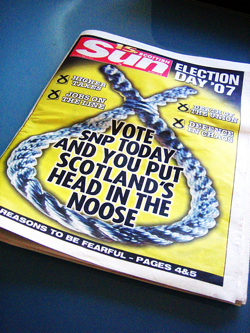
Controversy, when handled with nuance, remains a powerful driver of traffic. By presenting an opinion that challenges the status quo or sparks debate, a publisher can encourage active participation. However, analysts warn that this approach requires strong, evidence-based support within the body of the article. If the headline creates a promise of conflict that the content fails to satisfy, the result is often a loss of audience trust and long-term credibility.
3. Engaging the Reader Through Interrogation
Question-based titles inherently invite the reader to participate in an internal dialogue. By posing a question that addresses the reader directly—often utilizing the second-person pronoun "you"—publishers can create a sense of personal relevance. Data suggests that these headlines are particularly effective at fostering comment sections and community discussion, as they prompt readers to offer their own answers or experiences.

4. Personalization and Targeted Language
The use of direct, personal language transforms a broad, impersonal article into a tailored piece of advice. Addressing the reader’s specific needs or situations creates an immediate bond. The psychological principle here is the "cocktail party effect," where individuals are naturally more attentive to information that pertains directly to their own lives.
5. Search Engine Optimization (SEO) Integration
Keywords are the bridge between user intent and content delivery. Including high-volume, relevant keywords at the beginning of a title serves two purposes: it assists search engine crawlers in categorizing the content, and it assures the user that the page aligns with their search query. Studies indicate that the first 65 characters of a title are the most critical, as these are the primary segments displayed in standard search results.
6. The Strategic Use of Power Words
Language experts define "power words" as terms that evoke strong emotional or psychological responses. Words such as "essential," "proven," "instant," or "ultimate" are designed to trigger curiosity or urgency. While effective, these terms must be used judiciously. Over-reliance on superlative language can trigger a "clickbait" perception, leading to skepticism and a high rate of abandonment if the actual content is found lacking in substance.
7. Big Claims and Substantive Promises
Making a bold claim can significantly increase the visibility of an article. When a headline offers a transformative result or a definitive answer to a complex issue, it draws in users who may have been indifferent to the topic otherwise. The challenge, however, is the "delivery gap." A title that makes a massive promise must be matched by a corresponding level of depth and accuracy in the article to maintain reader loyalty.
8. The Utility of Humor
Humor is a sophisticated tool that can differentiate a brand in a crowded market. A witty or unexpected headline can create a positive first impression and encourage social sharing. The primary risk is that humor is subjective and, if miscalculated, can alienate segments of the audience or fail to translate well to international readers.
Technical Best Practices for Modern Headlines
Beyond the thematic content of the title, technical execution is paramount. Modern SEO guidelines suggest that brevity is generally superior. While long titles may occasionally perform well, they are often truncated by search engines, leading to a loss of clarity. A concise, clear, and punchy headline typically performs better across both desktop and mobile platforms.
Furthermore, the stylistic choice of punctuation carries weight. The use of periods at the end of a title is generally discouraged in professional journalism, as it signals a "stop" to the reader, whereas open-ended or punchy titles maintain a sense of momentum. Avoiding unnecessary punctuation allows the reader to transition more fluidly into the opening paragraph of the piece.
Broader Implications for the Publishing Industry
The discipline of headline writing has become an essential pillar of modern digital strategy. As platforms shift toward algorithmic curation, the importance of the headline has only grown. Platforms like Google and social media networks prioritize content that receives high engagement, and the headline is the primary gatekeeper for those metrics.
Ultimately, the goal of a professional headline is not merely to "trick" a reader into clicking, but to create an honest, compelling invitation to engage with high-quality content. As the digital media landscape continues to mature, the publishers who succeed will be those who balance the psychological drivers of curiosity with the technical requirements of discoverability. By treating every title as a critical component of the editorial process, content creators can ensure that their work achieves the visibility and impact it deserves, preventing valuable information from being buried in the vast, unread archives of the internet.