
The modern consumer landscape is increasingly defined by "habitual consumption," a cycle of recurring purchases that often stem from convenience-based marketing rather than genuine utility. Data from household economic surveys indicate that the average household loses thousands of dollars annually on low-cost, high-frequency items that provide minimal long-term value. By auditing these routine expenditures, individuals can reclaim significant portions of their disposable income. This report examines 33 categories of goods that are frequently over-purchased and provides a framework for transitioning from impulsive consumption to intentional, value-based spending.
The Economics of Habitual Consumption
Consumer behavior experts identify the "convenience trap" as a primary driver of household budget depletion. When a product is priced low—such as a single sponge or a pack of batteries—the psychological threshold for purchase is negligible. However, when these small transactions are aggregated over a fiscal year, they represent a significant line item. For example, the recurring cost of weekly sponge replacements, high-frequency paper towel usage, and brand-name cleaning supplies can result in hundreds of dollars of wasted capital.
A shift in strategy requires moving away from the "checkout aisle" mentality. Retailers strategically place high-margin, low-cost items at the point of sale to capitalize on subconscious triggers. By analyzing the lifecycle of these products, consumers can implement more sustainable and cost-effective alternatives.

Essential Audits: Maintenance and Longevity
One of the most significant sources of waste involves the premature replacement of durable goods. A recurring theme in household finance is the "replacement cycle," where consumers discard functional items due to minor performance issues.
1. Vacuum Cleaners and Large Appliances
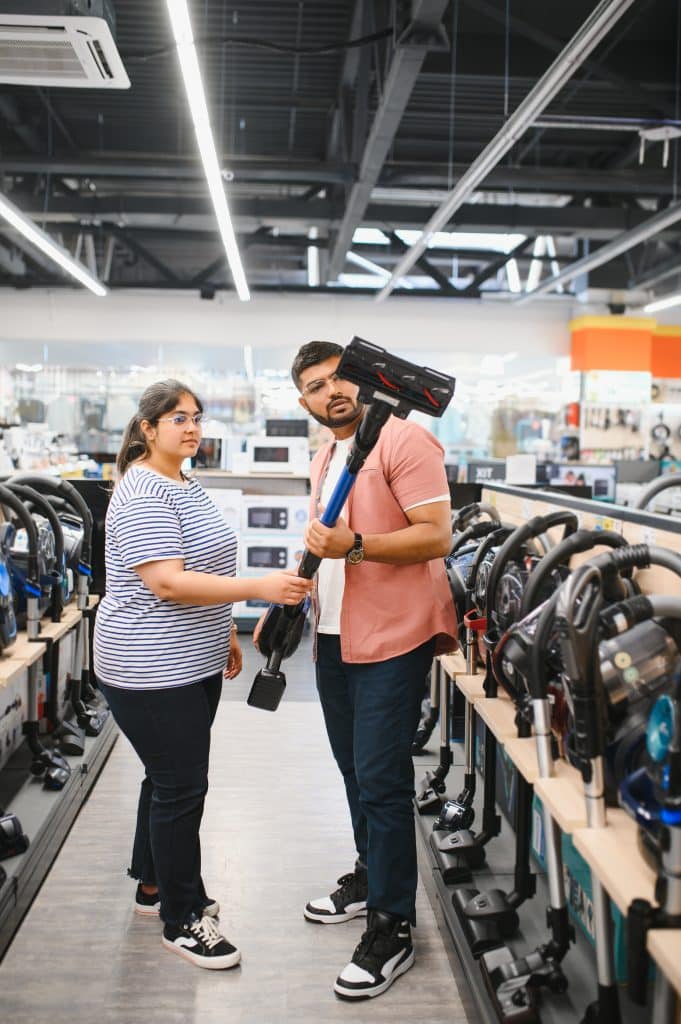
Statistical analysis of small appliance repairs suggests that over 60% of vacuum cleaners discarded as "broken" suffer only from minor obstructions or maintenance failures. Clogged filters, tangled brush rolls, or overfilled canisters are often mistaken for motor failure. Replacing a $500 appliance when a $10 filter could resolve the issue is a failure of maintenance, not a necessity of function.
2. Nonstick Cookware and Kitchen Gadgets
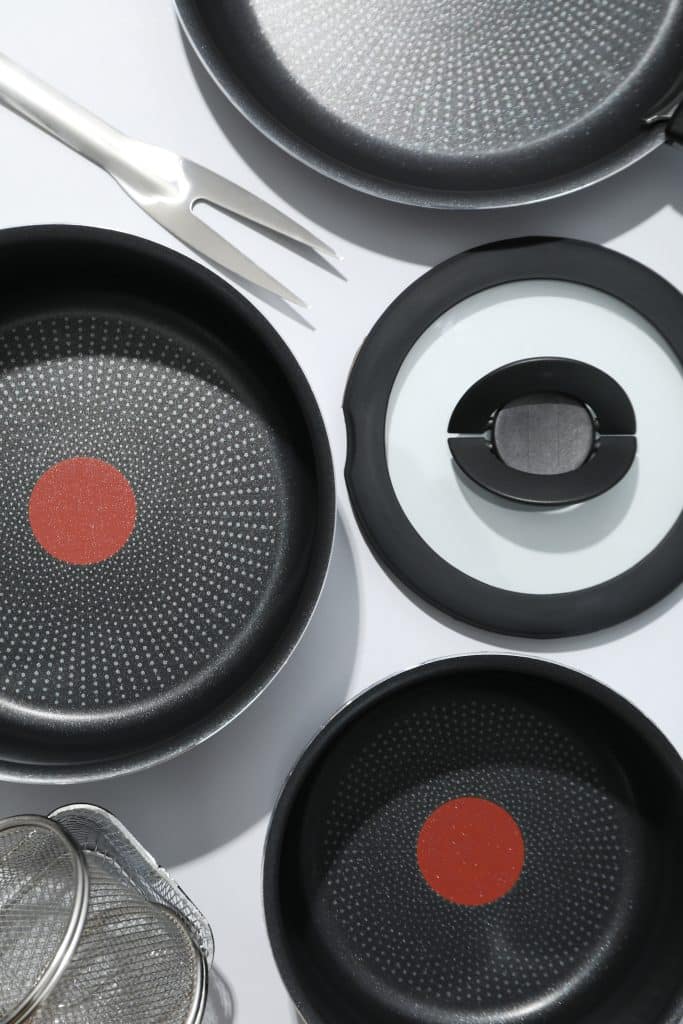
The life expectancy of nonstick pans is significantly shortened by the use of metal utensils and high-heat cooking. While entry-level nonstick pans are marketed as disposable, professional culinary standards favor mid-range, high-durability pans that, when handled correctly, last five times longer. Similarly, single-use kitchen gadgets—such as avocado slicers or strawberry hullers—represent a "space-cost" that often outweighs their utility. Standard, high-quality chef knives are capable of performing these tasks with greater precision and zero additional storage cost.
Rethinking Consumables and Recurring Supplies
For many households, the recurring purchase of consumables is a matter of tradition rather than requirement.
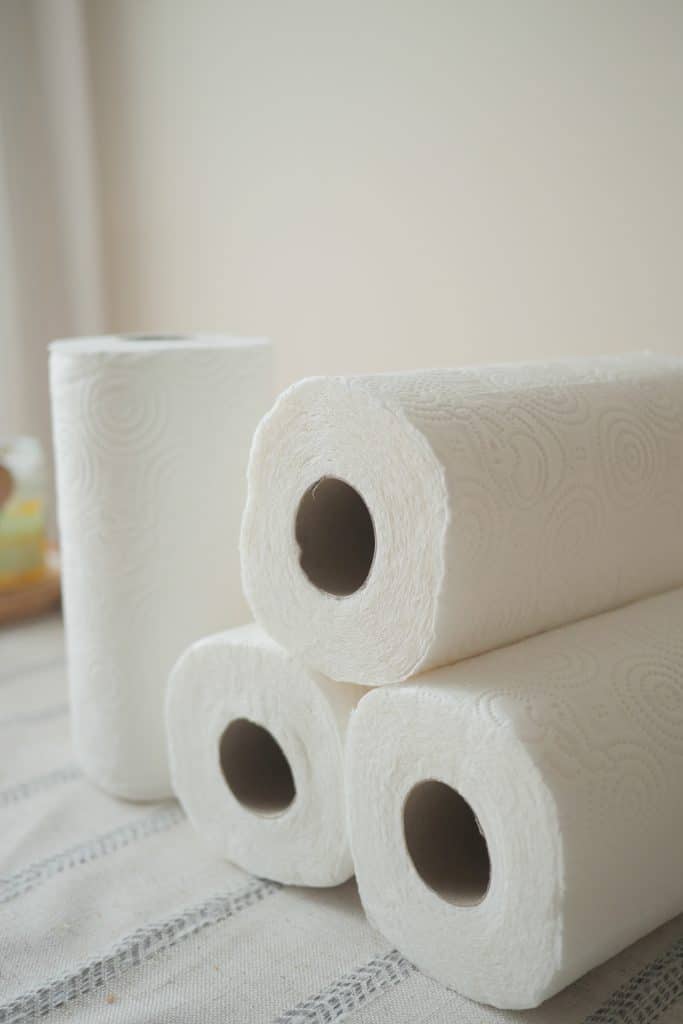
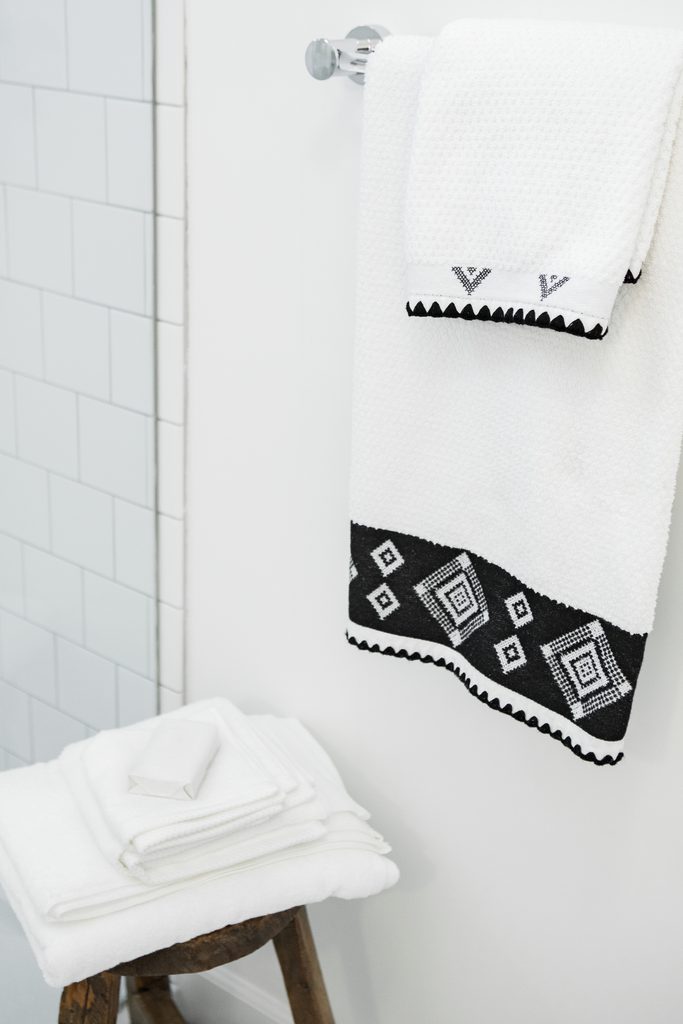
- Paper Products: The reliance on paper towels for minor spills remains a major source of unnecessary expenditure. The integration of reusable cloth textiles allows for consistent cleaning performance without the constant need for replenishment.
- Cleaning Solutions: Market saturation has led to the proliferation of surface-specific cleaners. Laboratory testing consistently shows that a single, high-quality all-purpose cleaner is sufficient for the vast majority of household surfaces. The fragrance-focused marketing of boutique cleaning brands adds a significant premium to the cost per ounce without increasing chemical efficacy.
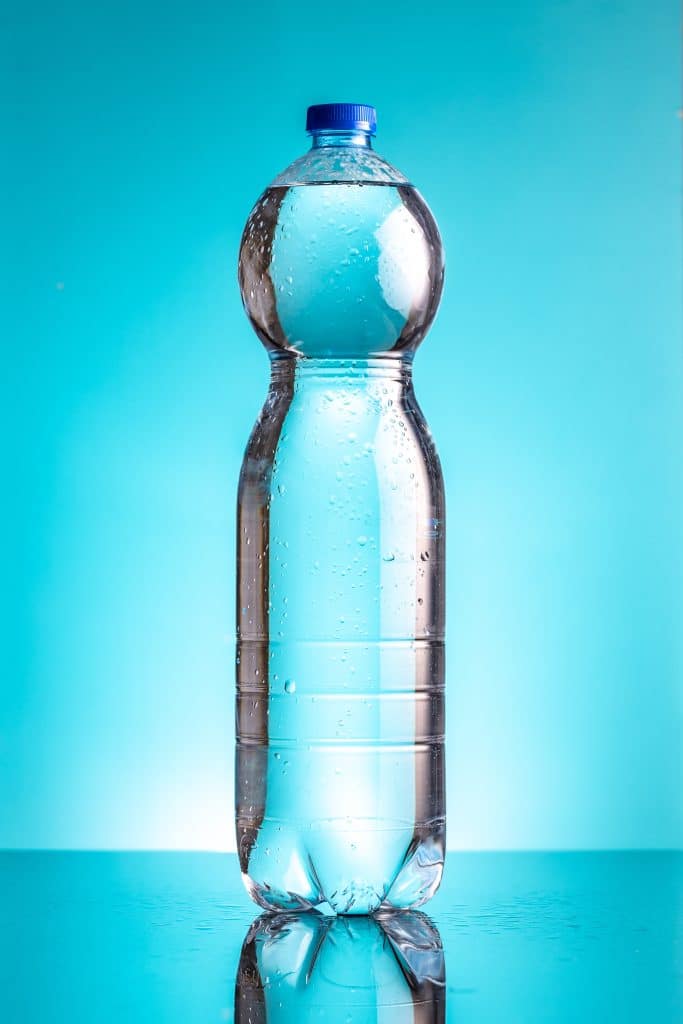
- Water Consumption: The purchase of bottled water in cases has been identified as one of the least efficient household expenditures. Data indicates that filtered tap water systems provide the same, if not higher, quality of hydration at a fraction of the cost, eliminating the environmental impact of plastic waste and the logistics of recurring store visits.
The Myth of the "Investment" Purchase
A critical area of consumer waste involves items marketed as future investments or "necessities" that seldom fulfill their promises.

Collectibles and Decor
The "collectibles" market, including commemorative plates and limited-edition figurines, frequently relies on the premise of appreciation. However, resale data indicates that the vast majority of mass-produced collectibles lose value immediately upon purchase. Unless an item has documented provenance and rarity, it should be viewed as decorative spending rather than a financial asset.

Furniture and Seasonal Trends
Furniture procurement often suffers from timing inefficiency. Retailers operate on clear seasonal cycles, with major markdowns aligned with holiday weekends. Consumers who purchase furniture on impulse—to fill an empty space or match a fleeting design trend—often pay a 20% to 30% premium compared to those who wait for cycle-based sales. Furthermore, the practice of "filling" every room creates a cluttered environment that requires more maintenance and reduces the functional breathing room of the home.
Strategic Financial Habits: The "Generic Test"
Financial advisors frequently recommend the "Generic Test" as a baseline for household savings. In most retail environments, store-brand or private-label products are manufactured in the same facilities as name-brand counterparts. The price disparity is almost exclusively a result of marketing and branding budgets.
When auditing household spending, consumers are encouraged to:

- Prioritize Repairs: Before replacing any electronic or mechanical device, consult the manufacturer’s manual or online diagnostic forums.
- Buy in Bulk for Non-Perishables: Items that have a long shelf life, such as batteries or trash bags, should be purchased in bulk to take advantage of lower per-unit pricing.
- Evaluate Frequency: If an item is used less than once a month, consider whether renting, borrowing, or simply doing without is a more viable option.
The Broader Implications of Mindful Consumption
The transition to intentional spending is not about deprivation; it is about the optimization of resources. As inflationary pressures impact the cost of living, households that focus on the longevity of their assets—repairing rather than replacing, and buying for durability rather than convenience—demonstrate greater financial resilience.

Industry experts observe that this shift in consumer behavior is slowly forcing retailers to adjust their strategies. As more consumers opt for long-lasting tools and generic alternatives, the market for "disposable convenience" products may see a decline.
Conclusion: Moving Forward
The path to improved financial health begins with the identification of "autopilot" purchases. By systematically reviewing the 33 categories identified in this analysis—ranging from cleaning supplies and razor blades to high-ticket appliances—consumers can eliminate thousands of dollars in annual waste.
The primary takeaway is clear: the most expensive purchases are often the ones made in moments of frustration or panic. By slowing the decision-making process, conducting basic maintenance on existing goods, and resisting the urge to follow retail-driven "seasonal" trends, households can achieve a level of financial freedom that is rarely found in the aisles of a big-box store. Ultimately, the objective is to ensure that every dollar spent is directed toward a genuine, long-term need, rather than the temporary relief of a marketing-induced impulse.