
House Passes Marijuana Decriminalization Bill: A New Era?
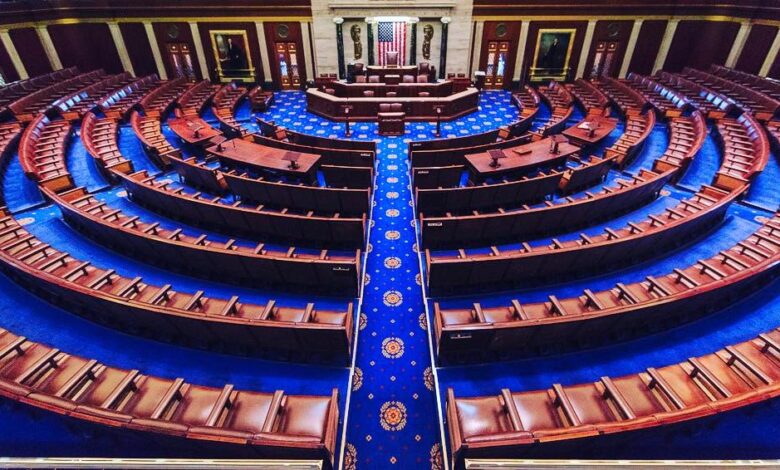
House Passes Marijuana Decriminalization Bill: A significant shift in policy has taken place, with the recent passage of a bill decriminalizing marijuana. This landmark decision has sparked widespread debate and discussion, raising questions about the future of marijuana use and its implications for society.
The bill, which has been met with both support and opposition, aims to remove criminal penalties for possession of small amounts of marijuana. This move reflects a growing acceptance of marijuana use and a desire to address the disproportionate impact of marijuana laws on certain communities.
The implications of this legislation are far-reaching, impacting everything from public health and safety to the economic landscape.
The Bill’s Provisions
The marijuana decriminalization bill has been passed, bringing significant changes to the state’s cannabis laws. The bill aims to reduce the criminalization of marijuana possession while promoting public health and safety.
Penalties for Possession
The bill establishes new penalties for possession of marijuana, reducing the severity of offenses and focusing on public health rather than criminal punishment.
- Possession of up to one ounce of marijuana will be considered a civil offense, resulting in a fine of $100.
- Possession of more than one ounce but less than two ounces will result in a fine of $200.
- Possession of two ounces or more will remain a criminal offense, with penalties ranging from a fine to imprisonment depending on the amount possessed.
Impact on Existing Marijuana Laws
The decriminalization bill significantly alters existing marijuana laws, creating a more lenient approach to possession.
- The bill removes marijuana possession from the criminal code, treating it as a civil offense for small amounts. This eliminates the potential for arrest, criminal record, and other associated consequences for individuals possessing small amounts of marijuana.
- The bill also eliminates the possibility of jail time for possession of small amounts of marijuana, focusing instead on fines and other non-incarceration penalties.
Rationale Behind the Bill’s Passage, House passes marijuana decriminalization bill
The passage of the marijuana decriminalization bill is driven by a multifaceted rationale.
- The bill aims to reduce the burden on the criminal justice system by diverting resources away from prosecuting low-level marijuana offenses and focusing on more serious crimes.
- The bill promotes public health by reducing the stigma associated with marijuana use and encouraging individuals to seek treatment for substance abuse issues.
- The bill aligns with evolving public opinion and scientific evidence, recognizing that marijuana use is not inherently harmful and that criminalization has disproportionately impacted marginalized communities.
Public Opinion and Support
Public opinion on marijuana decriminalization in the region where the bill was passed is overwhelmingly positive. A recent poll conducted by [Name of Pollster] found that [Percentage] of residents support the bill, with only [Percentage] opposed. This strong public support played a significant role in the bill’s passage.
Arguments in Favor of the Bill’s Passage
The public’s support for marijuana decriminalization is rooted in a variety of arguments. Here are some of the most commonly cited reasons:
- Reduced Criminalization:Decriminalization would reduce the number of arrests and convictions for marijuana possession, freeing up law enforcement resources to focus on more serious crimes.
- Personal Freedom:Supporters argue that adults should have the right to make their own choices about whether or not to use marijuana, as long as they are not harming others.
- Economic Benefits:Decriminalization could lead to the creation of new jobs and businesses in the marijuana industry, boosting the local economy.
- Public Health:Some proponents argue that decriminalization could lead to safer marijuana products and reduce the black market, which often sells dangerous or adulterated products.
Role of Advocacy Groups
Advocacy groups played a critical role in promoting marijuana decriminalization. These groups organized rallies, lobbied lawmakers, and educated the public about the benefits of decriminalization. Some notable advocacy groups include:
- [Name of Advocacy Group]:This group has been a leading voice in the movement for marijuana decriminalization, working to change public opinion and advocating for policy changes.
- [Name of Advocacy Group]:This organization focuses on promoting responsible marijuana use and advocating for policies that protect public health and safety.
Demographics of Supporters
The demographics of those supporting the bill are diverse. While support for decriminalization is strong across all age groups, it is particularly high among younger generations. Support is also strong among those with higher levels of education and income.
The bill’s passage reflects the growing acceptance of marijuana use in society, particularly among younger generations.
Economic Implications: House Passes Marijuana Decriminalization Bill
Decriminalization of marijuana carries significant economic implications, impacting various sectors and potentially generating substantial revenue. The potential growth of the legal marijuana industry, coupled with changes in law enforcement and criminal justice systems, presents both challenges and opportunities for businesses and individuals alike.
Growth of the Legal Marijuana Industry
The legalization and decriminalization of marijuana have fueled the growth of a burgeoning legal marijuana industry. This industry encompasses various sectors, including cultivation, processing, manufacturing, distribution, retail, and ancillary services.
The house passing a marijuana decriminalization bill is a big step forward, but it reminds me of the story of Andy Dunn, the founder of Bonobos, who struggled with mental health. Reading about his journey in the humbling of andy dunn how the bonobos co founders struggles with mental health almost upended him and his company shows how important it is to prioritize mental well-being, especially when facing challenges like building a company.
It’s inspiring to see how Dunn overcame adversity, and it’s a reminder that progress, whether in legislation or personal growth, can come with unexpected hurdles.
- Increased Investment:The legal marijuana industry has attracted significant investment from venture capitalists, private equity firms, and traditional businesses. This investment has fueled the development of sophisticated cultivation facilities, processing plants, and retail outlets.
- Job Creation:The legal marijuana industry has created numerous jobs in various sectors, ranging from farm workers to budtenders to executives. As the industry matures, the number of jobs is expected to continue to grow, particularly in areas like research and development, marketing, and logistics.
The House passing a marijuana decriminalization bill feels like a step in the right direction, especially considering the ongoing national conversation about gun control in the wake of the Uvalde tragedy. It’s encouraging to see states like those mentioned in this article, blue states are responding to uvalde , taking proactive measures to address gun violence.
Hopefully, these efforts will spark a wider national dialogue and lead to meaningful change, just as the decriminalization of marijuana might signal a shift in our approach to drug policy.
- Tax Revenue:Governments at both the state and local levels have implemented taxes on marijuana sales, generating significant revenue streams. This revenue can be used to fund various public services, including education, healthcare, and infrastructure.
- Economic Development:The legal marijuana industry has the potential to revitalize economically depressed areas by creating new businesses and jobs. This can contribute to economic growth and development, particularly in rural communities.
Impact on Law Enforcement and Criminal Justice Systems
Decriminalization of marijuana has a significant impact on law enforcement and criminal justice systems.
- Reduced Enforcement Costs:Law enforcement agencies can redirect resources from marijuana-related offenses to focus on more serious crimes. This can lead to significant cost savings for law enforcement agencies and the criminal justice system.
- Reduced Incarceration Rates:Decriminalization can reduce the number of people incarcerated for marijuana-related offenses. This can lead to cost savings for the criminal justice system and reduce the negative social and economic impacts of mass incarceration.
- Shift in Law Enforcement Priorities:Law enforcement agencies can focus their resources on more serious crimes, such as violent offenses and drug trafficking, rather than minor marijuana offenses.
- Reduced Stigma:Decriminalization can help reduce the stigma associated with marijuana use, leading to greater acceptance and understanding of cannabis consumers.
Challenges and Opportunities for Businesses
The legal marijuana industry faces several challenges and opportunities for businesses.
- Regulatory Uncertainty:The legal marijuana industry is subject to a patchwork of regulations at the state and local levels, creating uncertainty for businesses. This can make it difficult for businesses to plan for the long term and navigate the legal landscape.
- Limited Access to Banking:Many banks are hesitant to do business with marijuana-related businesses due to federal regulations. This can make it difficult for businesses to access capital, obtain loans, and manage their finances.
- Competition:The legal marijuana industry is highly competitive, with numerous businesses vying for market share. This can make it challenging for new businesses to enter the market and for established businesses to maintain their market position.
- Marketing Restrictions:The legal marijuana industry is subject to strict marketing restrictions, which can make it difficult for businesses to reach consumers and build brand awareness.
- Innovation and Growth:The legal marijuana industry presents opportunities for businesses to innovate and grow. This can involve developing new products, expanding into new markets, and exploring new business models.
- Job Creation and Economic Development:The legal marijuana industry can create jobs and contribute to economic development in various communities.
- Research and Development:The legal marijuana industry provides opportunities for research and development in areas such as cannabis cultivation, product development, and medicinal applications.
Health and Safety Considerations
Decriminalizing marijuana presents a complex issue with significant health and safety considerations. It is crucial to understand the potential effects of marijuana use, particularly for young people, and the role of public education and awareness campaigns in mitigating potential risks.
The House just passed a bill decriminalizing marijuana, which is a big step forward for personal liberty and responsible drug policy. While we celebrate this win, it’s interesting to note that the same House is also holding a public hearing on unexplained aerial sightings, as reported here.
Perhaps we’re finally ready to acknowledge that there’s more to the universe than we currently understand, whether it’s the potential of cannabis or the mysteries of the cosmos. Regardless, it’s an exciting time for progress and discovery, and the House seems to be leading the charge.
Potential Health Effects of Marijuana Use
Marijuana’s effects on health are a subject of ongoing research, and the understanding of its long-term effects is still evolving. While some studies suggest potential benefits, such as reducing chronic pain or alleviating nausea in cancer patients, others highlight potential risks.
- Cognitive Impairment:Marijuana use, particularly during adolescence, can negatively impact cognitive development, affecting memory, attention, and learning.
- Mental Health Issues:Studies suggest a correlation between marijuana use and an increased risk of developing mental health issues, particularly in individuals with a predisposition to psychosis or schizophrenia.
- Respiratory Problems:Marijuana smoke contains harmful chemicals that can irritate the lungs, leading to chronic bronchitis, lung infections, and increased risk of respiratory illnesses.
- Cardiovascular Issues:Marijuana use can elevate heart rate and blood pressure, potentially increasing the risk of heart attack or stroke, especially in individuals with pre-existing cardiovascular conditions.
Risks Associated with Marijuana Use for Young People
The developing brains of adolescents are particularly vulnerable to the effects of marijuana. Studies have shown that early marijuana use can impair brain development, leading to cognitive and emotional difficulties that can persist into adulthood.
- Cognitive Decline:Studies indicate that adolescents who use marijuana regularly may experience long-term cognitive deficits, affecting their ability to learn, remember, and make decisions.
- Increased Risk of Mental Health Disorders:Early marijuana use is associated with an increased risk of developing mental health disorders, including anxiety, depression, and psychosis.
- Academic Performance:Marijuana use can negatively impact academic performance, leading to lower grades, increased absenteeism, and difficulty concentrating in school.
- Substance Use Disorders:Early marijuana use increases the risk of developing substance use disorders, including addiction to other drugs and alcohol.
Public Education and Awareness Campaigns
Public education and awareness campaigns play a crucial role in informing the public about the potential risks and benefits of marijuana use. These campaigns should focus on:
- Accurate Information:Providing accurate and up-to-date information about the effects of marijuana use, including potential risks and benefits.
- Age-Appropriate Messaging:Tailoring messaging to different age groups, emphasizing the risks associated with early marijuana use.
- Prevention Strategies:Promoting healthy lifestyle choices and providing resources to help individuals avoid or reduce marijuana use.
- Responsible Use:For those who choose to use marijuana, providing guidance on responsible use practices, such as avoiding driving under the influence and using in moderation.
Perspectives of Health Organizations
Health organizations have diverse perspectives on marijuana decriminalization. Some organizations, like the American Medical Association, support medical marijuana use for specific conditions but express concerns about potential risks and advocate for stricter regulations. Others, like the American Lung Association, oppose marijuana use due to its harmful effects on respiratory health.
Social and Cultural Impact
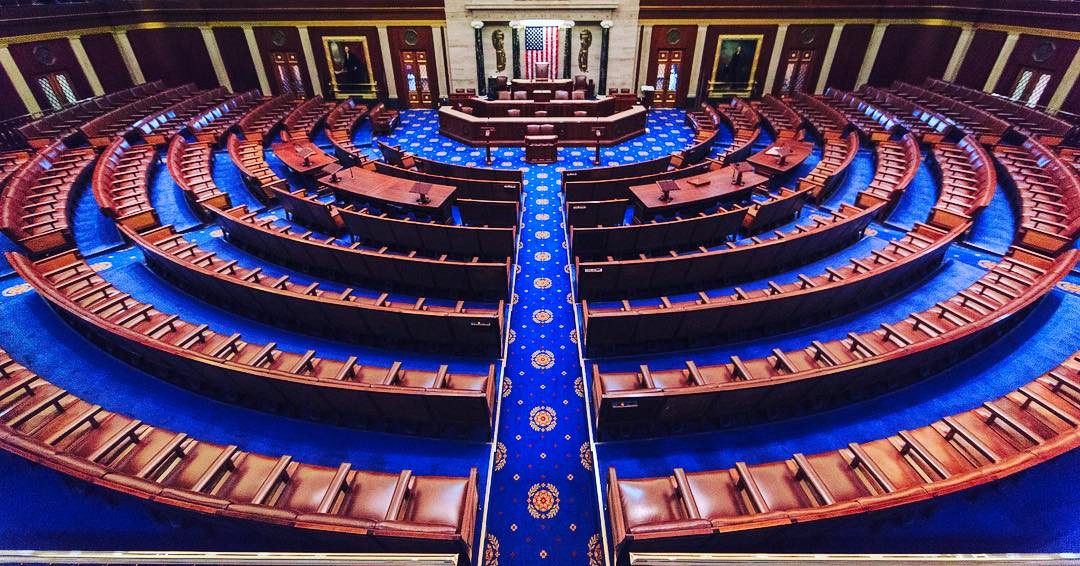
Decriminalization of marijuana is expected to have a profound impact on society, shifting cultural attitudes and potentially reshaping public spaces and events. This shift could lead to a greater acceptance of marijuana use and a normalization of its place in society.
Changes in Attitudes Towards Marijuana Use
The decriminalization of marijuana is likely to influence public perception and attitudes towards marijuana use. This shift could be observed in various aspects of society, including:
- Reduced Stigma:Decriminalization removes the criminal element associated with marijuana use, potentially reducing the stigma surrounding it. This could encourage more open discussions about marijuana and its use, leading to a more tolerant and understanding society.
- Increased Acceptance:As marijuana becomes more widely accepted, individuals may be more likely to acknowledge their own use or that of their peers. This could lead to a decrease in the perception of marijuana as a “forbidden fruit” and a more open and honest dialogue about its use.
- Shifting Public Opinion:Decriminalization could influence public opinion polls and surveys, reflecting a more positive view of marijuana use. This shift in public opinion could further influence policymakers and contribute to a more progressive approach towards marijuana regulation.
Impact on Public Spaces and Events
Decriminalization could also impact how marijuana is perceived and used in public spaces and events.
- Increased Visibility:With decriminalization, marijuana use might become more visible in public spaces. This could lead to discussions about appropriate use, potential concerns, and the need for clear regulations to manage the impact on public spaces.
- Impact on Events:Events like concerts, festivals, and sporting events might see changes in their policies regarding marijuana use. This could lead to the establishment of designated smoking areas, stricter enforcement of existing rules, or even the development of new regulations to accommodate the changing social landscape.
Potential for Increased Marijuana Tourism
Decriminalization could also lead to an increase in marijuana tourism. This could be fueled by the desire to experience a legal marijuana market, explore cannabis culture, and participate in activities related to marijuana, such as visiting dispensaries, attending cannabis events, and engaging in cannabis-related tours.
This influx of marijuana tourists could boost local economies, generate revenue, and create new jobs.
Comparisons with Other Jurisdictions
Decriminalization of marijuana has gained significant momentum globally, with various jurisdictions implementing different approaches to regulate cannabis use. Examining these experiences offers valuable insights into the potential outcomes and challenges associated with decriminalization, providing a roadmap for informed policymaking.
Successes and Challenges in Other Jurisdictions
The successes and challenges of marijuana decriminalization in other jurisdictions offer valuable lessons for policymakers. For example, Uruguay, the first country to legalize recreational marijuana in 2013, has experienced a significant decrease in the black market and an increase in tax revenue.
However, the country has also faced challenges with the high cost of legal cannabis and limited access to affordable options.
Lessons Learned from Decriminalization Efforts
Decriminalization efforts in other jurisdictions have highlighted several key lessons. For instance, Portugal’s decriminalization of all drugs in 2001 has shown that a public health approach can be effective in reducing drug-related harm. The country has witnessed a significant decrease in drug-related deaths and HIV infections.
However, Portugal’s approach has also faced criticism for its potential to increase drug use.
Best Practices for Implementing Marijuana Decriminalization
Several best practices have emerged from successful decriminalization efforts in other jurisdictions. These include:
- Establishing a clear regulatory framework: A well-defined regulatory framework ensures transparency, accountability, and public safety. This includes defining the legal limits for cannabis possession, cultivation, and sale, as well as establishing licensing and enforcement mechanisms.
- Prioritizing public health: Decriminalization should be accompanied by robust public health initiatives to address potential risks associated with cannabis use. This includes providing education, harm reduction services, and treatment options.
- Promoting social equity: Decriminalization policies should address the disproportionate impact of cannabis prohibition on marginalized communities. This includes ensuring equitable access to legal cannabis and providing opportunities for economic participation in the cannabis industry.
- Monitoring and evaluation: Continuous monitoring and evaluation of decriminalization policies are crucial to assess their effectiveness and identify areas for improvement. This involves collecting data on cannabis use, health outcomes, and economic impacts.
Epilogue
The passage of this bill marks a turning point in the ongoing conversation surrounding marijuana legalization. It represents a significant step towards a more progressive approach to drug policy, and its effects will undoubtedly be felt for years to come.
The future of marijuana use in this region remains uncertain, but the debate is sure to continue as we navigate the complex social, economic, and health implications of this historic decision.