Russias War in Ukraine: A Dangerous New Phase Explained
The dangerous new phase of russias war in ukraine explained – Russia’s War in Ukraine: A Dangerous New Phase Explained sets the stage for this enthralling narrative, offering readers a glimpse into a story that is rich in detail and brimming with originality from the outset. The war in Ukraine has entered a new and perilous phase, marked by a shift in Russia’s military strategy, a renewed offensive, and a growing human cost.
This blog post will delve into the intricacies of this dangerous new phase, exploring the motivations behind Russia’s actions, the military tactics employed, and the potential consequences for Ukraine, Russia, and the world at large.
This new phase is characterized by a more focused and aggressive approach, with Russia concentrating its efforts on key regions in eastern Ukraine. The offensive has been met with fierce resistance from Ukrainian forces, but the outcome remains uncertain. The war’s impact extends far beyond the battlefield, with civilians bearing the brunt of the violence and the global community grappling with the humanitarian crisis and its geopolitical implications.
The Shift in Russia’s War Strategy
The war in Ukraine has entered a new, potentially more dangerous phase. Russia’s military approach has shifted dramatically, marking a departure from the initial strategy of a swift and decisive victory. This change in tactics raises critical questions about Moscow’s objectives, the potential for escalation, and the future of the conflict.
The Evolution of Russia’s Military Approach
The initial stages of the war were characterized by a focus on rapid advances and a belief in overwhelming Ukrainian defenses. Russia’s military employed a combination of air and ground assaults, aiming to quickly seize key cities and cripple Ukrainian resistance.
However, this strategy proved largely unsuccessful. Ukrainian forces, aided by Western weapons and intelligence, mounted a staunch defense, inflicting heavy losses on the Russian military.
Factors Driving the Shift in Strategy
Several factors have contributed to the shift in Russia’s military approach.
- Stalled Advance:Russia’s initial offensive faltered, with its troops struggling to achieve significant breakthroughs. This failure to achieve rapid victory exposed weaknesses in the Russian military, including logistical shortcomings, outdated equipment, and a lack of adequate training.
- Western Military Support:The influx of Western weapons, including anti-tank missiles, artillery, and intelligence, has significantly bolstered Ukraine’s defenses and hindered Russian advances. Western support has also provided Ukraine with critical logistical and financial assistance, enabling them to sustain their resistance.
- Growing Domestic Pressure:The war has been met with increasing domestic criticism in Russia. The high number of casualties, the economic impact of sanctions, and the failure to achieve a quick victory have eroded public support for the war. This pressure has likely influenced the Kremlin’s decision to shift strategy.
Motivations Behind the Shift in Strategy
Russia’s new strategy appears to be driven by a combination of factors:
- Focus on Donbas:The shift towards a more focused and concentrated approach in the Donbas region reflects Russia’s attempt to achieve at least a partial victory and secure control of the strategically important region. The Donbas, with its industrial and resource-rich areas, has been a key objective for Russia since 2014.
- Attrition Warfare:The adoption of a grinding, attrition-based strategy suggests Russia’s acceptance of a protracted conflict. This approach prioritizes inflicting heavy casualties on Ukrainian forces, aiming to exhaust their resources and demoralize their troops.
- Shifting Objectives:The shift in strategy may also indicate a change in Russia’s overall objectives. Instead of aiming for a quick victory and regime change in Kyiv, Moscow may now be seeking to secure a more limited territorial gain, such as the Donbas region, while also weakening Ukraine’s military and economy.
Comparison to the Initial Stages of the War
The new phase of the war represents a significant departure from the initial stages. While the initial strategy focused on rapid advances and overwhelming force, the current approach emphasizes attrition, gradual gains, and a focus on specific objectives. The shift in strategy reflects a recognition of Russia’s military limitations and the resilience of Ukrainian defenses.
The New Offensive and its Goals
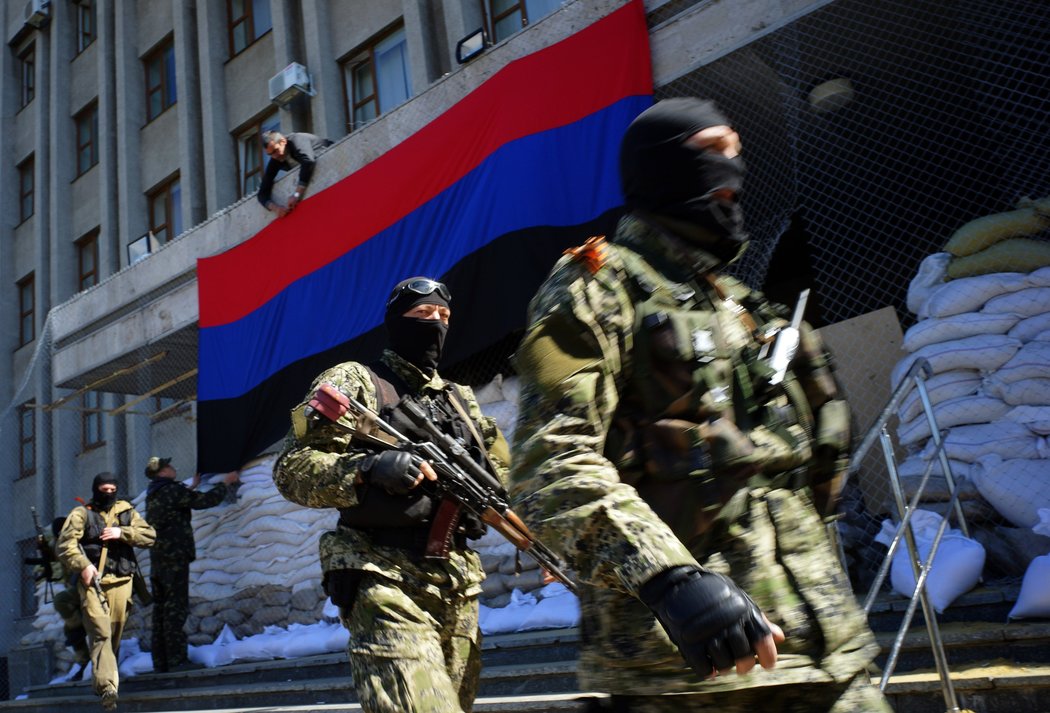
The current Russian offensive in Ukraine marks a significant shift in their military strategy, with a renewed focus on capturing key territories in the east. This offensive is characterized by a concentrated effort to secure control of the Donbas region, including the Luhansk and Donetsk oblasts, while simultaneously pushing towards the south, aiming to establish a land bridge connecting Crimea to mainland Russia.
Strategic Importance of the Targeted Regions
The Donbas region holds immense strategic importance for both Russia and Ukraine. It is home to the majority of Ukraine’s heavy industry and coal mines, making it a crucial economic hub. For Russia, capturing the Donbas would represent a significant victory, as it would solidify their control over the eastern part of Ukraine and provide a buffer zone against further Ukrainian advances.
- Control over key infrastructure:The Donbas region is rich in natural resources, including coal, iron ore, and natural gas. Securing control over these resources would be a major strategic advantage for Russia.
- Access to the Azov Sea:The Donbas region borders the Azov Sea, which is a key waterway for both Russia and Ukraine. Capturing the coastline would give Russia control over the sea, potentially disrupting Ukrainian trade and access to vital ports.
- Buffer zone against NATO:Russia has long viewed the Donbas as a buffer zone against NATO expansion. Securing control over the region would provide Russia with a strategic advantage in any future confrontation with NATO.
Potential Implications of Achieving Objectives
The success of this offensive could have profound implications for the course of the war. If Russia manages to capture the Donbas and establish a land bridge to Crimea, it would significantly weaken Ukraine’s position and could potentially lead to a stalemate in the conflict.
- Increased Russian influence:A successful offensive would solidify Russia’s control over eastern Ukraine and give it greater influence in the region.
- Diplomatic leverage:A significant military victory could give Russia more leverage in future negotiations with Ukraine and its allies.
- Shift in the balance of power:A successful offensive could significantly shift the balance of power in the region, potentially leading to a new geopolitical order.
Risks and Challenges Associated with the Offensive
While the offensive has yielded some initial gains for Russia, it faces significant challenges and risks. Ukraine’s defense has proven to be more resilient than anticipated, and the Russian military has faced logistical and tactical difficulties.
- Ukrainian resistance:Ukrainian forces have mounted a fierce defense, utilizing their knowledge of the terrain and leveraging Western weapons and intelligence support.
- Logistical challenges:The offensive has been hampered by logistical challenges, including supply shortages and difficulties in maintaining momentum.
- International condemnation:The offensive has been met with widespread international condemnation, with many countries imposing further sanctions on Russia.
Military Capabilities and Tactics: The Dangerous New Phase Of Russias War In Ukraine Explained
This new phase of the war in Ukraine sees Russia employing a different set of military capabilities and tactics compared to the initial stages. The focus has shifted from rapid advances to a more deliberate and grinding war of attrition, characterized by heavy artillery bombardments and the use of specialized units for specific objectives.
The war in Ukraine has entered a new, more dangerous phase with Russia’s focus shifting towards eastern Donbas. While this grim reality unfolds, it’s interesting to note that the tech world is also experiencing shifts, with Android losing market share to iOS despite still dominating the overall market.
This dynamic reminds us that even amidst global crises, the world keeps turning, and the tech landscape continues to evolve. The conflict in Ukraine, however, remains a pressing concern, demanding our attention and demanding action to prevent further escalation.
Weaponry and Equipment
This phase of the war has seen the deployment of a wider range of weaponry and equipment, including:
- Heavy Artillery:Russia has relied heavily on its vast reserves of artillery, including towed and self-propelled guns, to bombard Ukrainian positions and infrastructure. This has proven effective in destroying Ukrainian defenses and disrupting their supply lines.
- Missiles:Russia has employed a variety of missiles, including ballistic missiles, cruise missiles, and guided rockets, to target Ukrainian military installations, command centers, and infrastructure. The use of these weapons has caused significant damage and casualties.
- Armored Vehicles:While the initial offensive relied heavily on tanks, this phase has seen a greater emphasis on infantry fighting vehicles (IFVs) and armored personnel carriers (APCs), which are better suited for urban warfare and close-quarters combat.
- Air Power:Russian air power has played a more limited role in this phase, focusing on air support for ground troops and strikes on specific targets. The use of fighter jets and bombers has been less frequent than in the early stages of the war.
- Special Forces:Russia has deployed specialized units, including Spetsnaz and GRU, to carry out sabotage missions, reconnaissance, and direct action against Ukrainian forces and infrastructure. These units are highly trained and equipped for unconventional warfare.
Tactical Approaches
The Russian military has adopted a number of tactical approaches in this phase, including:
- Combined Arms Warfare:The Russian military has sought to combine the use of artillery, armor, infantry, and air power to achieve a coordinated attack. This approach aims to overwhelm Ukrainian defenses and achieve a decisive breakthrough.
- Attrition Warfare:Russia has adopted a strategy of attrition, aiming to gradually wear down Ukrainian forces through sustained artillery bombardments, missile strikes, and relentless assaults. This approach seeks to achieve victory through exhaustion and attrition.
- Urban Warfare:Russian forces have engaged in urban warfare in cities like Mariupol and Severodonetsk, utilizing specialized units and tactics to clear buildings and secure key areas. This type of warfare is characterized by close-quarters combat, street-to-street fighting, and the use of heavy weapons.
- Defensive Operations:In some areas, Russian forces have adopted a defensive posture, seeking to hold their positions and prevent Ukrainian advances. This approach utilizes fortifications, minefields, and heavy artillery to deter Ukrainian attacks.
Comparison with Previous Phases
The tactics employed in this phase differ significantly from those used in the initial stages of the war. While the initial offensive relied on a rapid advance with a focus on seizing key cities and disrupting Ukrainian command and control, the current phase is characterized by a more deliberate and grinding approach, emphasizing attrition warfare and the use of heavy artillery.
The news cycle is dominated by the escalating conflict in Ukraine, with Russia’s recent actions raising serious concerns. It’s a stark reminder of the human cost of war, and it’s hard to escape the gravity of the situation. But amidst the grim headlines, a little bit of normalcy can be found in the kitchen.
When life throws you a curveball, like wilted produce, you can still create something delicious. Try this pajeon recipe to turn your kitchen scraps into a satisfying meal. It’s a simple way to find comfort and a sense of control in a world that feels increasingly chaotic.
And who knows, maybe a little bit of culinary creativity can inspire some hope for a peaceful resolution to the crisis in Ukraine.
This shift reflects the challenges faced by the Russian military, including logistical difficulties, Ukrainian resistance, and the need to adapt to a changing battlefield.
Effectiveness of Tactics
The effectiveness of these tactics in achieving Russian objectives has been mixed. While Russian forces have achieved some gains, particularly in the Donbas region, they have faced stiff resistance and have not been able to achieve a decisive breakthrough. The heavy reliance on artillery has caused significant damage to Ukrainian infrastructure and civilian areas, but it has also resulted in heavy casualties and civilian displacement.
The use of special forces has been effective in carrying out sabotage missions and disrupting Ukrainian operations, but it has not been sufficient to alter the course of the war.
The dangerous new phase of Russia’s war in Ukraine is marked by escalating drone attacks and missile strikes, pushing the conflict to a new level of brutality. It’s a stark reminder that even as we grapple with tragedies closer to home, like the brutal beating of a Columbia graduate student in Manhattan , the world is facing a global crisis with far-reaching consequences.
The war in Ukraine continues to cast a long shadow, demanding our attention and action.
International Reactions and Responses
The renewed offensive by Russia in Ukraine has elicited strong reactions from the international community, with a range of responses aimed at condemning the aggression, supporting Ukraine, and deterring further escalation. The global response reflects a complex tapestry of political, economic, and strategic considerations, with various nations and organizations taking different approaches to address the unfolding crisis.
Reactions of Key International Players
The international response to Russia’s renewed offensive has been swift and multifaceted.
- The United Stateshas condemned the offensive as a violation of international law and has imposed further sanctions on Russia, targeting key sectors of its economy. The US has also pledged to continue providing military and humanitarian aid to Ukraine.
- The European Unionhas implemented a new package of sanctions targeting Russian individuals and entities, including measures aimed at restricting Russia’s access to the SWIFT financial system. The EU has also pledged to increase military aid to Ukraine.
- NATOhas condemned Russia’s actions and has deployed additional troops to its eastern flank, bolstering its military presence in the region. The alliance has also provided Ukraine with significant military support, including weapons and training.
- Chinahas expressed concerns about the escalation of the conflict but has refrained from condemning Russia’s actions. China has called for a ceasefire and a negotiated solution, but it has also maintained close ties with Russia.
- Indiahas adopted a neutral stance, abstaining from voting on UN resolutions condemning Russia’s invasion. India has called for a peaceful resolution of the conflict and has maintained close economic ties with both Russia and Ukraine.
Responses of International Organizations and Alliances
International organizations and alliances have also played a critical role in shaping the global response to the war.
- The United Nationshas condemned Russia’s invasion and has called for an immediate ceasefire. The UN has also provided humanitarian assistance to Ukraine and has established a commission of inquiry to investigate alleged war crimes.
- The International Criminal Court (ICC)has opened an investigation into possible war crimes committed in Ukraine. The ICC is a court of last resort, with jurisdiction over crimes against humanity, war crimes, and genocide.
- The Organization for Security and Co-operation in Europe (OSCE)has condemned Russia’s actions and has suspended Russia’s participation in its governing bodies. The OSCE has also deployed observers to monitor the conflict and to provide humanitarian assistance.
Impact of International Reactions on the Course of the Conflict
The international reactions and responses to Russia’s renewed offensive have significant implications for the course of the conflict.
- Increased Military Support for Ukraine:The international community’s commitment to providing military aid to Ukraine has strengthened its ability to resist Russian aggression. The influx of weapons and training has enabled Ukrainian forces to inflict heavy casualties on Russian troops and to slow down the advance of Russian forces.
- Economic Pressure on Russia:The imposition of economic sanctions has significantly impacted Russia’s economy, weakening its ability to sustain the war effort. The sanctions have also isolated Russia from the global financial system, making it difficult for the country to access capital and to conduct international trade.
- Diplomatic Isolation of Russia:The international condemnation of Russia’s actions has isolated the country diplomatically, diminishing its influence on the global stage. Russia has been expelled from several international organizations and has been subject to diplomatic boycotts.
- Increased Risk of Escalation:The escalation of the conflict has raised concerns about the potential for a wider war in Europe. The deployment of NATO troops to its eastern flank has increased the risk of a direct confrontation between NATO and Russia.
Significant Shifts in International Positions or Policies, The dangerous new phase of russias war in ukraine explained
The ongoing conflict has also led to significant shifts in international positions and policies.
- Increased Military Spending by NATO Members:The war in Ukraine has prompted several NATO members to increase their military spending, reflecting a growing recognition of the need to strengthen the alliance’s defense capabilities.
- Reassessment of Russia’s Role in Global Affairs:The conflict has led to a reassessment of Russia’s role in global affairs, with many countries questioning its commitment to international law and its trustworthiness as a partner. This has resulted in a shift in global alliances and a greater emphasis on regional security.
- Strengthening of Transatlantic Relations:The war in Ukraine has strengthened transatlantic relations, with the US and its European allies working closely together to support Ukraine and to deter further Russian aggression.
Outcome Summary
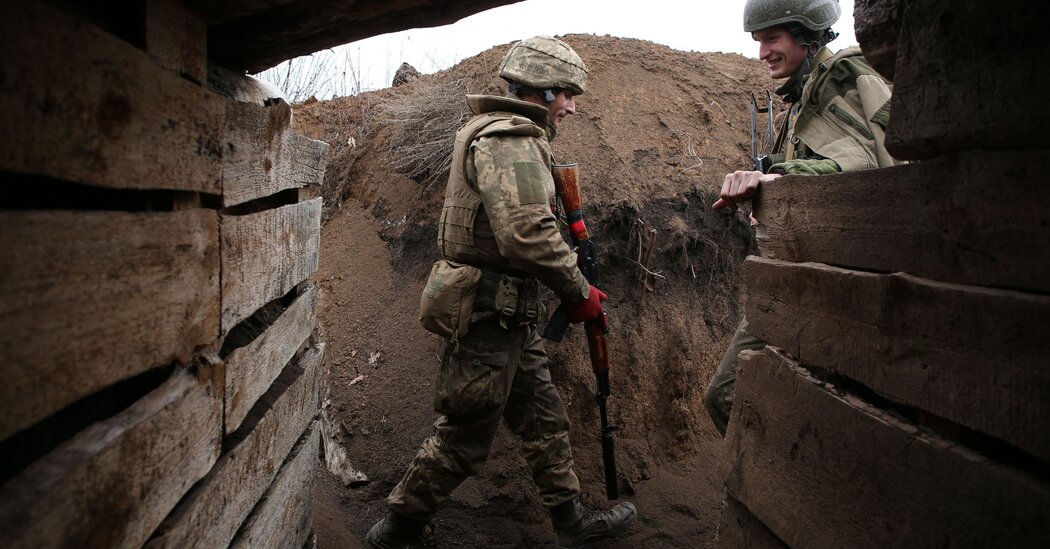
The dangerous new phase of Russia’s war in Ukraine is a stark reminder of the devastating consequences of conflict. As the situation unfolds, it is crucial to stay informed, to support humanitarian efforts, and to advocate for a peaceful resolution.
The future of Ukraine and the broader international order hangs in the balance, and the choices made in the coming months will have profound implications for generations to come.