The Evolving Landscape of Digital Publishing: Navigating the Multi-Platform Era


It used to be simple. The digital publishing landscape, once dominated by straightforward blogging platforms, has undergone a profound transformation, evolving into a complex ecosystem where content creators must strategically navigate a diverse array of channels to reach and engage their audiences. The days of a single WordPress blog serving as the sole bastion of online presence are largely behind us, replaced by a nuanced environment comprising owned platforms, all-in-one publishing suites, feed-based social networks, and opportunities to leverage borrowed authority. This shift necessitates a re-evaluation of content strategy, moving from a singular focus on "where to blog" to a comprehensive understanding of how these interconnected pieces function together.
The Genesis of Digital Content: From Monolith to Multiplicity
The origins of online content creation can be traced back to the nascent days of the internet, where personal websites, often built with static HTML, served as early digital diaries and informational hubs. The true democratization of online publishing, however, arrived with the advent of Web 2.0 and, crucially, the rise of content management systems (CMS) like WordPress in the mid-2000s. WordPress, in particular, offered an unprecedented ease of use, allowing individuals and small businesses to establish their online presence without extensive technical expertise. For over a decade, self-hosted WordPress sites became synonymous with blogging, providing creators with full control over their content, design, and monetization. This era fostered the idea of a "home base" for digital identity, a centralized repository for all published work.
However, the rapid proliferation of social media platforms and the subsequent emergence of the "creator economy" began to fragment this monolithic structure. Platforms like Medium offered simplified publishing with built-in distribution, while email newsletter services such as Substack and beehiiv capitalized on the desire for direct audience engagement. Concurrently, professional networks like LinkedIn and microblogging sites like X (formerly Twitter) evolved to support longer-form content, turning social feeds into viable, albeit ephemeral, publishing channels. This chronological progression highlights a fundamental shift: from creators bringing audiences to their content, to creators taking their content to where audiences already reside.
Owned Platforms: The Foundation of Digital Independence
At the core of a robust digital content strategy lies the concept of owned platforms. These are the digital properties where creators retain absolute control over their content, design, data, and monetization strategies. The quintessential example remains the self-hosted WordPress site, requiring a purchased domain name, dedicated hosting, and the installation of the WordPress CMS. This model, while demanding initial setup and ongoing maintenance, offers unparalleled flexibility and long-term security.

Advantages and Disadvantages:
The primary advantage of an owned platform is complete sovereignty. Creators dictate the aesthetics, functionality, and data analytics of their site. Crucially, they own their content outright, shielding it from platform policy changes, algorithmic shifts, or potential service discontinuation that can plague third-party platforms. Furthermore, owned sites are highly optimized for search engines, allowing for organic traffic growth over time, a "long tail" effect where content published years ago can continue to attract readers. According to W3Techs, WordPress powers over 43% of all websites globally, underscoring its enduring significance as a foundational technology for digital presence.
However, this independence comes with responsibilities. Creators are solely accountable for hosting costs, security, technical troubleshooting, and driving their own traffic. New sites often face a slow initial growth period, as they lack the built-in discovery mechanisms of larger platforms. Building an audience from scratch, primarily through search engine optimization (SEO) and external promotion, requires considerable time and consistent effort.
Strategic Implementation:
For those embarking on this route, simplicity in the initial stages is key. Selecting a domain name that reflects the brand or personal identity, securing reliable hosting (providers like SiteGround, WP Engine, Rocket.net, or Kinsta are often recommended over budget alternatives known for performance issues), and installing a lightweight WordPress theme (e.g., GeneratePress, Astra) are essential first steps. Crucially, integrating an email capture system early on is vital. Services like ConvertKit or MailerLite allow creators to build a direct line of communication with their audience, mitigating reliance on external platforms for repeat engagement. This foundational email list becomes a direct asset, independent of any single platform’s whims.
All-in-One Platforms: Simplified Publishing with Built-in Reach
Responding to the complexity of self-hosting, a new generation of "all-in-one" platforms has emerged, offering streamlined publishing experiences coupled with integrated audience management and, often, discovery features. These platforms abstract away the technical overhead of hosting and development, allowing creators to focus purely on content creation and audience engagement.
Substack and Beehiiv: The Newsletter Renaissance:
Platforms like Substack and beehiiv have spearheaded a renaissance in email newsletters, transforming them into full-fledged publishing channels. Creators can publish long-form posts that function as blog articles, simultaneously delivering them directly to subscriber inboxes.
- Substack: Known for its extreme simplicity, rapid onboarding, and strong focus on paid subscriptions, Substack has cultivated a vibrant ecosystem for independent writers and journalists. It offers built-in discovery features, allowing readers to find new publications within the platform. Its continuous evolution, including the recent introduction of drip campaigns, aims to address advanced marketing needs.
- Beehiiv: While also an email-first platform, beehiiv offers greater customization options for design and backend functionality, catering to creators who view their newsletter as a more robust business operation. It provides more granular control over analytics and audience segmentation.
Advantages and Disadvantages:
The primary draw of these platforms is their ease of use and integrated nature. They bundle publishing tools, email infrastructure, subscriber management, and sometimes even monetization directly into one seamless experience. This significantly lowers the barrier to entry, enabling rapid content deployment. Industry reports indicate significant growth in the newsletter economy, with Substack reporting millions of active subscribers and significant payouts to top writers.
However, the convenience comes at the cost of control. Creators operate within the platform’s defined parameters, limiting design customization and functional flexibility. While email lists are typically exportable, the entire publication infrastructure is tied to the platform, making full migration a challenge. Furthermore, these platforms often take a percentage of paid subscriptions (e.g., Substack takes 10%), impacting a creator’s net revenue.
Medium: A Hybrid Distribution Channel:
Medium presents a unique case, blending elements of an all-in-one platform with a strong emphasis on content distribution and community. Creators publish "stories" that live on dedicated pages, and followers can receive updates via email. Medium’s key differentiator is its powerful internal distribution network, particularly through its "publications." Getting a story accepted into a large publication can expose a writer’s work to a massive, pre-existing audience, far beyond their individual follower count.
Despite its strengths in reading experience and distribution, Medium’s newsletter capabilities are not as robust as dedicated platforms like Substack or beehiiv. Its discovery features have also seen fluctuating efficacy over the years, and some industry observers note a decline in its overall momentum compared to its peak. Thus, while valuable for amplification, Medium is generally not recommended as a primary "home base" for content.
Feed-Based Platforms: Real-Time Engagement and Brand Amplification
Social media platforms like LinkedIn and X (formerly Twitter) serve a distinct, yet crucial, role in the modern content strategy. They are not designed as primary content repositories but rather as dynamic, feed-based environments for real-time engagement, idea testing, and audience amplification.
Characteristics and Functionality:
Content on these platforms typically has a short lifespan, quickly disappearing into the feed. Unlike SEO-driven content, there’s no "long tail" for individual posts. Success hinges on immediate engagement and algorithmic favor. For creators, this means actively participating: commenting, replying, sharing, and consistent posting.
- LinkedIn: Primarily a professional network, LinkedIn is ideal for thought leadership, industry insights, and career-focused content. Its audience is often receptive to longer-form articles and professional discussions. Strong posts can gain significant traction within professional networks.
- X (formerly Twitter): Offers more flexibility for diverse topics and conversational styles. It rewards consistency, wit, and timely engagement, making it a powerful tool for building a personal brand and driving real-time discussions.
Advantages and Disadvantages:
The main benefit is access to vast, active audiences. Creators can tap into existing networks, test content ideas, refine their writing, and build visibility for their personal brand. These platforms act as powerful conduits, driving traffic back to owned sites, newsletters, or other core content. LinkedIn boasts over 1 billion members, while X remains a key platform for real-time information dissemination and public discourse.
The ephemeral nature of content is a significant drawback. A post’s impact is fleeting, and the effort required for consistent visibility is substantial. Creators are entirely at the mercy of platform algorithms, which can change without notice, impacting reach and engagement. Furthermore, these platforms are not designed for content archiving or deep-dive research.
Strategic Application:
The key is to view feed-based platforms as support systems rather than primary publishing destinations. Creators should choose one or two platforms that align with their audience and content niche. For professional content, LinkedIn is often superior. For broader, more dynamic engagement, X offers greater flexibility. The strategy involves creating valuable, concise content tailored to the platform’s format, actively engaging with other users, and strategically linking back to core content on owned sites or newsletters. This approach leverages the platforms’ distribution power without ceding content ownership.
Borrowed Platforms: Accelerating Authority and Credibility
Sometimes, the most effective way to gain visibility and establish credibility is to publish content on someone else’s established platform. This strategy, traditionally known as "guest blogging" or "guest posting," involves contributing articles to high-authority websites, industry publications, or major news outlets.
The Power of Association:
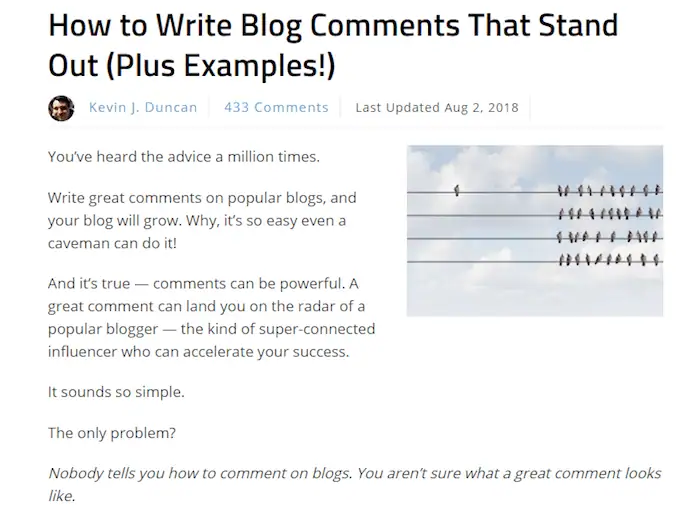
Publishing on reputable sites like Forbes, Business Insider, or a leading industry blog instantly confers a degree of credibility upon the writer. The audience of these platforms already trusts the publication, and by extension, they are more likely to trust the contributing author. This "borrowed reputation" significantly accelerates the authority-building process. For instance, an individual who might be an unknown expert suddenly gains recognition as a "subject matter expert" by being featured on a well-known site. The original article’s author, Kevin J. Duncan, details his own journey of becoming Editor-in-Chief for Smart Blogger and Head of Content at Kindlepreneur, which began with a series of guest posts for the very site that now employs him. This personal account underscores the transformative potential of leveraging borrowed platforms.
Advantages and Disadvantages:
The immediate advantages include instant credibility, exposure to a large and highly targeted audience, and valuable backlinks to the creator’s owned platforms, which significantly boost SEO and domain authority. This can lead to new opportunities, such as speaking engagements, consulting offers, and further publishing opportunities.
However, the bar for entry is typically high. Reputable sites demand high-quality, well-researched, and impeccably written content. The pitching process can be lengthy and competitive, and content ownership might sometimes transfer to the host site. Additionally, if a site is too easy to publish on, its "borrowed reputation" might be of little value, or even detrimental if the site itself lacks credibility.
Strategic Approach:
Creators should target sites they genuinely admire and read, ensuring alignment with their own expertise and audience. Thoroughly researching submission guidelines and crafting pitches that demonstrate a deep understanding of the host site’s audience and content style are crucial. The goal is to provide exceptional value to the host site’s readership, in turn gaining exposure and validation for one’s own brand. This strategy is an investment in reputation, a long-term play that often yields significant, albeit indirect, returns.
The Interconnected Ecosystem: A Holistic Content Strategy
The modern digital publishing landscape demands a departure from the singular "blogging" mindset. Instead, it requires a strategic, multi-platform approach where each channel plays a specific, complementary role. The question is no longer "Which platform should I use?" but rather, "Where should this content live, how should it be shared, and how do these pieces work together to achieve my overall objectives?"
A holistic content strategy might involve:
- Owned Platform (e.g., Self-hosted WordPress): Serving as the central "home base" for evergreen content, intellectual property, and ultimate control. This is where the most valuable, foundational content resides and where long-term SEO efforts are concentrated.
- All-in-One Platform (e.g., Substack/beehiiv): Acting as the primary channel for direct audience engagement, community building, and direct monetization through newsletters. Content published here might mirror or expand upon topics from the owned platform, but with a direct-to-inbox delivery mechanism.
- Feed-Based Platforms (e.g., LinkedIn/X): Utilized for content amplification, real-time engagement, testing ideas, and driving traffic back to the owned platform or newsletter. These are the "outposts" for visibility and interaction.
- Borrowed Platforms (e.g., Guest Posts on Industry Sites): Employed strategically to build authority, gain instant credibility, and tap into new, pre-qualified audiences, ultimately funneling them back to the creator’s owned properties.
This interconnected approach recognizes that no single platform can fulfill all content objectives. Success in this complex environment hinges on understanding the unique strengths and weaknesses of each channel and orchestrating them into a cohesive, synergistic strategy. The future of digital publishing is not about abandoning traditional blogging, but rather about integrating it into a broader, more dynamic ecosystem where adaptability and strategic multi-channel presence are paramount.
Editorial Note: This guide reflects how blogging works today across platforms like WordPress, Substack, Medium, LinkedIn, and X, and is updated regularly as the landscape evolves, providing insights into the strategic choices available to modern content creators.
Related posts: