Meta’s Transformative 2022: A Deep Dive into Automation, Creator Economy, and the Evolving Metaverse Landscape

The concluding quarter of 2022 marked a period of intensive strategic evolution for Meta Platforms Inc., as the technology giant rolled out a suite of updates across its Facebook and Instagram platforms. These changes, encompassing new features for Reels and Groups, a revamped advertising interface, critical brand safety enhancements, and broader automation initiatives, signal Meta’s trajectory towards a more streamlined, creator-centric, and immersive digital experience for marketers and advertisers heading into 2023. This comprehensive review examines the key developments from late 2020 through the close of 2022, offering insights into Meta’s strategic priorities and their implications for the digital ecosystem.
The Apex of Automation and Ad Innovation: Late 2022 Developments and 2023 Outlook
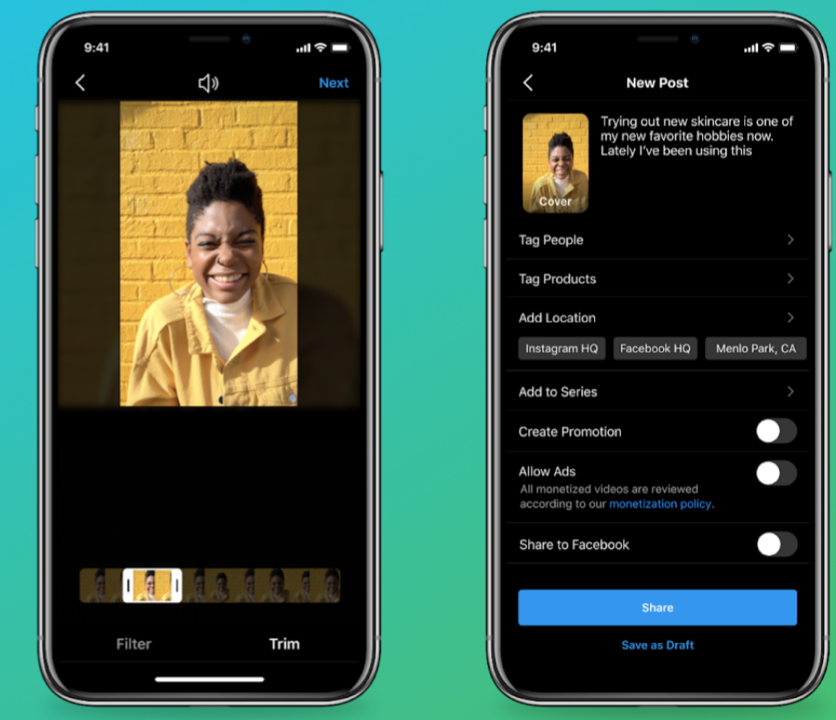
Meta’s drive towards enhanced advertising efficiency and automation was prominently displayed in late 2022. December 2022 saw Facebook release essential advertising best practices, drawing from internal data to guide advertisers on boosting campaign ROI amidst the platform’s continuous evolution. Simultaneously, Instagram introduced native content scheduling, empowering Business and Creator accounts to pre-plan Reels, photos, and carousel posts up to 75 days in advance directly from the mobile app. This feature, accessible via "Advanced settings" before publication, significantly enhances workflow for mobile-first content creators, although certain functionalities like product tagging and cross-posting to Facebook remain unavailable for scheduled content.
A significant milestone in brand safety was achieved in November 2022, with Meta receiving accreditation from the Media Rating Council (MRC) for content-level Brand Safety on Facebook. This independent validation covered Meta’s Partner and Content Monetization Policies, along with associated brand safety controls for Instant Articles and In-Stream video across all platforms. Furthering these efforts, Meta announced trials for a content-based inventory filter for both Instagram and Facebook feeds, aiming to expand MRC accreditation to new features.
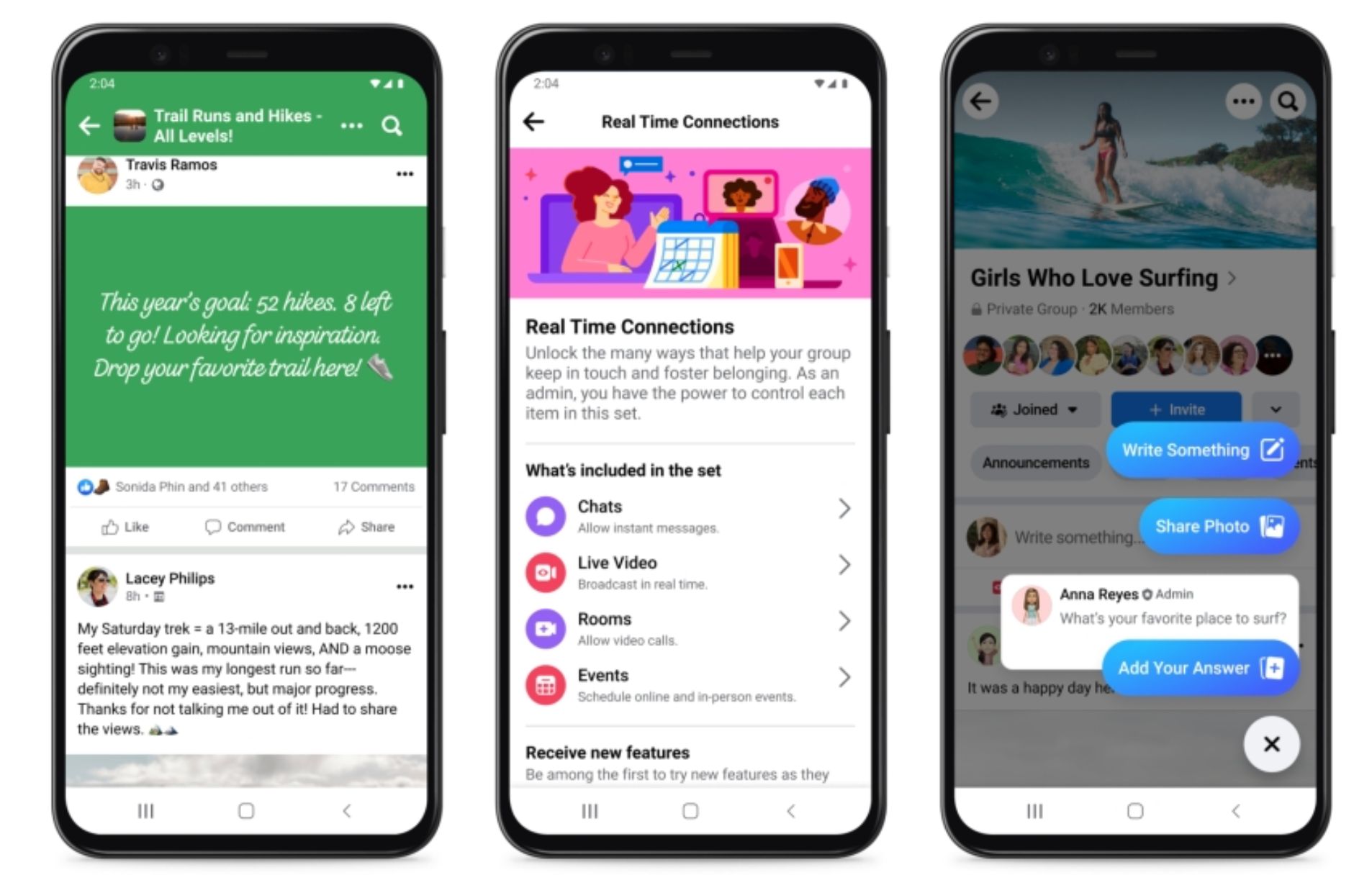
Looking ahead to 2023, Meta’s strategic focus is anticipated to solidify around several core pillars. A continued, fervent emphasis on Reels is expected, building on its role as a major driver of traffic, revenue, and engagement throughout 2022. New advertising and e-commerce functionalities are projected to integrate further with the short-form video format. Facebook Groups are also slated for more enhancements, following continuous improvements in moderator tools and the introduction of subscription-based groups in 2022, which opened new monetization avenues for brands. The sustained visibility of Groups in user newsfeeds suggests Meta’s intent to attract more businesses to these community hubs.
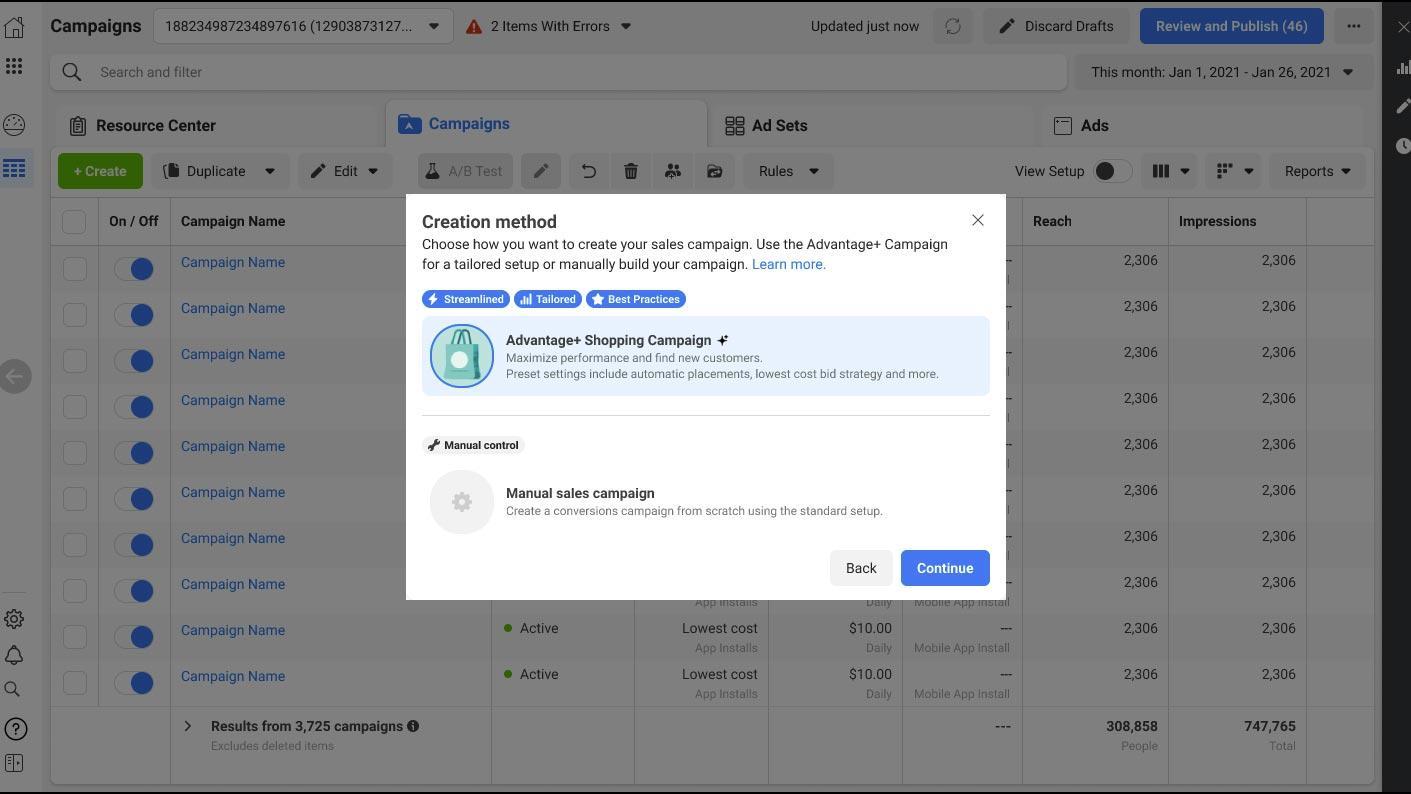
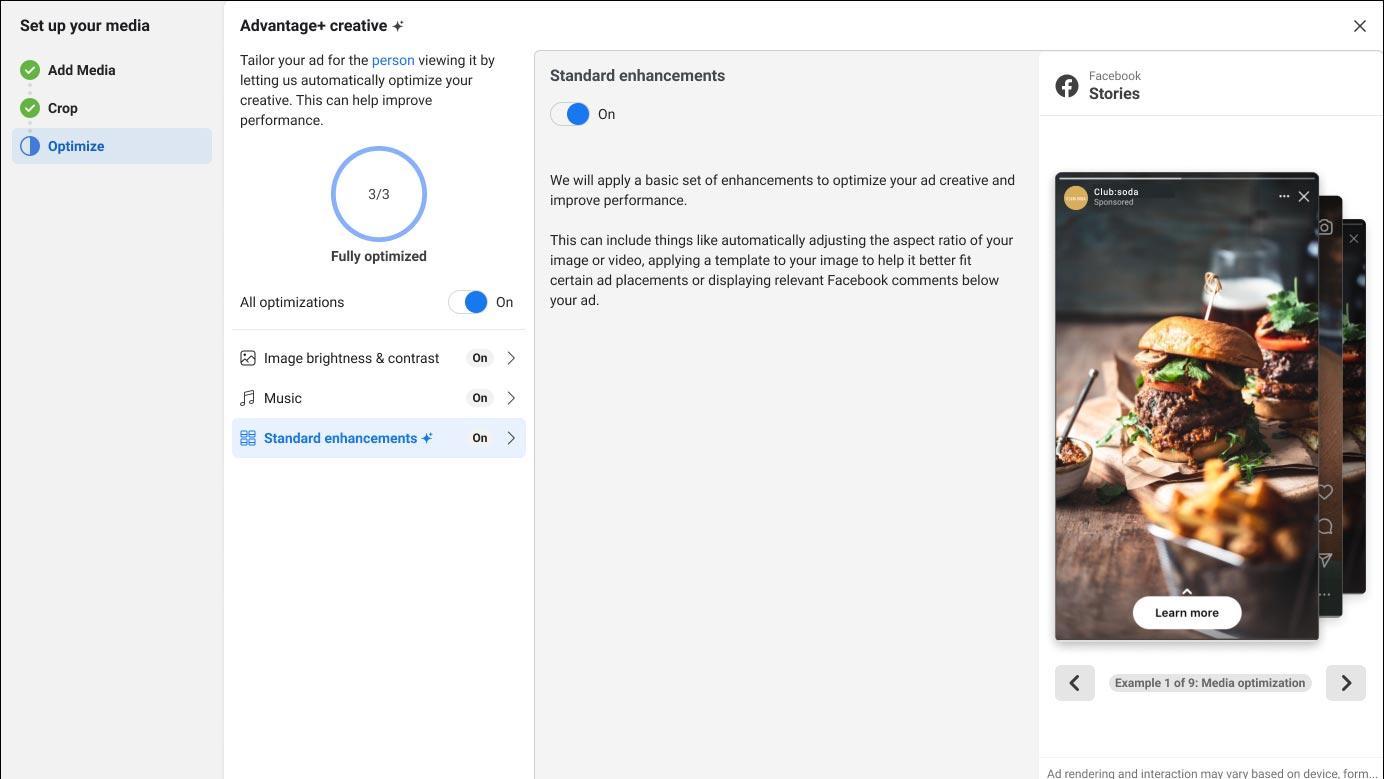
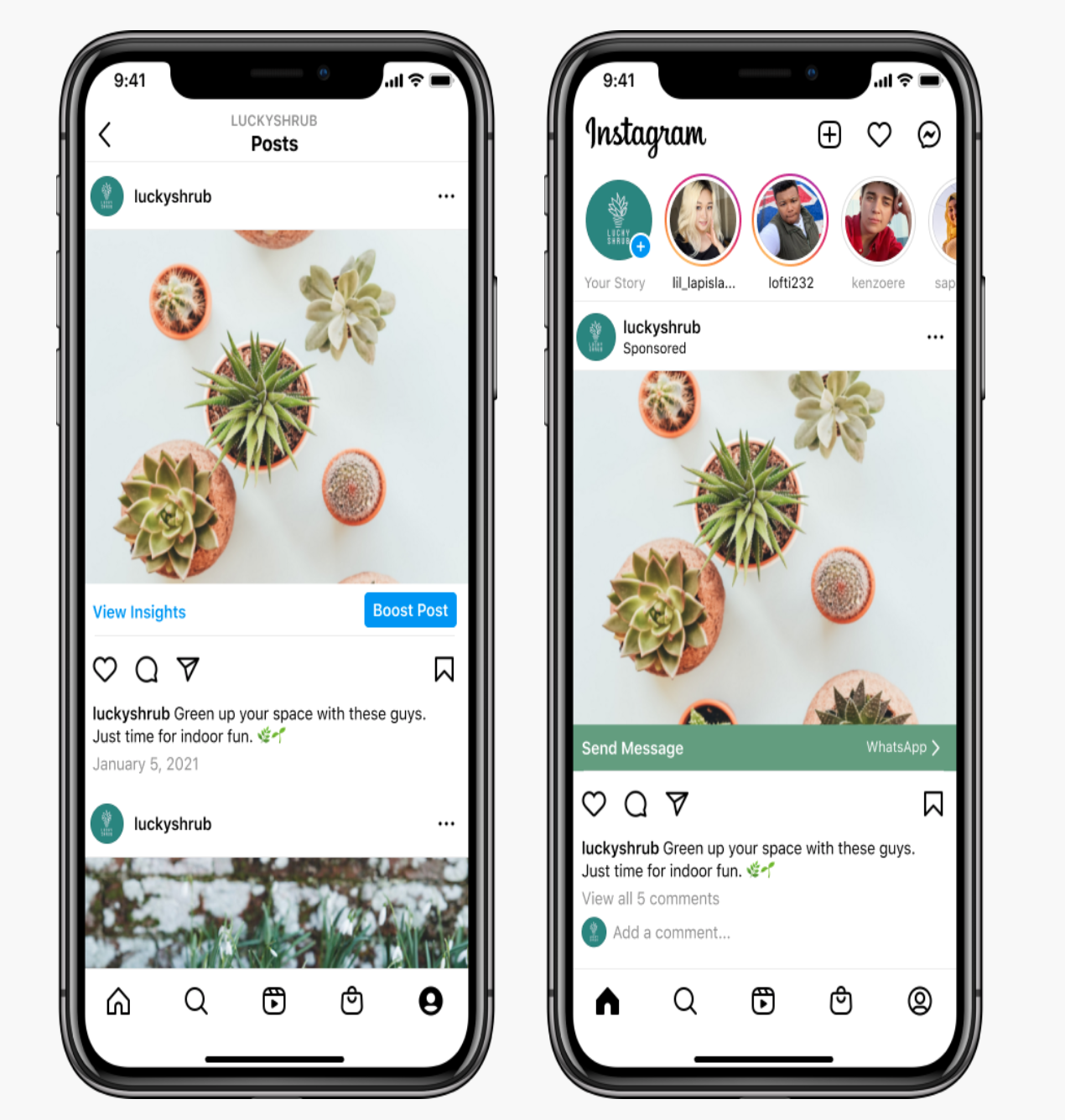
Furthermore, Meta is poised for a more aggressive push for Advantage+ campaigns in 2023. These automation-heavy ad campaigns, which leverage Meta’s advanced machine learning to optimize results, have already demonstrated significant efficacy. In 15 A/B tests, Advantage+ Shopping campaigns, launched in August 2022, yielded a 12% lower cost-per-purchase conversion compared to standard ads, highlighting the power of AI in streamlining ad creation and performance. The company’s ongoing investment in advancing these offerings underscores a future dominated by intelligent automation in advertising.
Underpinning these developments is Meta’s unwavering commitment to the Metaverse. Mark Zuckerberg’s substantial investment, exceeding $36 billion to date, signals a long-term vision to bridge real and digital life through virtual and augmented reality. While commercial success in this domain has been nascent, 2023 is expected to see continued growth and innovation in this immersive virtual space.

Accelerating the Creator Economy and E-commerce Ecosystem
Meta has consistently bolstered its support for creators and expanded e-commerce capabilities, recognizing their critical roles in platform engagement and revenue. December 2022 saw Instagram introducing music integration into in-feed photo posts, allowing up to 90 seconds of music – a feature previously exclusive to Reels and Stories. This update provides brands with new tools to create more engaging static content.
Throughout 2022, Meta rolled out enhanced monetization features for creators, including the commitment to forgo revenue sharing until 2024 for earnings from Badges, Subscriptions, and paid online events. New bonus programs were introduced, rewarding creators for achieving milestones with native tools, and the Stars feature for Reels began testing in February 2022, enabling users to tip creators directly. In June 2021, Instagram also announced affiliate selling options, allowing creators to earn commissions by promoting products available on checkout, a test that significantly streamlined influencer marketing.
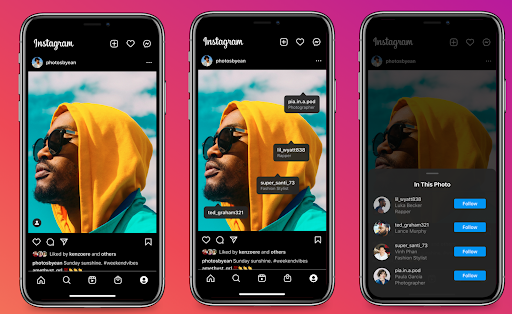
The Instagram Creator Marketplace, initially tested in July 2022 and expanding access to US businesses in October 2022, serves as a crucial hub connecting brands with potential collaborators. New tools within the marketplace facilitate streamlined communication, campaign outlining, and deliverable requests, enhancing the brand-creator partnership experience. Creator profiles, filterable by demographics and audience interests, simplify the discovery process.
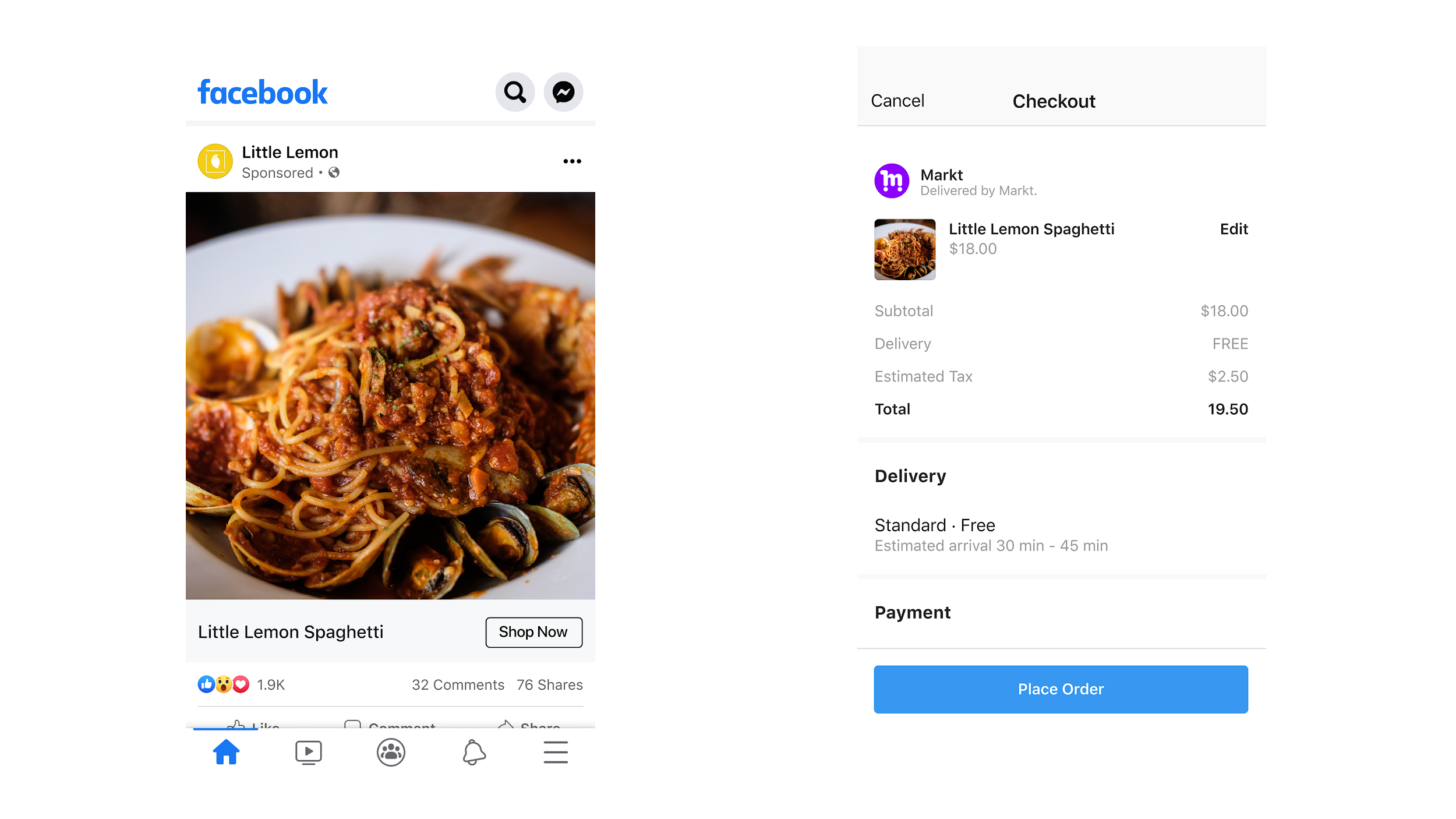
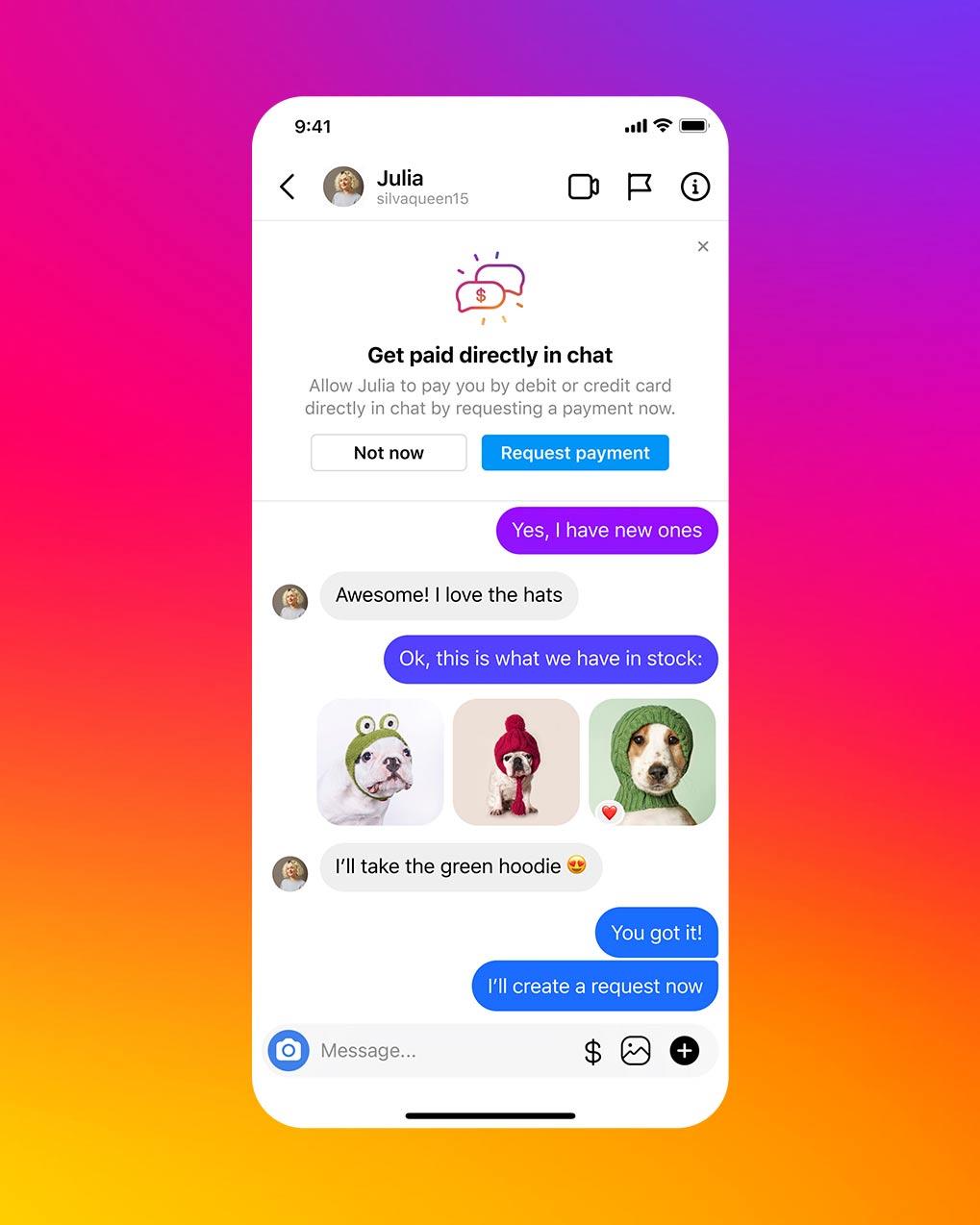
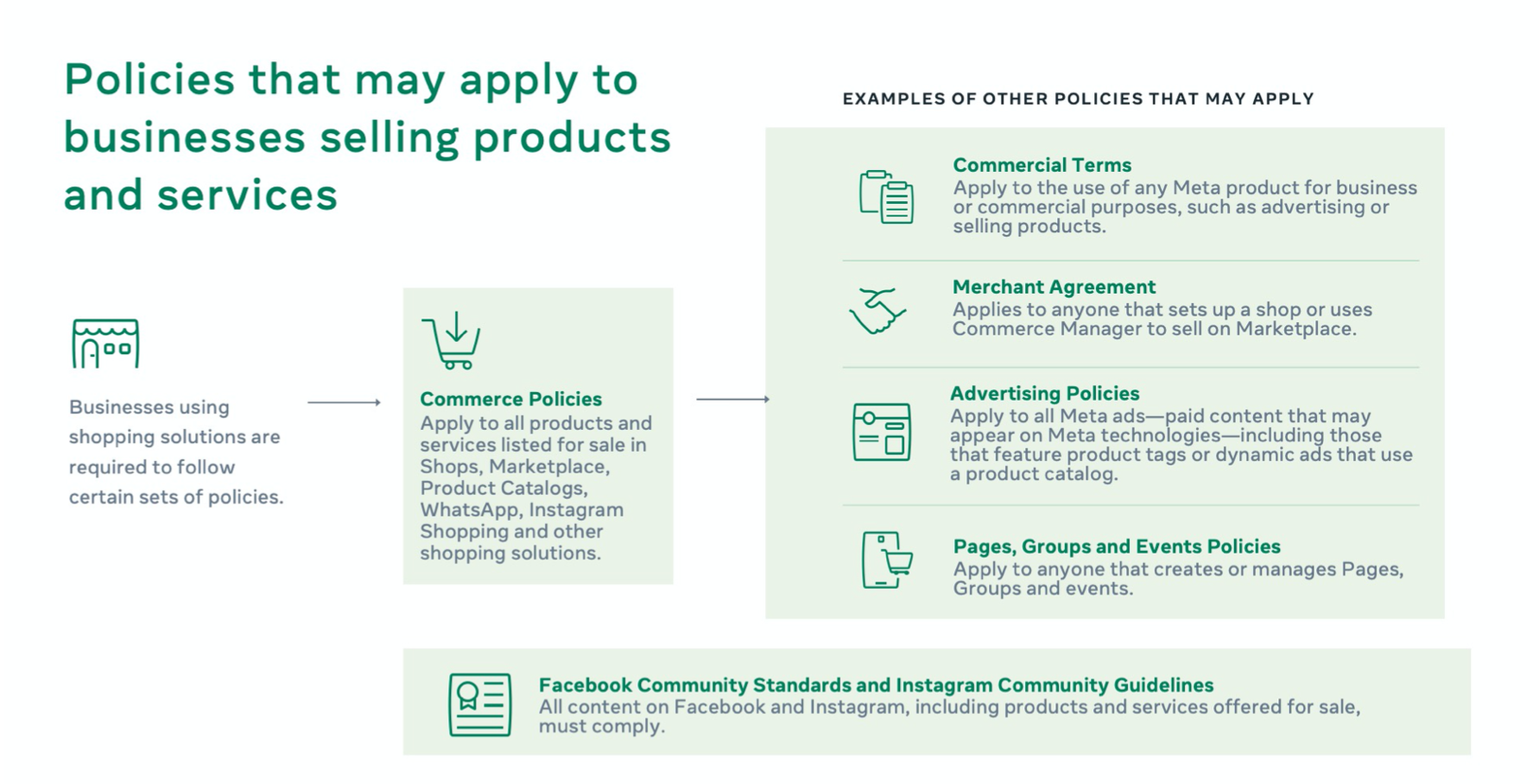
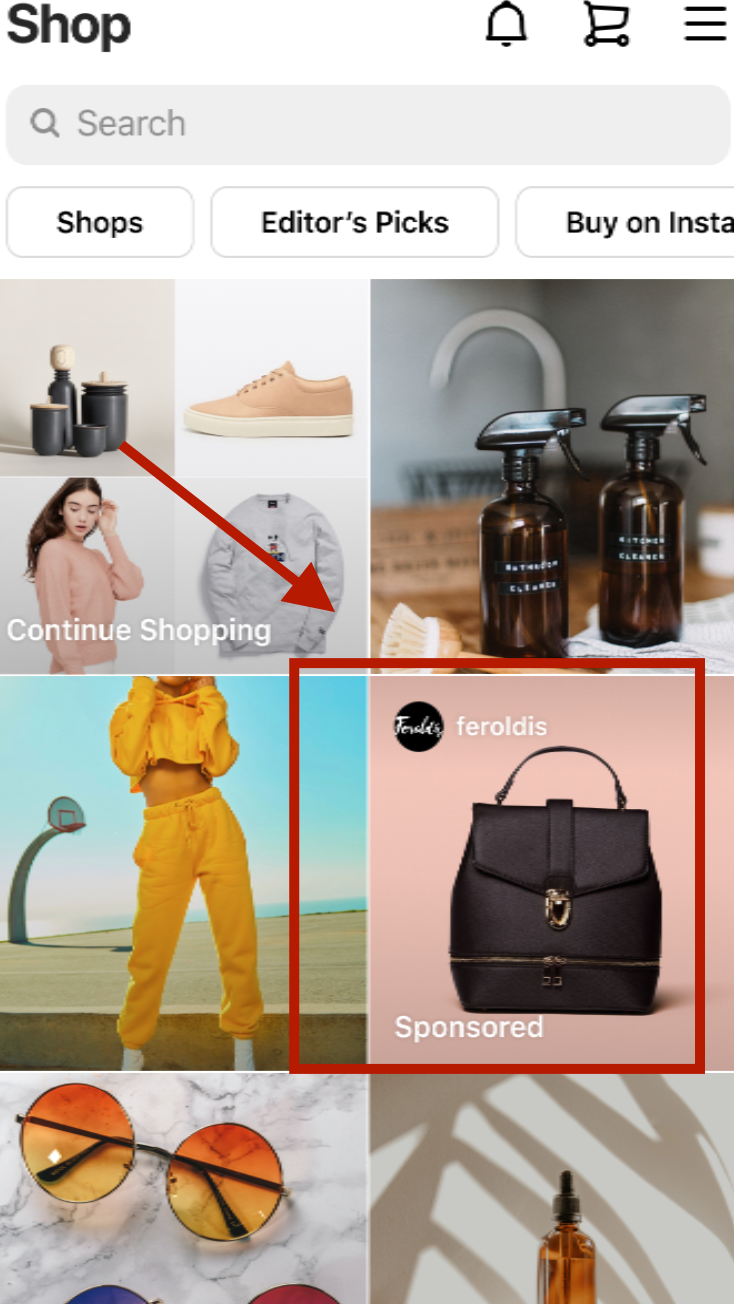
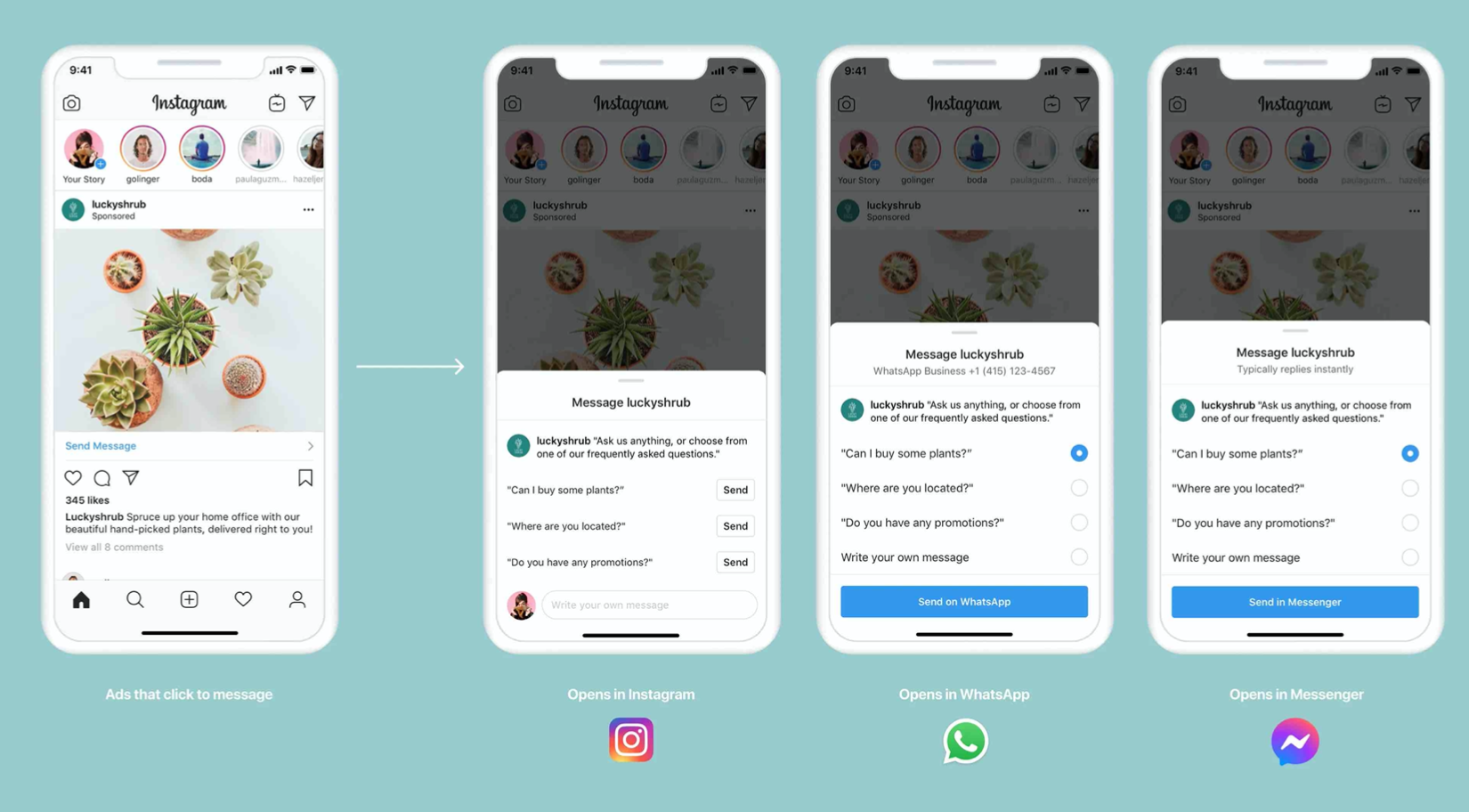
Direct commerce received several boosts. Instagram launched payments directly within DMs in September 2022, allowing eligible businesses with Professional Accounts to accept payments without users leaving the chat. This provides a seamless transaction experience, supported by Meta Pay, credit card, or PayPal, and offers 24/7 customer support. Facebook’s Collaborative Ads gained a local delivery option in September 2022, specifically targeting grocery stores and restaurants by enabling them to promote in-stock products for local delivery, from discovery to purchase in a streamlined flow. These additions built upon the launch of new Facebook Shops in May 2020, which offered customizable virtual storefronts and in-app checkout, with future plans for live shopping and loyalty programs. However, Facebook announced the shutdown of its Live Shopping feature on October 1, 2022, to refocus on Reels, signaling a shift in content consumption behavior. Product tagging on Instagram was expanded to all US users in April 2022, transforming casual recommendations into direct purchasing opportunities and leveraging the power of trusted referrals.
Reinforcing Platform Safety and Transparency
Meta has dedicated significant resources to enhancing brand safety, suitability, and overall platform integrity, responding to growing public and advertiser scrutiny. October 2022 saw the introduction of a new IP Reporting API, designed to protect original content across Facebook and Instagram by allowing rights holders to report intellectual property violations more efficiently, integrating with the Graph API. Enhancements to the Brand Rights Protection feature also rolled out, aiding in the identification and reporting of counterfeit products, copyright infringement, and impersonation.
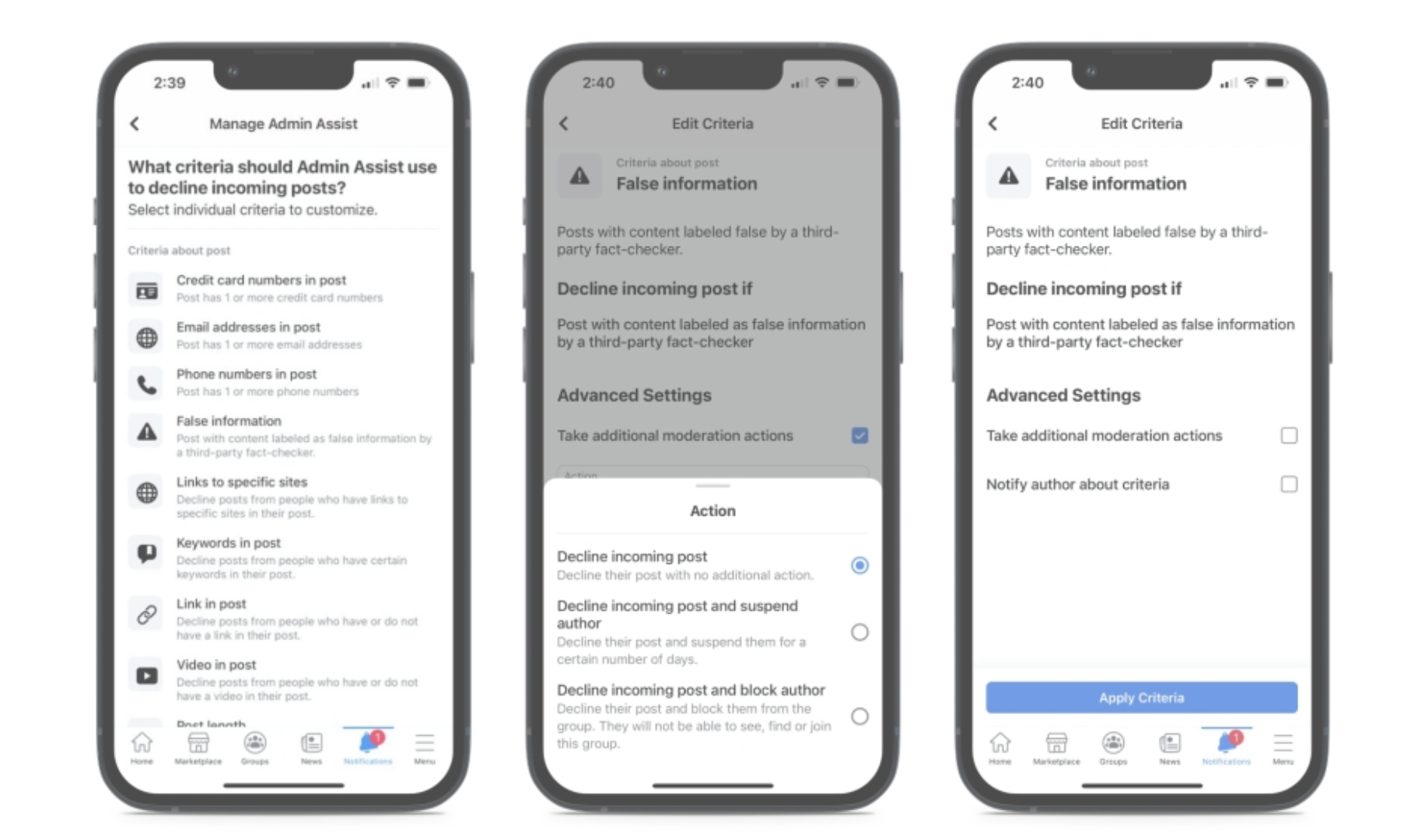
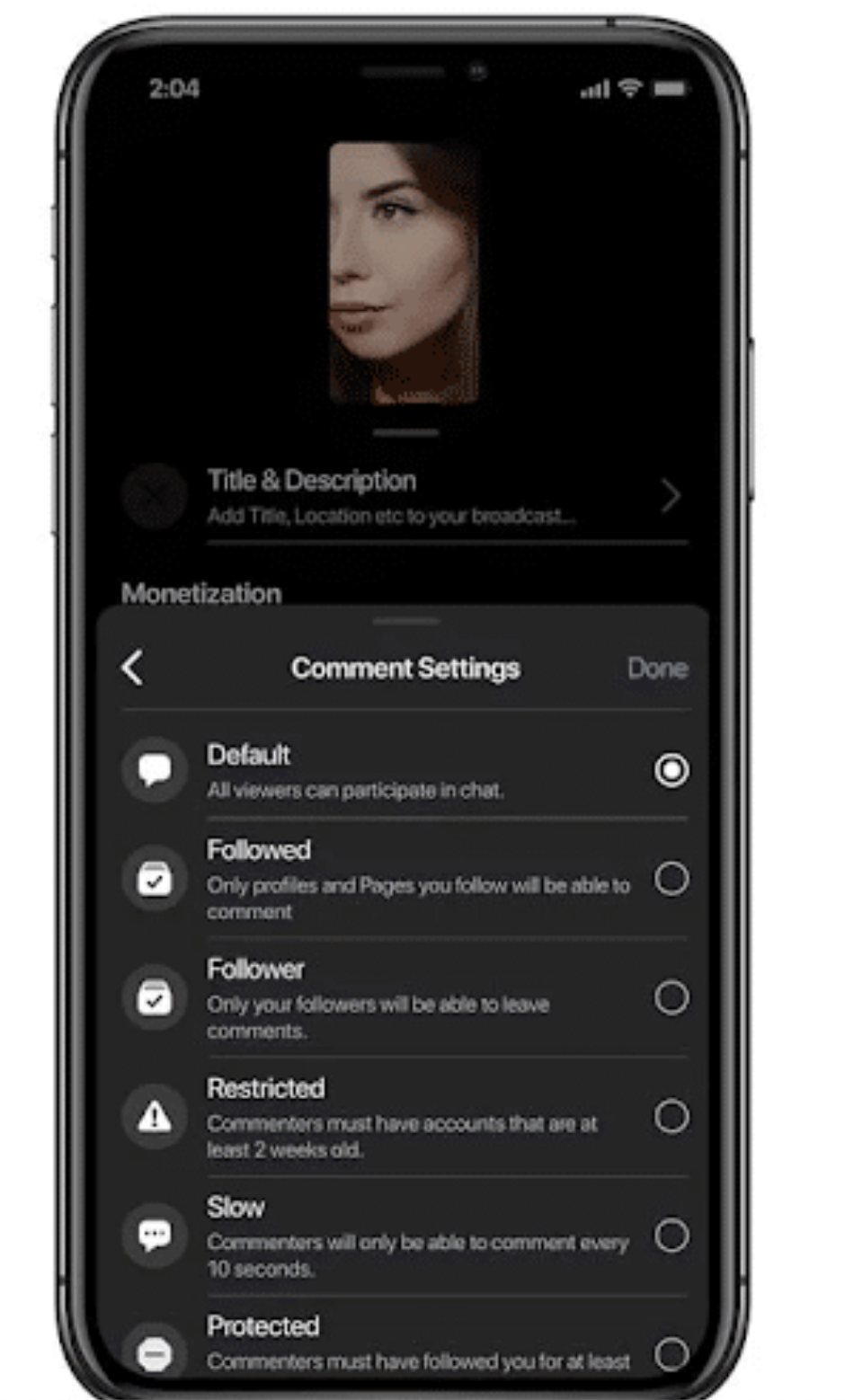
Content moderation tools for Facebook Groups were continuously improved, with new features in October 2022 allowing admins to filter incoming posts, utilize Admin Assist for automated moderation, and leverage topic-based chats. March 2022 brought further enhancements, including automatic post approval based on criteria, violation alerts for admins, and improved group quality metrics. In December 2021, creators gained advanced comment moderation for Live Chat, enabling them to block users, hide comments, and filter keywords. These measures underscore Meta’s commitment to fostering healthier online communities.
Addressing broader societal concerns, Facebook actively combated COVID-19 misinformation. By April 2021, a global network of over 80 independent fact-checkers, aided by AI, had removed 12 million pieces of misinformation related to the virus and vaccines. In June 2021, Meta announced progress in detecting deepfakes, using reverse engineering to identify false content, a crucial step in combating synthetic media manipulation.
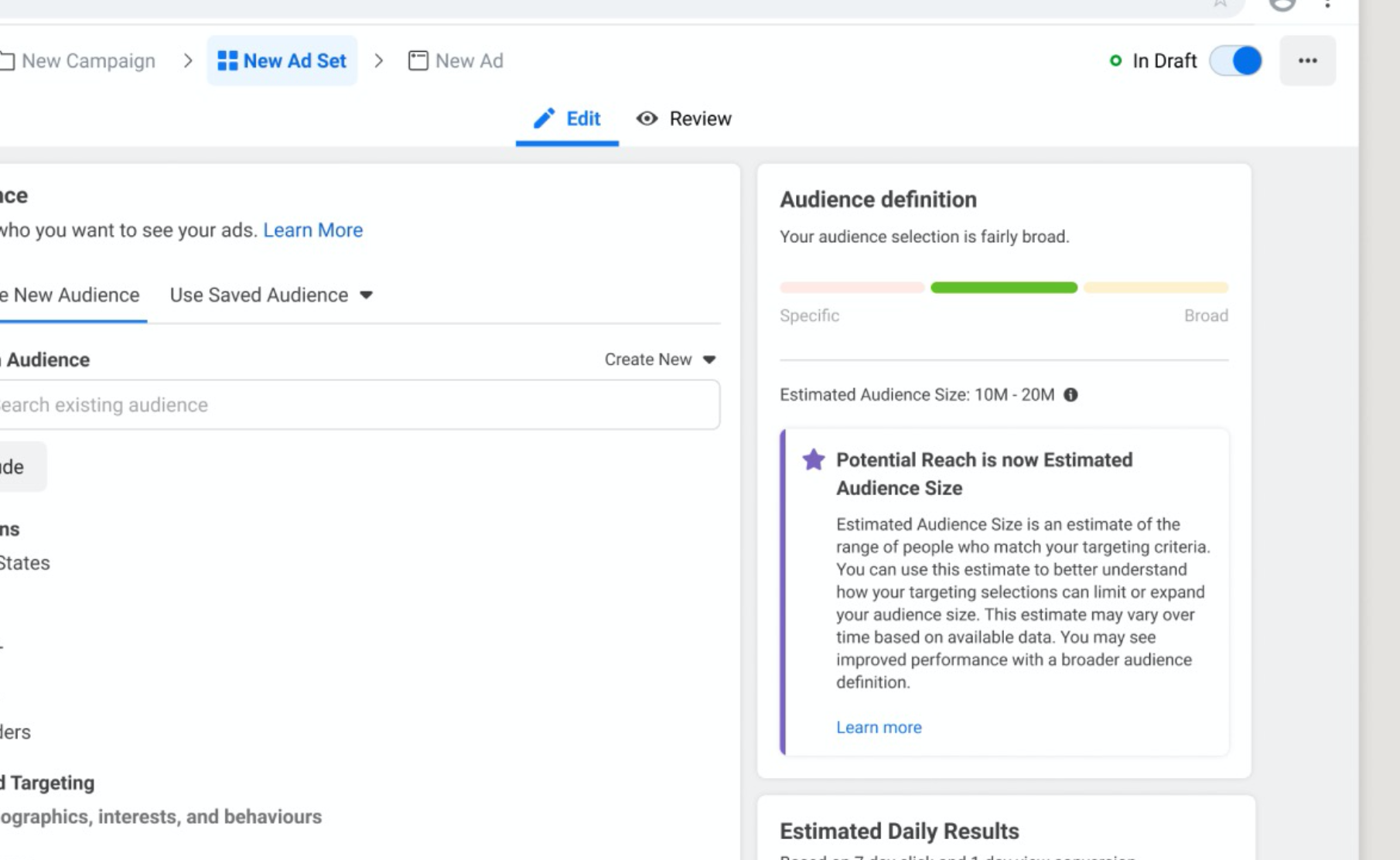
Data privacy and transparency have been central themes, particularly in light of Apple’s AppTracking Transparency (ATT) update for iOS 14, which launched in April 2021. This update required apps to obtain user consent for data tracking, significantly impacting Facebook advertisers reliant on audience data for targeting and optimization. Facebook acknowledged the potential for reduced accuracy in tracking and ad optimization but also provided resources for businesses to prepare. Prior to this, Facebook initially warned in December 2020 about the update’s harmful effects on small businesses. In June 2020, Facebook enabled businesses to comply with the California Consumer Privacy Act (CCPA) by offering a "Limited Data Use" feature, which processes California consumer data as a service provider, though it could lead to a dip in campaign performance. The "Clear History" tool, rolled out globally in February 2020, allowed users to view and clear their off-Facebook activity data, impacting cookie-based retargeting. An updated Data Download Tool in April 2020 further enhanced user transparency by allowing downloads of data related to advertisers, ads interacted with, and topics inferred for ad targeting.
Brand suitability also saw new controls. In January 2021, Facebook began testing topic exclusion controls for advertisers, allowing them to prevent ads from appearing next to certain sensitive topics in the Newsfeed. September 2020 brought expanded safety options for In-Stream ads, including "Category Controls" to exclude ad placements from specific content categories (news, gaming, religious/spiritual, politics) and "Publisher Allow Lists" for curated placement. Updated political ad policies in January 2020 gave users more control to reduce political and social ads in their feeds, while also enhancing the Facebook Ads library for greater transparency in political ad searches.
The Metaverse Frontier and Next-Gen User Experiences
Meta’s rebranding in November 2021 from "Facebook Inc." to "Meta Platforms Inc." clearly signaled the company’s long-term strategic pivot towards the metaverse. Mark Zuckerberg articulated a vision of an interconnected virtual space where users could interact digitally, emphasizing the central role of virtual and augmented reality technology.
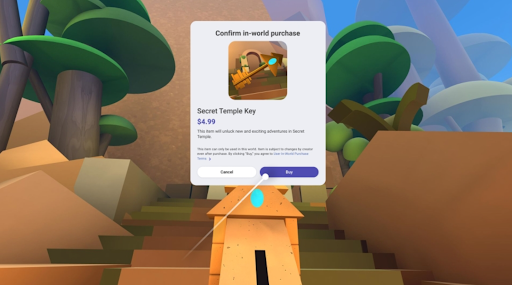
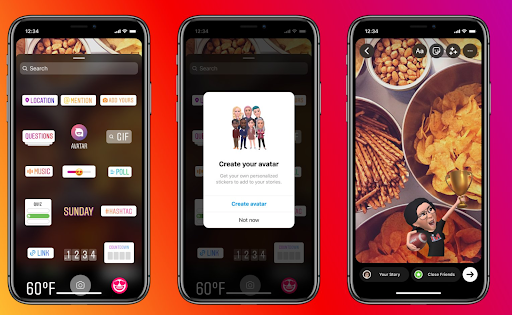
Within this metaverse vision, Horizon Worlds, Meta’s virtual reality experience for Oculus, saw new monetization options introduced in April 2022, allowing creators to sell virtual items and offer bonus programs. This followed tests of in-headset VR ads in June 2021, designed to integrate advertisements non-intrusively within the virtual environment. Horizon Workrooms, launched in August 2021 for Oculus users, provided a beta virtual reality space for team collaboration, including whiteboard meetings and discussions, showcasing a practical application of VR in professional settings. The introduction of new 3D avatars in February 2022 for Instagram, Facebook, and Messenger, with expanded customization options, further solidified the personalized, immersive experience Meta aims to build.
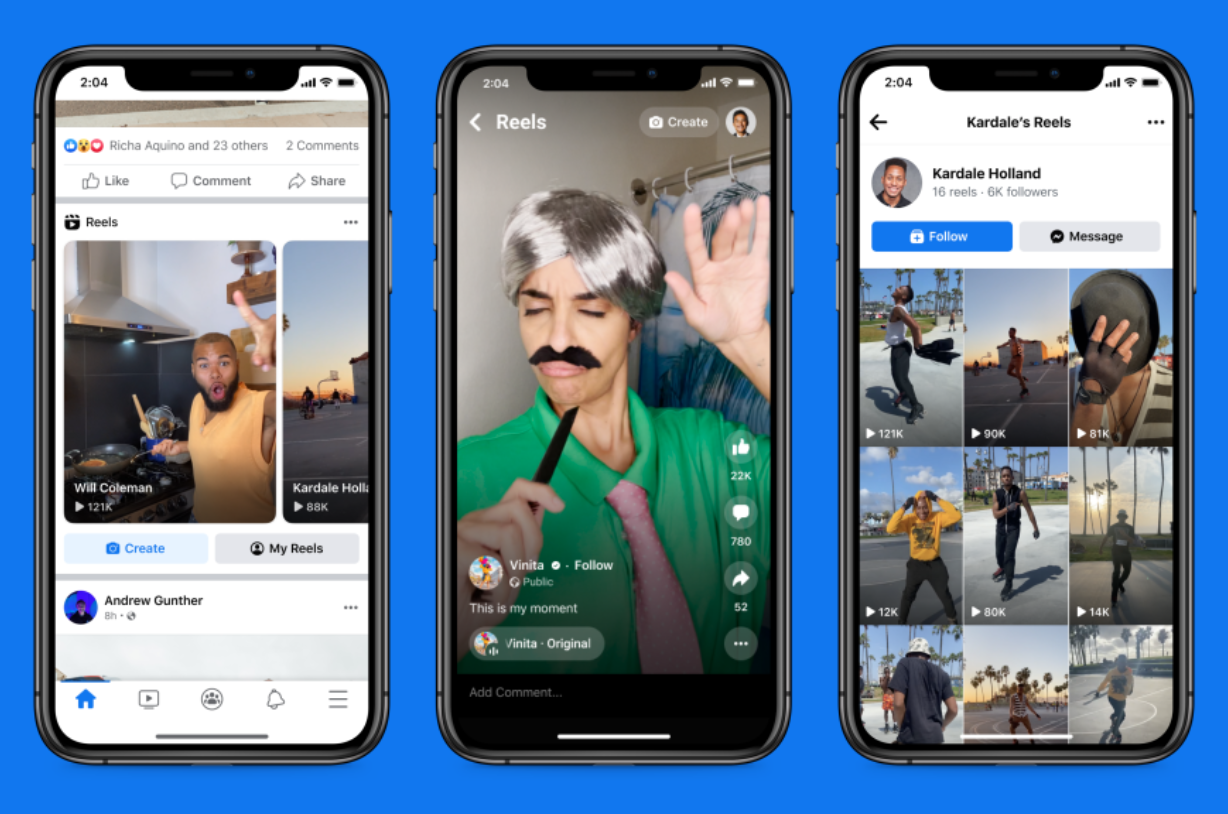
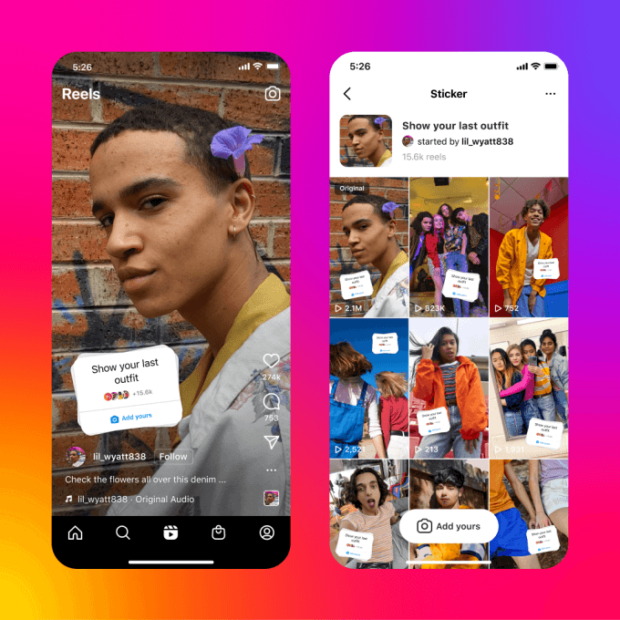
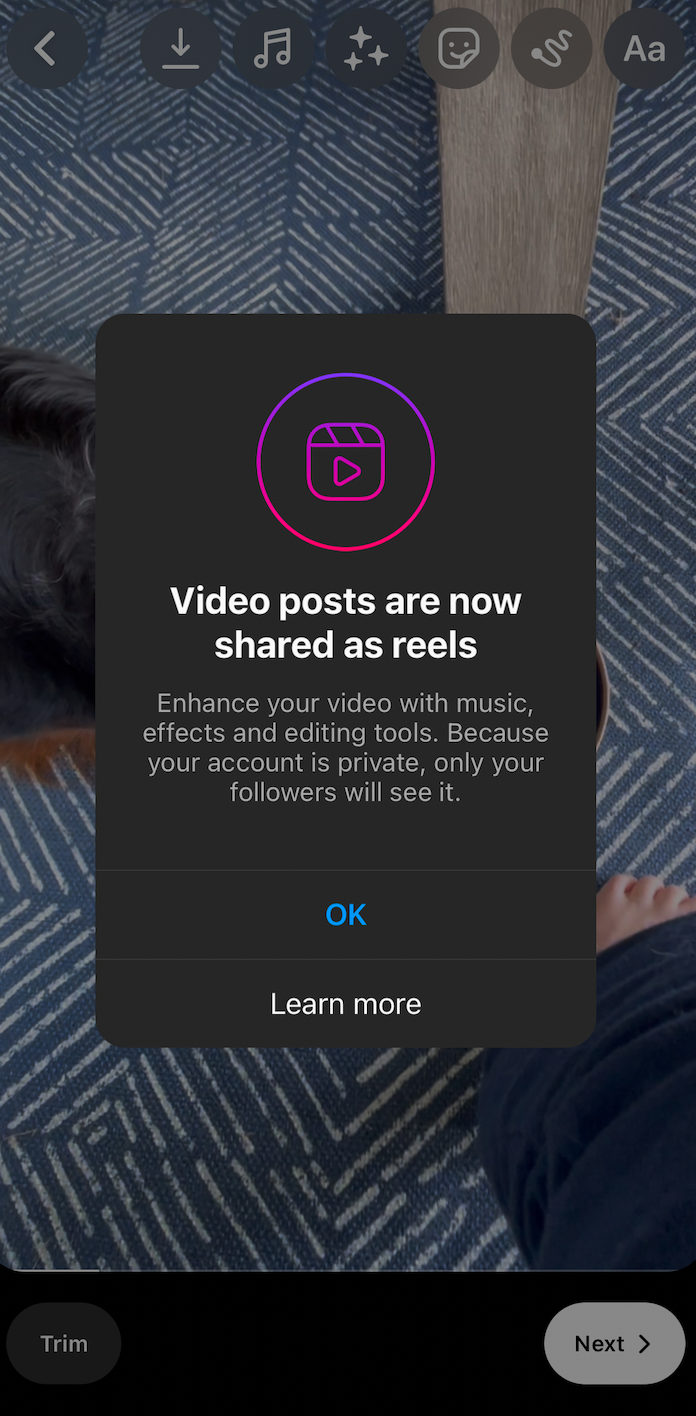
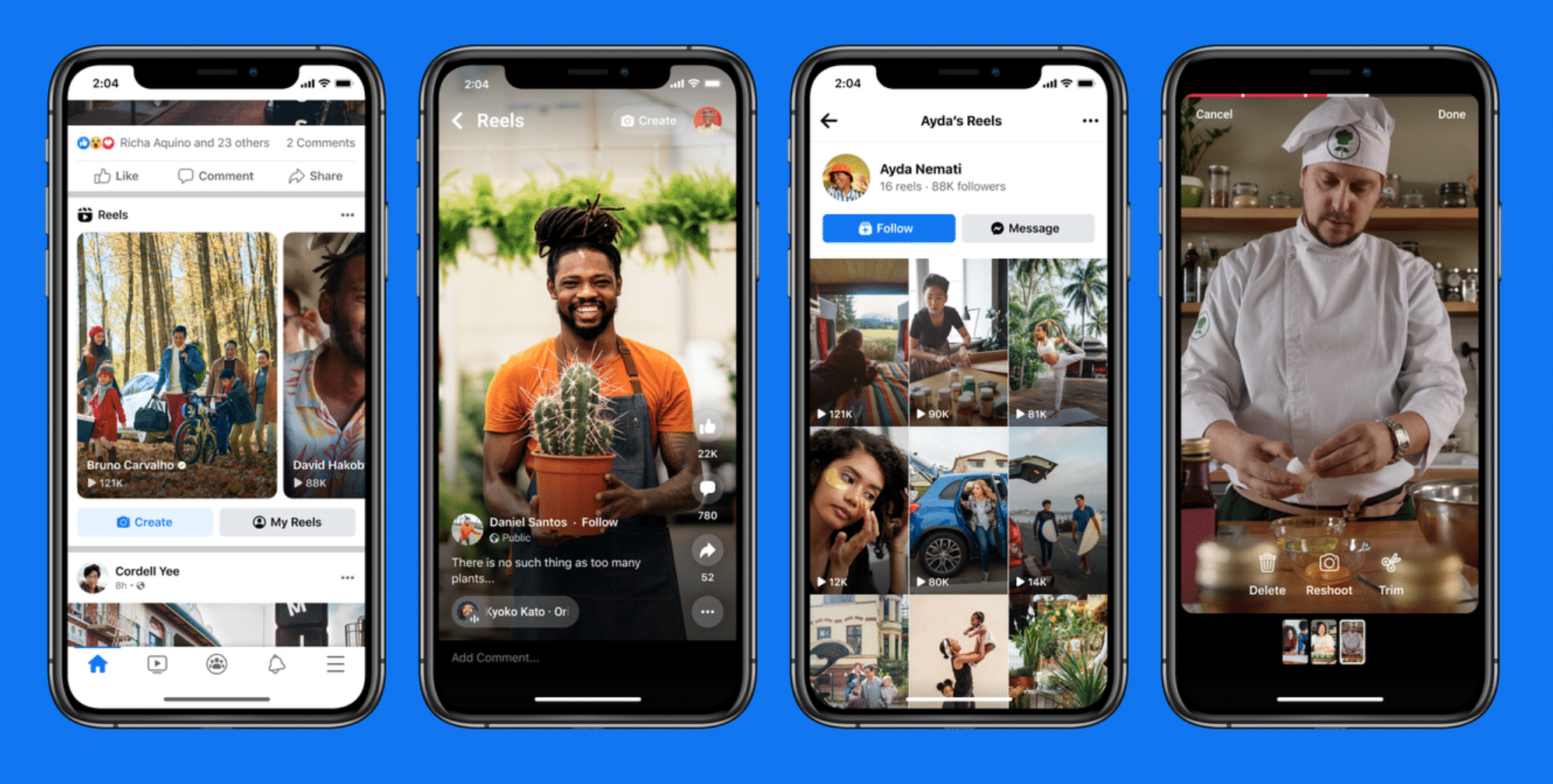
Reels has rapidly emerged as a cornerstone of Meta’s content strategy. In July 2022, Instagram announced that all new video posts under 15 minutes would automatically be shared as Reels, merging the "Videos" and "Reels" profile tabs and bringing advanced editing features to all video content. The ability to boost Reels directly within the Instagram app was also launched in July 2022, expanding monetization and reach opportunities for creators and businesses. August 2022 saw a flurry of Reels updates, including scheduling through Creator Studio, the "Add Yours" sticker for both Instagram and Facebook Reels (previously a Stories-only feature), cross-posting Instagram Reels directly to Facebook, and improved Insights for Facebook Reels in Creator Studio. The maximum Reel length was extended from 60 to 90 seconds in April 2022, providing more creative flexibility. Facebook Reels officially rolled out globally to all users on iOS and Android in February 2022, with monetization tests commencing soon after. Crucially, Meta introduced API access for Reels in June 2022, allowing third-party developers to integrate publishing, analytics, and comment moderation, a significant boon for social media management platforms. Instagram Reels Insights were also introduced in May 2021, providing creators with vital performance metrics.
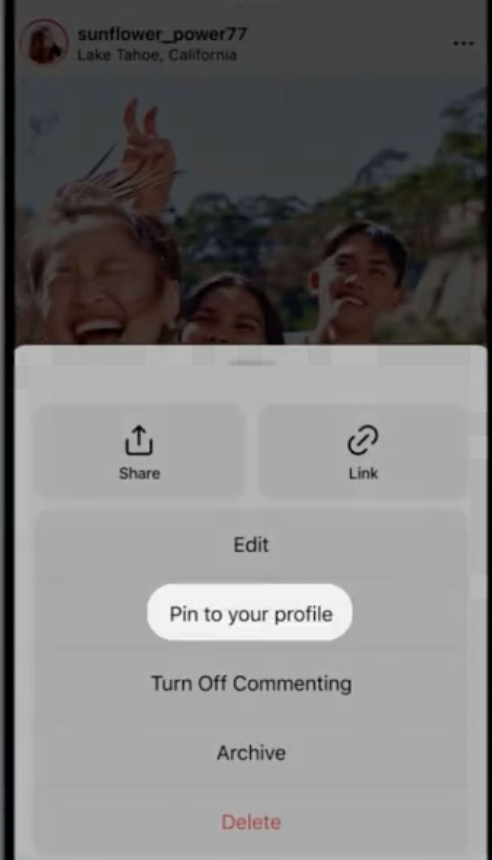
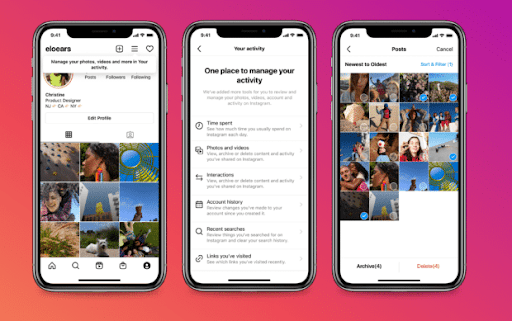
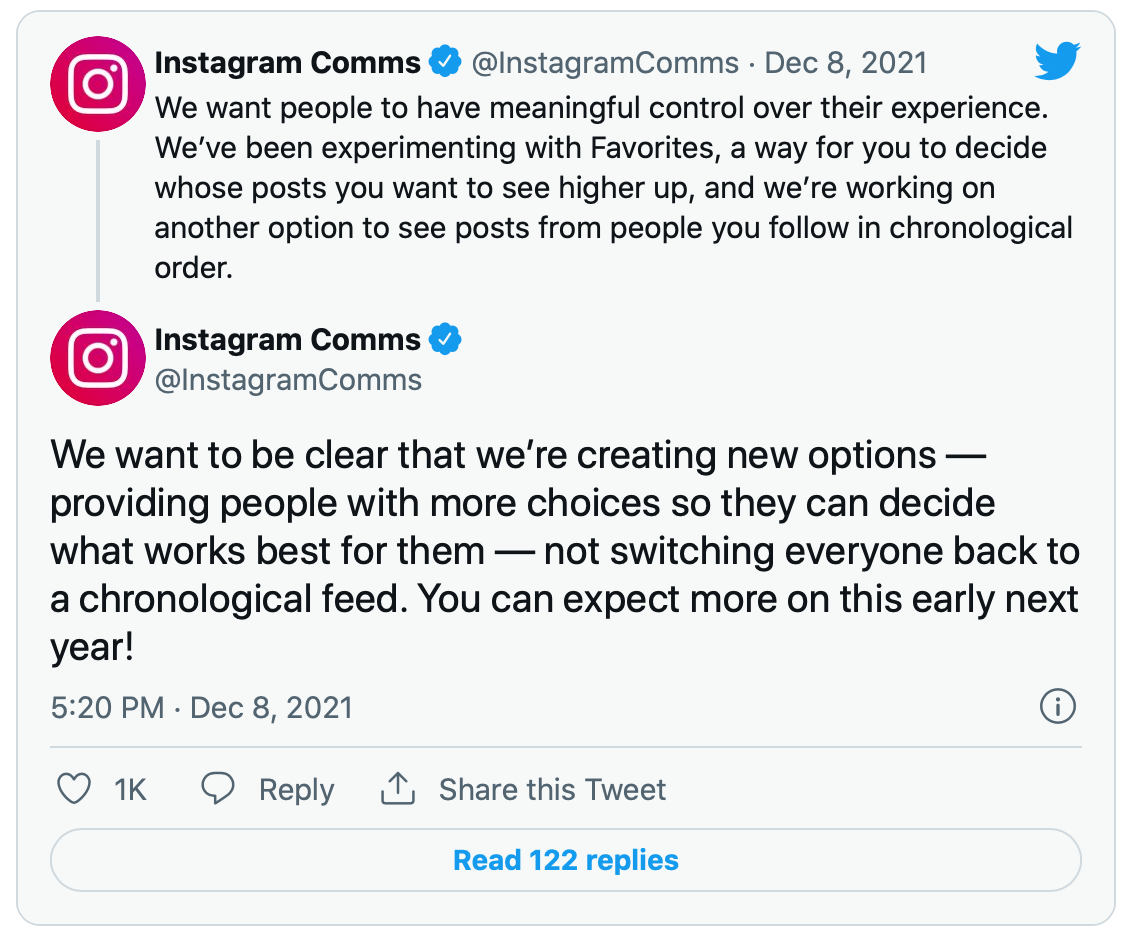
User control and engagement features have also been a focus. Instagram launched the ability to pin up to three posts or Reels to the top of a user’s profile grid in June 2022, giving individuals and brands greater control over their first impression. Testing for multiple links in bio was spotted in October 2022, which could greatly enhance the utility of Instagram profiles for businesses. The chronological feed view made a return to Instagram in March 2022, offering users the choice between an algorithmic or time-ordered feed, alongside a "Favorites" feed. February 2022 saw the release of the "Your Activity" feature on Instagram, centralizing content management, deletions, and interactions. Streamlined Story likes were introduced in February 2022, allowing private likes without cluttering DMs. Instagram also tested full-screen, 9×16 feed photos and videos in May 2022, aligning with a mobile-first content strategy. In August 2020, Facebook introduced new Page Follow Settings, allowing users to customize notifications for different content types from Pages they follow.
Supporting Businesses and Communities
Meta’s commitment to supporting businesses and fostering communities is evident in a continuous stream of tools and programs. The Meta Advantage Suite, launched in March 2022, consolidated all automated ad products into a single platform, offering marketers enhanced optimization, personalization, and efficiency through features like Advantage+ creative and audience targeting. In July 2022, Meta launched Small Business Studios, a resource center offering on-demand video courses, expert-led training, and a live tour for businesses seeking growth on the platform. The Facebook Marketing Experts program was rebranded as the Meta Pro Team in July 2022, expanding personalized support for small businesses.
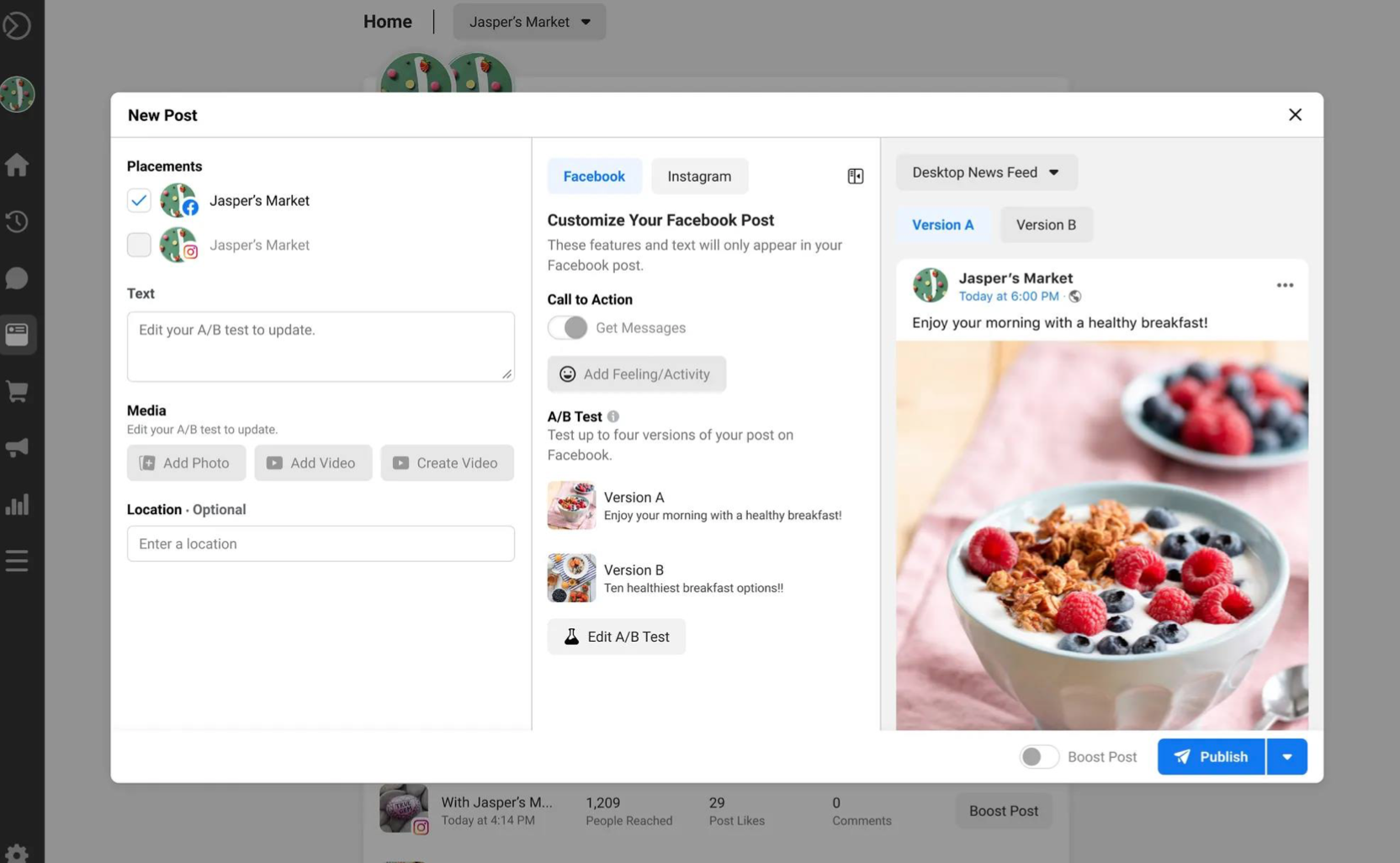
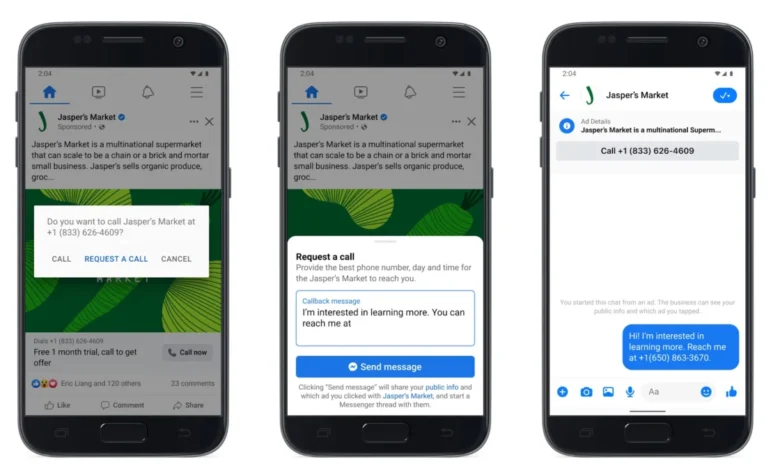
The Facebook Business Suite, announced and rolled out in September 2020, served as a unified dashboard for managing Facebook and Instagram accounts, facilitating cross-platform posting, messaging, advertising, and insights. New features were added in April 2021, including the ability to create and schedule Facebook and Instagram Stories. A Campaign Ideas Generator was launched in August 2021, providing tailored campaign suggestions and resources for small businesses. The Messenger API for Instagram, expanded in June 2021 (after beta testing in October 2020), revolutionized business communication by allowing third-party social media management tools to integrate Instagram DMs. Call Ads received significant updates in September 2022, optimizing the format to reach more potential customers and find better quality leads, including a feature to request callbacks in Messenger. Facebook also improved Auto Inventory Ads (AIAs) in September 2020, allowing auto dealers to send traffic to mobile-optimized, on-platform Vehicle Detail Pages.
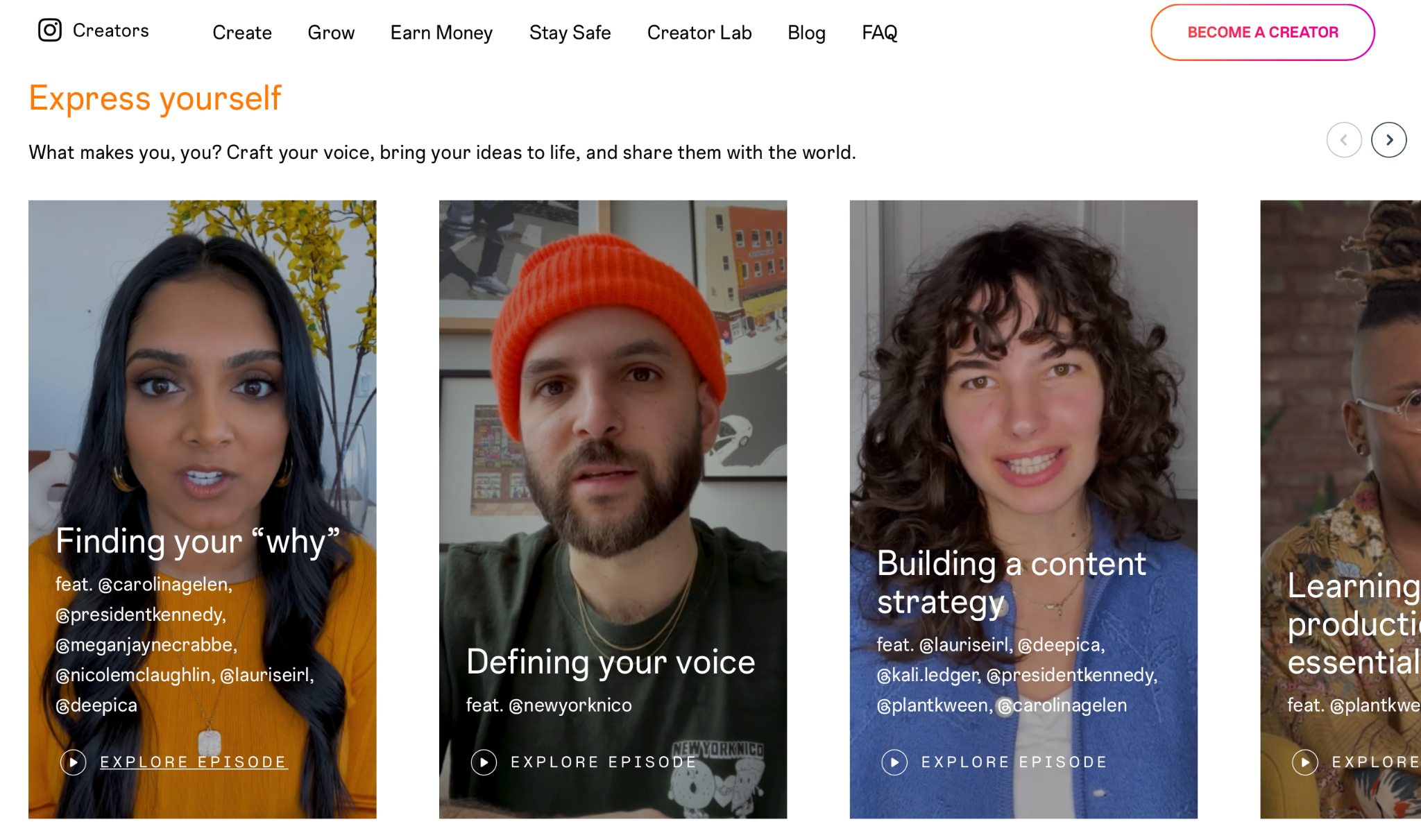
Community and creator support saw continuous development. Beyond the 2023 outlook for Facebook Groups, new Group admin tools rolled out in March 2022 and November 2021, offering features like Admin Assist for automated moderation, topic-based chats, and new post formats. The Creator Lab, launched in March 2022, provided a resource center with videos from successful creators sharing insights for new content creators. A Community Manager Certification course was released in October 2020, equipping managers with strategies for building and growing online communities. An "Educational Hub" was launched in August 2020, providing resources for parents, teachers, and students, particularly relevant during remote learning. Paid Online Events were introduced in August 2020, allowing Page owners to host paid virtual events, with Facebook waiving fees for the first year to support small business recovery during the pandemic.
Meta has also actively promoted diversity and inclusion. In January 2022, new programming, tools, and resources were announced for Black-owned small businesses, including a partnership with celebrity Ciara to promote Black and Latinx-owned businesses with ad credits and creative support. May 2021 saw the launch of Amplify API, a program offering content and training opportunities for Asian & Pacific-Islander owned small and medium-sized businesses. In June 2020, Facebook announced initiatives to advance racial justice, committing over $1 billion USD to support Black and diverse communities and suppliers, and creating "Lift Black Voices" to amplify Black voices and share educational resources.
In conclusion, Meta’s extensive updates from late 2020 through 2022 illustrate a company in constant motion, balancing aggressive innovation with a growing emphasis on responsibility. The strategic pivots towards AI-driven automation, a robust creator economy, and the ambitious metaverse project are fundamentally reshaping how businesses connect with audiences and how users interact with digital content. For marketers and advertisers, these changes present both challenges and unparalleled opportunities, demanding adaptability and a keen understanding of the evolving digital landscape as Meta continues to build its vision for the future of social connection and commerce.