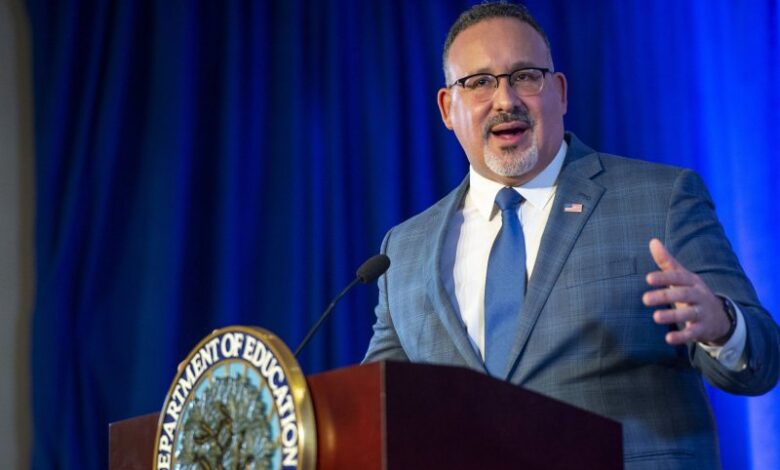
Cardonas Big Ideas: Reimagining Education
With few details but big ideas sec cardona pushes total reimagining of education edsurge news – With few details but big ideas, Secretary Cardona pushes a total reimagining of education, according to EdSurge News. This bold vision, Artikeld in a recent report, challenges traditional educational practices and proposes a fundamental shift in how we approach learning.
Cardona’s vision aims to address systemic inequalities, promote personalized learning, and equip students with the skills necessary for success in the 21st century.
At the heart of this reimagining lies a focus on equity and access, ensuring that all students, regardless of background, have the opportunity to thrive. This vision also emphasizes the integration of technology, fostering a dynamic and interactive learning environment.
The report delves into the specific areas of education that Cardona proposes to revolutionize, including curriculum, assessment, and teacher training.
Cardona’s Vision for Education Reimagined
Secretary of Education Miguel Cardona has Artikeld a bold vision for education reform, aiming to fundamentally reimagine the way we learn and teach. His vision, rooted in equity and access, seeks to create a more inclusive and responsive educational system that prepares all students for success in the 21st century.
It’s inspiring to see Secretary Cardona advocating for a bold reimagining of education, focusing on big ideas rather than just details. This reminds me of the importance of collaboration, which is evident in Mayor Adams’ meeting with New York City business leaders to discuss public safety, a critical issue for any thriving community.
Ultimately, both education and safety require a shared vision and commitment to create a brighter future for all.
Core Principles and Overarching Goals
Cardona’s vision for education reform is guided by several core principles, including equity, access, and personalized learning. He emphasizes the importance of ensuring that all students, regardless of their background or circumstances, have access to a high-quality education. Cardona envisions a system that is flexible and responsive to the individual needs of learners, empowering them to reach their full potential.
His overarching goal is to create an education system that is both equitable and effective, one that prepares students for a future of lifelong learning and success.
Areas for Reimagining, With few details but big ideas sec cardona pushes total reimagining of education edsurge news
Cardona’s vision calls for a comprehensive reimagining of several key areas of education. These include:
Early Childhood Education
Early childhood education is a cornerstone of Cardona’s vision. He believes that high-quality early learning experiences are essential for setting children on a path to success. This includes providing access to affordable and high-quality early childhood programs for all children, particularly those from disadvantaged backgrounds.
K-12 Education
Cardona envisions a K-12 education system that is more personalized and responsive to the individual needs of students. This includes incorporating technology and innovative teaching methods to create engaging and effective learning environments. He also emphasizes the importance of providing students with access to career and technical education opportunities, preparing them for the workforce of the future.
Higher Education
Cardona recognizes the critical role that higher education plays in preparing students for success in the workforce. He calls for making college more affordable and accessible to all students, including those from low-income backgrounds and first-generation college students. He also emphasizes the importance of ensuring that higher education institutions are responsive to the evolving needs of the workforce, providing students with the skills and knowledge they need to succeed in the 21st century.
Impact on Stakeholders
Cardona’s vision for education reform has the potential to significantly impact various stakeholders, including:
Students
Cardona’s vision prioritizes the needs of students, aiming to create an education system that is equitable, accessible, and responsive to their individual needs. This could lead to improved learning outcomes for all students, particularly those from disadvantaged backgrounds.
Educators
Cardona’s vision recognizes the critical role of educators in shaping the future of education. He calls for providing educators with the resources and support they need to effectively teach and engage students in the 21st century. This includes professional development opportunities, access to innovative technologies, and a focus on building a strong and supportive teaching profession.
Parents
Cardona’s vision emphasizes the importance of involving parents in the education of their children. He envisions a system that fosters strong partnerships between parents and educators, working together to ensure that all students are receiving the best possible education.
Policymakers
Cardona’s vision calls for significant changes to education policy, requiring policymakers to make substantial investments in education and to prioritize equity and access. This includes providing funding for early childhood education, increasing access to affordable higher education, and supporting innovative teaching methods and technologies.
The “Big Ideas” Behind the Vision: With Few Details But Big Ideas Sec Cardona Pushes Total Reimagining Of Education Edsurge News
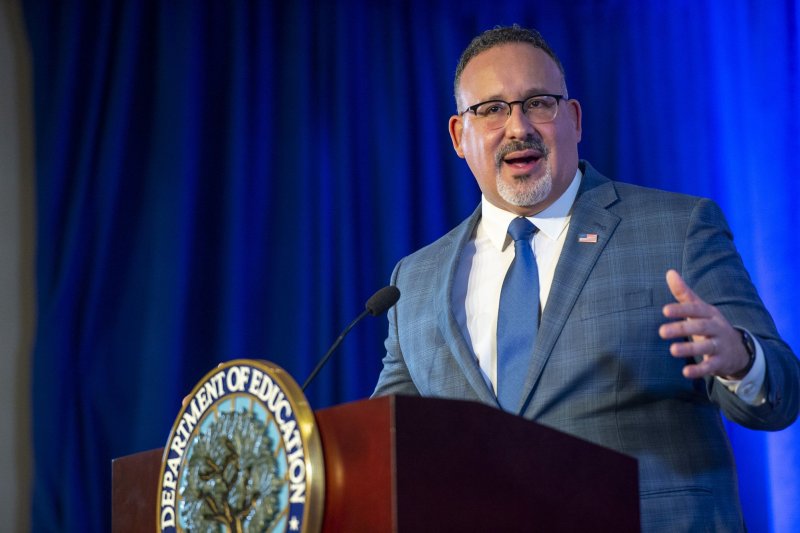
Cardona’s vision for education reform, embodied in his “Reimagine Education” initiative, is not simply a set of incremental changes. It’s a bold attempt to address deep-rooted challenges within the education system, aiming to create a more equitable, relevant, and future-ready learning environment.
It’s fascinating to see how Sec. Cardona’s vision for education reform is taking shape, emphasizing big ideas over minute details. The potential for disruption is undeniable, and it’s easy to get caught up in the excitement. But, as the saying goes, “don’t let the perfect be the enemy of the good.” It’s important to remember that even the most radical changes need to be grounded in practicality.
For example, analysis sorry but for you oil trades at 250 a barrel , a piece that explores the potential economic impact of a major shift in energy policy, reminds us that we can’t ignore the realities of cost and resource allocation when planning for the future.
Ultimately, successful education reform will require a delicate balance between bold vision and pragmatic execution.
The vision is underpinned by several core principles, each with its own set of supporting research and arguments.
The Importance of Equity and Access
The “Reimagine Education” initiative places a strong emphasis on ensuring equitable access to quality education for all students, regardless of their background, location, or circumstances. This commitment is rooted in the belief that every student deserves the opportunity to reach their full potential.
Research consistently shows that socioeconomic disparities have a significant impact on educational outcomes, with students from disadvantaged backgrounds often facing barriers to access, resources, and support. Cardona’s vision seeks to dismantle these barriers, promoting a system that provides all students with the tools and opportunities they need to thrive.
It’s fascinating to see how Secretary Cardona envisions a complete overhaul of education, focusing on big ideas rather than minute details. This approach, while bold, can be a double-edged sword, especially when we consider real-world tragedies like the brutal beating of a Columbia graduate student in Manhattan, as reported in this article.
While Cardona’s vision may offer hope for the future, it’s crucial to acknowledge the immediate needs and challenges faced by individuals in our society.
The Need for Personalized Learning
Cardona’s vision recognizes that one-size-fits-all approaches to education are no longer sufficient. The modern world demands a personalized learning experience that caters to individual student needs, interests, and learning styles. The concept of personalized learning has gained traction in recent years, driven by advances in technology and a growing understanding of the importance of tailoring instruction to individual learning styles.
Research shows that personalized learning can lead to increased engagement, motivation, and academic achievement. By embracing this approach, Cardona’s vision aims to create a more student-centered and effective learning environment.
The Role of Technology in Transforming Education
Technology plays a pivotal role in Cardona’s vision for education reform. He envisions a future where technology is seamlessly integrated into the learning process, providing students with access to a wealth of resources, personalized learning experiences, and opportunities for collaboration and communication.
The rise of digital learning platforms, online courses, and personalized learning tools has opened up new possibilities for transforming education. Research suggests that technology can enhance learning outcomes, particularly when used strategically and in conjunction with effective pedagogical practices.
The Importance of 21st-Century Skills
The skills and knowledge needed to succeed in the 21st century are vastly different from those valued in the past. Cardona’s vision emphasizes the need to equip students with the critical thinking, problem-solving, creativity, and collaboration skills that are essential for navigating a rapidly changing world.
The traditional focus on rote memorization and standardized testing is being challenged by a growing understanding of the importance of these “21st-century skills.” Research highlights the need for educational systems to adapt to the evolving demands of the workplace and society, equipping students with the skills and knowledge they need to thrive in a globalized and technologically driven world.
The Value of Holistic Development
Cardona’s vision extends beyond academic achievement, emphasizing the importance of fostering holistic development. This includes nurturing students’ social-emotional well-being, promoting their physical health, and encouraging their civic engagement. Research increasingly shows that students who are well-rounded and possess strong social-emotional skills are better equipped to succeed in all aspects of their lives.
By prioritizing holistic development, Cardona’s vision aims to create a more supportive and nurturing learning environment that prepares students for success in all aspects of life.
Challenges and Opportunities
Cardona’s vision for education reimagined, while ambitious and promising, faces a multitude of challenges that require careful consideration and strategic planning for successful implementation. These challenges are not insurmountable, but they do necessitate a concerted effort to address them effectively.
Challenges
The potential challenges to implementing Cardona’s vision are multifaceted and interconnected. Here are some key considerations:
- Funding and Resource Allocation:A significant challenge lies in securing sufficient funding and allocating resources effectively to support the diverse initiatives Artikeld in Cardona’s vision. This includes funding for professional development, infrastructure improvements, and equitable access to technology and resources across different school districts and communities.
- Teacher Training and Support:Implementing a reimagined education system requires a well-trained and supported teaching workforce. Teachers need access to ongoing professional development opportunities that equip them with the skills and knowledge to implement innovative teaching methods, address student needs effectively, and navigate the evolving landscape of education.
- Parental and Community Engagement:Engaging parents and communities is crucial to the success of any educational reform. Building trust and fostering meaningful partnerships with families is essential to ensure that the vision aligns with the needs and values of diverse communities and that parents are actively involved in their children’s education.
- Addressing Equity and Access:A fundamental challenge is ensuring equitable access to quality education for all students, regardless of their background, location, or learning needs. This requires addressing systemic inequities and barriers that hinder educational opportunities for marginalized students, including those from low-income families, students with disabilities, and students of color.
- Technological Infrastructure and Digital Divide:The vision relies heavily on technology, which necessitates addressing the digital divide and ensuring equitable access to reliable internet connectivity, digital devices, and digital literacy skills for all students. This includes providing support and resources for schools and communities that lack adequate technology infrastructure.
- Measuring and Evaluating Progress:Developing robust systems for measuring and evaluating the effectiveness of the vision’s implementation is crucial. This requires establishing clear metrics and data collection methods to track progress towards achieving the desired outcomes, identify areas for improvement, and demonstrate the impact of the reforms.
Opportunities
Despite the challenges, the implementation of Cardona’s vision presents numerous opportunities to enhance education and create a more equitable and effective system for all learners.
- Personalized Learning:The vision provides an opportunity to move towards personalized learning approaches that cater to the unique needs and learning styles of individual students. This allows students to progress at their own pace, explore their interests, and develop their skills in a customized and engaging way.
- Career and Technical Education:The vision emphasizes the importance of career and technical education, providing students with opportunities to develop skills and knowledge that are relevant to the demands of the modern workforce. This includes pathways to apprenticeships, internships, and other work-based learning experiences.
- Social-Emotional Learning:The vision prioritizes social-emotional learning, recognizing its importance for students’ overall well-being and success. This includes developing programs and practices that promote students’ emotional intelligence, self-regulation, empathy, and resilience.
- Innovation and Collaboration:The vision encourages innovation and collaboration among educators, researchers, and policymakers. This creates a dynamic environment for developing new approaches to teaching and learning, sharing best practices, and leveraging the collective expertise of the education community.
- Data-Driven Decision-Making:The vision emphasizes the use of data to inform decision-making, enabling educators and policymakers to identify areas for improvement, allocate resources effectively, and tailor interventions to meet specific needs. This data-driven approach allows for continuous evaluation and refinement of the educational system.
Final Wrap-Up
Cardona’s vision for education is a call to action, urging educators, policymakers, and stakeholders to embrace a new era of learning. By challenging the status quo and embracing innovation, we can create a more equitable and effective educational system that prepares students for the future.
The implementation of these big ideas will require collaboration, commitment, and a willingness to adapt to evolving needs. Ultimately, Cardona’s vision paints a picture of a transformed educational landscape where every student has the opportunity to reach their full potential.