Black Americans Approve of Biden, But Not on Inflation: CBS News Poll
Black americans approve of biden but not on inflation cbs news poll – Black Americans Approve of Biden, But Not on Inflation: CBS News Poll. This headline, which reflects the current political climate, raises questions about the complex relationship between Black Americans and President Biden. While the poll shows strong approval for Biden among Black voters, their support wanes when it comes to his handling of inflation.
This disparity highlights the economic anxieties facing Black communities, which are disproportionately affected by rising costs.
This blog post will delve into the reasons behind these divergent views, examining the historical context of Black voter support for Democratic presidents, the specific issues impacting Black Americans, and the potential implications for the 2024 election.
Black Americans’ Approval of Biden
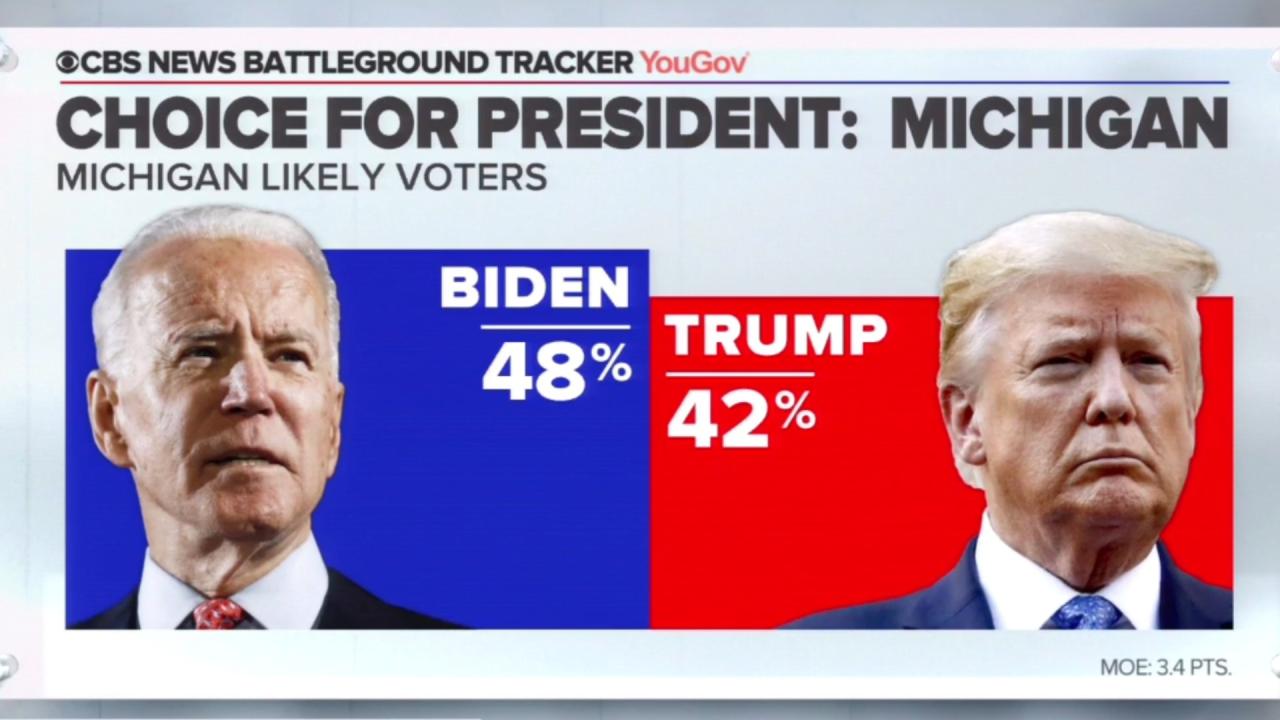
A recent CBS News poll revealed that President Biden enjoys significant approval among Black Americans, despite facing challenges on issues like inflation. This finding reflects a long-standing pattern of strong Black voter support for Democratic presidents, though it also highlights the complexities of this relationship.
Historical Context of Black Voter Support for Democratic Presidents
Black voters have historically been a cornerstone of the Democratic Party’s electoral success. This allegiance is rooted in the Democratic Party’s historic advocacy for civil rights and social justice issues that directly impact the Black community.
“The Democratic Party has been seen as the party of civil rights and social justice, while the Republican Party has been seen as the party of white supremacy and segregation.”
The recent CBS News poll showing Black Americans approving of Biden’s performance but not his handling of inflation highlights the complex challenges facing our nation. To navigate these issues, we need leaders who embody the “11 mindset traits of successful entrepreneurs” found here , like resilience and adaptability.
These traits are crucial for finding solutions that address the concerns of diverse communities, like the rising cost of living impacting Black Americans.
From the Civil Rights Movement to the present day, Black voters have consistently demonstrated a high level of engagement and support for Democratic candidates who champion their interests.
Key Issues Contributing to Black Americans’ Approval or Disapproval of Biden’s Performance
While Black Americans generally approve of Biden’s presidency, their opinions are nuanced and influenced by various factors, including:
- Economic Concerns:Inflation and rising costs of living are significant concerns for Black Americans, who are disproportionately impacted by economic hardship. Biden’s economic policies and their impact on inflation are likely to influence their assessment of his performance.
- Racial Justice and Equity:Black Americans are keenly aware of racial disparities in areas like healthcare, education, and criminal justice. Biden’s commitment to addressing these issues, including his support for police reform and voting rights legislation, will be closely scrutinized.
- Political Polarization and Identity:The increasingly polarized political climate has heightened racial tensions and fueled a sense of urgency among Black voters to protect their rights and interests. Biden’s ability to navigate this complex landscape and promote racial unity will be a crucial factor in maintaining their support.
Inflation’s Impact on Black Americans
Inflation, a persistent rise in the general price level of goods and services, has a significant impact on all Americans, but its effects are disproportionately felt by Black Americans. This disparity is rooted in the historical and ongoing economic inequalities faced by the Black community.
Disparities in Inflation’s Impact
The impact of inflation on Black Americans is compounded by their lower median income and wealth compared to other racial groups. This means that a larger portion of their income is spent on essential goods and services, making them more vulnerable to price increases.
For instance, a 2022 study by the Center on Budget and Policy Priorities found that Black households spend a higher percentage of their income on housing, transportation, and food than white households. This increased vulnerability to inflation can exacerbate existing economic disparities and hinder progress toward financial security.
Impact on Housing Costs
Rising housing costs are a significant concern for Black Americans, who are more likely to rent than own their homes. As inflation pushes up rental prices, Black renters face increased housing insecurity and potential displacement. This can have a ripple effect, impacting access to education, employment, and healthcare.
Impact on Food Costs
Inflation has driven up food prices, particularly for essential items like groceries. This has a significant impact on Black Americans, who are more likely to experience food insecurity. According to the USDA, Black households have a higher rate of food insecurity than white households.
Rising food prices can further strain household budgets and lead to nutritional deficiencies, impacting health outcomes.
Impact on Transportation Costs, Black americans approve of biden but not on inflation cbs news poll
Increased transportation costs, driven by higher gas prices and vehicle maintenance expenses, disproportionately affect Black Americans. Many Black households rely on personal vehicles for transportation, and higher gas prices can make it difficult to afford essential travel for work, school, or healthcare.
This can limit employment opportunities and access to vital services.
Potential Consequences of High Inflation
Persistent high inflation can have serious consequences for Black communities, exacerbating existing economic inequalities and hindering progress toward racial equity. This can lead to:
- Increased poverty and food insecurity
- Limited access to quality healthcare and education
- Reduced economic mobility and opportunity
- Heightened housing insecurity and displacement
- Increased stress and mental health challenges
Factors Contributing to the Disparity in Approval Ratings: Black Americans Approve Of Biden But Not On Inflation Cbs News Poll
The disparity in approval ratings between Black Americans and other racial groups regarding Biden’s performance on inflation can be attributed to a complex interplay of factors. While Black Americans generally express higher approval of Biden’s overall job performance, they are less satisfied with his handling of the economy, particularly inflation.
It’s fascinating to see how different demographics view President Biden’s performance. While Black Americans approve of his overall job performance, they’re less enthusiastic about his handling of inflation. This reminds me of the recent Northern Ireland elections, where voters expressed a desire for change but ultimately chose to maintain the UK’s union.
This analysis of the election highlights how complex political landscapes can be, with voters juggling various priorities. It seems that, despite some dissatisfaction, Black Americans are still largely supportive of Biden, suggesting that inflation may not be the decisive factor in the upcoming election.
This discrepancy highlights the unique economic challenges faced by Black Americans and their distinct perspectives on the president’s policies.The disparity in approval ratings can be partly explained by the disproportionate impact of inflation on Black Americans.
The recent CBS News poll highlighting Black Americans’ approval of Biden’s performance but their dissatisfaction with inflation is a complex issue, mirroring broader societal concerns. This comes at a time when the government is grappling with the complexities of regulating cryptocurrency, as evidenced by the MHA body issuing norms for crypto-related crimes.
The convergence of these two topics highlights the interconnectedness of economic anxieties and evolving technological landscapes, shaping the political climate in the US.
Inflation’s Impact on Black Americans
Black Americans are more likely to experience the effects of inflation due to their higher concentration in low-wage jobs and their reliance on essential goods and services. For instance, Black Americans are overrepresented in sectors like retail and hospitality, where wages are often stagnant and vulnerable to price increases.
- Higher Concentration in Low-Wage Jobs:Black Americans are overrepresented in low-wage jobs, which are often more susceptible to inflation. This means that their wages are less likely to keep pace with rising prices, leading to a decline in their purchasing power.
- Reliance on Essential Goods and Services:Black Americans are more likely to spend a larger proportion of their income on essential goods and services, such as food, transportation, and housing. These items are often subject to higher inflation rates, putting a greater strain on household budgets.
- Limited Access to Savings and Assets:Black Americans are more likely to have lower levels of savings and assets, making them more vulnerable to economic shocks like inflation.
Potential Implications for the 2024 Election
The current approval ratings for President Biden among Black Americans, particularly amidst concerns about inflation, could have significant implications for the 2024 presidential election. While Black voters have historically been a bedrock of Democratic support, their enthusiasm and turnout could be impacted by economic anxieties and perceptions of the party’s performance.
Potential Impact on 2024 Election
The following table Artikels potential scenarios for the 2024 election based on Black voter turnout and support for the Democratic candidate:
| Scenario | Black Voter Turnout | Support for Democratic Candidate | Potential Impact on Election Outcome |
|---|---|---|---|
| High Turnout, Strong Support | High | Strong | A significant advantage for the Democratic candidate, potentially increasing their chances of winning key swing states. |
| Moderate Turnout, Moderate Support | Moderate | Moderate | A more competitive race, with the outcome potentially depending on other factors such as turnout among other demographic groups and the performance of the Republican candidate. |
| Low Turnout, Weak Support | Low | Weak | A significant challenge for the Democratic candidate, potentially leading to a Republican victory. |
Scenario 1: High Turnout, Strong SupportIf Black voters maintain high turnout and strong support for the Democratic candidate, it could be a decisive factor in the election. This scenario is more likely if the economy improves, inflation decreases, and the Democratic candidate successfully addresses issues important to Black voters, such as racial justice, healthcare, and economic opportunity.
For instance, in the 2020 election, high Black voter turnout was crucial for Biden’s victory in key swing states like Georgia and Pennsylvania. Scenario 2: Moderate Turnout, Moderate SupportIf Black voter turnout and support for the Democratic candidate are moderate, the election could be much closer.
This scenario is more likely if the economy remains stagnant or deteriorates, and the Democratic candidate fails to address issues that resonate with Black voters. In this case, the election could be decided by other factors, such as turnout among other demographic groups and the performance of the Republican candidate.
Scenario 3: Low Turnout, Weak SupportIf Black voter turnout is low and support for the Democratic candidate is weak, it could significantly disadvantage the Democratic candidate. This scenario is more likely if economic conditions worsen, inflation continues to rise, and the Democratic candidate fails to address issues that are important to Black voters.
For example, in the 2016 election, low Black voter turnout in some key states was a contributing factor to Trump’s victory.
Final Conclusion
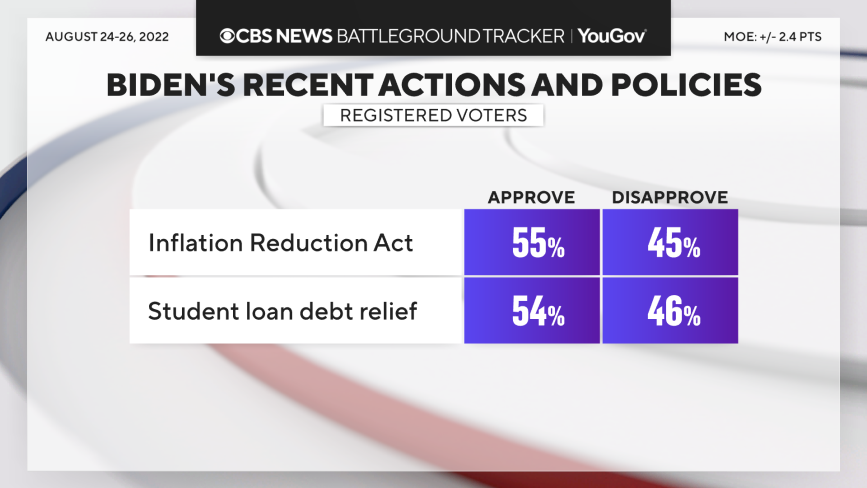
The CBS News poll reveals a nuanced perspective on Black Americans’ views of President Biden. While they express overall approval for his leadership, their concerns about inflation remain a significant factor. Understanding the complexities of this issue is crucial for navigating the political landscape and ensuring that the needs of Black communities are addressed.
The upcoming election will likely be a defining moment in this conversation, as candidates grapple with the economic anxieties and policy priorities of Black voters.