

Republicans Pushed for Russian Oil Ban, Now Blame Biden for High Gas Prices
Republicans pushed for russian oil ban but are already blaming biden for high gas prices – Republicans Pushed for Russian Oil Ban, Now Blame Biden for High Gas Prices – it’s a headline that’s been circulating for months, and it’s a prime example of the political back-and-forth surrounding energy policy in the United States. While Republicans were vocal proponents of banning Russian oil imports, they’ve swiftly shifted their focus to blaming the Biden administration for the subsequent rise in gas prices.
This blame game has become a central part of the ongoing energy policy debate, with each side highlighting their own solutions and criticizing the other’s approach.
The situation is complex, with various factors contributing to the high gas prices, including global market fluctuations, the ongoing war in Ukraine, and the overall state of the economy. But the focus on the Russian oil ban and its potential impact on gas prices has created a heated political battleground, with both parties vying for public support and trying to capitalize on the issue for their own political gain.
The Republican Push for a Russian Oil Ban: Republicans Pushed For Russian Oil Ban But Are Already Blaming Biden For High Gas Prices

The Republican Party, in the wake of Russia’s invasion of Ukraine, has been vocal in its support for a ban on Russian oil imports. This stance, presented as a means to cripple Russia’s economy and punish its aggression, has sparked significant debate about the potential economic and geopolitical implications of such a move.
Republican Rationale for the Oil Ban
Republicans argue that a ban on Russian oil imports is a necessary step to hold Russia accountable for its actions in Ukraine. They contend that the ban would inflict significant economic pain on Russia, ultimately undermining its ability to wage war.
This rationale stems from the fact that Russia is a major oil exporter, and a ban on its oil imports would deprive it of a crucial source of revenue.
It’s a classic case of “heads I win, tails you lose” – Republicans pushed for a Russian oil ban, knowing it would likely contribute to higher gas prices, and now they’re blaming Biden for the economic fallout. This kind of political maneuvering, fueled by fear-mongering and a lack of long-term solutions, is exactly what the article opinion will inflation worries push americans toward authoritarianism to economic detriment warns about.
If Americans continue to be swayed by these kinds of tactics, we risk falling into a cycle of economic hardship and political instability, all while the real problems remain unaddressed.
Republican Statements and Actions, Republicans pushed for russian oil ban but are already blaming biden for high gas prices
Republican lawmakers have been consistent in their calls for a ban on Russian oil imports. For example, Senator Marco Rubio (R-FL) stated, “We need to ban Russian oil imports immediately. This is a war on democracy, and we must stand with Ukraine.” Similarly, Senator Ted Cruz (R-TX) declared, “The United States must stop buying Russian oil.
It’s time to stand with the Ukrainian people and punish Putin for his aggression.” These statements highlight the bipartisan consensus among Republicans regarding the need for an oil ban.
Potential Economic and Geopolitical Implications of the Ban
Republicans acknowledge that a ban on Russian oil imports could lead to higher energy prices in the United States. However, they argue that the economic and geopolitical benefits of the ban outweigh the costs. They assert that the ban would send a strong message to Russia that its aggression will not be tolerated, deterring future aggression by Russia and other countries.
Republicans also emphasize that the ban would accelerate the transition to clean energy sources, reducing the United States’ reliance on foreign oil. They believe that this transition would enhance national security and reduce the country’s vulnerability to geopolitical shocks.
The Blame Game
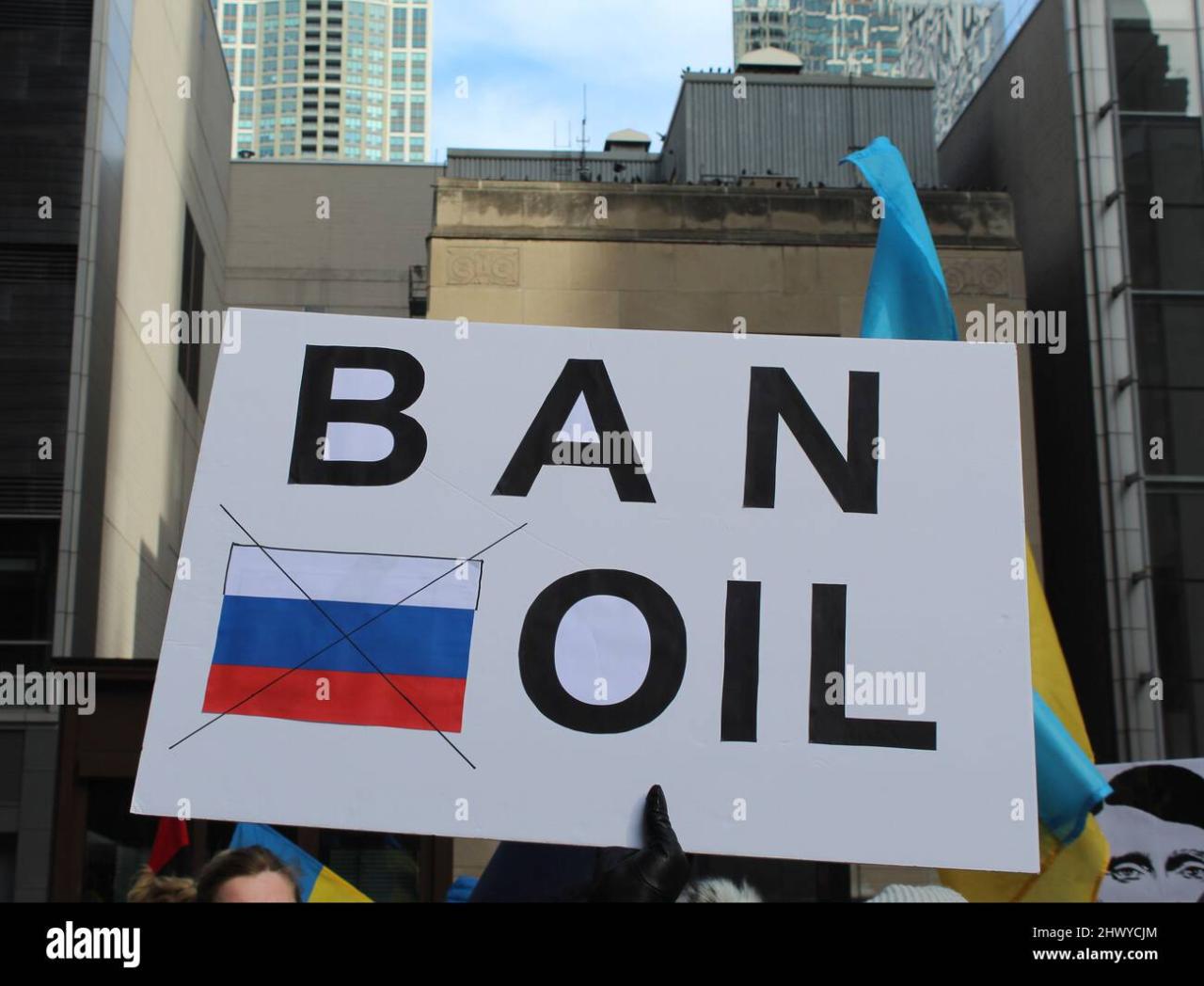
While Republicans have been vocal in their support for a ban on Russian oil imports, they have simultaneously been quick to criticize the Biden administration for the subsequent rise in gas prices. This tactic, often referred to as “blame-shifting,” has become a common strategy for Republicans to deflect criticism and maintain their political standing.
Republican Arguments Linking the Oil Ban to Gas Prices
Republicans have consistently argued that the Biden administration’s decision to ban Russian oil imports is the primary driver of the recent surge in gas prices. Their claims are often rooted in the following arguments:
- Reduced Supply:Republicans argue that the ban on Russian oil has significantly reduced the global supply of oil, creating a shortage that has driven up prices. They point to the fact that Russia is a major oil producer, and its removal from the market has created a gap that cannot be easily filled.
- Increased Demand:While acknowledging the reduced supply, Republicans also contend that the Biden administration’s policies, such as the cancellation of the Keystone XL pipeline, have discouraged domestic oil production and increased demand for imported oil. This, they argue, has further exacerbated the supply-demand imbalance and pushed prices higher.
- Strategic Miscalculation:Some Republicans have criticized the administration’s decision to ban Russian oil, arguing that it was a hasty and ill-conceived move that has backfired. They argue that the administration failed to adequately consider the potential economic consequences of the ban, and that it has ultimately hurt American consumers more than it has hurt Russia.
Examples of Republican Rhetoric Blaming the Biden Administration
Republican leaders have frequently used public platforms, including speeches, press conferences, and social media, to blame the Biden administration for high gas prices. They have often employed strong language and inflammatory rhetoric to emphasize their point, often invoking phrases like “Biden’s energy crisis” or “the Biden inflation.”
“The American people are paying the price for the Biden administration’s failed energy policies,”
said Republican Senator Ted Cruz in a recent speech.
“This is a direct result of the Biden administration’s war on American energy,”
It’s a classic case of “heads I win, tails you lose” with Republicans pushing for a Russian oil ban, then blaming Biden for the resulting higher gas prices. Meanwhile, a bit of a different kind of crisis is brewing: Turkey Hill Dairy has issued a voluntary recall and allergy alert for select Chocolate Marshmallow Premium ice cream containers due to undeclared peanuts.
While not a national emergency, this recall highlights the importance of careful food labeling and how even a small oversight can have serious consequences for those with allergies. So, while Republicans continue to point fingers at Biden for gas prices, perhaps they should consider how their own actions might contribute to unforeseen consequences.
echoed Republican Representative Kevin McCarthy.
It’s a classic case of “do as I say, not as I do.” Republicans pushed for a Russian oil ban, knowing it would likely drive up gas prices, and now they’re blaming President Biden for the resulting economic fallout. It’s a reminder of the importance of sizing up the decisions of older adults , especially when they involve complex geopolitical situations and potential economic consequences.
In this case, the decision to ban Russian oil was a necessary step to punish Russia for its invasion of Ukraine, but it was also a risky move with foreseeable consequences. It seems the GOP has forgotten that they were the ones who pushed for this ban in the first place.
Alternative Explanations for the Gas Price Surge
While Republicans have focused their blame on the Biden administration’s oil ban, other factors have also contributed to the recent surge in gas prices. These include:
- Global Energy Demand:The global economy has been recovering from the COVID-19 pandemic, leading to increased demand for energy, including oil. This increased demand has put upward pressure on prices worldwide.
- Inflation:The broader economic trend of inflation has also contributed to higher gas prices. As the cost of goods and services rises across the board, the price of gasoline is also likely to increase.
- Supply Chain Disruptions:The COVID-19 pandemic has caused significant disruptions to global supply chains, including the production and transportation of oil. These disruptions have made it more difficult and expensive to get oil to market, contributing to higher prices.
- Geopolitical Instability:The ongoing war in Ukraine and the associated geopolitical tensions have created uncertainty in the global energy market, leading to higher prices. The war has disrupted oil production and transportation, and the possibility of further sanctions or disruptions is adding to the volatility.
The Role of Domestic Oil Production

The debate over high gas prices has intensified, with Republicans and Democrats offering contrasting solutions. One central point of contention is the role of domestic oil production. Republicans argue that increasing domestic oil production is the key to lowering gas prices, while Democrats emphasize a more multifaceted approach that includes investments in renewable energy and energy efficiency.
Comparing Republican and Biden Administration Approaches to Domestic Oil Production
The Republican and Biden administration approaches to domestic oil production differ significantly in their policy objectives, key actions, expected outcomes, and potential challenges.
| Policy Objective | Republican Approach | Biden Administration Approach |
|---|---|---|
| Increase Domestic Oil Production | Encourage oil and gas drilling on federal lands and waters, streamline permitting processes, and reduce regulations. | Promote a transition to renewable energy sources while maintaining existing oil and gas production at current levels. |
| Reduce Gas Prices | Increase supply of oil, leading to lower prices through market forces. | Reduce dependence on fossil fuels through investments in renewable energy and energy efficiency, leading to long-term price stability. |
| Energy Independence | Reduce reliance on foreign oil imports by increasing domestic production. | Diversify energy sources and reduce reliance on fossil fuels through investments in renewable energy and energy efficiency. |
| Economic Growth | Create jobs in the oil and gas industry and stimulate economic activity. | Promote growth in the renewable energy sector and create jobs in related industries. |
| Environmental Protection | Focus on responsible drilling practices to minimize environmental impact. | Prioritize environmental protection and reduce greenhouse gas emissions through investments in renewable energy and energy efficiency. |
The Energy Policy Debate
The debate over energy policy in the United States is a complex and multifaceted one, reflecting a range of perspectives on the role of government, environmental protection, and the future of the energy industry. At its core, the debate centers on the balance between economic growth, energy security, and environmental sustainability.
Republican and Democratic Perspectives
The Republican and Democratic parties hold distinct views on energy policy, shaping their approaches to issues such as fossil fuels, renewable energy, and government regulation.
Republican Perspectives
Republicans generally favor a free-market approach to energy policy, emphasizing the role of private industry in driving innovation and economic growth. They tend to support the development of domestic fossil fuel resources, arguing that these resources are essential for energy independence and economic prosperity.
Republicans often express skepticism about the severity of climate change and the effectiveness of government regulations to address it. They often prioritize job creation and economic growth in their energy policy decisions.
Democratic Perspectives
Democrats generally prioritize environmental protection and climate change mitigation in their energy policy approach. They often support government regulation to promote renewable energy sources, reduce greenhouse gas emissions, and address climate change. Democrats also tend to favor investment in energy efficiency and clean energy technologies.
They often emphasize the need for a transition to a more sustainable energy system, arguing that this is essential for protecting the environment and ensuring a healthy future for generations to come.
Key Events and Developments in the Energy Policy Debate
The energy policy debate in the United States has been marked by significant events and developments over the past decade, shaping the current landscape.
Timeline of Key Events
- 2010:The Deepwater Horizon oil spill in the Gulf of Mexico raises public awareness about the environmental risks associated with offshore drilling and fuels the debate over the role of fossil fuels in the energy mix.
- 2012:The Obama administration implements the Clean Power Plan, aiming to reduce carbon emissions from power plants. The plan is challenged by Republicans and eventually overturned by the Trump administration.
- 2015:The Paris Agreement, an international agreement to combat climate change, is signed by nearly 200 countries, including the United States. The Trump administration later withdraws the United States from the agreement.
- 2017:The Trump administration rolls back a number of environmental regulations, including those related to energy production. This move is met with criticism from environmental groups and Democrats, who argue that it undermines efforts to protect the environment and combat climate change.
- 2020:The COVID-19 pandemic leads to a sharp decline in global energy demand, resulting in a significant drop in oil prices. This event highlights the vulnerability of the energy sector to global economic shocks.
- 2021:The Biden administration rejoins the Paris Agreement and announces a number of policies aimed at promoting renewable energy and addressing climate change. These policies include a goal of achieving net-zero greenhouse gas emissions by 2050.
Last Recap
The debate over energy policy, specifically regarding the role of the government in addressing high gas prices, continues to rage on. The Russian oil ban has become a lightning rod for criticism, with both Republicans and Democrats using it as a tool to advance their own agendas.
Ultimately, the question remains: what is the best path forward for the United States to achieve energy independence and affordability while also addressing the critical need for environmental sustainability? The answer to that question is likely to be debated for years to come, with no easy solutions in sight.