Axel Springer’s £575m Takeover of Telegraph Media Group Approved by UK Government, Eyes June Completion

In a pivotal development for the British media landscape, Axel Springer’s proposed £575 million acquisition of Telegraph Media Group (TMG) has officially received approval from the UK government. This decision, announced by Culture Secretary Lisa Nandy, signals a definitive end to nearly three years of ownership uncertainty for The Telegraph and The Spectator, paving the way for the German media giant to complete the deal by the end of June. While regulatory clearances are still pending in Ireland and Austria, both are anticipated to proceed without significant hurdles, given the lower thresholds for competition concerns in those jurisdictions and the lack of expected impact.
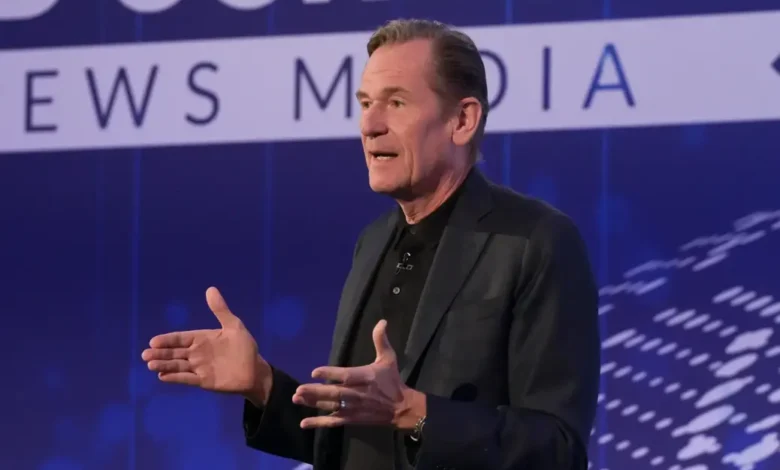
The approval marks a significant milestone following a protracted and often tumultuous bidding process, which saw several potential buyers vying for control of the influential British news brands. Mathias Döpfner, CEO of Axel Springer, expressed profound satisfaction with the UK government’s decision, emphasizing the company’s commitment to robust investment. "We are pleased to have received UK government approval to proceed with this acquisition," Döpfner stated. "After a long period of uncertainty, we can confirm that we will invest significantly in The Telegraph’s editorial excellence and international growth." Crucially, Axel Springer has also affirmed that The Telegraph will retain "its distinct editorial voice and British identity," a promise likely aimed at assuaging concerns about foreign ownership influencing a cornerstone of British journalism.
A Turbulent Path to Ownership: The Chronology of Uncertainty
The saga surrounding TMG’s ownership has been one of the most closely watched developments in the UK media sector in recent years, characterized by a series of bids, regulatory interventions, and a dramatic shift in preferred buyers. The journey began in 2023 when the Barclay family, long-time owners of The Telegraph, faced mounting debts to Lloyds Banking Group. This financial pressure triggered a process to sell TMG, culminating in an initial agreement with Redbird IMI, a joint venture between US-based private equity firm Redbird Capital Partners and Abu Dhabi’s International Media Investments (IMI).
Redbird IMI’s Initial Acquisition and the Foreign State Influence Hurdle: In a move that promised to resolve the debt crisis, Redbird IMI agreed to pay off £1.2 billion in debts owed by the Barclays to Lloyds. This arrangement effectively transferred ownership of TMG to the Redbird IMI consortium. However, this initial acquisition quickly ran into significant regulatory obstacles in the UK. The primary issue stemmed from the fact that Redbird IMI was majority funded by the United Arab Emirates through IMI, putting it in direct conflict with a newly enacted UK law. The National Security and Investment Act 2021, coupled with the specific Media Public Interest Intervention regime, prohibits foreign states from owning more than 15% of UK newspapers and certain other media assets deemed critical to national interest and public discourse.
Culture Secretary Lucy Frazer (Nandy’s predecessor) and later Lisa Nandy, initiated a public interest intervention, citing concerns over foreign state influence and journalistic independence. This led to a formal investigation by Ofcom and the Competition and Markets Authority (CMA). The government’s stance was unequivocal: the ownership of a major UK newspaper by a foreign state-backed entity raised serious questions about potential interference in editorial policy and the broader media landscape.
Redbird IMI’s Revised Bid and Subsequent Withdrawal: Facing the government’s firm opposition, Redbird IMI attempted to restructure its bid. In a revised proposal, they sought to acquire The Telegraph in a new £500 million deal, with IMI’s stake reduced to no more than the permitted 15%. Daily Mail and General Trust (DMGT), owners of the Daily Mail, also became involved as an investor in this revised consortium. Despite these efforts to comply with the 15% threshold, the regulatory approval process proved to be excruciatingly slow. The protracted nature of the review, coupled with growing negative publicity—ironically, some of which emanated from The Telegraph‘s own reporting on its potential foreign ownership—led Redbird IMI to withdraw its bid entirely in November. The consortium cited the "protracted and complex regulatory process" as a key factor in their decision, alongside the "damaging uncertainty" for TMG’s operations and staff.
DMGT’s Brief Stint as Preferred Bidder: Following Redbird IMI’s withdrawal, DMGT, which had been a long-standing suitor for The Telegraph, emerged as the next potential owner. However, this bid also immediately triggered regulatory scrutiny. Culture Secretary Lisa Nandy, concerned about potential competition issues and the concentration of media ownership, authorized an investigation into DMGT’s planned takeover on public interest and competition grounds. The prospect of one of the UK’s largest newspaper groups acquiring another raised alarms about market dominance and plurality of voices. This regulatory complexity and the potential for another lengthy investigation ultimately cleared the path for Axel Springer.
Axel Springer Enters the Fray: Axel Springer, a global media powerhouse with a significant international footprint, had been an interested party throughout the process. Their offer of £575 million surpassed other contenders and, critically, presented a structure that appeared to navigate the UK’s ownership regulations more smoothly. Unlike the Redbird IMI bid, Axel Springer is a private company headquartered in Germany, alleviating the concerns about foreign state influence that had plagued the previous attempt.
Regulatory Review and Final UK Approval: The current regulatory process involved a comprehensive assessment by the UK government. Culture Secretary Lisa Nandy confirmed that she had carefully considered the proposed takeover and found no grounds to intervene on either public interest or foreign state influence. This assessment notably contrasted with her previous authorization of an investigation into DMGT’s bid, highlighting the different regulatory implications of Axel Springer’s proposal. Nandy also confirmed giving the required written consent for Redbird IMI to transfer ownership to Axel Springer, a crucial administrative step. Her statement, "I am pleased to be able to take these positive steps, which give greater certainty to the Telegraph and its staff," underscored the relief within government that a resolution was finally in sight.
Axel Springer: A Global Media Powerhouse
Axel Springer SE is one of Europe’s leading digital publishing houses, headquartered in Berlin, Germany. Founded in 1946 by Axel Springer, the company has transformed significantly from a traditional print publisher into a digitally-focused media and technology group. Its strategic vision revolves around strengthening independent journalism globally and leveraging digital platforms for growth.
The company’s extensive portfolio includes some of Europe’s most influential media brands, such as the German tabloids Bild and broadsheet Die Welt, as well as a growing array of international digital publications. Key among its international holdings are Politico, a highly respected political journalism organization known for its in-depth coverage of US and European politics, and Business Insider, a global business news website. Both Politico and Business Insider have established journalistic operations in the UK, providing Axel Springer with an existing footprint and understanding of the British media market.
Axel Springer’s strategy has increasingly focused on expanding its digital reach, investing in subscription models, and leveraging data and technology to enhance content delivery and monetization. The acquisition of TMG aligns perfectly with this ambition, offering a strong, established brand with a loyal readership base that can be further grown and digitized. The company’s financial strength and expertise in digital transformation are expected to provide TMG with the resources needed to navigate the challenges of the modern media landscape.
The Telegraph Media Group: A British Institution
Telegraph Media Group encompasses The Daily Telegraph, The Sunday Telegraph, and the influential current affairs magazine The Spectator. For over 160 years, The Telegraph has been a cornerstone of British journalism, renowned for its conservative editorial stance and its significant influence on political and economic discourse in the UK. It boasts a substantial readership, both in print and, increasingly, through its digital subscription offerings.
The period of ownership limbo, which spanned nearly three years, created considerable "damaging uncertainty" for TMG’s newsroom and its broader operations, as reported by The Telegraph itself. Despite this instability, the company’s latest accounts for 2024 indicated that revenue and profit remained steady, a testament to the resilience of its brand and its efforts in digital engagement. The Telegraph has been actively pursuing a digital subscription strategy, aiming to convert its online readership into paying subscribers, a model that aligns well with Axel Springer’s own digital-first approach.
Implications for the UK Media Landscape
The approval of Axel Springer’s takeover carries several significant implications for the UK media landscape:
-
Journalistic Independence and Editorial Voice: Axel Springer’s pledge to maintain The Telegraph‘s "distinct editorial voice and British identity" will be closely watched. The company has a history of allowing its acquired brands, such as Politico, to retain significant editorial autonomy, often operating under their own mastheads and editorial leadership. This approach is generally seen as a positive sign, suggesting a commitment to preserving the journalistic integrity and unique character of The Telegraph. However, concerns about foreign ownership, even from a democratic ally like Germany, often persist within media circles regarding ultimate editorial control and strategic direction. The Telegraph has a strong tradition of independent, if ideologically aligned, journalism, and its staff will be keen to ensure this continues.
-
Competition and Media Plurality: The UK government’s decision to approve Axel Springer’s bid, while having scrutinized DMGT’s, underscores the different competitive impacts perceived by regulators. An Axel Springer acquisition introduces a new major player into the UK national newspaper market without consolidating existing domestic ownership. This is likely viewed as beneficial for media plurality, preventing a single domestic entity from gaining excessive market share. Axel Springer’s existing UK operations (Politico, Business Insider) are primarily digital and specialized, complementing rather than directly competing head-on with The Telegraph‘s broader national news remit.
-
Digital Transformation and Investment: Axel Springer’s reputation as a digitally innovative media company offers a substantial opportunity for TMG. The German firm has invested heavily in digital platforms, data analytics, and subscription technologies. Its expertise could significantly accelerate The Telegraph‘s digital growth, expand its international reach, and enhance its subscription offerings. The promise of "significant investment in editorial excellence and international growth" suggests potential for more journalists, expanded bureaux, and development of new content formats and platforms, which would be a welcome boost for British journalism.
-
Precedent for Foreign Investment: This case sets a crucial precedent regarding foreign investment in UK media. The rigorous scrutiny applied to Redbird IMI’s bid, followed by the relatively smoother approval of Axel Springer’s, clarifies the UK government’s red lines, particularly concerning foreign state influence. It signals that while the UK is open to international investment in its media sector, it remains vigilant against ownership structures that could compromise national security or journalistic independence through state control.
Looking Ahead: The Road to Completion and Beyond
With UK government approval secured, the focus now shifts to the remaining regulatory clearances in Ireland and Austria. These are generally considered less contentious, primarily addressing competition concerns within their respective markets rather than broader public interest or foreign state influence issues. The expectation is that these approvals will be granted, allowing the deal to close by the end of June.
Once the acquisition is finalized, the immediate tasks for Axel Springer will involve integrating TMG into its broader portfolio while respecting its distinct identity. This will entail strategic planning for leveraging synergies, technological integration, and cultural alignment. The emphasis on "editorial excellence" and "international growth" suggests a dual strategy: strengthening The Telegraph‘s core journalism and expanding its global footprint, potentially through enhanced digital offerings and strategic partnerships.
For The Telegraph‘s staff, the end of the "ownership limbo" will bring much-needed stability and clarity. The prospect of significant investment, particularly in editorial capabilities, is likely to be met with optimism, offering opportunities for innovation and expansion in a challenging media environment.
In conclusion, Axel Springer’s successful navigation of the complex UK regulatory landscape marks a new chapter for Telegraph Media Group. It signifies the end of a period of profound uncertainty and the beginning of a potentially transformative era under the stewardship of a global digital media leader, poised to invest in and expand a venerable British journalistic institution. The deal reinforces the dynamic nature of the global media industry and the enduring value of quality journalism in an increasingly digital world.