
In an increasingly digitized world, the personal blog continues to hold significant sway as a platform for self-expression, community building, and even substantial income generation. Far from being a relic of the early internet, personal blogs have evolved into sophisticated digital assets, offering individuals unparalleled control over their narratives and personal brands in an era dominated by fleeting social media content. This comprehensive guide outlines the strategic steps required to launch a personal blog, cultivate a loyal audience, and explore diverse monetization opportunities, transforming a personal passion into a sustainable online enterprise.

The Evolution and Enduring Relevance of Personal Blogging
The concept of online journaling emerged in the mid-1990s, with early "weblogs" serving as personal diaries or curated links. Platforms like Blogger (launched 1999) and LiveJournal (launched 1999) democratized publishing, allowing anyone with an internet connection to share their thoughts. The advent of WordPress in 2003 further revolutionized the landscape, offering robust customization and content management capabilities that paved the way for more professional and feature-rich blogs.

Initially, personal blogs were largely informal, focusing on individual experiences and interests without significant commercial intent. However, as the internet matured and search engines became more sophisticated, bloggers began to recognize the potential for reaching wider audiences and, subsequently, for monetization. This shift marked the transition from simple online diaries to strategic content hubs. Today, a personal blog is defined as a website where individuals publish their unique thoughts, experiences, and interests, typically in an informal, first-person style, fostering a direct and relatable connection with readers. Unlike business blogs that primarily serve commercial objectives, personal blogs often originate from a blogger’s genuine passions, yet they can be equally effective in generating revenue and establishing credibility.
The enduring relevance of personal blogging lies in its capacity to offer a deeper, more nuanced form of engagement than fast-paced social media platforms. While social media excels at instantaneous updates and broad reach, blogs provide a dedicated space for in-depth articles, evergreen content, and a stable repository of an individual’s intellectual property, unburdened by algorithmic whims or platform policy changes. This digital sovereignty is a crucial advantage, as evidenced by the discontinuation of features like Facebook Notes in 2020, which left many content creators scrambling for alternative homes for their work.

Strategic Advantages of Cultivating a Personal Blog
Beyond mere self-expression, a personal blog offers a multitude of strategic benefits in both personal and professional spheres.

- Enhanced Credibility and Professional Standing: A well-maintained personal blog acts as a dynamic portfolio, showcasing expertise, insights, and writing prowess. In an era where 70% of employers screen candidates’ social media profiles, a high-quality blog can significantly differentiate an applicant, presenting them as a knowledgeable and reliable source within their industry. It builds an authentic online reputation, positioning the blogger as a thought leader.
- Unrivaled Control Over Personal Brand: Owning a personal blog on a custom domain grants complete autonomy over content, design, and monetization strategies. Unlike third-party social media platforms, which dictate terms, conditions, and content visibility, a personal blog ensures that content creators maintain full ownership and control, safeguarding their digital assets against external changes or censorship.
- Deep Self-Expression and Personal Growth: The act of regularly articulating thoughts and experiences can be a powerful tool for self-reflection and personal development. Blogging provides an online creative outlet, helping individuals process emotions, clarify perspectives, and build confidence through sharing their unique voice with a global audience.
- Fostering Meaningful Connections and Community: Blogs facilitate genuine interaction, allowing like-minded individuals to connect through comments, forums, and social features. This cultivates a loyal community around shared interests, transforming passive readers into active participants and advocates.
- Diverse Skill Development: The journey of building and maintaining a personal blog is a practical masterclass in various digital skills. It hones writing and editing abilities, introduces basic web design and development (HTML, CSS), demands an understanding of search engine optimization (SEO), and often involves photography, graphic design, and digital marketing strategies. These transferable skills are invaluable in today’s job market.
A Six-Step Blueprint for Launching Your Personal Blog
The process of establishing a personal blog is systematic, combining technical setup with strategic content planning.
Step 1: Defining Your Personal Blogging Niche
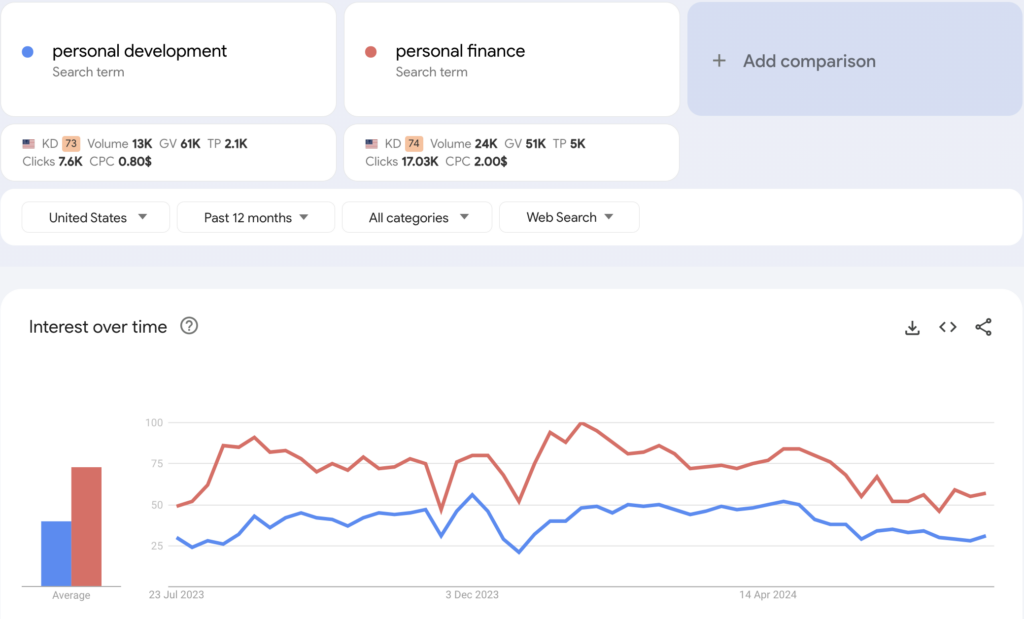
The cornerstone of a successful personal blog is a carefully selected niche. This involves aligning personal passions and expertise with identifiable market demand and profitability. Begin by brainstorming topics that genuinely excite you and about which you can consistently generate content. Longevity in blogging hinges on genuine interest; a niche chosen purely for profit often leads to burnout.

Utilize tools like Google Trends, Semrush, or Ahrefs to gauge the popularity of potential topics, identify trending keywords, and analyze competitor landscapes. Look for niches with a significant audience and demonstrable earning potential, but also where you can carve out a unique angle. Your personal story, perspective, or specialized expertise can differentiate your blog in a crowded market. Finally, narrow your focus to an "umbrella" category that allows for diverse content within a coherent theme, simplifying content creation and establishing authority. Popular niches include personal finance, travel, health & wellness, lifestyle, technology, and niche hobbies.
Step 2: Securing Your Digital Real Estate: Hosting and Domain Name

Every blog requires a web host to store its files and a domain name to serve as its unique address on the internet (e.g., www.yourblog.com). Choosing a reliable hosting provider is paramount, ensuring solid uptime, fast loading speeds, robust security, and excellent customer support. Bluehost is frequently recommended for its affordability, reliability, and user-friendly interface, often including a free domain name registration for the first year.
When selecting a domain name, consider its memorability, relevance to your niche, and brandability. While using your personal name (e.g., www.johnnylemar.com) offers a strong personal brand, a more brandable name provides greater flexibility for future growth or potential sale. Top-level domains (TLDs) like .com are generally preferred for their universal recognition and credibility.
Step 3: Building Your Digital Canvas: Blog Setup and Design
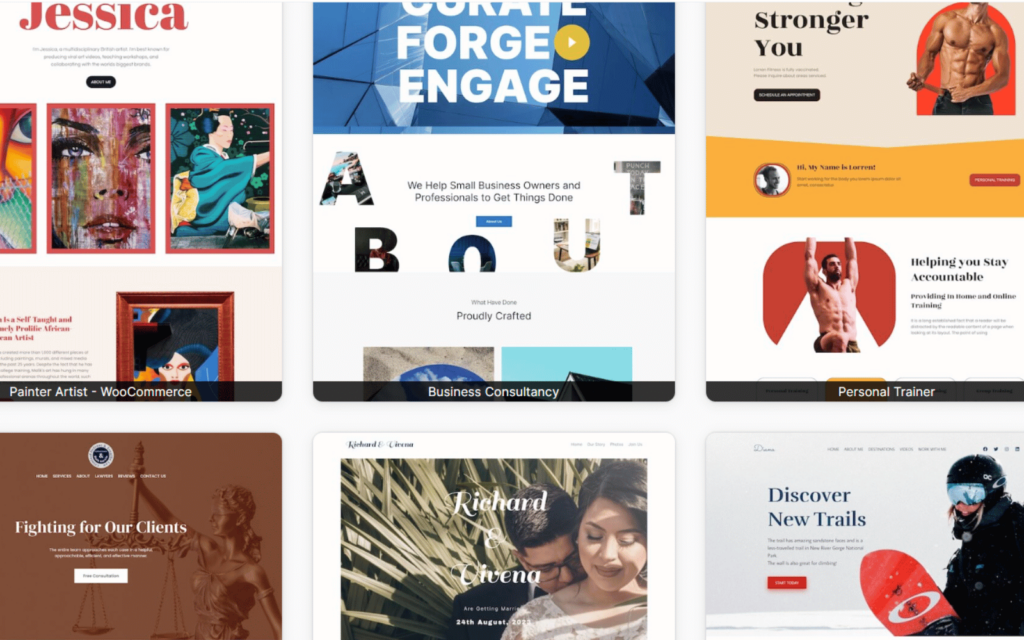
For flexibility, scalability, and robust SEO capabilities, WordPress is the dominant choice for blogging platforms, powering over 43% of all websites. Its open-source nature provides extensive customization options through themes and plugins.
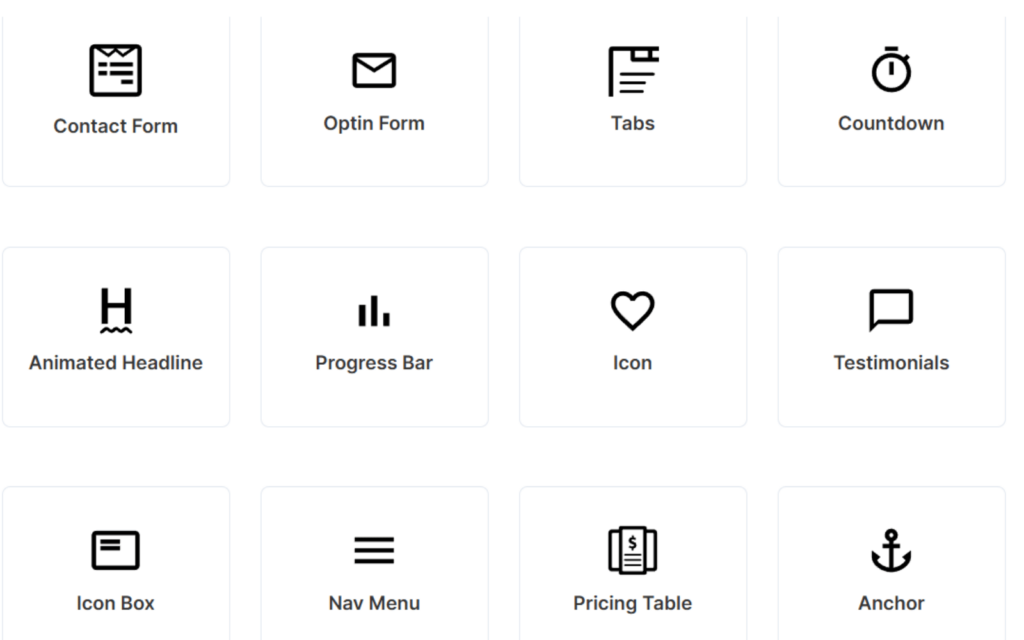
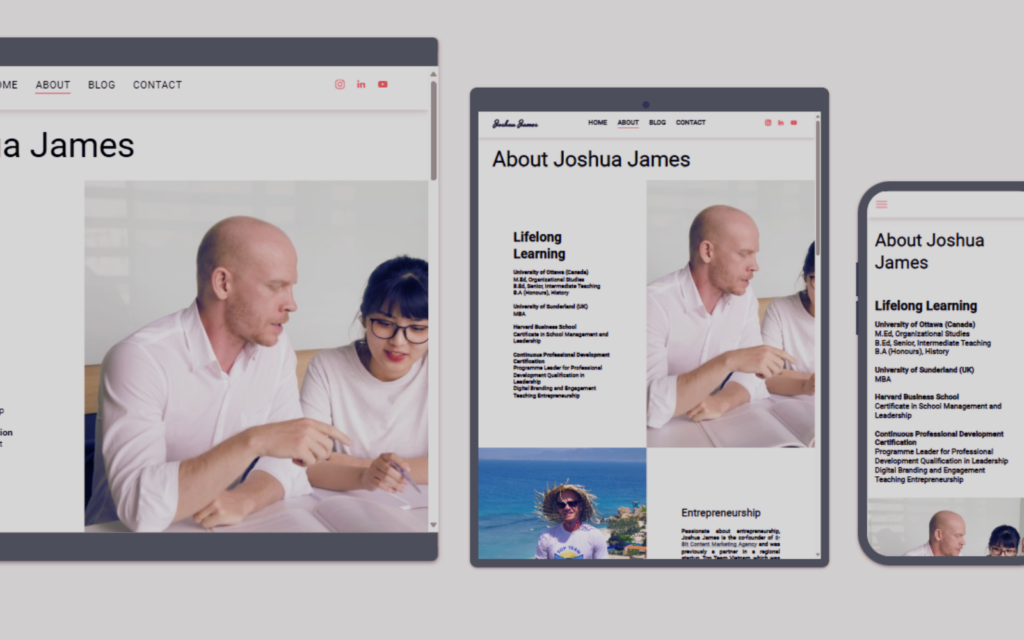
For design, drag-and-drop website builders like SeedProd simplify the process, allowing even beginners to create professional-looking layouts without coding. After installing WordPress, SeedProd can be added as a plugin. Users can then select from hundreds of professionally designed templates, customizing elements like headers, footers, content blocks, colors, and fonts through an intuitive visual editor. This ensures a responsive design that adapts seamlessly to desktops, tablets, and smartphones, crucial for the majority of internet traffic now originating from mobile devices (around 58% globally as of 2023).
Step 4: Integrating Essential Features and Pages
A successful blog is more than just a collection of posts; it’s a well-structured digital experience. Several essential features and pages are critical for user experience, search engine visibility, and legal compliance.
- Intuitive Navigation and Site Structure: A clear, logical menu and site structure (e.g., Home, About, Contact, Categories) enable visitors and search engine crawlers to navigate content easily. Categorize and tag posts effectively to improve content discoverability.
- Responsive Design: As previously noted, mobile-friendliness is non-negotiable. Google prioritizes mobile-first indexing, making a responsive design crucial for SEO and user satisfaction.
- About Us Page: This page introduces the blogger, their background, interests, and the blog’s mission. It’s vital for building trust and establishing a personal connection with the audience.
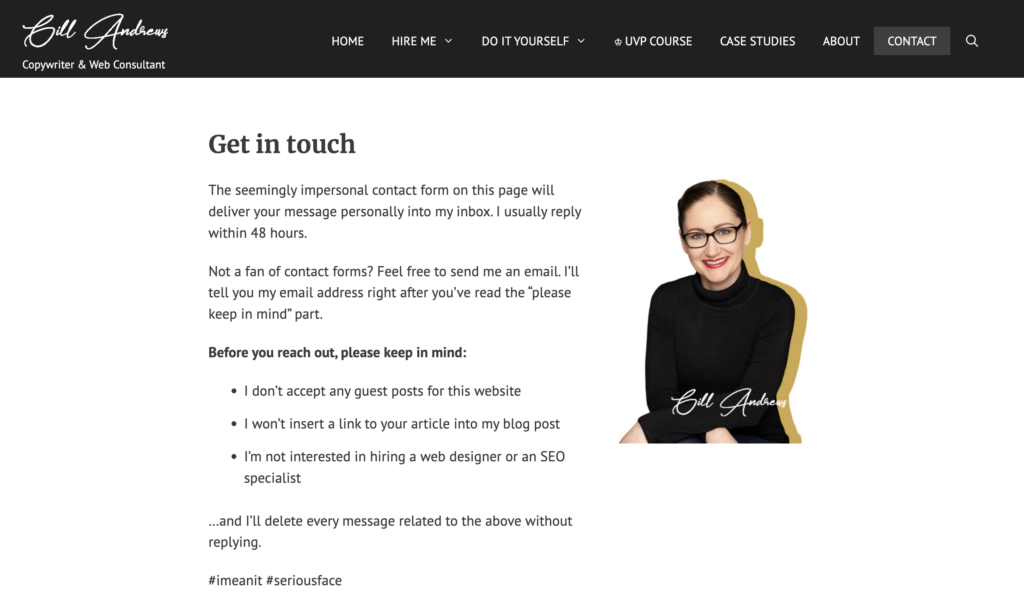
- Contact Us Page: Providing an accessible contact form or email address fosters communication, encourages feedback, and opens doors for networking and collaboration.
- Social Media Integration: Links to relevant social media profiles encourage cross-platform engagement, expanding reach and building a broader online community.
- Comment Sections: Enabling comments fosters interaction and community, allowing readers to engage with content and each other (though moderation is essential to maintain quality).
- SEO Best Practices: Beyond keywords, this involves meta tags, alt text for images, schema markup, and a robust internal linking strategy. A comprehensive understanding of SEO for bloggers is crucial for organic traffic generation.
- Archives and Search Functionality: An organized archive (by date, category, or tags) helps readers discover older content, while a search bar offers instant access to specific topics.
- Engaging Visual Content: High-quality images, infographics, videos, and custom illustrations break up text, enhance engagement, and illustrate points more effectively. Visuals can significantly impact dwell time and shareability.
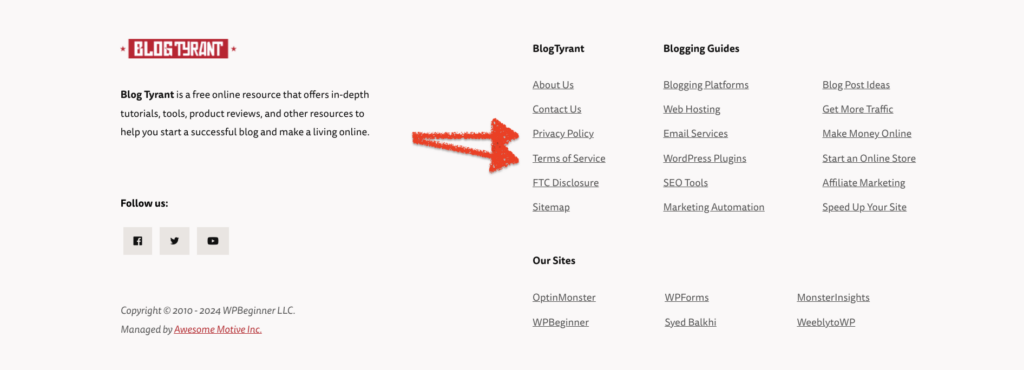
- Legal Pages: Essential for transparency and compliance, especially if collecting user data or engaging in monetization. These include a Privacy Policy, Terms of Service, and a Disclosure Policy (for affiliate marketing).
Step 5: Preview and Launch
Before making your blog live, thoroughly preview your site to ensure all elements function correctly and the design is aesthetically pleasing across various devices. SeedProd’s real-time preview feature is invaluable here. Once satisfied, enable your SeedProd theme and publish your site.
Step 6: Ongoing Maintenance and Optimization
The launch is just the beginning. Regular updates, security checks, plugin updates, and content optimization are vital for sustained performance. Monitoring analytics (e.g., Google Analytics) helps understand audience behavior and informs future content and design adjustments.
Crafting Compelling Content: Strategies for Engagement

High-quality, engaging content is the lifeblood of any successful blog.
- Audience-Centric Approach: Understand your target audience’s demographics, interests, challenges, and preferences. Tailor content to their needs and pain points, using reader personas to guide your writing style and topics.
- Captivating Headlines: Craft strong, descriptive, and intriguing headlines that accurately convey content and entice clicks. Incorporate keywords for SEO and consider using lists or questions (e.g., "5 Tips for…", "How to…").
- Clear and Readable Formatting: Employ short paragraphs (1-2 sentences, especially for mobile readers), clear headings and subheadings (H2, H3) for scannability, and bullet points or numbered lists to present information concisely.
- Engaging Introductions: Hook readers immediately with a question, a relatable anecdote, or a clear statement of the value they will gain from reading the post.
- Authentic Voice: Let your unique personality shine through. Write in a conversational, approachable tone, as if speaking to a friend. Authenticity builds deeper connections.
- Conciseness and Clarity: Avoid jargon. Use simple, direct language. Ruthlessly edit to remove unnecessary words or sentences, prioritizing clarity and brevity. Readability tools like Grammarly and Hemingway Editor can assist.
- Visual Storytelling: Integrate high-quality images, custom graphics, infographics, and videos to break up text, illustrate concepts, and enhance engagement. Visuals are processed significantly faster than text and improve recall.
- Relatable Narratives: Share personal experiences and anecdotes to illustrate points. Structure posts with a narrative arc (beginning, middle, end) to keep readers invested.
- Strong Conclusions and Calls to Action (CTAs): Summarize key takeaways and provide clear CTAs, encouraging comments, shares, email sign-ups, or exploration of related content.
- Consistent Publishing Schedule: Develop an editorial calendar and commit to a regular posting frequency (e.g., 2-4 times per month). Consistency keeps the audience engaged and signals to search engines that the blog is active.
Monetization Pathways: Turning Passion into Profit

Personal blogs can generate both direct and indirect income, depending on the niche, audience engagement, and strategic implementation of monetization methods.
Direct Monetization Strategies:
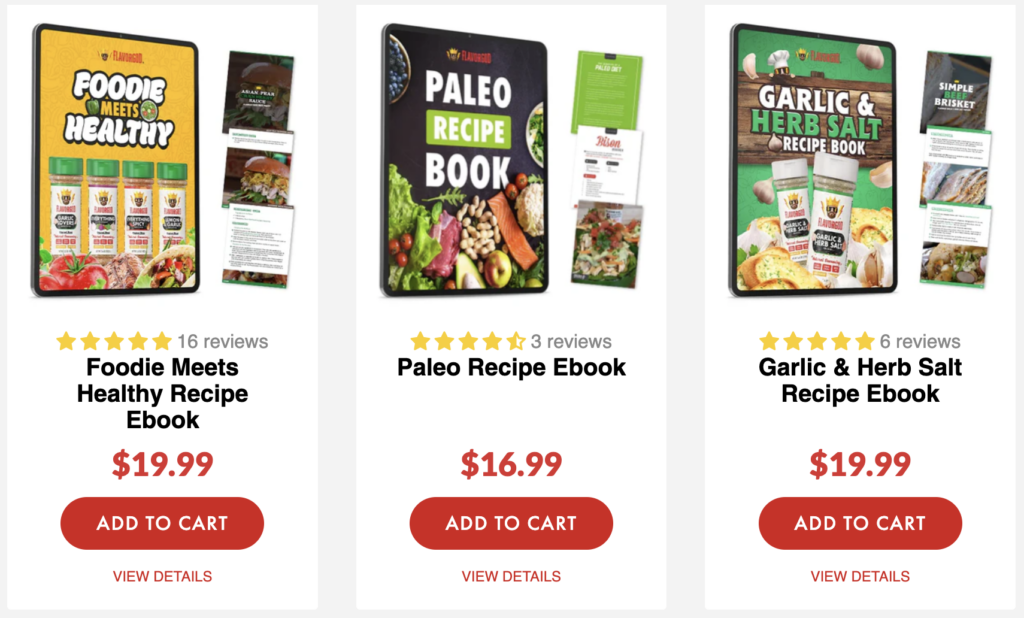
- Product Sales: Sell your own physical or digital products. Examples include e-books, online courses, templates, merchandise, or even handcrafted goods. Platforms like Gumroad or Teachable facilitate digital product sales. This is highly profitable when products align perfectly with the blog’s content and audience interests.
- Advertising: Display ads on your blog through networks like Google AdSense. Earnings are typically based on views (impressions) and clicks. As traffic grows, premium ad networks such as Mediavine or AdThrive can offer significantly higher revenue through better ad optimization and higher CPM (cost per mille) rates.
- Affiliate Marketing: Promote third-party products or services relevant to your niche through unique affiliate links. When readers make a purchase via these links, you earn a commission. Major affiliate programs include Amazon Associates, ShareASale, and CJ Affiliate. Transparency about affiliate links is crucial for maintaining reader trust and complying with regulations.
- Sponsored Content: Collaborate with brands to create sponsored posts, reviews, or dedicated content. This typically involves a direct payment from the brand for exposure to your audience.
- Consulting/Coaching Services: Leverage your blog to establish expertise and attract clients for one-on-one consulting, coaching, or freelance services related to your niche.
Indirect Income Opportunities:
- Boosting Brand Recognition: For entrepreneurs or small business owners, a personal blog can serve as a powerful content marketing tool, driving brand awareness, establishing authority, and building trust among potential customers.
- Driving Organic Traffic and Lead Generation: By optimizing blog posts for relevant keywords, businesses can attract organic search engine traffic to their websites, converting readers into leads and customers.
- Speaking Engagements and Book Deals: A prominent personal blog can lead to invitations for speaking engagements, workshops, or even book publishing deals, further solidifying the blogger’s status as an industry expert.
Strategic Promotion: Amplifying Your Voice
Even the best content needs effective promotion to reach its intended audience.
- Social Media Leverage: Identify the most relevant social media platforms for your niche (e.g., Instagram for visuals, LinkedIn for professional topics, X for quick updates) and build a strong presence. Share blog post excerpts, behind-the-scenes content, and engage in discussions to drive traffic back to your blog.
- Search Engine Optimization (SEO): Continuous SEO efforts are vital. This includes ongoing keyword research, optimizing on-page elements (titles, meta descriptions, headings), building high-quality backlinks, ensuring fast site speed, and maintaining a healthy technical SEO profile.
- Niche Community Engagement: Actively participate in online forums, Facebook groups, Reddit communities, and other platforms relevant to your niche. Provide valuable insights, answer questions, and strategically share your blog content when appropriate, establishing yourself as a credible voice.
- Email Marketing: Building an email list is one of the most powerful assets for a blogger. Offer a compelling lead magnet (e.g., free e-book, checklist, exclusive content) to entice sign-ups. Use email newsletters to notify subscribers of new content, promote products, and foster deeper engagement, ensuring direct communication unmediated by external algorithms.
Lessons from Leading Personal Blogs
Examining successful personal blogs reveals common threads that contribute to their impact:
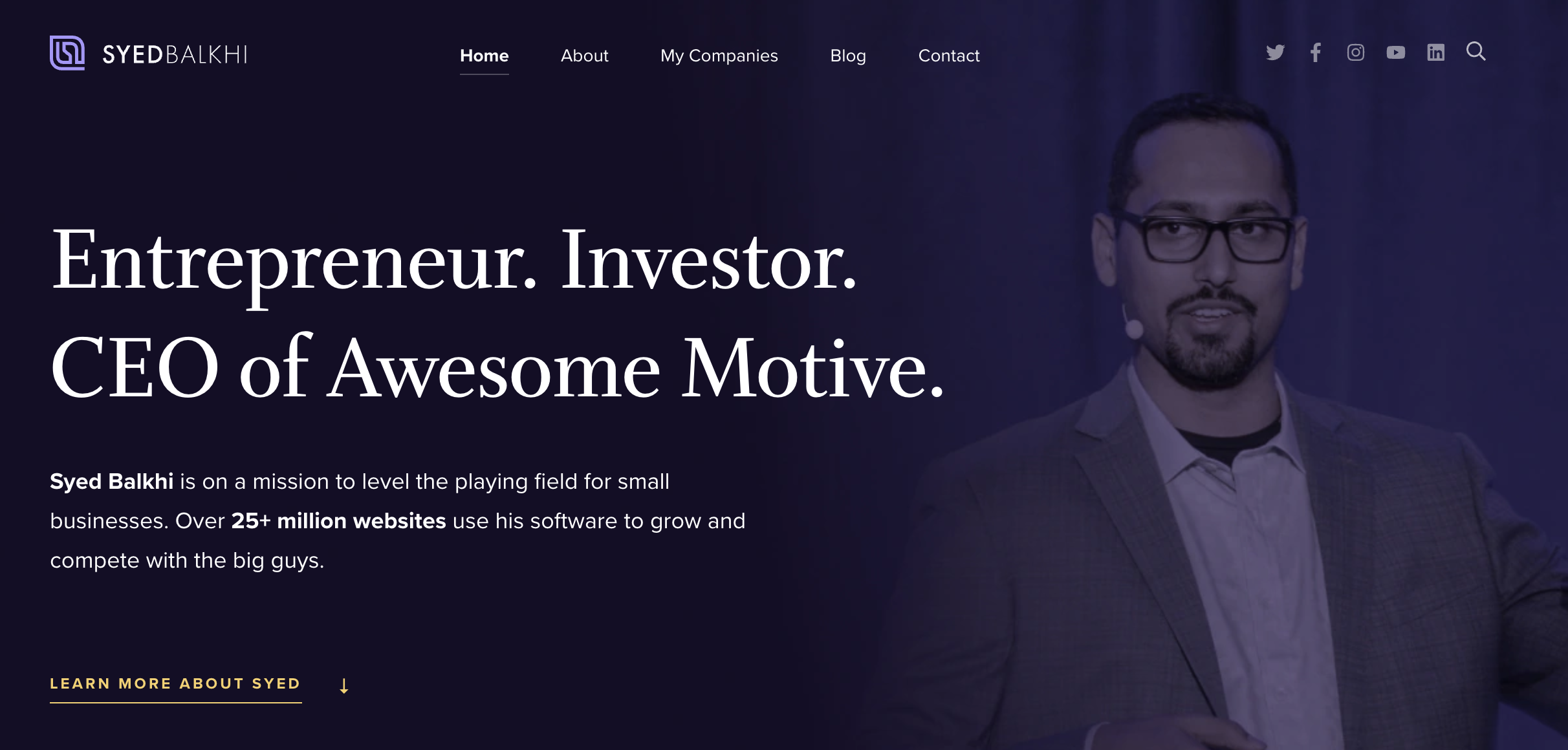
- Syed Balkhi (syedbalkhi.com): A serial entrepreneur in the WordPress ecosystem, Balkhi’s blog focuses on entrepreneurship, online marketing, and personal growth. His success stems from sharing clear, actionable advice based on extensive experience, simplifying complex topics for a broad audience, and building a vast network of related businesses.
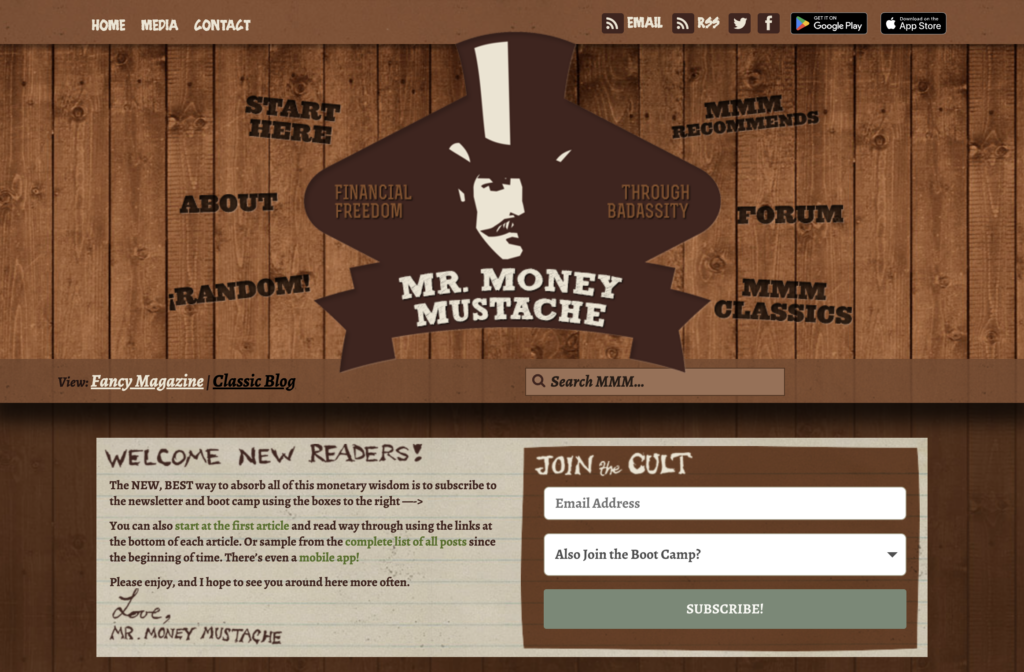
- Mr. Money Mustache (mrmoneymustache.com): Founded by Pete Adeney, a retired software engineer, this blog champions financial independence and frugal living. Its unique value lies in a no-nonsense, often provocative tone, backed by real-life examples and a strong community advocating for early retirement.
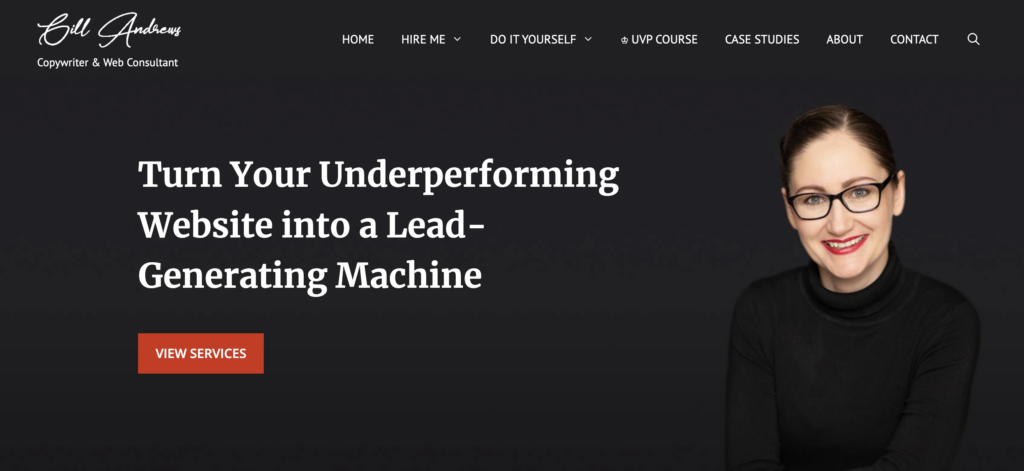
- Gill Andrews (gillandrews.com): An expert in copywriting and website content, Andrews’ blog offers practical advice on crafting engaging stories and improving content quality. Her approachable style breaks down complex concepts, making them accessible for both beginners and experienced writers.
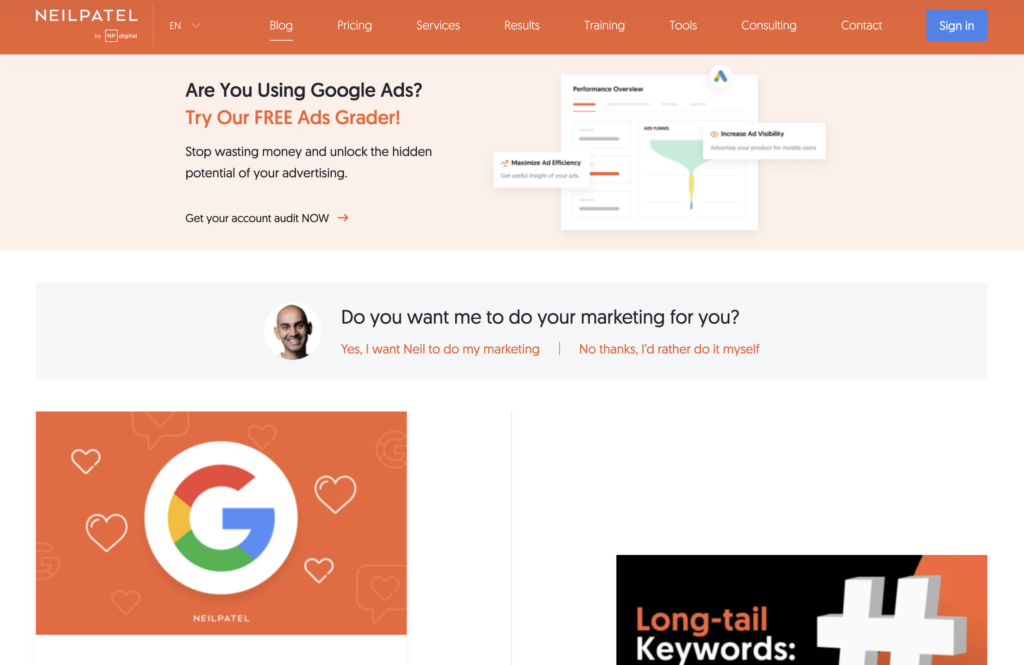
- Neil Patel (neilpatel.com/blog): A renowned digital marketing expert, Patel’s blog is a powerhouse of actionable SEO and content strategy advice. Its success is built on deep expertise, detailed how-to guides, and a wealth of free resources and tools that empower readers to implement effective marketing strategies.
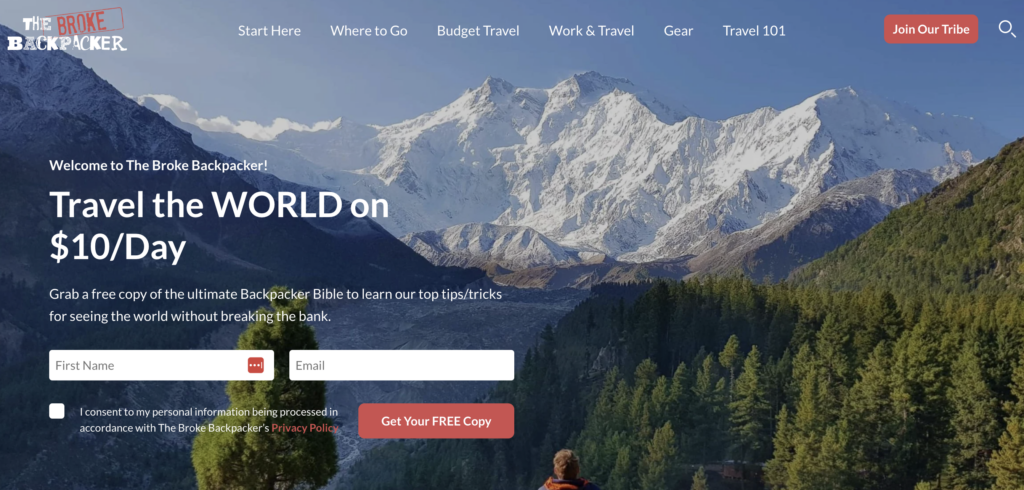
- The Broke Backpacker (thebrokebackpacker.com): Started by adventurer Will Hatton, this travel blog focuses on budget travel and off-the-beaten-path destinations. Its unique charm comes from personal, relatable stories and a fearless, can-do attitude that inspires readers to embark on their own adventures.
Common to these examples are passion-driven content, a clear niche focus, high-quality information, consistent delivery, and a distinctive voice that resonates with their target audience.
The Future Landscape of Personal Blogging in the AI Age
Despite the proliferation of short-form content and the rise of artificial intelligence, the future of personal blogging remains robust. Personal blogs continue to provide invaluable spaces for deep discussion, thought leadership, and the sharing of unique human experiences that cannot be replicated by automated systems.
AI and emerging technologies are not replacing human bloggers but rather enhancing their capabilities. AI tools can streamline workflows by assisting with content ideation, drafting outlines, optimizing for SEO, and even translating content for global audiences. Voice search optimization is becoming increasingly important, requiring bloggers to consider conversational language in their content. Furthermore, AI-driven personalization can help tailor content delivery to individual audience preferences, improving engagement. However, the critical element of a personal blog—the authentic human voice, unique perspective, and emotional connection—remains irreplaceable. Ethical considerations regarding AI-generated content, including disclosure and avoiding plagiarism, will become increasingly important.
Conclusion
Creating a personal blog is a journey that combines technical skill with creative expression and strategic planning. By meticulously choosing a niche, establishing a robust digital foundation, consistently producing high-quality content, and employing diverse promotional and monetization strategies, individuals can transform their passions into successful online ventures. The enduring value of personal narratives and authentic connections ensures that the personal blog will continue to be a powerful and rewarding platform in the evolving digital landscape. Your successful personal blog is not merely a website; it is a dynamic platform awaiting your unique voice and vision.