Shanghais Zero COVID Nightmare: A City Under Lockdown
Shanghais zero covid nightmare – Shanghai’s Zero COVID nightmare began with the noble aim of eradicating the virus, but quickly spiraled into a harsh reality for its residents. The city, once a bustling hub of commerce and culture, was plunged into a series of strict lockdowns, isolating millions within their homes and disrupting daily life in ways few could have imagined.
The implementation of the zero-COVID policy involved a complex web of measures, from mandatory mass testing and contact tracing to stringent travel restrictions and the closure of businesses. While these measures initially seemed to contain the virus, they soon came at a heavy cost, both in terms of human suffering and economic impact.
The Origins and Implementation of Shanghai’s Zero-COVID Policy
Shanghai’s zero-COVID policy was a drastic measure implemented to combat the COVID-19 pandemic, aiming to completely eliminate the virus within its borders. This policy was driven by a combination of factors, including China’s political system, its public health infrastructure, and the perceived threat of the virus.
The Rationale Behind the Policy
The rationale behind Shanghai’s zero-COVID policy was based on the belief that the virus could be effectively contained and eliminated through strict measures. This approach was rooted in China’s historical experience with infectious diseases, particularly the SARS outbreak in 2003, which highlighted the importance of early intervention and stringent control measures.
The Chinese government believed that a zero-tolerance approach was the most effective way to protect its population and prevent the virus from spreading further.
Measures Implemented to Achieve Zero-COVID
Shanghai’s zero-COVID policy involved a multifaceted approach that included:
Mass Testing
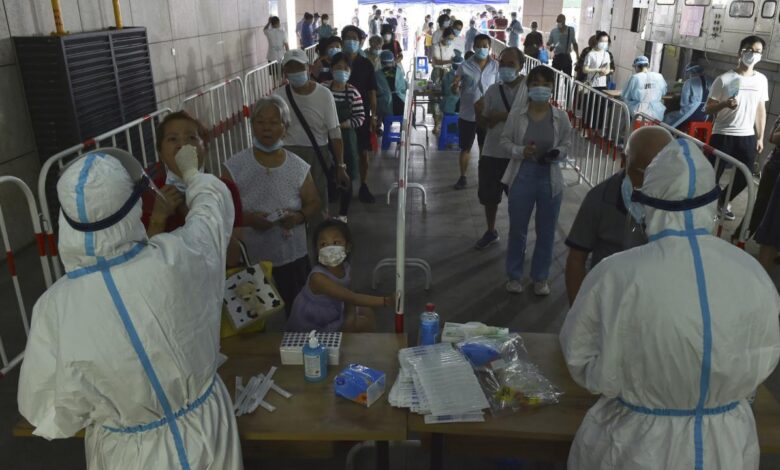
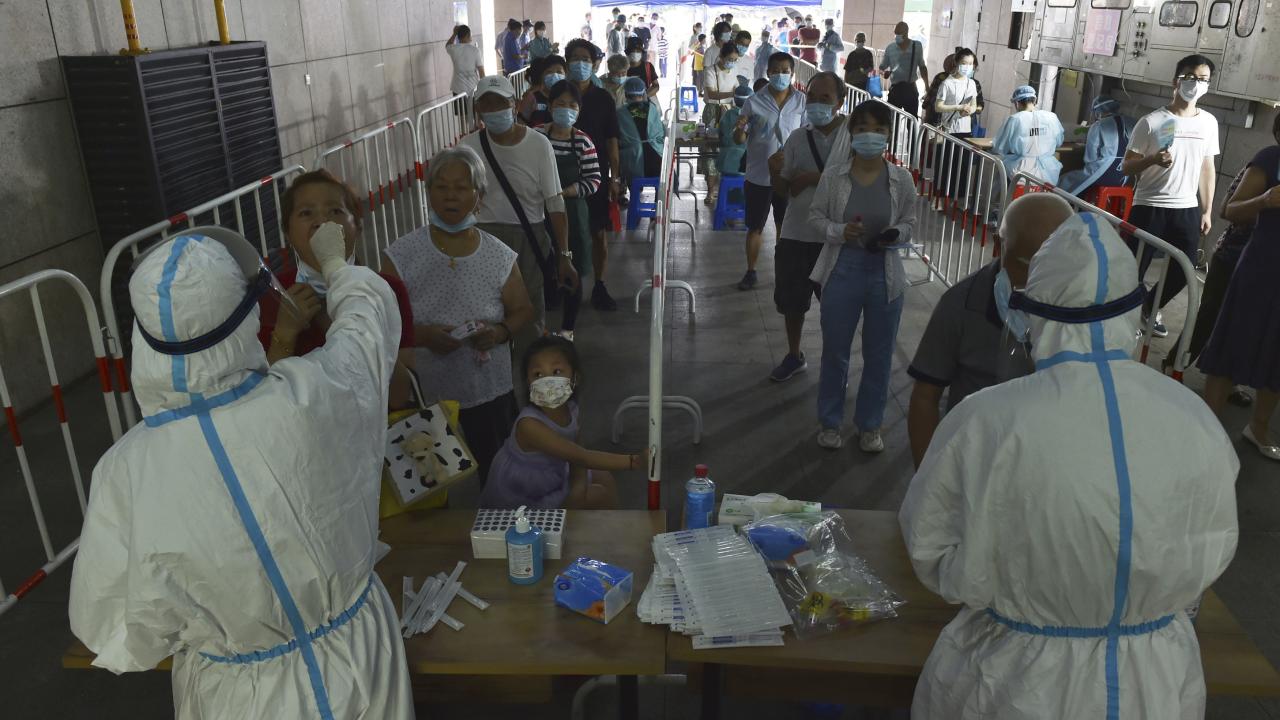
Mass testing was a cornerstone of the policy, with regular PCR tests conducted on a large scale to identify infected individuals and their close contacts. This strategy aimed to quickly detect and isolate cases, preventing further transmission.
Lockdowns
Lockdowns were imposed in various forms, ranging from targeted neighborhood quarantines to city-wide shutdowns, to restrict movement and limit the spread of the virus. These lockdowns were often implemented abruptly and could last for weeks or even months, significantly impacting daily life and economic activity.
Contact Tracing
Contact tracing was crucial in identifying and isolating individuals who had come into contact with infected persons. This involved meticulous investigations to track down anyone who may have been exposed to the virus, followed by quarantine measures to prevent further spread.
Initial Successes and Challenges
In the early stages of the pandemic, Shanghai’s zero-COVID policy appeared to be effective in controlling the spread of the virus. The city experienced a significant decline in cases, and the number of deaths remained relatively low. This initial success reinforced the government’s belief in the policy’s efficacy and led to its continued implementation.However, the policy also faced challenges, including:
Economic Disruptions
The strict lockdowns and restrictions imposed by the zero-COVID policy had a significant impact on Shanghai’s economy. Businesses were forced to close, supply chains were disrupted, and unemployment rates rose. This economic downturn created social and political pressure on the government to ease restrictions.
Shanghai’s zero-COVID nightmare has brought the city to its knees, with schools forced to shut down and students confined to their homes. This has highlighted the crucial role of technology in education, as online learning platforms have become a lifeline for students.
While this technology offers flexibility and accessibility, as explored in this article how modern technology affects education pros and cons , it also raises concerns about screen time, social interaction, and digital equity. Ultimately, Shanghai’s struggles highlight the need for a balanced approach to technology in education, one that harnesses its benefits while mitigating its potential drawbacks.
Public Resistance
As the lockdowns and restrictions became increasingly stringent and prolonged, public resistance to the zero-COVID policy grew. Citizens expressed frustration with the disruption to their daily lives, the lack of transparency from the government, and the perceived infringement on their personal freedoms.
Emergence of New Variants
The emergence of new, more transmissible variants of the virus, such as Omicron, posed a significant challenge to the zero-COVID policy. These variants were more difficult to contain, even with strict measures in place.
The Impact of the Policy on Shanghai’s Residents: Shanghais Zero Covid Nightmare
The zero-COVID policy, implemented in Shanghai, had a profound impact on the lives of its residents, disrupting daily routines, limiting access to essential goods, and causing significant mental health challenges. This section delves into the daily realities of Shanghai residents under the strict lockdown measures, exploring the hardships faced and the consequences for individuals, families, and the city’s economy.
Shanghai’s zero-COVID nightmare was a stark reminder of the fragility of our systems, and how quickly things can spiral out of control. It made me think about how we could better prepare for unexpected events, and that’s when I stumbled upon an article about how gravity signals could detect earthquakes at the speed of light.
If we can harness this technology, perhaps we can create a more resilient future, where we’re better equipped to handle both natural disasters and unexpected public health crises like Shanghai’s lockdown.
Restrictions on Movement and Access to Essential Goods
The strict lockdown measures implemented in Shanghai significantly restricted the movement of residents. For weeks, residents were confined to their homes, with limited access to essential goods and services. The city was divided into different zones, with varying degrees of restrictions imposed on movement.
- Quarantine and Isolation:Residents in areas classified as “high-risk” were subjected to mandatory quarantine, often in designated facilities. This meant being separated from families and loved ones for extended periods, leading to feelings of isolation and anxiety.
- Limited Access to Food and Supplies:The lockdown significantly disrupted supply chains, leading to shortages of essential goods, including food, medicine, and hygiene products. Residents faced difficulties accessing these necessities, relying on government-provided supplies or relying on the kindness of neighbors for support.
- Challenges in Obtaining Medical Care:The lockdown posed significant challenges for residents seeking medical care. Hospitals and clinics were overwhelmed with COVID-19 cases, making it difficult for individuals with other medical needs to access timely and appropriate treatment.
Mental Health Impacts
The prolonged lockdown and its associated restrictions had a profound impact on the mental health of Shanghai residents. The constant fear of infection, the uncertainty surrounding the future, and the isolation from loved ones contributed to a sense of anxiety, stress, and depression.
- Increased Anxiety and Stress:The fear of contracting COVID-19, the uncertainty about the duration of the lockdown, and the constant news updates contributed to a heightened sense of anxiety and stress among residents.
- Depression and Loneliness:The isolation and confinement imposed by the lockdown led to feelings of loneliness and depression. The inability to interact with friends, family, and colleagues had a detrimental effect on mental well-being.
- Mental Health Services Under Strain:The demand for mental health services surged during the lockdown, as residents struggled to cope with the emotional toll of the restrictions. However, mental health services were already strained, making it challenging for individuals to access the support they needed.
Economic and Social Consequences
The prolonged lockdowns had significant economic and social consequences for Shanghai. Businesses were forced to close, leading to job losses and a decline in economic activity. The disruption to education and social life also had a lasting impact on individuals and families.
- Business Closures and Job Losses:Many businesses, particularly those in the service sector, were forced to close or operate at reduced capacity during the lockdown. This resulted in widespread job losses and a decline in economic activity, impacting individuals’ livelihoods and the city’s overall economy.
- Disruptions to Education:Schools and universities were forced to transition to online learning, disrupting the education of students and creating challenges for teachers and parents. The prolonged closure of schools also impacted the social development of children and adolescents.
- Social Isolation and Community Breakdown:The lockdown measures, while intended to prevent the spread of COVID-19, also led to social isolation and a breakdown in community cohesion. The inability to gather with friends, family, and neighbors had a detrimental impact on social connections and support networks.
The Evolution of the Policy and Public Response
Shanghai’s zero-COVID policy, initially implemented in early 2020, underwent significant evolution over time, reflecting the changing dynamics of the pandemic and public sentiment. This evolution was marked by a series of adjustments to testing protocols, lockdown measures, and quarantine procedures, each of which triggered varying levels of public response, ranging from acceptance to growing discontent.
The Shifting Landscape of Testing Protocols
The frequency and methods of COVID-19 testing played a pivotal role in the implementation of Shanghai’s zero-COVID policy. Initially, testing was primarily focused on individuals with symptoms or those who had come into contact with confirmed cases. However, as the pandemic evolved, the city adopted a more comprehensive approach, implementing mass testing programs across the city.
Shanghai’s zero-COVID nightmare has been a harsh reality for many, with strict lockdowns and mass testing impacting lives and livelihoods. The recent news of a possible noose being found near a facility has added a layer of unease to the situation, prompting a warning from the CIA director about the potential for increased security threats.
c i a director issues warning after possible noose is found near facility This incident serves as a stark reminder of the anxieties and uncertainties that linger amidst the pandemic, especially in a city like Shanghai that has been deeply affected by the stringent COVID-19 measures.
This shift was driven by the desire to identify and isolate asymptomatic cases, which were increasingly recognized as playing a significant role in transmission.
- Early Stage:Testing was primarily focused on individuals with symptoms or those who had come into contact with confirmed cases.
- Mass Testing Programs:As the pandemic evolved, the city adopted a more comprehensive approach, implementing mass testing programs across the city.
- Mandatory Testing:In certain phases, mandatory testing became a regular occurrence, with residents required to undergo regular testing to access public spaces, transportation, and essential services.
- Rapid Antigen Testing:The widespread use of rapid antigen tests, particularly during the latter stages of the policy, allowed for faster testing and easier identification of positive cases, although concerns about their accuracy emerged.
Comparing Shanghai’s Approach to Other Cities and Countries
Shanghai’s zero-COVID strategy, while initially successful in containing the virus, has faced increasing criticism due to its long-term economic and social consequences. It is essential to compare Shanghai’s approach to other strategies implemented globally to understand the broader context of pandemic management and the trade-offs involved.
Comparison of Different Approaches
Different countries and cities have adopted diverse approaches to managing the COVID-19 pandemic, ranging from strict lockdowns and zero-tolerance policies to more relaxed strategies focused on herd immunity and vaccination.
- Zero-COVID Strategies:Similar to Shanghai, countries like China, Australia, and New Zealand initially adopted stringent zero-COVID strategies. These approaches aimed to eliminate all COVID-19 cases through strict lockdowns, travel restrictions, widespread testing, and contact tracing. While effective in the early stages of the pandemic, these strategies have proven unsustainable in the long term due to the emergence of new variants and the economic and social costs associated with prolonged lockdowns.
- Herd Immunity Strategies:Some countries, like the United Kingdom and Sweden, initially pursued herd immunity strategies, aiming to allow the virus to spread widely within the population to achieve natural immunity. This approach, however, was criticized for its potential to overwhelm healthcare systems and result in high mortality rates.
- Vaccination and Mitigation Strategies:The majority of countries have adopted a combination of vaccination and mitigation strategies. This approach focuses on reducing the spread of the virus through vaccination, mask-wearing, social distancing, and other public health measures. While this approach has proven effective in reducing hospitalizations and deaths, it still faces challenges in controlling the spread of the virus and managing new variants.
Strengths and Weaknesses of Different Approaches
Each approach to pandemic management has its strengths and weaknesses, and the optimal strategy depends on factors such as the specific context of the country or region, the availability of resources, and the public’s willingness to comply with restrictions.
- Zero-COVID Strategies:
- Strengths:Zero-COVID strategies can effectively control the spread of the virus, minimize hospitalizations and deaths, and protect vulnerable populations. They also allow for a more targeted and efficient use of healthcare resources.
- Weaknesses:These strategies can be economically disruptive, lead to social isolation, and create a culture of fear and distrust. They are also difficult to maintain in the long term due to the emergence of new variants and the challenges of achieving complete elimination of the virus.
- Herd Immunity Strategies:
- Strengths:Herd immunity strategies can potentially lead to a quicker return to normalcy. They may also be more cost-effective than prolonged lockdowns.
- Weaknesses:These strategies can lead to high levels of infection, hospitalization, and death, particularly among vulnerable populations. They also carry ethical concerns about prioritizing individual liberty over public health.
- Vaccination and Mitigation Strategies:
- Strengths:Vaccination and mitigation strategies offer a more balanced approach that aims to protect public health while minimizing economic and social disruption. They are also more adaptable to changing circumstances, such as the emergence of new variants.
- Weaknesses:These strategies may not be as effective in controlling the spread of the virus as zero-COVID strategies. They also require a high level of public compliance with mitigation measures.
Long-Term Implications of Different Strategies
The long-term implications of different pandemic management strategies are still unfolding. However, it is clear that each approach has significant consequences for the global pandemic response and the future of public health policy.
- Zero-COVID Strategies:While zero-COVID strategies have been effective in the short term, they may have long-term consequences for economic growth, social cohesion, and individual liberties. The ongoing lockdowns in China, for example, have had a significant impact on the country’s economy and have raised concerns about human rights.
- Herd Immunity Strategies:The pursuit of herd immunity has been widely criticized for its potential to lead to high levels of death and disability. It has also raised ethical concerns about the prioritization of individual liberty over public health.
- Vaccination and Mitigation Strategies:Vaccination and mitigation strategies have proven to be the most effective approach to managing the pandemic in the long term. They have helped to reduce hospitalizations and deaths, and they have allowed for a more gradual return to normalcy. However, these strategies require ongoing vigilance and adaptation as new variants emerge and the pandemic evolves.
The Future of Shanghai’s Zero-COVID Policy
The Shanghai zero-COVID policy, a stringent approach aimed at eliminating all COVID-19 cases within its borders, has faced significant challenges and public scrutiny. While the policy initially proved effective in containing the virus, its long-term sustainability and impact on various aspects of life in Shanghai have come under intense debate.
This section explores the potential trajectory of the zero-COVID policy, considering evolving scientific knowledge, public sentiment, and economic realities.
Challenges and Opportunities for Adapting the Policy, Shanghais zero covid nightmare
The zero-COVID policy has been met with both support and criticism. While some citizens appreciate the protection it offers against the virus, others express concerns about its impact on their daily lives, livelihoods, and mental health. The policy’s effectiveness in the face of new COVID-19 variants, particularly those with higher transmissibility, has also been questioned.
- Evolving Scientific Knowledge:The emergence of new variants, such as Omicron, has challenged the effectiveness of the zero-COVID policy. These variants exhibit higher transmissibility and potential for immune evasion, making it more difficult to contain outbreaks through strict lockdowns and contact tracing.
As scientific understanding of the virus evolves, the policy may need to adapt to address the challenges posed by new variants.
- Public Sentiment:Public support for the zero-COVID policy has waned in recent months due to the prolonged lockdowns, economic disruptions, and psychological strain. Many residents are increasingly seeking a balance between public health and individual freedoms. The government will need to consider public sentiment and find ways to alleviate the burdens imposed by the policy.
- Economic Realities:The zero-COVID policy has significantly impacted Shanghai’s economy, disrupting supply chains, hindering businesses, and causing job losses. As the global economy recovers from the pandemic, maintaining a strict zero-COVID policy could further hinder Shanghai’s economic growth and competitiveness. The government will need to weigh the economic costs of the policy against its public health benefits.
Alternative Approaches to Managing the Pandemic
In light of the challenges associated with the zero-COVID policy, alternative approaches to managing the pandemic are being explored. These approaches aim to balance public health concerns with economic and social needs.
- Living with the Virus:This approach involves transitioning from a zero-COVID strategy to a strategy of mitigating the impact of the virus through vaccination, booster shots, and other public health measures. This approach acknowledges that complete elimination of the virus may be unrealistic, focusing instead on reducing hospitalizations, deaths, and severe illness.
- Targeted Measures:This approach involves implementing targeted interventions, such as testing, isolation, and contact tracing, only in areas experiencing outbreaks. This approach aims to minimize the economic and social disruption caused by widespread lockdowns.
- Hybrid Approach:This approach combines elements of both the zero-COVID policy and the living with the virus strategy. It could involve implementing strict measures during periods of high transmission and transitioning to more relaxed measures during periods of low transmission.
Predicting the Future of the Policy
Predicting the future of Shanghai’s zero-COVID policy is challenging due to the evolving nature of the pandemic and the complex interplay of scientific, social, and economic factors. However, it is likely that the policy will undergo some degree of adaptation in the coming months and years.
The government may consider a more nuanced approach that balances public health concerns with economic and social needs.
- Increased Vaccination Rates:Achieving higher vaccination rates, including booster doses, will be crucial for mitigating the severity of COVID-19 outbreaks and reducing the need for strict lockdowns.
- Development of New Treatments and Therapeutics:Advances in medical research, such as the development of new antiviral drugs and treatments, could significantly reduce the burden of the pandemic and provide more flexibility in managing outbreaks.
- Economic Recovery:The government may prioritize economic recovery by easing some of the restrictions imposed by the zero-COVID policy. This could involve a gradual transition to a more sustainable approach that allows for greater economic activity while maintaining public health protections.
Closing Summary
Shanghai’s zero-COVID policy stands as a stark reminder of the complex challenges posed by the COVID-19 pandemic. The city’s experience highlights the need for a nuanced approach that balances public health concerns with the social and economic realities of a densely populated urban environment.
As the world continues to grapple with the virus, lessons learned from Shanghai’s journey offer valuable insights into the trade-offs and ethical considerations involved in navigating this unprecedented crisis.