Warren Warns Dems Face Midterm Losses
Elizabeth Warren warns Dems could be headed toward big losses in midterms, a stark reminder of the political landscape’s volatility. As the 2024 elections loom, Warren’s warning echoes a sentiment shared by many political analysts. The current political climate is marked by deep polarization, economic uncertainty, and a surge in voter engagement.
These factors, coupled with historical trends, suggest that the upcoming midterms could significantly reshape the balance of power in Washington.
Warren’s concerns stem from a confluence of issues. The Democrats’ slim majority in Congress, coupled with President Biden’s declining approval ratings, has fueled anxieties about their ability to maintain control. Moreover, the Republican party has capitalized on public dissatisfaction with the economy and social issues, mobilizing their base and attracting a significant number of independent voters.
These trends suggest a potential shift in favor of the Republicans, potentially resulting in a significant loss of seats for the Democrats.
Warren’s Warning: Elizabeth Warren Warns Dems Could Be Headed Toward Big Losses In Midterms

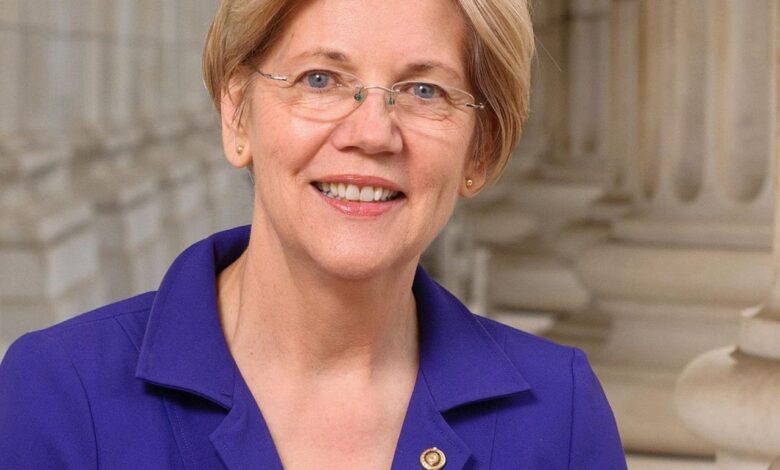
Elizabeth Warren, a prominent figure in the Democratic Party, has expressed serious concerns about the potential for significant losses for Democrats in the upcoming midterm elections. Her warnings highlight the challenging political landscape and the factors that could contribute to a challenging election cycle for the party.
Factors Contributing to Warren’s Concerns
Warren’s concerns stem from a confluence of factors that are shaping the political landscape and potentially impacting voter sentiment. These factors include:
- Historical Trends:Midterm elections often see the party in power lose seats in Congress. This historical trend is driven by various factors, including voter dissatisfaction with the incumbent party and a desire for change. The 2022 midterms could potentially follow this historical pattern, posing a challenge for Democrats who currently hold the majority in both the House and Senate.
- Economic Concerns:The current economic climate, characterized by rising inflation and concerns about the cost of living, is a significant factor in Warren’s concerns. Voters are often motivated by economic issues, and the current economic landscape could lead to a backlash against the Democratic Party.
Elizabeth Warren’s warning about potential Democratic losses in the midterms is a sobering reminder of the political landscape. While the focus is often on the national stage, it’s crucial to remember the impact of local issues, like the ongoing opioid epidemic.
Biden’s plan to battle this crisis, including increased access to naloxone, bidens plan to battle the opioid epidemic access to naloxone , could be a key factor in determining voter turnout and ultimately, the outcome of the elections.
For example, in the 2010 midterm elections, the Democratic Party lost control of the House of Representatives amid concerns about the economy and the handling of the Great Recession.
- Polarized Political Climate:The highly polarized political climate in the United States is another factor that could contribute to a challenging midterm election for Democrats. This polarization can make it difficult for the party to appeal to moderate voters and could lead to increased turnout among Republican voters, who are generally more energized in midterm elections.
Warren’s Predictions for the Midterms
Warren has predicted that Democrats could face significant losses in the midterms, potentially losing control of the House of Representatives and even the Senate. This prediction is based on her assessment of the factors discussed above, including the historical trend of midterm losses for the party in power, the current economic climate, and the polarized political landscape.
Warren’s predictions are not without precedent. For example, in the 2010 midterm elections, the Democratic Party lost 63 seats in the House of Representatives and six seats in the Senate. While the specific outcome of the 2022 midterms remains uncertain, Warren’s warning underscores the challenges facing Democrats and the potential for significant political shifts in the upcoming election.
Historical Context
The upcoming midterm elections are a crucial moment in American politics, and understanding historical trends can provide valuable insights into potential outcomes. Examining past midterm elections, particularly those with similar political and economic contexts, can help us interpret current dynamics and anticipate potential results.
Historical Trends and Patterns
Analyzing past midterm elections reveals recurring patterns and trends that can influence the outcome of the upcoming elections. One consistent pattern is the tendency for the president’s party to lose seats in the House of Representatives during midterm elections. This phenomenon, known as the “midterm loss,” is often attributed to factors like voter dissatisfaction with the incumbent administration and a natural ebb and flow of political power.
Elizabeth Warren’s warning about potential Democratic losses in the midterms is a stark reminder of the need for strong messaging and effective engagement. While the political landscape is complex, it’s crucial to connect with voters on issues that resonate, such as sustainability.
One way to do this is by highlighting your commitment to environmental responsibility, perhaps by sharing your company’s sustainability initiatives and how they benefit the community. For inspiration on how to effectively market your sustainability efforts, check out this helpful article: 4 smart ways to market your sustainability efforts.
By emphasizing concrete actions and demonstrating a genuine commitment to positive change, Democrats can build a stronger platform and hopefully mitigate the potential for significant losses in the upcoming elections.
For example, in 2010, President Barack Obama’s Democratic party lost a significant number of seats in the House, a trend that mirrored the loss of seats by President George W. Bush’s Republican party in 2006.
Presidential Approval Ratings
A key factor influencing midterm elections is the president’s approval rating. Historically, presidents with low approval ratings tend to see their party lose seats in Congress. Conversely, presidents with high approval ratings often see their party gain seats. For instance, in 1998, President Bill Clinton’s high approval rating helped Democrats gain seats in the House despite the impeachment proceedings against him.
However, it’s important to note that other factors, such as the political climate and economic conditions, can also play a significant role in determining the outcome.
Economic Conditions
The state of the economy is another major factor influencing midterm elections. Voters tend to hold the incumbent party accountable for economic performance. If the economy is strong, voters are more likely to support the president’s party. Conversely, if the economy is weak, voters may express their dissatisfaction by voting against the incumbent party.
For example, in 2006, the Republican party lost control of both the House and Senate during a period of economic downturn and the Iraq War.
Social Issues
Social issues can also play a significant role in midterm elections, especially when they resonate with voters’ values and beliefs. These issues can mobilize voters and influence their voting decisions. For example, in 2018, the issue of abortion rights galvanized voters, particularly women, leading to a surge in Democratic support.
Elizabeth Warren’s warning about potential Democratic losses in the midterms is a stark reminder of the political landscape. While the future of our nation is debated, there’s also exciting news on the horizon: Boeing’s Starliner launch will bring new cargo and science to the space station , a reminder that even amidst political turmoil, human ingenuity continues to reach for the stars.
Hopefully, the midterms will bring a renewed focus on the issues that truly matter, like ensuring our future in space exploration.
The prominence of social issues in the upcoming midterm elections remains to be seen, but they could potentially influence the outcome.
Key Issues at Stake
The 2022 midterm elections are shaping up to be a high-stakes battleground, with a range of critical issues driving voter turnout and potentially influencing the outcome. These issues, spanning the economy, healthcare, immigration, abortion, gun control, and climate change, have the potential to mobilize voters on both sides of the political spectrum.
The Economy
The economy is always a major factor in midterm elections, and this year is no different. Inflation has reached a 40-year high, and voters are feeling the pinch at the grocery store and the gas pump. Democrats are likely to emphasize their efforts to address inflation, such as the American Rescue Plan and the Infrastructure Investment and Jobs Act.
Republicans, on the other hand, will likely focus on blaming Democrats for the high cost of living and pushing for policies that they say will stimulate economic growth.
Healthcare, Elizabeth warren warns dems could be headed toward big losses in midterms
Healthcare is another issue that is likely to be front and center in the midterms. The Affordable Care Act (ACA), also known as Obamacare, remains a contentious issue, with Republicans seeking to repeal it and Democrats defending it. Additionally, the rising cost of healthcare is a concern for many voters.
Democrats are likely to emphasize their efforts to expand access to affordable healthcare, while Republicans are likely to push for market-based solutions.
Immigration
Immigration is a complex issue that has been a major focus of political debate in recent years. Democrats generally support a path to citizenship for undocumented immigrants and oppose efforts to build a wall on the U.S.-Mexico border. Republicans, on the other hand, generally support stricter immigration enforcement and have called for increased border security.
Abortion
The Supreme Court’s decision to overturn Roe v. Wade has ignited a fierce debate over abortion rights. Democrats have condemned the decision and are likely to emphasize their support for abortion access. Republicans, on the other hand, have largely celebrated the decision and are likely to push for further restrictions on abortion.
Gun Control
Gun control is another contentious issue that has been at the forefront of political debate in recent years. Democrats generally support stricter gun control measures, such as universal background checks and bans on assault weapons. Republicans, on the other hand, generally oppose gun control measures, arguing that they infringe on the Second Amendment rights of law-abiding citizens.
Climate Change
Climate change is a growing concern for many voters, particularly younger generations. Democrats have made climate change a central part of their agenda, proposing policies to reduce greenhouse gas emissions and invest in clean energy. Republicans, on the other hand, have been more skeptical of climate change and have opposed many of the Democrats’ proposals.
Potential Outcomes
The midterm elections hold significant implications for the direction of American politics and policymaking. Several potential outcomes could unfold, each with its own set of consequences for governance and the legislative landscape.
Possible Scenarios and Their Implications
The following table Artikels potential scenarios for the midterms, their likelihood, and potential consequences:
| Scenario | Likelihood | Potential Consequences |
|---|---|---|
| Democrats Maintain Control of Congress | Low |
|
| Republicans Gain Control of One or Both Chambers of Congress | High |
|
| A Divided Congress | Moderate |
|
Concluding Remarks
The upcoming midterms are poised to be a pivotal moment in American politics. The outcome will determine the direction of policymaking, the trajectory of President Biden’s presidency, and the shape of the 2024 presidential election. Warren’s warning serves as a stark reminder of the stakes involved.
The Democrats face an uphill battle to maintain control of Congress, but they are not without their advantages. Their ability to mobilize their base, frame the key issues to their advantage, and capitalize on any potential missteps by the Republicans will be crucial in determining the outcome.
The next few months will be a critical period for both parties as they vie for control of the political landscape. The future of American politics hangs in the balance.