
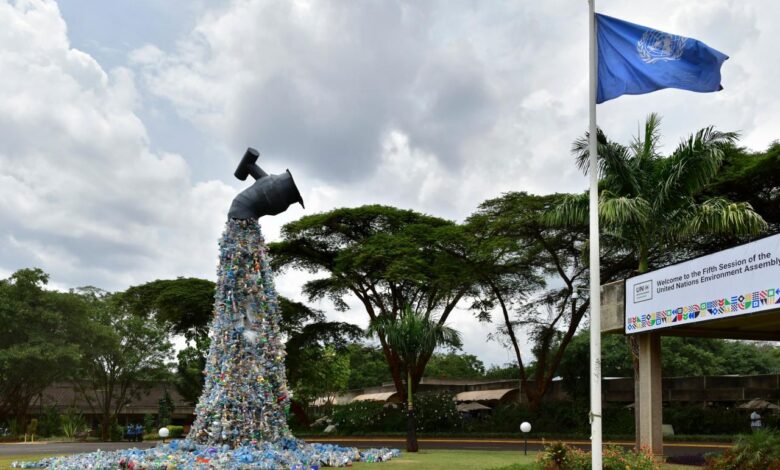
Global Treaty Aims to End Plastic Pollution
Countries agree to end plastic pollution in ambitious global treaty sets the stage for a monumental shift in our relationship with plastic. This landmark agreement, forged through years of negotiations, Artikels a comprehensive plan to tackle the global plastic pollution crisis that threatens our environment, health, and economies.
The treaty represents a turning point, signaling a collective commitment to transition away from our reliance on single-use plastics and embrace a more sustainable future.
The treaty’s ambition is evident in its wide-ranging provisions, which address all stages of the plastic lifecycle, from production to disposal. Countries have pledged to reduce plastic production, implement extended producer responsibility schemes, invest in recycling infrastructure, and promote innovative solutions for plastic waste management.
The agreement also emphasizes the importance of international cooperation and knowledge sharing, recognizing that tackling plastic pollution requires a global effort.
The Global Plastic Pollution Crisis: Countries Agree To End Plastic Pollution In Ambitious Global Treaty
The global plastic pollution crisis is a pressing environmental issue with far-reaching consequences for our planet, human health, and economies. Plastic, once hailed as a miracle material, has become a pervasive pollutant, accumulating in our oceans, landfills, and even our bodies.
The Scale and Impact of Plastic Pollution
Plastic pollution is a global problem, with plastic waste accumulating in every corner of the world, from the deepest ocean trenches to the highest mountain peaks. A staggering amount of plastic is produced annually, with only a small percentage being recycled.
This leads to a massive accumulation of plastic waste in the environment.
- Environmental Impact:Plastic pollution has devastating effects on marine ecosystems, wildlife, and habitats. Marine animals often mistake plastic debris for food, leading to ingestion and entanglement, which can cause starvation, suffocation, and death. Plastic also breaks down into microplastics, which are tiny particles that can be ingested by marine organisms and even enter the food chain, posing a threat to human health.
- Human Health Impacts:Microplastics have been found in drinking water, seafood, and even human blood, raising concerns about potential health risks. Studies suggest that exposure to microplastics may be linked to various health issues, including inflammation, hormonal disruption, and reproductive problems.
- Economic Costs:The economic costs of plastic pollution are significant, including the expenses associated with waste management, cleanup, and environmental damage. The tourism industry, fisheries, and coastal communities are particularly vulnerable to the impacts of plastic pollution.
Examples of Plastic Pollution Problems
Plastic pollution is a widespread problem, with specific challenges arising in different regions of the world.
- The Great Pacific Garbage Patch:This vast accumulation of plastic debris in the North Pacific Ocean is a stark reminder of the scale of plastic pollution. It is estimated to contain millions of tons of plastic, posing a significant threat to marine life and ecosystems.
- Plastic Pollution in Developing Countries:Rapid economic growth and urbanization in developing countries often lead to an increase in plastic consumption and inadequate waste management systems. This can result in plastic waste accumulating in rivers, oceans, and landfills, posing environmental and health risks.
It’s inspiring to see countries come together to tackle the global plastic pollution crisis with a new treaty. While we work on solutions for the environment, we also need to address the future of our children’s education. Savvas delivers new summer solutions for math and literacy to move learning forward , providing tools to keep young minds engaged and learning throughout the year.
Just as we strive for a cleaner planet, we must also strive for a brighter future for all through quality education.
- Microplastic Pollution in Freshwater Ecosystems:Microplastics have been found in freshwater ecosystems, such as rivers, lakes, and even drinking water sources. This poses a threat to freshwater organisms and human health.
Challenges of Managing and Reducing Plastic Waste
Managing and reducing plastic waste is a complex challenge that requires a multifaceted approach.
It’s amazing to see countries coming together to tackle the plastic pollution crisis with a global treaty. It’s a huge step towards a cleaner future, and hopefully, it will lead to real change. Meanwhile, news about Peter Navarro receiving a grand jury subpoena in the January 6th investigation is a reminder that the legal process is ongoing , and it’s important to let the justice system do its work.
Ultimately, though, I’m hopeful that both these developments – the plastic pollution treaty and the January 6th investigation – will lead to a better future for everyone.
- Waste Management Infrastructure:Many countries lack adequate waste management infrastructure, leading to the illegal dumping of plastic waste. Investing in improved waste collection, sorting, and recycling systems is crucial for addressing plastic pollution.
- Consumer Behavior:Consumer behavior plays a significant role in plastic pollution. Reducing single-use plastics, opting for reusable alternatives, and proper waste disposal are essential for minimizing plastic waste.
- Plastic Production and Innovation:The production of plastics needs to be more sustainable, with a focus on biodegradable and compostable alternatives. Innovation in materials science and recycling technologies is crucial for developing solutions to plastic pollution.
The Treaty’s Key Provisions
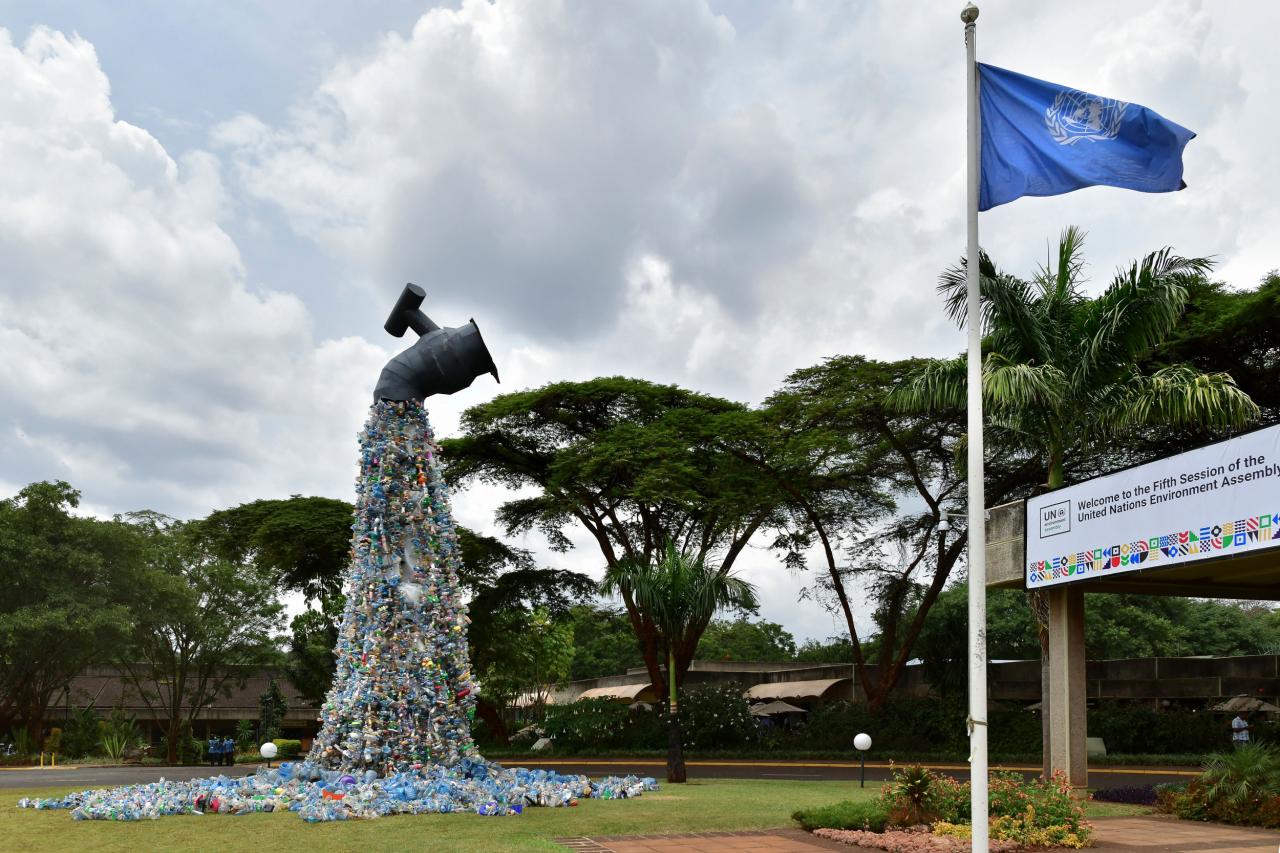
This landmark treaty represents a historic shift in the global fight against plastic pollution. It lays out a comprehensive framework for tackling the issue, with specific goals, actions, and timelines for countries to follow. The treaty aims to curb plastic production, improve waste management, and promote innovation in sustainable alternatives.
Goals and Objectives
The treaty sets ambitious goals to address the plastic pollution crisis. The central objective is to significantly reduce plastic pollution by
It’s inspiring to see countries come together to tackle the plastic pollution crisis with a global treaty. This kind of international cooperation is exactly what we need to address our biggest challenges, and it’s a reminder that we can create positive change when we work together.
It’s also a good time to reflect on what we can demand for ourselves in this changing world. As we move towards a more hybrid work environment, it’s important to consider how we can negotiate for better benefits, like flexible schedules and remote work options, as outlined in this great article on better benefits in a hybrid world.
Just like tackling plastic pollution, securing these benefits requires proactive engagement and collective action. Ultimately, we can build a more sustainable and equitable future for everyone.
This goal encompasses various aspects, including:
- Reducing the production and consumption of virgin plastics. The treaty encourages a shift towards a circular economy model, promoting reuse, recycling, and the use of recycled plastics.
- Eliminating plastic pollution in sensitive ecosystems, such as oceans, lakes, and rivers. This includes tackling the problem of microplastics, which are particularly harmful to marine life.
- Strengthening global cooperation and collaboration on plastic pollution management. The treaty recognizes that a coordinated global response is crucial to achieving success.
Actions Agreed Upon
The treaty Artikels a range of actions that countries have committed to taking. These actions fall under several key areas:
Production and Consumption
- Phasing out the production of unnecessary or problematic plastics, such as single-use plastics. This includes setting targets for reducing the production of specific types of plastics, such as plastic bags, straws, and packaging.
- Promoting the use of reusable and sustainable alternatives to plastic products. This includes encouraging the use of reusable bags, containers, and packaging, as well as exploring innovative materials and technologies.
- Implementing extended producer responsibility (EPR) schemes. This means that producers are held responsible for the entire lifecycle of their products, including the collection, recycling, and disposal of plastic waste.
Waste Management
- Improving waste management infrastructure and systems. This includes investing in waste collection, sorting, and recycling facilities, as well as promoting proper waste disposal practices.
- Increasing recycling rates for plastic waste. The treaty sets targets for recycling rates and encourages countries to develop effective recycling programs.
- Developing and implementing technologies for the treatment and disposal of plastic waste. This includes exploring technologies for plastic waste incineration, pyrolysis, and other methods of safe disposal.
Innovation and Technology
- Promoting research and development of sustainable alternatives to plastic. This includes investing in bio-based plastics, biodegradable plastics, and other innovative materials.
- Supporting the development and deployment of technologies for plastic waste collection, sorting, and recycling. This includes exploring advanced sorting technologies, chemical recycling processes, and other innovative solutions.
Timelines and Implementation Mechanisms
The treaty sets specific timelines for the implementation of its provisions. It establishes a phased approach, with milestones and targets set for different stages of the process.
- Countries are expected to develop national action plans outlining their strategies for implementing the treaty’s provisions. These plans will be submitted to a newly established global body that will oversee the implementation of the treaty.
- The treaty includes a mechanism for monitoring and reporting progress on the implementation of its provisions. Countries will be required to regularly report on their progress, and the global body will assess the effectiveness of the treaty.
- The treaty also includes provisions for financial and technical assistance to developing countries. This will help ensure that all countries have the resources they need to effectively implement the treaty’s provisions.
Impact on Different Industries
The global plastic treaty is poised to have a profound impact on industries that produce, use, and dispose of plastic. While the treaty aims to reduce plastic pollution, it will inevitably reshape business models and drive innovation across various sectors.
This section explores the challenges and opportunities presented by the treaty for different industries, highlighting the potential for sustainable practices and technological advancements.
Plastic Production
The treaty’s restrictions on plastic production will necessitate significant adjustments within the industry. Manufacturers will face pressure to reduce their reliance on virgin plastic and explore alternative materials. This shift will require investments in research and development to explore bio-based plastics, recycled plastics, and other sustainable alternatives.
- Challenges:The transition to alternative materials may pose challenges in terms of cost, performance, and availability. Some industries may struggle to find suitable replacements for existing plastic products, especially in sectors requiring specific properties like durability or flexibility.
- Opportunities:The treaty presents an opportunity for the plastic production industry to embrace innovation and develop more sustainable manufacturing processes. This could lead to the emergence of new technologies and materials, fostering a circular economy for plastics.
Packaging Industry
The packaging industry will be at the forefront of the treaty’s implementation. The treaty’s focus on reducing single-use plastics will require manufacturers to adopt alternative packaging solutions. This could involve using reusable packaging, shifting to biodegradable materials, or reducing packaging size and weight.
- Challenges:The transition to alternative packaging may require manufacturers to invest in new equipment and technologies, which could lead to higher costs in the short term. Ensuring the safety and effectiveness of alternative packaging materials will also be crucial.
- Opportunities:The treaty presents an opportunity for the packaging industry to develop innovative and sustainable packaging solutions. This could involve exploring new materials like paper, bamboo, or mushroom-based packaging, or adopting advanced technologies like recycled plastic packaging or biodegradable coatings.
Retail and Consumer Goods
Retailers and consumer goods companies will need to adapt their practices to align with the treaty’s goals. This will involve reducing the use of plastic packaging, promoting reusable alternatives, and implementing efficient waste management systems.
- Challenges:The transition to more sustainable practices may require retailers to invest in new infrastructure, such as reusable container systems or waste sorting facilities. Consumer behavior change will also be crucial for the success of these initiatives.
- Opportunities:The treaty presents an opportunity for retailers and consumer goods companies to demonstrate their commitment to sustainability. This could involve partnering with suppliers to develop innovative packaging solutions, offering incentives for customers who use reusable containers, and implementing circular economy models.
International Cooperation and Collaboration
The global plastic pollution treaty signifies a monumental shift in how we address this pressing environmental challenge. It is a testament to the collective will of nations to work together, transcending national boundaries to achieve a common goal. This treaty is not just a legal document but a framework for international cooperation, demanding a collaborative approach to effectively combat plastic pollution.
Role of International Organizations and Partnerships
International organizations play a pivotal role in supporting the treaty’s implementation. They provide technical expertise, financial assistance, and a platform for knowledge sharing and coordination. The United Nations Environment Programme (UNEP), for instance, is leading the effort to develop a global monitoring framework for plastic pollution, which will be crucial for tracking progress and identifying areas for improvement.
The treaty also encourages partnerships between governments, businesses, and civil society organizations. These partnerships are vital for developing innovative solutions, promoting sustainable practices, and ensuring that the treaty’s benefits reach all communities.
Examples of Successful Collaborations, Countries agree to end plastic pollution in ambitious global treaty
There are numerous examples of successful collaborations between countries in addressing plastic pollution. The “Clean Seas” campaign launched by UNEP in 2017 has mobilized over 100 countries to tackle marine plastic pollution. This initiative has fostered collaboration between governments, businesses, and non-governmental organizations to reduce plastic waste entering the oceans.Another noteworthy example is the “Global Partnership on Marine Litter” established by the United Nations in 2017.
This partnership brings together governments, businesses, scientists, and civil society organizations to address marine litter through a comprehensive approach that includes prevention, reduction, and cleanup efforts.
Importance of Knowledge Sharing and Technology Transfer
Effective implementation of the treaty requires the sharing of knowledge and technology. Countries can learn from each other’s experiences, best practices, and technological advancements. This includes sharing information on plastic waste management systems, recycling technologies, and innovative solutions for reducing plastic consumption.The treaty recognizes the importance of technology transfer, particularly to developing countries.
Developed countries are encouraged to share their knowledge and expertise with developing nations, helping them build capacity to implement the treaty’s provisions. This transfer of knowledge and technology will be crucial for ensuring equitable access to solutions and promoting a more sustainable future.
Epilogue
The global treaty to end plastic pollution marks a historic moment in our fight against this environmental scourge. It represents a collective commitment to protect our planet and build a more sustainable future for generations to come. While challenges remain, the treaty provides a framework for action, fostering innovation, collaboration, and a shared sense of responsibility.
The success of this ambitious endeavor hinges on the unwavering commitment of all stakeholders, including governments, businesses, and individuals, to work together to create a world free from plastic pollution.