Social media monitoring, a critical facet of contemporary brand management, refers to the systematic process by which organizations meticulously track and analyze digital conversations pertaining to their brand, products, services, and industry across various social media platforms. This proactive approach encompasses identifying both direct mentions, where a brand is explicitly tagged, and indirect mentions, occurring in broader discussions without direct tagging. In an era dominated by instantaneous digital communication, social media monitoring has emerged as an indispensable tool, offering real-time consumer intelligence that informs strategic decisions, from marketing campaign adjustments to product development and crisis mitigation.

The digital landscape has dramatically reshaped consumer-brand interactions. What began as a nascent form of online feedback on early web forums has evolved into a sophisticated ecosystem where public sentiment can be gauged, trends identified, and reputations either built or dismantled at an unprecedented pace. Early forms of monitoring involved manual searches for brand names, a tedious and often incomplete method. However, with the proliferation of social platforms and the sheer volume of daily posts, sophisticated social media monitoring tools became a necessity. These platforms leverage advanced algorithms and artificial intelligence (AI) to sift through vast amounts of data, identifying keywords, analyzing sentiment, and categorizing mentions, thereby transforming raw social chatter into actionable insights. This evolution marks a significant shift from reactive observation to proactive strategic intelligence gathering, enabling brands to maintain a pulse on public perception and market dynamics.
Distinguishing Monitoring from Social Listening

While often used interchangeably, social media monitoring and social listening serve distinct yet complementary purposes. Social media monitoring is primarily tactical and reactive; its core function is to capture and respond to immediate mentions. For instance, a customer service team utilizing monitoring tools would swiftly identify a tweet about a product malfunction or a positive comment about a recent campaign and respond promptly. This direct engagement is crucial for immediate customer service, managing public relations, and addressing nascent issues before they escalate. It focuses on what is being said, by whom, and where.
In contrast, social listening is more strategic and analytical. It involves taking the aggregated data from monitoring efforts and analyzing it over time to discern broader patterns, underlying sentiment shifts, and emerging trends. Where monitoring identifies a single negative comment, listening investigates why that sentiment is arising, whether it’s part of a larger pattern, and what it implies for the brand’s long-term strategy. For example, social listening might reveal a consistent decline in positive sentiment around a specific product feature, prompting the product development team to re-evaluate or innovate. It answers the question of why and what’s next, transforming raw data into profound strategic foresight. While monitoring provides the "eyes and ears" on the ground, listening provides the "brain" that interprets and strategizes.

Core Components of a Robust Monitoring Framework
An effective social media monitoring strategy integrates several key components to create a comprehensive overview of brand perception. These include:
- Brand Mentions: Tracking all instances where the brand name, product names, or associated hashtags are mentioned. This includes direct tags and more subtle, untagged conversations.
- Industry Keywords: Monitoring broader terms relevant to the industry helps identify market trends, competitive shifts, and potential opportunities or threats.
- Competitor Activity: Keeping an eye on what consumers are saying about competitors provides valuable benchmarks and highlights successful or failed strategies.
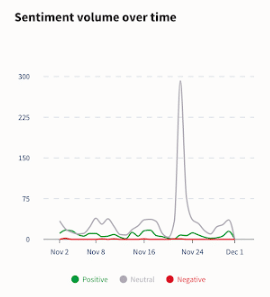
- Sentiment Analysis: Utilizing AI-powered tools to determine the emotional tone behind mentions – positive, negative, or neutral. This is crucial for understanding public perception beyond simple mention counts.
- Trend Identification: Spotting emerging topics, memes, or hashtags that could be relevant to the brand’s content strategy or product development.
- Influencer Identification: Recognizing key individuals who are talking about the brand or industry, offering opportunities for collaboration or engagement.
- Crisis Detection: Rapidly identifying unusual spikes in negative sentiment or specific keywords that could signal a developing public relations crisis.
Together, these elements transform the chaotic stream of social conversations into structured, actionable intelligence, enabling brands to make informed decisions across various departments.
The Indispensable Value Proposition for Brands
Social media monitoring is not merely a defensive mechanism; it’s a powerful engine for growth and innovation. Its benefits span across reputation management, customer relations, marketing, and competitive intelligence.
1. Unparalleled Audience Understanding:
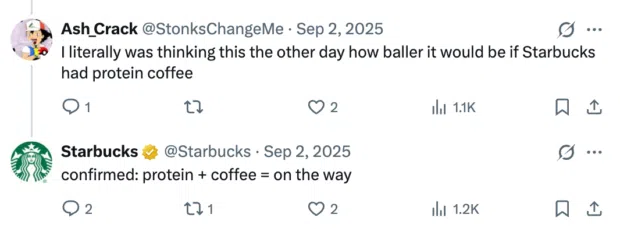
Beyond tracking direct interactions, monitoring uncovers discussions where customers talk about the brand without direct tagging. This provides an unfiltered view of customer perceptions, preferences, and pain points. For instance, a coffee brand might discover through untagged mentions that customers are frequently requesting a specific dairy-free milk option not currently offered. This direct, unsolicited feedback from a brand’s true audience is invaluable for refining product offerings and tailoring marketing messages. Industry reports consistently highlight that brands actively engaging in social media monitoring report a significant improvement in their understanding of target demographics and customer journey mapping.
2. Proactive Crisis Management and Reputation Protection:
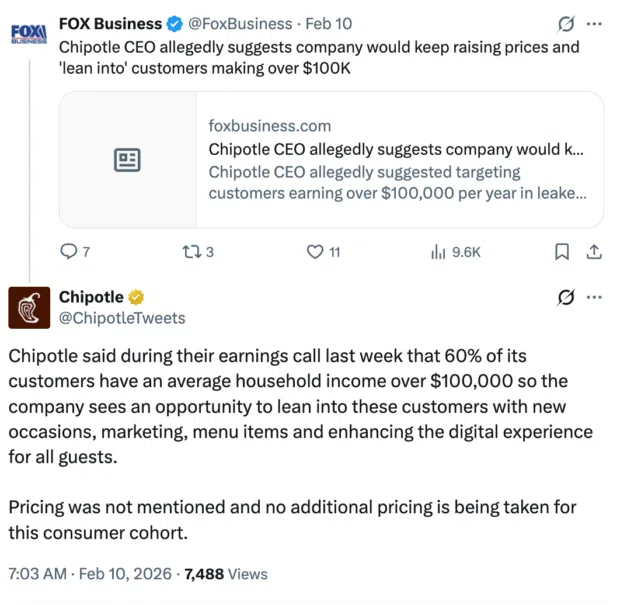
The speed at which information (and misinformation) spreads on social media necessitates vigilant monitoring. A single negative comment, if unaddressed, can spiral into a widespread public relations crisis. By tracking sentiment and keywords, brands can detect early warning signs of discontent or misinformation. A surge in negative mentions, for example, might trigger an alert, allowing the brand to respond swiftly and transparently. Chipotle’s agile response to a crisis involving alleged comments by its CEO illustrates the power of real-time monitoring. By engaging directly with critical posts across platforms, they demonstrated accountability and mitigated potential long-term damage. This ability to "nip potential disasters in the bud" is a cornerstone of modern reputation management, with studies suggesting that swift, empathetic responses to online criticism can turn potentially damaging situations into opportunities to build trust.
3. Informing and Optimizing Marketing Campaigns:
Social media monitoring provides a direct feedback loop for marketing initiatives. Brands can gauge the immediate public reaction to new campaigns, content, or product launches. If a campaign element is resonating positively, resources can be quickly reallocated to amplify its reach. Conversely, if aspects are falling flat or drawing unexpected criticism, adjustments can be made mid-campaign, saving significant marketing spend and reputational capital. Beyond direct campaign feedback, monitoring helps surface popular hashtags, trending topics, and relevant cultural memes, enabling marketers to craft more timely and engaging content. Observing competitor campaign performance also offers crucial insights into successful strategies and common pitfalls to avoid.
4. Gaining Competitive Edge:
Monitoring extends beyond one’s own brand to encompass competitors and the broader industry. This "competitive intelligence" offers a panoramic view of the market landscape. Brands can track competitor product launches, marketing campaigns, customer service strategies, and even potential vulnerabilities. For example, discovering a competitor facing widespread criticism for a particular service aspect could highlight an area where one’s own brand can differentiate and excel. This intelligence allows for benchmarking performance, identifying market gaps, and formulating proactive strategies to outmaneuver rivals. Experts suggest that consistent competitive monitoring can lead to a 10-15% increase in market share through agile strategic adjustments.
5. Deepening Audience Engagement and Fostering Loyalty:
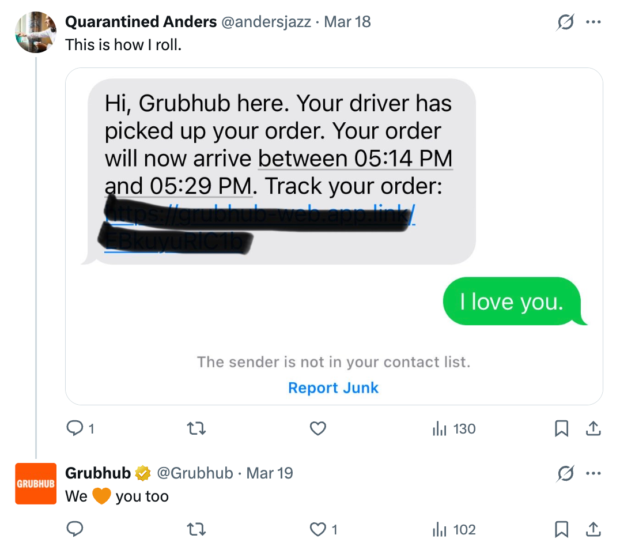
Beyond mere response, social media monitoring facilitates genuine engagement. It allows brands to identify conversations where they aren’t directly tagged but where their products or services are being discussed. These "unsolicited mentions" present prime opportunities to delight customers, offer support, or simply express appreciation. Imagine a customer raving about a brand’s product without tagging them; a proactive response from the brand can transform a casual mention into a memorable, loyalty-building interaction. Grubhub’s practice of responding to positive, untagged tweets exemplifies this, turning customer satisfaction into amplified positive word-of-mouth and reinforcing brand affinity. This kind of authentic engagement goes a long way in cultivating a loyal customer base, which research indicates is far more cost-effective than acquiring new customers.

Building a Comprehensive Monitoring Strategy
Implementing an effective social media monitoring strategy requires a structured approach, moving from defining objectives to selecting tools and ensuring cross-functional collaboration.

1. Define Clear Goals:
The foundation of any successful monitoring strategy is clearly defined objectives. Brands must ask: What specific questions do we want to answer through social media data? Goals might include improving customer service response times, identifying product development opportunities, enhancing brand reputation, understanding market sentiment, or tracking competitor activities. Specific, measurable, achievable, relevant, and time-bound (SMART) goals ensure that monitoring efforts are focused and yield actionable insights. For example, a goal could be "Reduce negative sentiment related to product X by 15% within the next quarter."
2. Identify Key Tracking Parameters:
Once goals are established, the next step is to determine what to monitor. This involves a comprehensive list of keywords, hashtags, and phrases:

- Brand Names: Full name, abbreviations, common misspellings.
- Product/Service Names: Including variations and specific model numbers.
- Campaign-Specific Hashtags: For marketing initiatives.
- Industry Keywords: Terms relevant to the sector (e.g., "eco-friendly packaging" for a sustainable brand).
- Competitor Names and Products: To track competitive landscape.
- CEO/Key Executive Names: For personal brand management and crisis preparedness.
- Common Customer Service Phrases: "Help," "issue," "problem," "feedback."
- Geographic-Specific Terms: If operating in multiple regions, to localize insights.
For brands with a global audience, including multiple language variations of these keywords is crucial for comprehensive coverage.
3. Select the Right Tools:
While manual monitoring is possible for very small operations, it quickly becomes unfeasible and inefficient. Social media monitoring tools automate the process, aggregating data from various platforms, performing sentiment analysis, and providing analytical dashboards. Tools like Hootsuite and Talkwalker offer sophisticated features, including:
- Real-time Alerts: Notifying teams of critical mentions or sudden sentiment shifts.
- Sentiment Analysis: Automatically categorizing mentions as positive, negative, or neutral.
- Trend Tracking: Identifying emerging topics and popular hashtags.
- Competitive Benchmarking: Comparing brand performance against rivals.
- Reporting Features: Generating customizable reports for stakeholders.
Choosing the right tool depends on the brand’s scale, budget, and specific needs, with enterprise-level solutions offering more depth and integration capabilities.
4. Foster Cross-Functional Collaboration:
The insights gleaned from social media monitoring are most impactful when shared across relevant departments.

- Social Media & Customer Service Teams: These teams are on the front lines, responding directly to mentions, resolving issues, and engaging with customers. Real-time alerts are paramount for them.
- Marketing Department: Uses insights to refine campaigns, identify content opportunities, and understand market trends.
- Product Development: Learns about customer pain points, feature requests, and ideas for new products directly from consumer feedback.
- Public Relations: Leverages monitoring for reputation management, crisis communication planning, and identifying media opportunities.
- Sales Teams: Can identify potential leads or address pre-purchase queries, understanding common objections or decision drivers.
A well-integrated system ensures that customer feedback doesn’t remain siloed but actively informs strategic decisions across the entire organization, driving continuous improvement and customer-centricity.
Practical Implementation with Leading Tools
Platforms like Hootsuite, often augmented by powerful integrations such as Talkwalker, provide a robust framework for executing a comprehensive social media monitoring strategy.

Tracking Data with Hootsuite Streams:
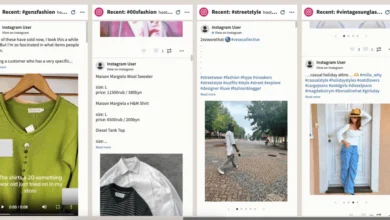
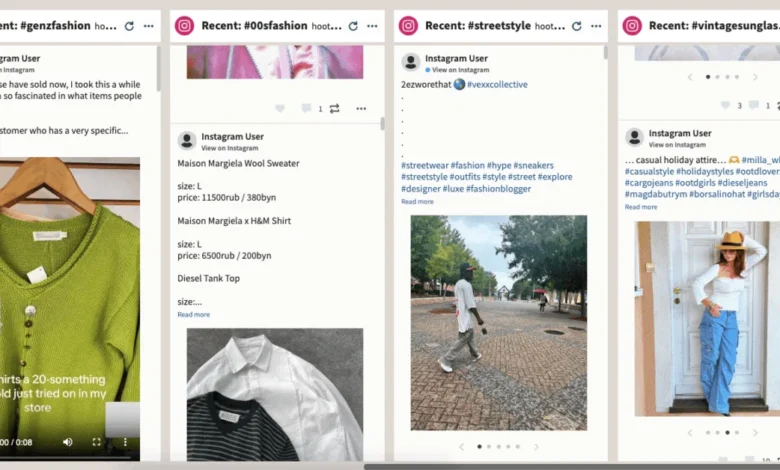
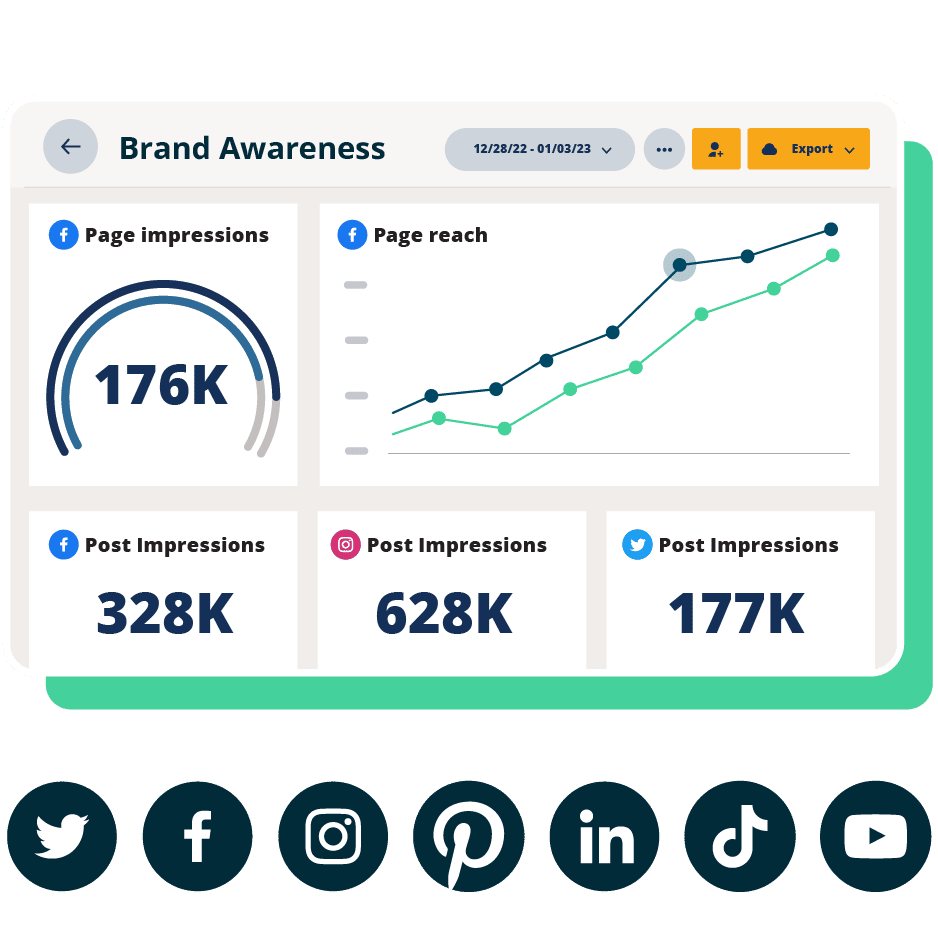
Hootsuite’s Streams feature allows brands to create customizable dashboards to monitor various social media activities. Users can set up streams to track specific keywords, hashtags, brand mentions, and even competitor activity across multiple platforms like X (formerly Twitter), Facebook, Instagram, and LinkedIn. These streams can be organized into boards dedicated to specific goals—for example, a "Customer Service" board for direct inquiries, a "Campaign Performance" board, or a "Competitive Landscape" board. This centralized view streamlines the monitoring process, ensuring no critical mention is missed. The integration with Hootsuite Listening (powered by Talkwalker) further enhances this by allowing users to pull deeper, AI-driven insights directly into their Hootsuite dashboard, offering a holistic view of social conversations.
Competitive Intelligence with Hootsuite Analytics:
For brands prioritizing competitive monitoring, Hootsuite Analytics offers advanced capabilities. By adding key competitors to the analytics dashboard, brands can generate comprehensive reports comparing performance metrics such as engagement rates, follower growth, and top-performing content types. This allows for benchmarking against industry leaders and identifying areas for strategic improvement. Crucially, it highlights which hashtags and content themes are driving engagement for competitors, providing actionable intelligence for refining one’s own content strategy. This level of granular competitive analysis is vital for staying agile in dynamic markets.
In-depth Insights with Talkwalker:
Talkwalker, a leading AI-powered social listening and analytics platform, integrates seamlessly with Hootsuite to provide unparalleled depth in social media monitoring. It extends monitoring beyond social platforms to blogs, forums, news sites, and review platforms, drawing data from over 150 million sources. Talkwalker’s advanced AI capabilities allow for sophisticated sentiment analysis, trend prediction, and identification of key opinion leaders. Its ability to categorize data with numerous filters and assign conversations to specific team members ensures that insights are not just gathered but are also efficiently acted upon. This powerful combination of Hootsuite’s management capabilities and Talkwalker’s deep analytical prowess equips enterprise teams with a comprehensive solution for navigating the complexities of the digital conversation landscape.
The Broader Impact and Future Outlook
The implications of effective social media monitoring extend far beyond immediate responses. It contributes significantly to long-term brand health, fostering deeper customer loyalty, driving product innovation, and strengthening market position. Brands that master this discipline are better equipped to anticipate market shifts, adapt to consumer demands, and maintain a resilient public image.
Looking ahead, the evolution of social media monitoring will likely be driven by further advancements in artificial intelligence and machine learning. Predictive analytics will become even more sophisticated, allowing brands to forecast trends and potential crises with greater accuracy. The integration of social data with other business intelligence systems (e.g., CRM, sales data) will create a truly unified view of the customer, enabling hyper-personalized marketing and service. As the digital sphere continues to expand with new platforms and communication modalities, the fundamental principle of listening to the customer will remain paramount, with monitoring tools becoming ever more critical in amplifying human understanding at scale.

In conclusion, social media monitoring is no longer a luxury but a strategic imperative for any brand aiming to thrive in the modern digital economy. It serves as the brand’s early warning system, its market research arm, and its direct line to the customer’s voice, providing the real-time intelligence needed to build resilient brands and cultivate enduring customer relationships.