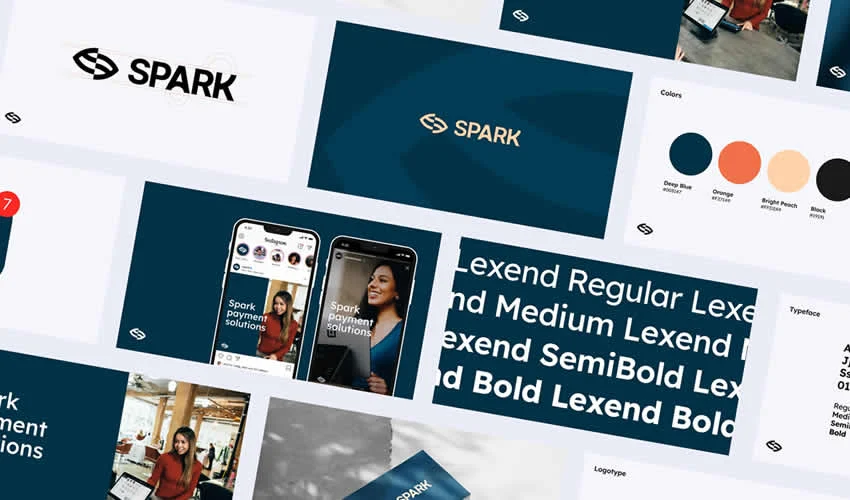
Branding is far more than the simple application of a logo; it is the comprehensive visual language that defines a company’s market presence and influences consumer perception. In the contemporary design industry, the transition from two-dimensional digital concepts to tangible, real-world applications represents a critical phase in the branding process. Branding identity mockups have emerged as an essential tool for designers, bridging the gap between abstract computer-generated files and the physical reality of consumer touchpoints.
The Evolution of Presentation Standards in Graphic Design
The historical trajectory of branding presentation has shifted significantly over the past two decades. In the early era of desktop publishing, designers typically presented logos and color palettes on flat, white-background sheets. This approach, while clean, failed to account for environmental variables such as paper texture, lighting, material limitations, or scale. The rise of sophisticated digital rendering software and high-resolution photography has enabled the current era of "contextual branding."
Modern design agencies now operate under the expectation that deliverables must be showcased within a "live" environment. Data from various design industry surveys suggest that clients are significantly more likely to approve branding projects when they can visualize the assets in situ. This shift is not merely aesthetic; it is a strategic decision to mitigate risk. By viewing a logo on a textured business card or an embossed letterhead, stakeholders can identify potential legibility issues or design flaws that would otherwise remain invisible on a flat screen.
The Mechanics of Branding Identity Mockup Templates
At their core, branding identity mockup templates are pre-configured files—primarily in Adobe Photoshop (PSD) or Figma formats—that utilize advanced layer architecture. These files employ "smart objects," a feature that allows a user to place a flat graphic design into a container that automatically warps, shadows, and textures the image to match the perspective of a physical object.
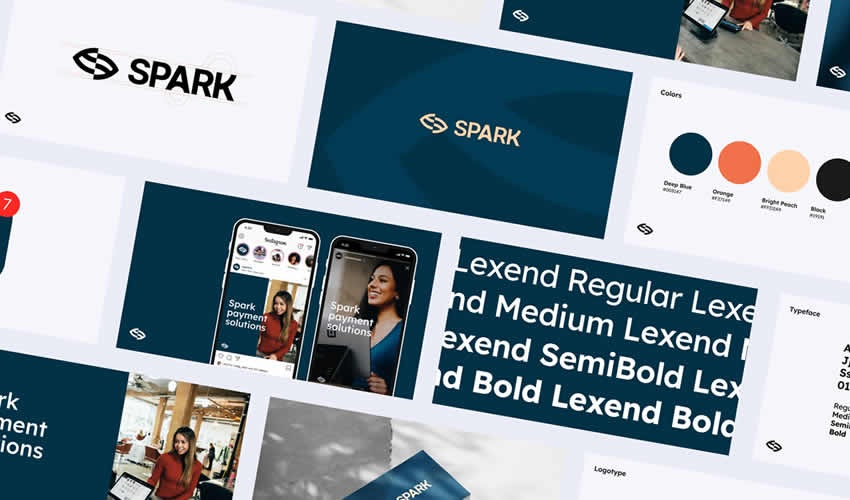
The utility of these templates spans several dimensions:
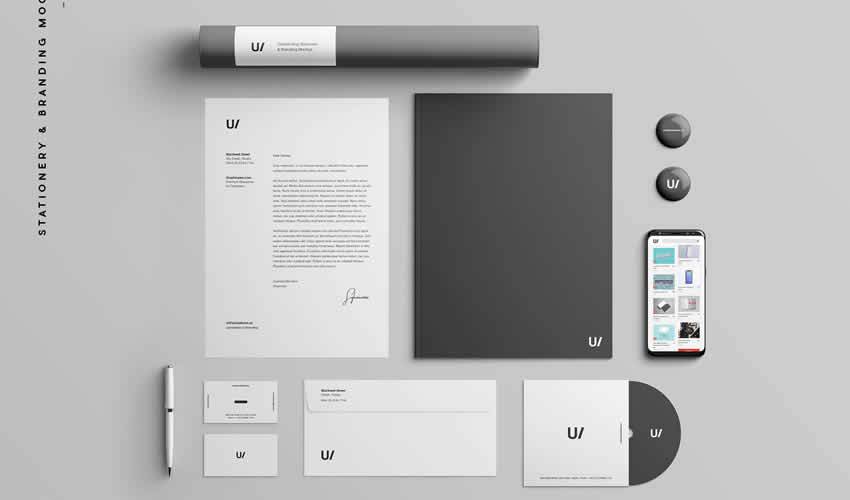
- Dimensional Accuracy: Designers can confirm that a logo retains its clarity when scaled down to the size of a ballpoint pen or a product tag.
- Color Consistency: Mockups allow for the simulation of different printing techniques, such as foil stamping, letterpress, or screen printing, providing a more accurate expectation of the final product.
- Atmospheric Context: By placing a brand identity within a specific setting—such as an upscale office, a minimalist coffee shop, or a high-tech corporate environment—designers can communicate the "personality" of the brand more effectively than a style guide ever could.
Chronology of the Digital Mockup Market
The growth of the mockup market mirrors the democratization of design tools. During the mid-2000s, high-quality mockups were restricted to high-end agencies with the resources to hire photographers and printing specialists for custom photoshoots. The introduction of platforms like Envato Elements, Behance, and various independent stock marketplaces shifted the paradigm. By the early 2010s, a secondary market of professional digital artists began creating and selling these high-fidelity templates to the global design community. This has standardized the quality of client presentations across the industry, ensuring that even independent freelancers can provide corporate-level visual communication.
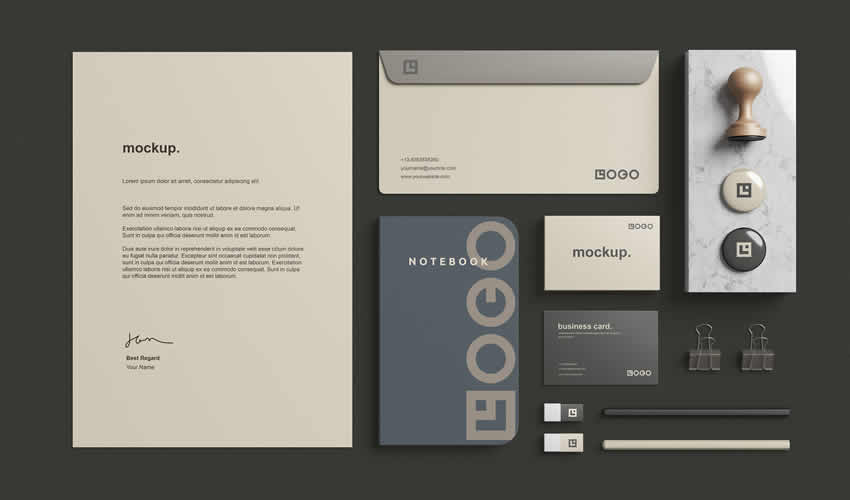
Industry Data and Client Impact
Research into client-agency dynamics indicates that the "presentation phase" is often where projects are won or lost. A 2022 survey of marketing professionals noted that 78% of decision-makers reported feeling more confident in a design direction when it was presented through a realistic, multi-material mockup rather than a PDF document.
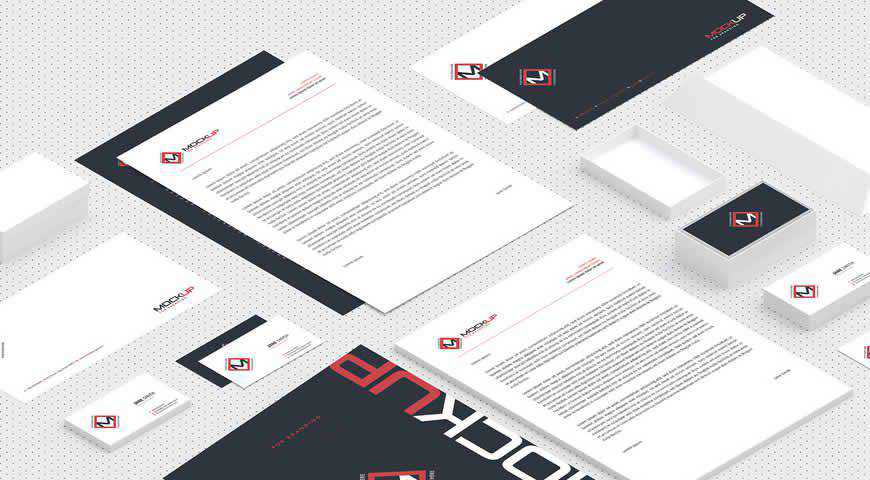
Furthermore, the integration of diverse materials within a single brand identity set—ranging from digital interfaces on tablets to physical stationery—reinforces the concept of "omnichannel branding." Consistency across these platforms is vital for brand equity. Mockups serve as a quality control mechanism, allowing the design team to ensure that the visual weight of the typography and the intensity of the color palette remain balanced across varying materials.
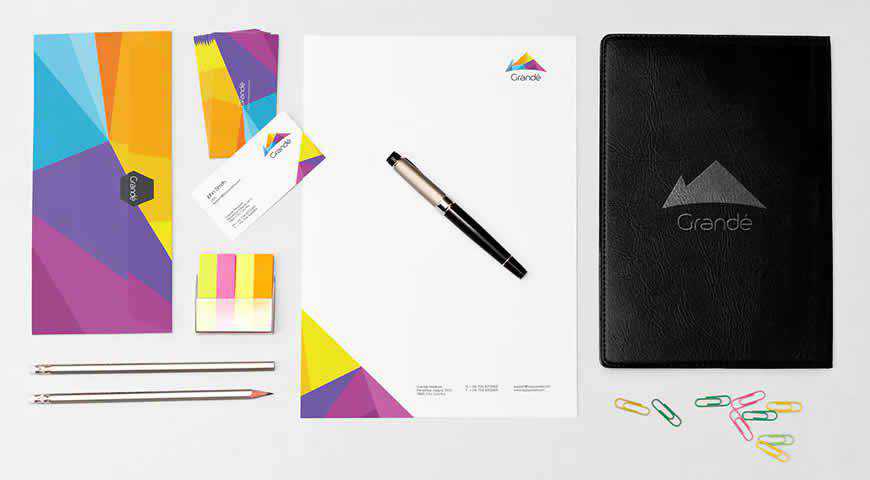
Categorizing Professional Mockup Solutions
The market for these assets is highly diversified, catering to specific industry needs. Designers looking to implement these tools should categorize their requirements into three primary buckets:
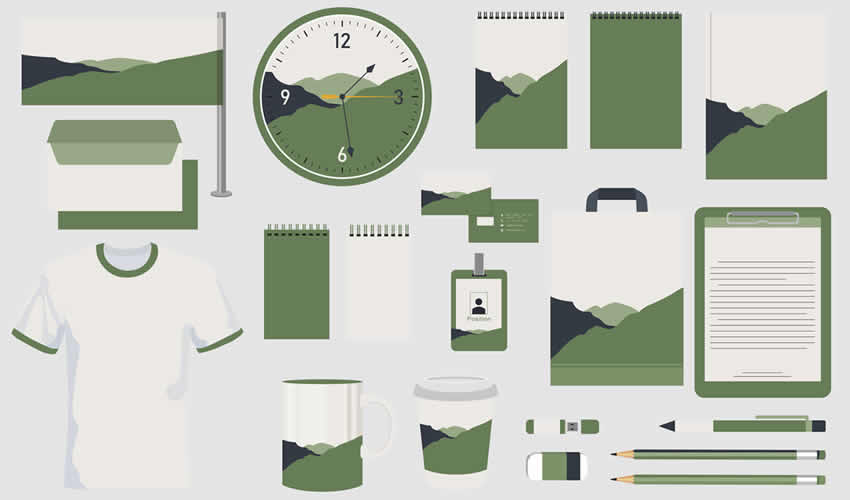
1. Corporate Identity Suites
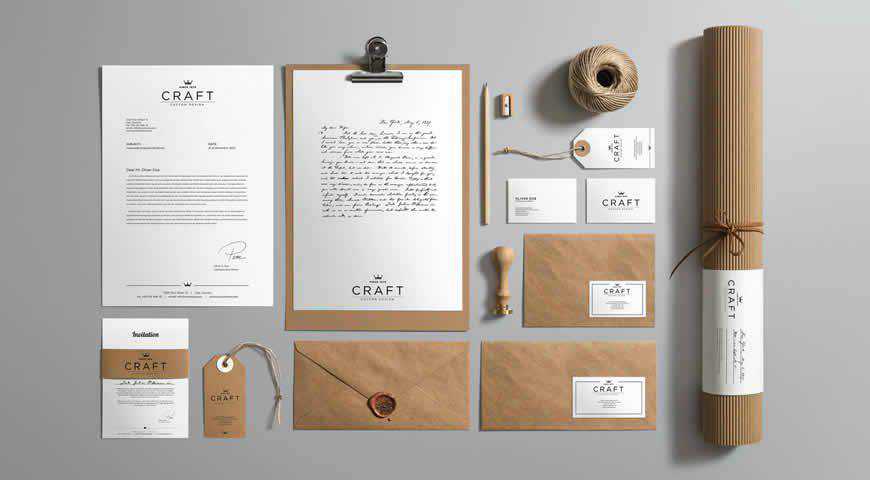
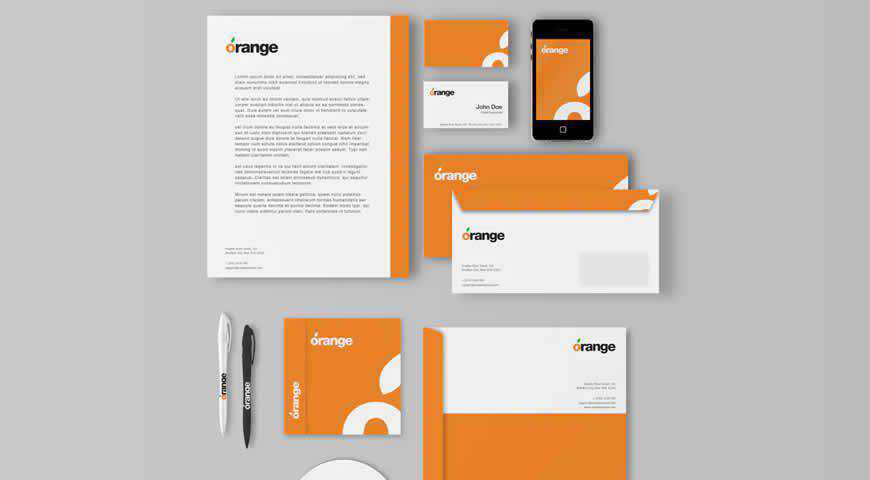
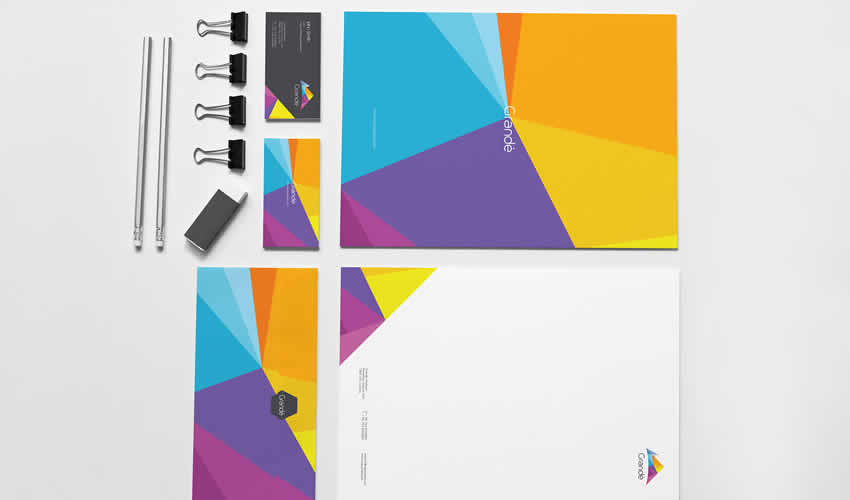
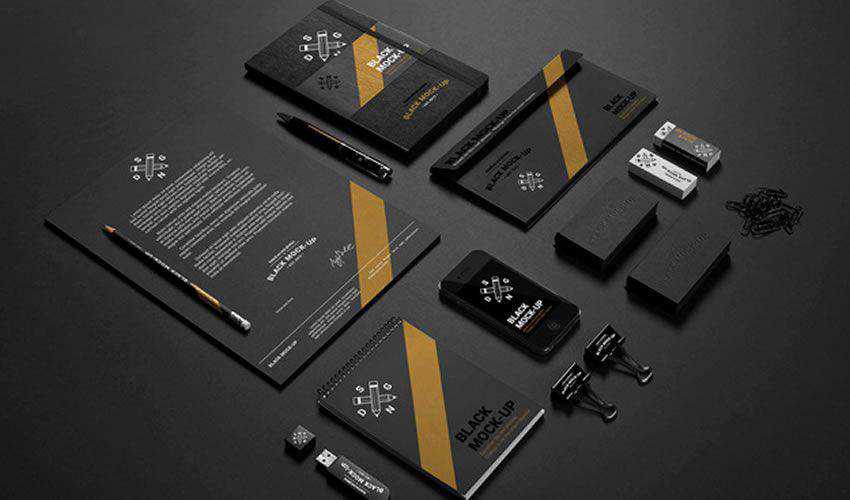
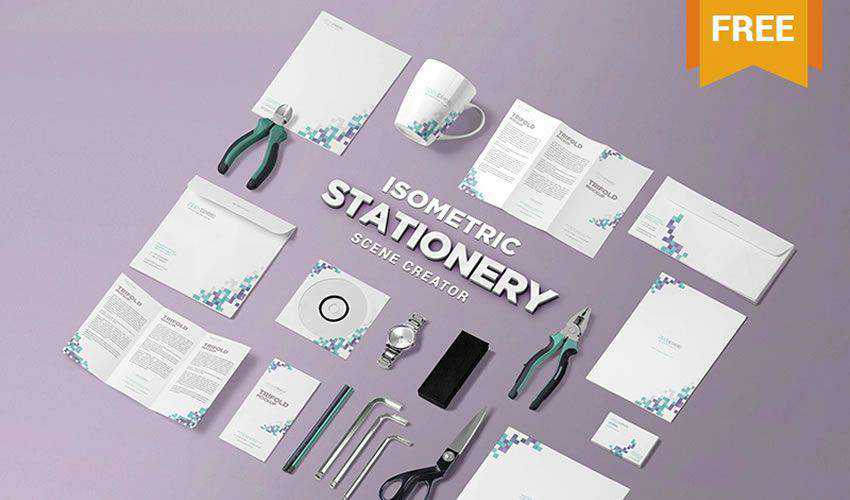
These collections typically focus on the "office environment." They include letterheads, envelopes, business cards, and hardware like flash drives or lanyards. These are essential for B2B brands where professional gravitas is paramount. Templates that offer isometric views are particularly favored, as they allow for a clean, architectural layout of multiple assets simultaneously.
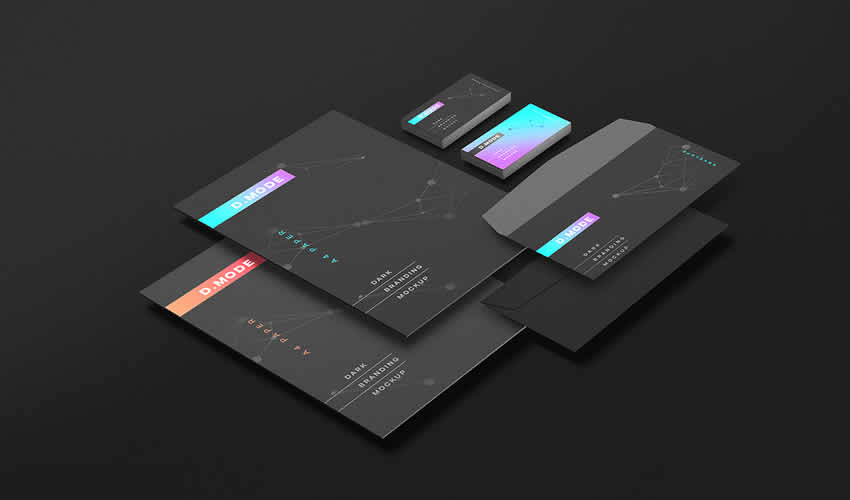
2. Lifestyle and Retail Contexts
For brands operating in the consumer space, the focus shifts to packaging and merchandising. Mockups involving coffee bags, retail shopping bags, product tags, and even apparel provide a "lifestyle" narrative. These are effective for demonstrating how a brand fits into the daily life of the target consumer.
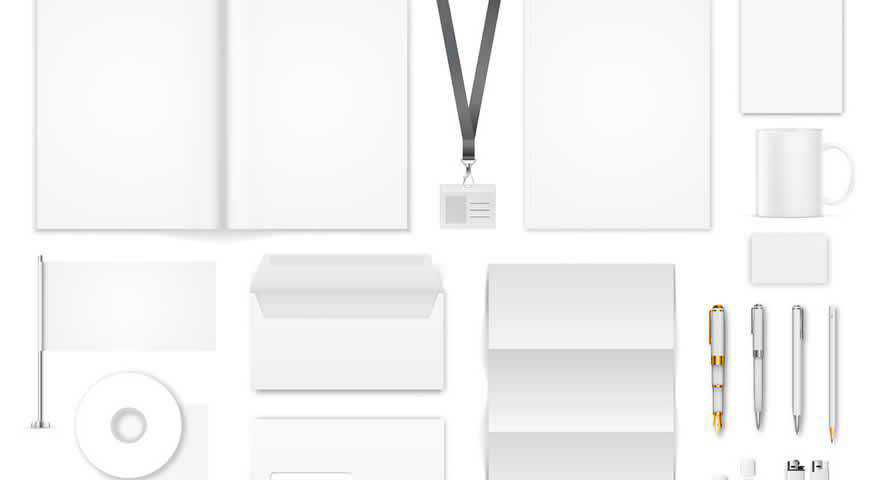
3. Minimalist and Modernist Collections
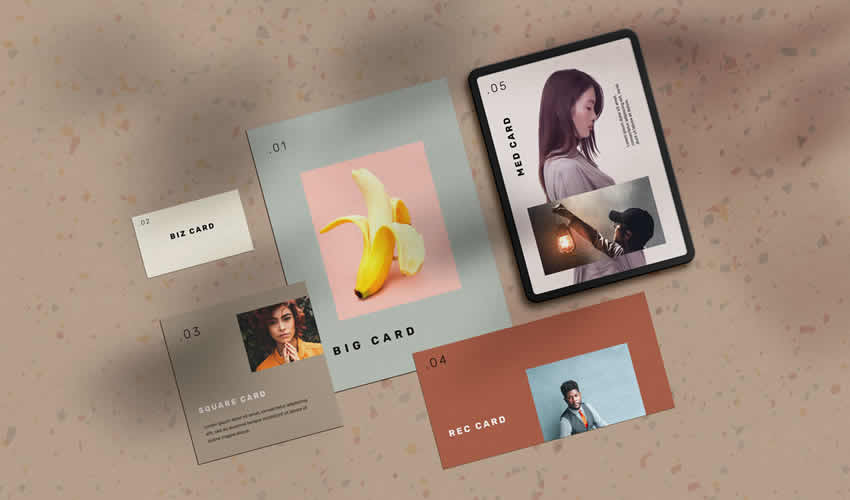
Minimalist mockups prioritize negative space and natural lighting. These are increasingly popular for high-end fashion, beauty, and luxury brands. The emphasis here is on texture—such as heavy cardstock or wood-grain backgrounds—which communicates quality and premium status without the need for visual clutter.
Technical Considerations for the Modern Designer
While the accessibility of these tools is high, technical proficiency remains a requirement. Simply applying a logo to a template is rarely sufficient for a professional presentation. Experts in the field emphasize the following best practices:
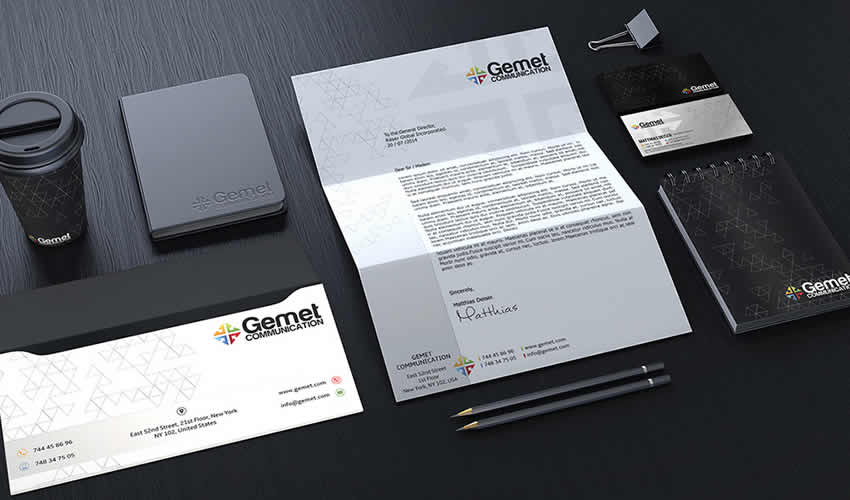
- Customization of Shadows and Lighting: A static, default shadow often looks artificial. Advanced users will adjust the opacity and blur of the shadows to match the lighting conditions of the scene.
- Background Texture Integration: Matching the grain of the paper in the mockup to the actual stock the client intends to use is a mark of professional diligence.
- Strategic Item Selection: Designers should curate the mockup to include only the items relevant to the client’s actual business model. Overloading a presentation with unnecessary objects can dilute the focus of the primary brand identity.
Broader Implications for Brand Strategy
The proliferation of high-fidelity mockups has raised the bar for entry-level designers. The "expectation gap" has widened; clients now expect a level of photorealistic visualization that was once reserved for global advertising campaigns. While this requires designers to dedicate more time to the presentation phase of a project, the long-term impact is positive.
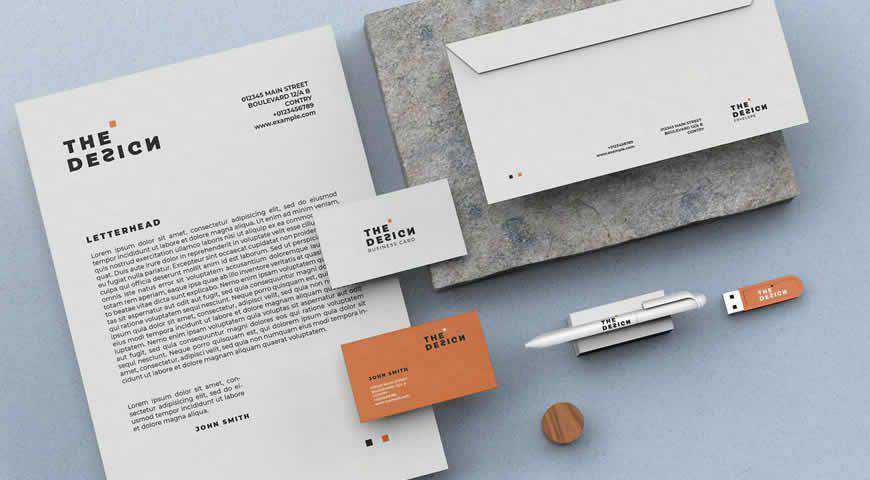
By visualizing the brand in a real-world context, the client gains a deeper understanding of the design’s utility. This reduces the number of revisions requested after the project moves to the production phase, as potential functional issues—such as a logo that is illegible when embossed or a color that loses contrast on dark paper—are identified and corrected during the design phase.
Final Assessment
The shift toward visual storytelling through branding identity mockups is a permanent evolution in the design industry. As software continues to improve, we can expect to see an increase in the use of animated or augmented reality (AR) mockups, which will allow clients to interact with their branding in a 3D, virtual space. For now, the standard remains the high-resolution, photorealistic static mockup.
Whether working on a complex corporate identity or a small-scale retail project, the use of professional mockup templates is no longer an optional luxury—it is a functional necessity. It allows the designer to step out of the digital void and present a vision that feels tangible, credible, and ready for the real world. By leveraging these assets, designers do not just show a logo; they showcase a brand’s entire potential in the marketplace, ultimately fostering trust and demonstrating the strategic value of their work.