The landscape of digital content creation has undergone a profound transformation over the past several years, shifting from manual asset acquisition to algorithmic synthesis. Once universally recognized as a peer-to-peer file-sharing pioneer of the early 2000s, LimeWire has successfully reinvented itself as a modern artificial intelligence media platform. Continuing this strategic evolution, the company has officially announced the launch of its Developer API, a robust integration tool designed to allow software engineers, publishers, and digital creators to generate and manipulate AI-driven visual art programmatically in real time.
This release marks a critical milestone in the democratization of generative artificial intelligence. By exposing its underlying media creation infrastructure via standard RESTful endpoints, LimeWire aims to bridge the gap between complex machine learning models and practical, everyday software development workflows. The API introduces programmatic access to advanced text-to-image synthesis and high-definition upscaling, opening new operational paradigms for content-driven platforms.
The Evolution of LimeWire: From P2P Relic to AI Innovator
To understand the significance of LimeWire’s current trajectory, one must examine its corporate chronology. Founded in 2000, the original LimeWire software became a cultural touchstone of the digital music revolution, facilitating peer-to-peer file sharing for millions of users worldwide. However, protracted legal battles concerning copyright infringement crippled the platform, leading to a court-ordered shutdown in 2010.
A decade later, in 2022, a new ownership group acquired the intellectual property rights with a radically different vision. Rather than reviving the controversial file-sharing network, the brand was resurrected as a mainstream digital marketplace and creation suite centered around digital collectibles, music, and ultimately, generative artificial intelligence.
Over the subsequent two years, LimeWire developed a user-friendly web interface that allowed mainstream consumers to generate digital artwork using text prompts without requiring specialized technical knowledge. The introduction of the Developer API represents the logical next phase of this strategy: transitioning from a consumer-facing web application to an infrastructure provider capable of powering third-party software ecosystems.
Core Technical Capabilities of the LimeWire API
The newly deployed Developer API is engineered for simplicity and efficiency, adhering to modern web development standards. Authenticated via bearer tokens and structured around standard HTTP methods, the architecture enables developers to integrate powerful generative capabilities directly into existing software pipelines with minimal friction.
At its core, the API supports two primary functions: dynamic image generation and advanced image upscaling.

For image generation, developers transmit a standard POST request to the endpoint https://api.limewire.com/api/image/generation. The payload requires a descriptive textual prompt alongside configuration parameters such as aspect ratio. A standard implementation utilizing the command-line utility curl illustrates the straightforward nature of the request:
curl -i -X POST
  https://api.limewire.com/api/image/generation
  -H 'Authorization: Bearer MY_API_KEY'
  -H 'Content-Type: application/json'
  -H 'Accept: application/json'
  -H 'X-Api-Version: v1'
  -d '
    "prompt": "A sophisticated corporate boardroom overlooking a futuristic skyline",
    "aspect_ratio": "16:9"
  '
In addition to de novo generation, the API addresses the frequent need for higher fidelity in professional publishing environments. Through the image upscaling endpoint (https://api.limewire.com/api/image/upscaling), developers can submit an existing image asset identifier and specify an upscale factor—such as 4x magnification—to enhance resolution and detail automatically.
curl -i -X POST
  https://api.limewire.com/api/image/upscaling
  -H 'Authorization: Bearer MY_API_KEY'
  -H 'Content-Type: application/json'
  -H 'Accept: application/json'
  -H 'X-Api-Version: v1'
  -d '
    "image_asset_id": "116a972f-666a-44a1-a3df-c9c28a1f56c0",
    "upscale_factor": 4
  '
This dual functionality provides a comprehensive toolset for applications that require both initial creative output and post-processing refinement.
Industry Implications and Practical Use Cases
The rollout of programmatic AI generation tools carries significant implications across multiple sectors, most notably digital publishing, blogging, e-commerce, and creative writing.
Traditionally, content creators and website administrators must invest substantial time sourcing visual media. This process typically involves navigating complex stock photography databases, evaluating licensing agreements, and paying recurring subscription fees or per-image royalties. Furthermore, generic stock imagery often fails to capture the precise thematic nuances of specialized written content.
By integrating the LimeWire API into content management systems (CMS) or publishing platforms, editorial workflows can be fundamentally automated. For instance, an author publishing a digital article can configure their backend environment to parse the text of the article upon submission, extract core keywords or thematic summaries, and automatically generate a bespoke, contextually relevant header image. This eliminates manual image sourcing, reduces overhead costs, and ensures that every published piece is accompanied by unique visual media tailored precisely to the narrative.
Similarly, independent authors and narrative designers can link storytelling platforms directly to the generation engine. As chapters or scenarios are written, accompanying illustrations can be dynamically rendered, transforming text-based mediums into visually immersive multimedia experiences without requiring dedicated illustration budgets.
Beyond editorial publishing, software-as-a-service (SaaS) providers can embed the API directly into their own user interfaces. This enables platform developers to offer native AI creation tools to their own end-users, effectively white-labeling LimeWire’s underlying technological infrastructure.
Market Context and the Generative AI API Economy
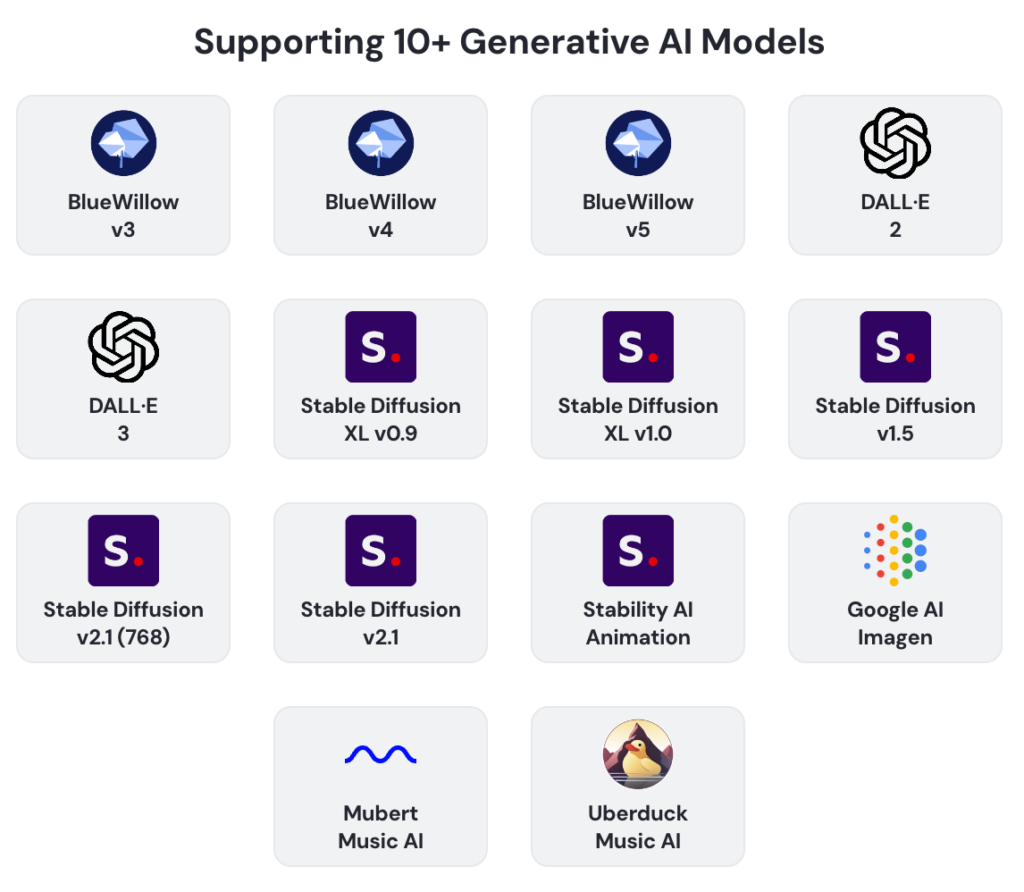
LimeWire’s entry into the developer ecosystem coincides with a broader market shift toward commoditized artificial intelligence services. Major technology conglomerates, specialized AI research laboratories, and agile startups alike are aggressively vying for dominance in the generative API space. Competitors such as OpenAI, Stability AI, and Midjourney have established significant footprints by providing programmatic access to foundational image and text models.
Industry analysts note that while foundational models offer raw computational power, differentiation in the current market increasingly relies on developer experience, integration simplicity, and economic accessibility. By focusing on a streamlined, use-case-driven API structure, LimeWire is positioning itself as a practical alternative for developers who require dependable image generation and upscaling capabilities without the overhead of managing raw neural network weights or complex parameter tuning.
Market research data indicates that the global generative AI market size has expanded exponentially, driven by enterprise adoption across marketing, software development, and entertainment. Software developers are actively seeking modular APIs that can be embedded into existing technical stacks rather than forcing users to adopt standalone web applications. LimeWire’s developer-first initiative directly targets this demand, offering engineers a reliable conduit to state-of-the-art media generation.
Broader Economic and Operational Impacts
The integration of automated image generation into standard publishing and development pipelines also introduces important operational efficiencies. In digital marketing, where rapid content iteration is essential for audience engagement, teams can leverage programmatic APIs to generate hundreds of variations of promotional imagery for A/B testing in a fraction of the time previously required.
Furthermore, e-commerce platforms can utilize upscaling and generation endpoints to enhance product listings, create dynamic marketing banners based on real-time consumer behavior, or generate diverse promotional backgrounds for product photographs without costly physical photo shoots.
However, industry observers emphasize that the widespread deployment of automated generation tools necessitates careful oversight regarding copyright, content moderation, and ethical compliance. As platforms increasingly ingest automated media, establishing clear governance frameworks around synthetic assets remains a priority for software architects and enterprise compliance officers. LimeWire’s API documentation and service terms outline standard usage guidelines designed to maintain quality standards and operational security across the network.
Conclusion and Future Outlook
The launch of the LimeWire Developer API represents a definitive step in the platform’s modern era. By extending its generative media capabilities from a closed consumer application into an open, programmable infrastructure, LimeWire has positioned itself as an active participant in the expanding AI developer economy.
For software engineers, bloggers, and digital publishers, the tool offers a streamlined mechanism to automate asset creation, reduce reliance on external stock libraries, and introduce dynamic visual elements directly into software applications. As adoption grows and additional endpoints are introduced, programmatic media generation is poised to become a standard component of modern software architecture, reshaping how digital content is conceived, created, and delivered to audiences worldwide.