
In today’s hyper-competitive global marketplace, achieving long-term corporate growth requires more than isolated promotional campaigns; it demands an integrated philosophy known as holistic marketing. As businesses navigate shifting consumer expectations, technological disruptions, and economic uncertainties, modern enterprises are increasingly abandoning fragmented promotional efforts in favor of unified brand strategies. This comprehensive approach aligns every facet of an organization—from internal operations and customer service to affiliate networks and public relations—to deliver a consistent, value-driven brand message across every consumer touchpoint.
The Evolution and Core Dimensions of Holistic Marketing
The transition from traditional, siloed marketing to a holistic framework marks a fundamental shift in corporate strategy. Historically, departments such as sales, advertising, customer support, and public relations operated independently, often projecting divergent brand identities or conflicting value propositions. Holistic marketing recognizes that every interaction a consumer has with a company shapes their overarching perception, necessitating absolute coherence across channels.
At its foundation, this strategy rests upon three primary dimensions: internal marketing, relationship marketing, and societal marketing. Internal marketing focuses on educating and engaging employees, ensuring that the workforce deeply understands and embodies the company’s core values. Because employees, customer service representatives, and external partners act as the primary brand ambassadors, their alignment with corporate vision directly influences external performance.
Relationship marketing extends this philosophy outward, prioritizing the cultivation of long-term, mutually beneficial connections with customers, suppliers, and affiliate partners. Rather than executing one-off transactions, organizations utilizing this dimension focus on increasing customer lifetime value and transforming satisfied buyers into loyal brand advocates. Finally, societal marketing integrates ethical practices and corporate social responsibility into the business model. By actively supporting community causes, maintaining environmental sustainability, and demonstrating ethical leadership, companies enhance their brand equity and build deeper trust with modern consumers.
Key Components of an Integrated Strategy

Implementing a successful holistic marketing framework relies on several interconnected components designed to eliminate operational redundancies and maximize resource allocation. Chief among these is a customer-centric approach. By placing consumer preferences, behavioral analytics, and feedback loops at the forefront of product development and promotional planning, businesses ensure that every interaction adds measurable value.
Furthermore, an integrated marketing mix synchronizes all promotional activities to maintain strict brand consistency. Whether a consumer encounters a brand via a social media advertisement, an email newsletter, an affiliate review site, or a physical storefront, the visual identity, tone, and core messaging must remain uniform. This consistency is reinforced through rigorous data-driven decision-making. By leveraging advanced analytics, machine learning tools, and customer behavior metrics, marketing executives can continuously refine their campaigns, optimize conversion rates, and adapt agilely to market fluctuations.
Implications for Affiliate Marketing Programs
The principles of holistic marketing extend profound implications into the realm of affiliate marketing. Historically treated as an isolated acquisition channel, affiliate marketing thrives when integrated into a brand’s overarching ecosystem. Top-tier affiliate partners and content publishers perform rigorous due diligence before agreeing to promote a brand. They evaluate the consumer journey from landing page to checkout, analyzing customer service responsiveness, brand reputation, and conversion efficiency.
When a company maintains a fragmented brand presence—offering inconsistent pricing, conflicting value propositions, or poor customer experiences—high-quality affiliates frequently decline partnership opportunities. Conversely, brands that embrace holistic alignment naturally attract and retain high-performing affiliates. By equipping these partners with accurate audience insights, unified creative assets, and reliable conversion funnels, organizations can transform their affiliate programs from minor auxiliary channels into primary profit centers. Industry data consistently demonstrates that cohesive brand messaging correlates directly with higher affiliate program conversion rates and enhanced long-term retention.
Real-World Application: The Apple Blueprint
A prominent example of holistic marketing execution on a global scale is demonstrated by technology titan Apple Inc. The Cupertino-based corporation is widely recognized for maintaining meticulous synchronization across its product design, advertising, retail environments, and digital services. Apple’s core brand values—including privacy, environmental responsibility, accessibility, and inclusion—are systematically embedded throughout its external advertising and internal corporate communications.
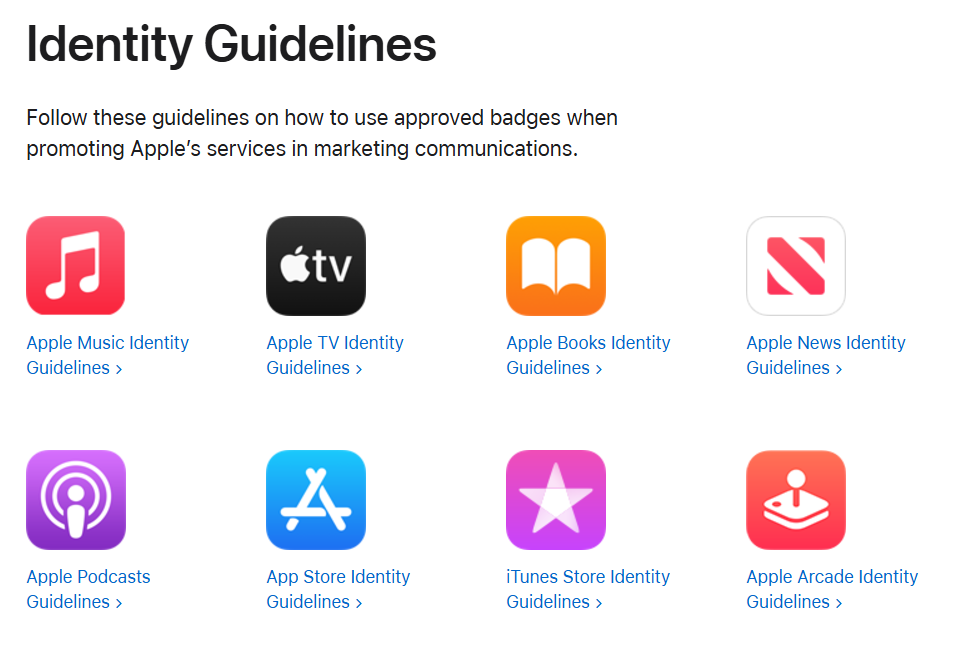
Apple’s internal marketing strategy ensures that retail employees and corporate teams are thoroughly immersed in the company’s vision, translating into authentic and uniform consumer experiences across thousands of global storefronts. This holistic alignment extends directly into the tech giant’s partner ecosystems, such as the Apple Services Performance Partners Program. By providing strict operational guidelines, educational resources, and transparent compliance frameworks, Apple ensures that external affiliates and publishers uphold the exact brand identity established by internal teams.
Furthermore, Apple consistently integrates societal marketing and sustainability initiatives into its core business model. Prominent messaging regarding environmental conservation, charitable contributions through proprietary payment systems, and supplier responsibility form a seamless part of the user experience. This comprehensive alignment not only reinforces consumer trust and brand loyalty but also cements the company’s competitive dominance in a rapidly evolving technological landscape.
Future Outlook and Strategic Imperfections to Avoid
As digital marketing continues to evolve, the necessity of holistic integration will only intensify. Emerging technologies, including artificial intelligence, predictive analytics, and immersive digital platforms, require organizations to maintain absolute coherence across their communication channels to prevent brand dilution. Companies failing to unify their messaging risk confusing increasingly sophisticated consumers who demand authenticity, transparency, and seamless multichannel experiences.
Industry analysts emphasize that executing a holistic strategy requires rigorous cross-departmental communication and teamwork. Just as a patient requires coordinated medical care where physicians communicate to treat the whole body rather than isolated symptoms, modern enterprises must break down internal data silos. Public relations campaigns, search engine optimization, paid advertisements, affiliate networks, and customer support desks must operate as collaborative components of a single organizational puzzle.
Ultimately, holistic marketing transcends a temporary tactical framework; it represents an essential operational philosophy for long-term corporate survival and prosperity. By aligning internal culture, ethical responsibility, relationship management, and data-driven execution, businesses can successfully navigate market volatility, enhance customer lifetime value, and achieve sustainable, scalable growth in an increasingly competitive global economy.