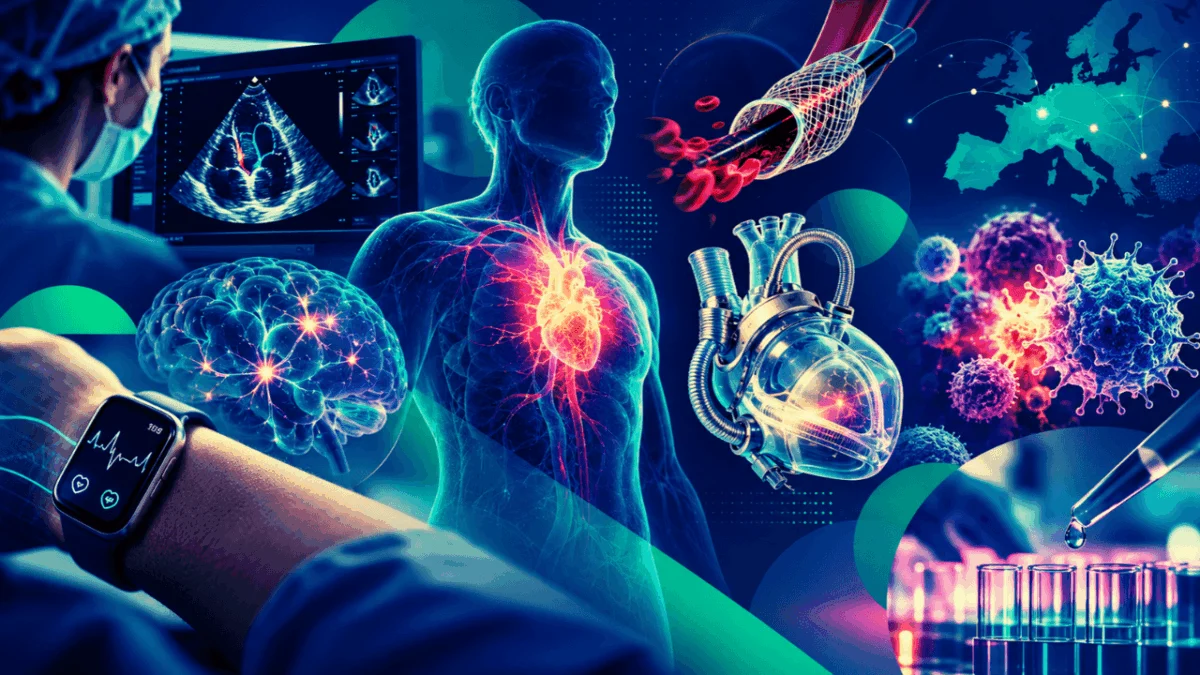
Europe’s healthtech ecosystem is currently undergoing a transformative period, driven by visionary scaleups that are aggressively tackling some of the most persistent, structural challenges facing modern medicine. Across the continent, healthcare systems are buckling under the immense weight of rapidly aging demographics, severe shortages of medical professionals, ballooning operational costs, and the rising prevalence of complex, chronic diseases. Delayed diagnoses and overburdened hospitals have become the norm rather than the exception, straining patient outcomes and testing the limits of public and private health infrastructure alike.
While these innovative enterprises vary widely in their specific technologies, operational methodologies, and therapeutic domains, they are united by a common, formidable hurdle. The journey from a promising scientific or engineering breakthrough in a laboratory to a clinically validated, commercially viable product that can reach patients across Europe and the global market is fraught with difficulty. These companies must skillfully navigate a labyrinth of stringent regulatory approvals, complex healthcare system access hurdles, and the acquisition of the substantial capital required to scale their operations sustainably.
Despite these obstacles, a select group of European scaleups—all proud members of the prestigious EIC Scaling Club—are rising to the occasion. By developing groundbreaking solutions in diagnostics, artificial intelligence, medical devices, and advanced therapeutics, these trailblazers are redefining the boundaries of modern medicine. Below is an in-depth examination of the key players and technologies currently reshaping the future of healthcare.
Diagnostics, AI, and Patient Monitoring: The Frontline of Preventive Care
The pressures facing contemporary healthcare institutions have made earlier diagnoses, more precise clinical assessments, and continuous patient monitoring absolute critical imperatives. As populations age and the incidence of chronic conditions escalates, medical professionals are increasingly overwhelmed by administrative burdens and high patient volumes. Implementing new technological solutions in this vital space, however, requires more than just novelty; it demands demonstrable clinical value, seamless integration into existing hospital workflows, and rigorous regulatory compliance backed by sustainable reimbursement models.
Leading the charge in remote patient monitoring is Bulgaria’s Check Point Care. The company has engineered a sophisticated platform that seamlessly merges wearable medical devices with continuous physiological monitoring and AI-powered clinical decision support systems. Designed to curb preventable deaths, minimize hospital readmissions, and alleviate crippling pressure on healthcare systems, Check Point Care focuses on early detection and rapid clinical intervention.
The mechanism relies on medical-grade wearable hardware that continuously harvests vital clinical metrics, including electrocardiogram (ECG) data, blood pressure, oxygen saturation levels, respiratory rates, and core body temperatures. This wealth of data is securely transmitted to a centralized digital platform where advanced artificial intelligence algorithms dissect complex physiological patterns to generate actionable digital biomarkers. Furthermore, the platform constructs personalized digital twins representing the unique physiological conditions of individual patients, empowering clinical teams to identify subtle abnormalities and monitor longitudinal changes over time.
Operating around the clock, Check Point Care’s proprietary 24/7 Virtual Care Centre allows dedicated clinical teams to analyze incoming patient data meticulously and communicate urgent findings directly to treating physicians. The tangible impact of this technology is already substantial: Check Point Care’s systems have successfully supported over 95,000 acute patients and currently analyze upwards of 16.5 million individual data points on a monthly basis.
In the realm of cardiac care, Lithuania-based Ligence is transforming diagnostics through cutting-edge artificial intelligence. Cardiovascular disease remains a leading cause of mortality globally, yet the analysis of cardiac ultrasound images has traditionally been a time-consuming, highly manual process. Ligence has developed pioneering software that automates the analysis of echocardiograms, assisting cardiologists in evaluating heart function and swiftly identifying potential abnormalities.
The company’s flagship product, Ligence Heart, harnesses advanced machine learning models to automatically identify complex anatomical structures, execute precise measurements, and generate comprehensive, structured reports. According to internal metrics, this technology slashes routine examination and reporting workflows from approximately 30 minutes down to just 15 minutes. This dramatic efficiency gain enables hospitals to assess double the number of patients without requiring a proportional increase in specialized staffing.
Designed to integrate fluidly with existing hospital imaging infrastructure, Ligence has steadily cleared significant regulatory milestones. The company has secured the coveted European CE mark alongside two critical US Food and Drug Administration (FDA) 510(k) clearances. Notably, the second FDA clearance was granted in April 2026 for an updated iteration of Ligence Heart featuring automated left ventricular strain analysis, cementing the company’s footprint in the global medical device arena.
Meanwhile, in Spain, MiMARK Diagnostics is addressing critical gaps in women’s health by pioneering molecular diagnostic technologies designed to enhance the detection of complex gynaecological conditions, most notably endometrial cancer. Endometrial cancer stands as one of the most prevalent gynaecological malignancies worldwide, yet standard diagnostic pathways often necessitate invasive procedures such as traditional endometrial biopsies and hysteroscopy.
MiMARK is dedicated to identifying disease-associated biomarkers within gynaecological samples to establish highly accurate, less invasive diagnostic alternatives that can be effortlessly incorporated into routine clinical practice. By providing more accessible testing avenues, the company aims to drastically reduce the volume of unnecessary invasive procedures while accelerating the early identification and treatment of the disease.
Medical Devices and Interventional Technologies: Redefining Invasive Procedures
Beyond diagnostics, innovation in medical devices is fundamentally rewriting how clinicians manage and treat serious, life-threatening conditions. Traditional interventions for complex cardiovascular and neurological emergencies are frequently highly invasive, carry significant procedural risks, and occasionally suffer from limited clinical effectiveness. European engineering firms are stepping forward with revolutionary interventional technologies designed to optimize patient outcomes and minimize trauma.
In Barcelona, Anaconda Biomed is engineering sophisticated medical devices specifically targeted at acute ischaemic stroke—a devastating medical emergency triggered by a blood clot obstructing an artery that supplies oxygenated blood to the brain. Anaconda’s technological focus centers on mechanical thrombectomy, a minimally invasive procedure wherein specialized physicians navigate catheters through blood vessels to physically capture and remove clots, thereby restoring cerebral blood flow.
The cornerstone of the company’s innovation is the ANA Funnel Catheter, which features a distinctive, self-expanding, funnel-shaped architecture. This engineering marvel is meticulously designed to optimize clot capture, temporarily restrict turbulent blood flow during the retrieval phase, and dramatically reduce the perilous risk of clot fragments breaking off and traveling into smaller, more delicate cerebral vessels. In stroke management, time is literally brain tissue; delays in restoring vascular patency can result in permanent neurological deficits, long-term disability, or death.
Anaconda’s technology is engineered to function harmoniously alongside existing thrombectomy hardware, enhancing the overall efficiency of clot extraction while lowering complication rates. This development underscores the growing strategic necessity of specialized neurovascular technologies capable of elevating success rates during acute medical emergencies. Demonstrating strong investor confidence in its clinical trajectory, Anaconda Biomed successfully secured a substantial $56 million in financing in September 2026.
In France, CorWave is pushing the boundaries of mechanical circulatory support by developing advanced implantable heart pumps for patients suffering from advanced heart failure. Drawing surprising inspiration from the fluid movement patterns of marine animals, CorWave’s technology is engineered to reproduce a much more natural, pulsatile blood flow that dynamically adapts to the physiological needs of the patient.
The company’s premier innovation, the Left Ventricular Assist System (LVAS), utilizes a patented wave membrane to propel blood through the system, stepping away from the traditional rotary mechanisms that have dominated conventional heart pumps for decades. While existing ventricular assist devices can sustain patients awaiting transplants for years, persistent clinical risks such as internal bleeding, stroke, and inadvertent blood clot formation remain major concerns for medical practitioners.
CorWave’s overarching mission is to neutralize these limitations by preserving the natural arterial pulse and fundamentally improving the physiological interplay between mechanical circulatory support and the human cardiovascular system. The clinical viability of this approach reached a monumental milestone in May 2025, when CorWave’s LVAS was successfully implanted in a human patient for the very first time at St Vincent’s Hospital in Sydney, Australia. The patient subsequently underwent a successful heart transplant following 84 days of continuous mechanical circulatory support, recording zero device-related serious adverse events at the 30-day post-implant mark.
Biotechnology and Advanced Therapeutics: Targeting Underlying Disease Mechanisms
While diagnostics and devices manage and monitor acute events, Europe’s biotechnology sector is achieving monumental strides in genomics, precision medicine, immunotherapy, and cellular reprogramming. Rather than merely managing symptoms, these advanced therapeutic companies are designing treatments that target the fundamental biological mechanisms driving disease.
In Iceland, Arctic Therapeutics is pioneering novel treatments designed to combat complex neurological disorders and inflammatory diseases. Leveraging the unique advantages of population-level health data and advanced human genetic research, the company identifies novel therapeutic targets with exceptional precision. By utilizing genetic insights to comprehend the precise biological drivers of pathology, Arctic Therapeutics aims to construct treatments capable of halting disease progression at its source. The company’s immediate therapeutic focus centers on rare neurological conditions and aggressive forms of early-onset dementia. To fuel its ambitious research and development pipeline, Arctic Therapeutics successfully closed a €26.5 million Series A funding round in 2025.
Meanwhile, Sweden’s Asgard Therapeutics is carving out a revolutionary niche in the oncology landscape by developing an entirely novel approach to cancer immunotherapy rooted in in vivo cellular reprogramming. Conventional cancer treatments often rely on direct, highly toxic attacks on tumors through chemotherapy and radiation, or immunotherapies that do not benefit every patient or malignancy type. Asgard is investigating methods to directly reprogram established cancer cells within the body, converting them into cells equipped with antigen-presenting properties.
By endowing these converted tumor cells with the ability to stimulate the patient’s native immune system, Asgard’s technology forces the body to recognize, target, and destroy malignant cells organically. This paradigm-shifting methodology holds the potential to overcome longstanding efficacy barriers that limit traditional immunotherapies, offering new hope for hard-to-treat cancers.
Broader Impact and Industry Implications
The impressive advancements achieved by these European scaleups highlight a maturing, highly resilient healthtech ecosystem capable of competing on the global stage. However, the path forward requires continued collaboration between innovators, regulatory bodies, healthcare providers, and investors. Initiatives like the EIC Scaling Club play an instrumental role in bridging the gap, serving as a curated nexus where over 120 of Europe’s top deep-tech scaleups converge with industry stakeholders, corporate pioneers, and financial backers to accelerate growth and commercialization.
Funded by the European Innovation Council and managed in partnership with esteemed organizations such as Tech Tour, Bpifrance (EuroQuity), Hello Tomorrow, Tech.eu (Webrazzi), EurA, and IESE Business School, the EIC Scaling Club provides the foundational scaffolding necessary for these enterprises to scale their operations internationally. As these diagnostic tools, interventional devices, and advanced therapeutics transition from clinical trials to widespread adoption, they promise not only to alleviate the acute pressures facing European hospitals but to fundamentally elevate the standard of patient care worldwide.