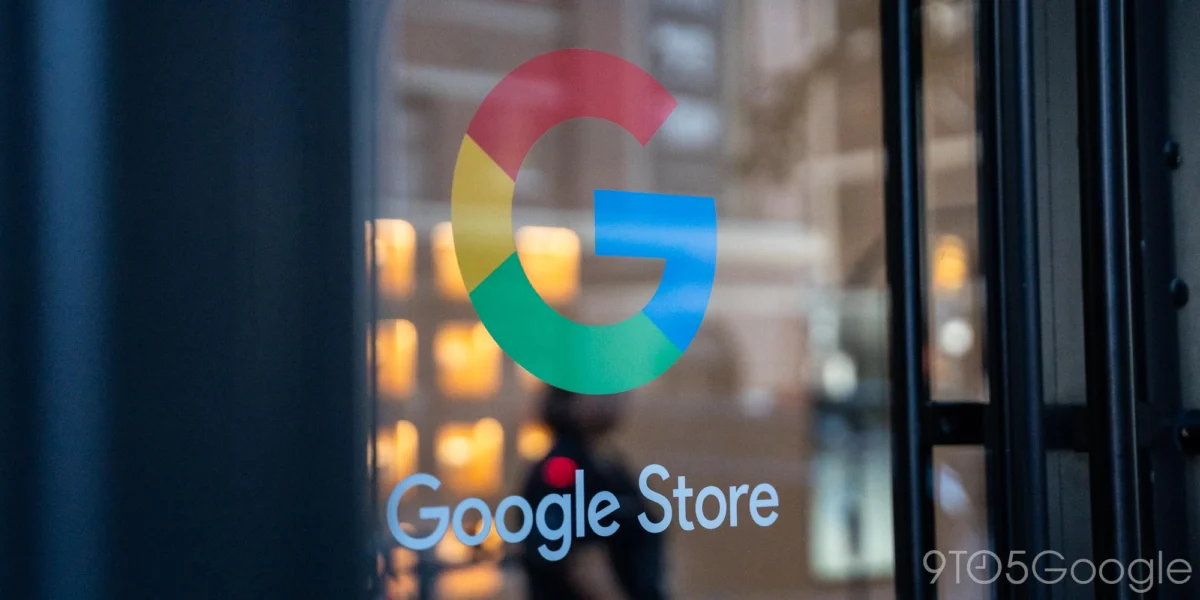
The landscape of physical retail is undergoing a significant transformation, and Google is firmly positioning itself at the center of this evolution with the upcoming launch of its latest brick-and-mortar storefront. On Friday, November 6, the tech giant will officially open the Google Store Houston Galleria, located at 5085 Westheimer Rd, Houston, TX 77056. This launch represents a calculated step in Google’s broader retail strategy, which has seen the company pivot from an online-only distribution model to a multi-channel approach designed to deepen consumer trust and brand affinity.
The Houston location is not merely another point of sale; it serves as a strategic cornerstone in the company’s growing global footprint. As the 11th retail location in the United States and the 12th globally, the facility is situated within The Galleria, an expansive indoor shopping destination that consistently ranks as the largest of its kind in Texas. By planting its flag in one of the most high-traffic shopping centers in the American South, Google is signaling a commitment to providing a hands-on experience for its increasingly complex ecosystem of hardware products.
A Chronology of Google’s Retail Expansion
Google’s journey into physical retail has been deliberate and measured. For years, the company relied almost exclusively on third-party retailers and its own web-based store to move hardware. The shift toward permanent physical locations began in earnest as the company sought to compete more directly with established retail giants like Apple.
The timeline of this expansion reflects a rapid acceleration in recent months. Following successful entries into key markets such as San Diego and an international debut in Tokyo earlier in 2026, the Houston opening demonstrates the company’s confidence in the retail model. The Houston store follows the opening of a previous Texas location in Austin, which debuted in 2025. This progression suggests that Google is prioritizing major metropolitan hubs with high concentrations of tech-savvy consumers, effectively creating regional anchors for its hardware division.
The Retail Experience and Consumer Value Proposition
The Houston Galleria storefront is designed to serve as a comprehensive service hub. The inventory available at this location mirrors the company’s primary hardware lineup, including Pixel smartphones, the Pixel Watch series, premium headphones, and a diverse range of smart home devices, such as Nest security cameras and thermostats. However, the store’s value proposition extends well beyond the point of transaction.
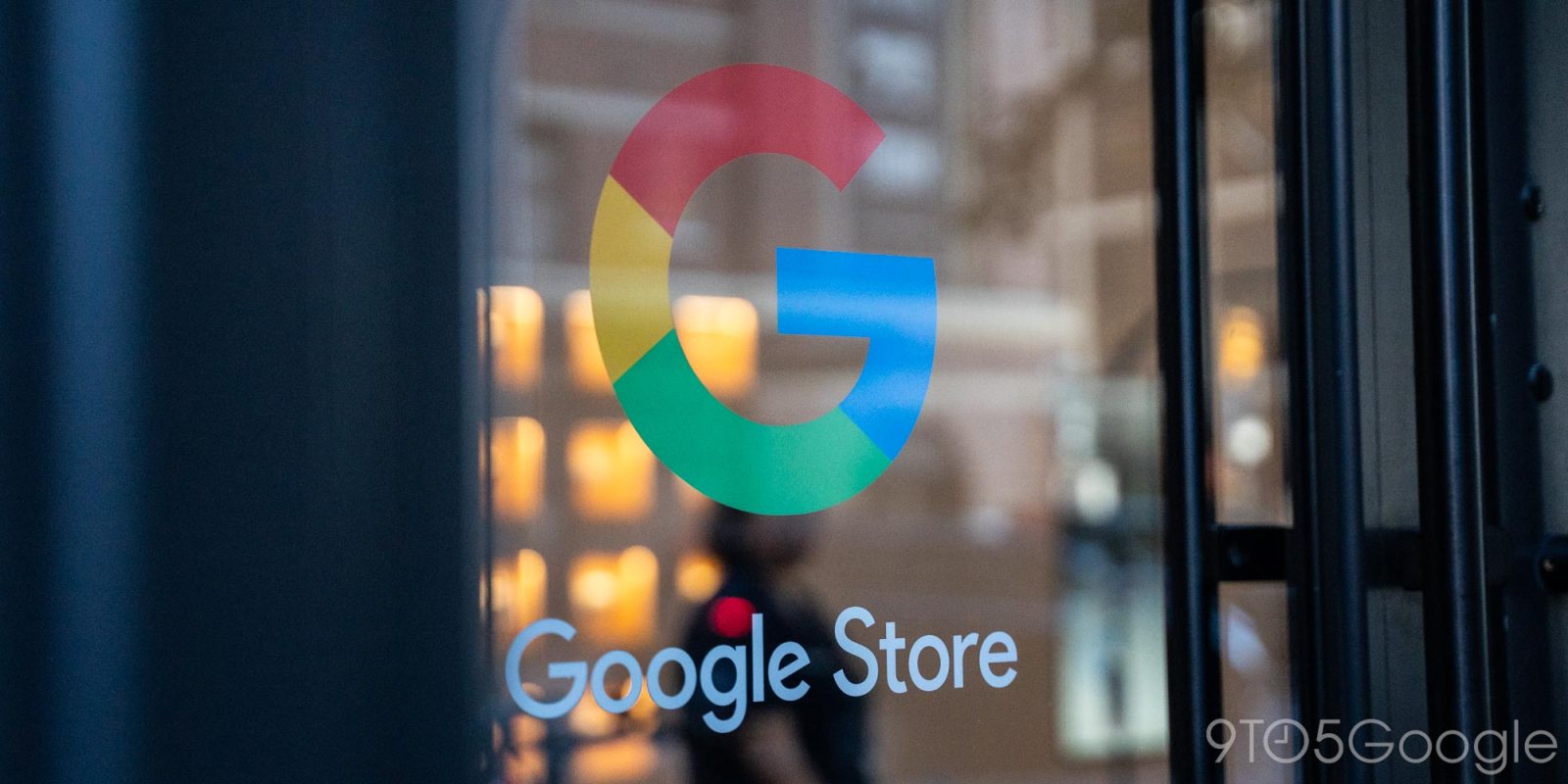
A primary driver for the physical store model is the integration of technical support. The location will offer on-site phone repairs and troubleshooting services, providing customers with a face-to-face resolution for technical issues that might otherwise require mail-in repairs. Furthermore, the store is equipped to handle in-person pickups for online orders, a feature that caters to the modern consumer’s preference for "click-and-collect" convenience. By offering these services, Google aims to reduce the friction inherent in modern tech ownership, fostering long-term loyalty among its user base.
Supporting Data and Market Strategy
Industry analysts have noted that Google’s retail expansion is a response to the "ecosystem lock-in" strategy favored by its primary competitors. According to retail market research, consumers are significantly more likely to purchase high-end electronics if they have had the opportunity to physically interact with the device prior to purchase. The "touch-and-feel" factor remains a major hurdle for direct-to-consumer online brands, and physical showrooms bridge this gap effectively.
Data from the retail sector indicates that electronics stores that offer comprehensive support services—such as repairs and workshops—see a higher "lifetime value" per customer. By hosting on-site events and educational workshops, the Houston Google Store is expected to act as a community hub, further embedding the brand into the daily lives of Houston residents. This strategy also provides the company with valuable, real-time feedback on user behavior, which can be funneled back into product design and marketing teams at the corporate level.
Strategic Implications for the Texas Market
The selection of Houston as the second Texas site is logically sound. As the fourth-most populous city in the United States and a major hub for the energy, healthcare, and technology sectors, Houston provides a robust demographic for high-end consumer electronics. The presence of the store within the Galleria complex—a high-end destination that attracts millions of visitors annually—ensures maximum visibility for the brand.
From a competitive standpoint, this expansion forces a shift in the local retail landscape. With both Google and its competitors maintaining a presence in major shopping malls, the battle for shelf space and consumer attention is intensifying. For Google, the goal is to establish a cohesive brand identity that feels as approachable as it is innovative. By mirroring the service-oriented models of established tech retailers, Google is effectively closing the gap in consumer experience, making its hardware as accessible as its software.
Official Perspectives and Future Outlook
While Google has not released specific internal sales projections for the Houston location, the company’s public statements regarding its retail division consistently emphasize the importance of "human connection." Executives have previously indicated that while online shopping remains the primary channel for volume, the physical store is the primary channel for "brand building."

Retail analysts suggest that the company’s current expansion rate is sustainable, provided that the physical locations remain cost-effective and integrated with their digital infrastructure. The focus on high-traffic, high-visibility locations like the Galleria suggests that Google is not looking to saturate the market with small outlets, but rather to establish a network of "flagship-lite" stores that function as the face of the company.
Broader Impact on the Tech Industry
The success of the Google Store initiative is being closely monitored by the broader technology industry. As more companies transition from pure software or pure online-retail entities to physical service providers, the standard for customer support is rising. The industry is witnessing a shift where hardware is no longer just a commodity but a service-linked experience.
The opening of the Houston store is indicative of a broader trend where major tech companies invest heavily in physical infrastructure to solidify their market share. By providing a venue for customers to learn, troubleshoot, and purchase, Google is ensuring that it remains at the forefront of the consumer electronics market. As the doors open on Westheimer Road this November, the store will serve as a bellwether for the company’s ability to execute its retail vision on a large scale.
Conclusion
The arrival of the Google Store in Houston is a significant milestone for the company’s retail ambitions. By balancing the convenience of online shopping with the tactile and service-oriented benefits of a physical location, Google is crafting a retail environment that resonates with contemporary consumer expectations. As the company continues to refine its store design, service offerings, and location strategy, the Houston Galleria facility will undoubtedly play a critical role in shaping the public’s perception of Google as a comprehensive hardware provider.
As we move into the end of the year, the performance of the Houston location—and the subsequent impact on regional sales—will likely dictate the pace of future store openings across the country. For the residents of Houston, the new storefront represents not just a retail destination, but a new hub for technology support and engagement in one of the most dynamic retail environments in the United States. Through this continued investment, Google is making it clear that its future is just as much about the physical world as it is about the digital one.