Maintaining a healthy, vibrant lawn begins with the equipment used to manage it, and perhaps no component is as critical—or as frequently overlooked—as the lawn mower blade. Over time, the constant impact with grass, weeds, and occasional debris inevitably dulls the cutting edge. A dull blade does not slice through grass; instead, it tears the blades, leaving jagged, brown tips that make the lawn susceptible to disease and dehydration. To mitigate these issues, regular sharpening is a necessary maintenance task. Tractor Supply Co. provides a variety of accessible solutions, ranging from manual files to professional-grade bench grinders, allowing homeowners to perform this essential task without the need for costly professional repair services.
The Science of a Sharp Cut
The primary function of a mower blade is to create a clean, precise cut. When a blade is sharp, the grass heals quickly, maintaining a green appearance. Conversely, a dull blade effectively shreds the grass. This damage increases the surface area of the cut, which accelerates moisture loss and provides an entry point for fungal pathogens. According to turf management experts, mowers should generally be sharpened after every 20 to 25 hours of use, or more frequently if the mower is used on sandy soil or rocky terrain.
For the average homeowner, the process of removing, sharpening, and rebalancing a blade is an achievable weekend project. By utilizing tools readily available at retail chains like Tractor Supply, consumers can extend the lifespan of both their lawns and their mowing equipment.
Manual Sharpening Solutions
For those who prefer a tactile, low-tech approach, manual sharpening is a cost-effective method that offers significant control. The Prime 8-inch Flat File, available at Tractor Supply, is a staple for this purpose. Unlike power tools, which can quickly remove too much metal if not handled with precision, a flat file allows the user to monitor the material removal process closely.
To use a file effectively, the blade must be securely clamped to a workbench. The file should be applied at the same angle as the original bevel of the blade—typically around 30 to 45 degrees. Using steady, firm strokes, the user should push the file along the edge in a consistent direction. It is important to avoid a "sawing" back-and-forth motion, as this can damage the teeth of the file and create an uneven edge. The goal is to remove nicks and restore a clean, consistent bevel across the entire length of the cutting surface.
Power Tools for Efficiency and Precision
For users maintaining larger properties or those who find manual labor too time-consuming, power-assisted sharpening is the preferred path. Tractor Supply offers several options that integrate with common household tools, such as the Arnold Lawn Mower Blade Sharpener/Balancer Kit. This kit is designed to be used in conjunction with a standard 1/4-inch or 3/8-inch power drill. By attaching a specialized grinding stone to the drill, the user can achieve a factory-like edge with significantly less physical effort.
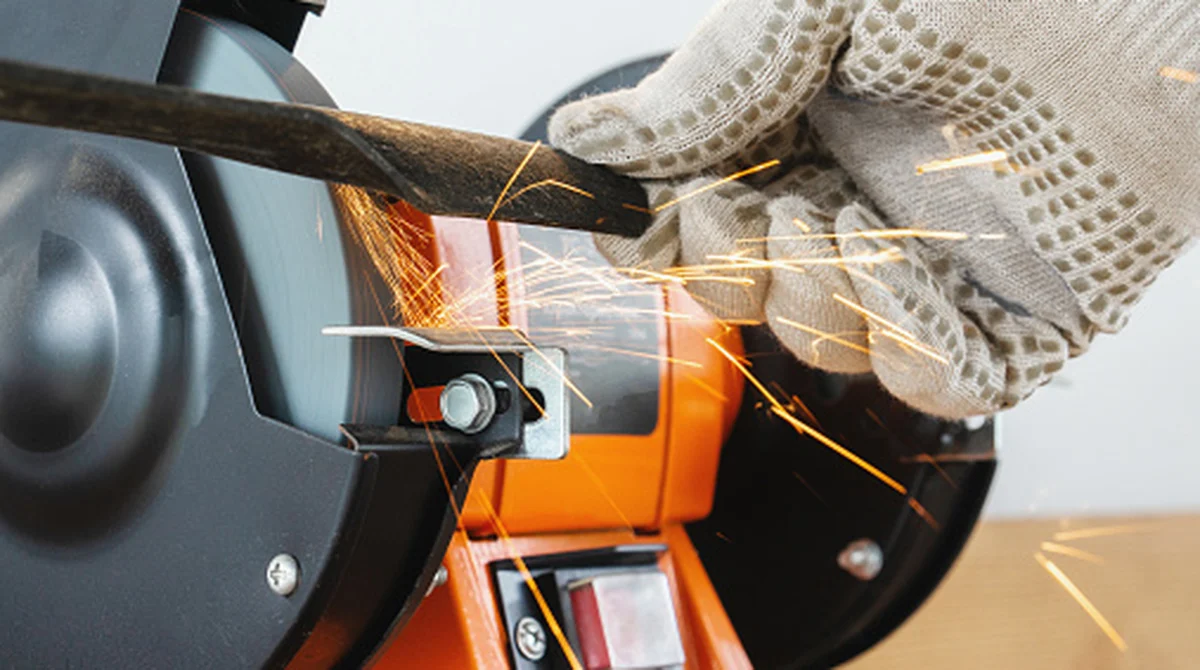
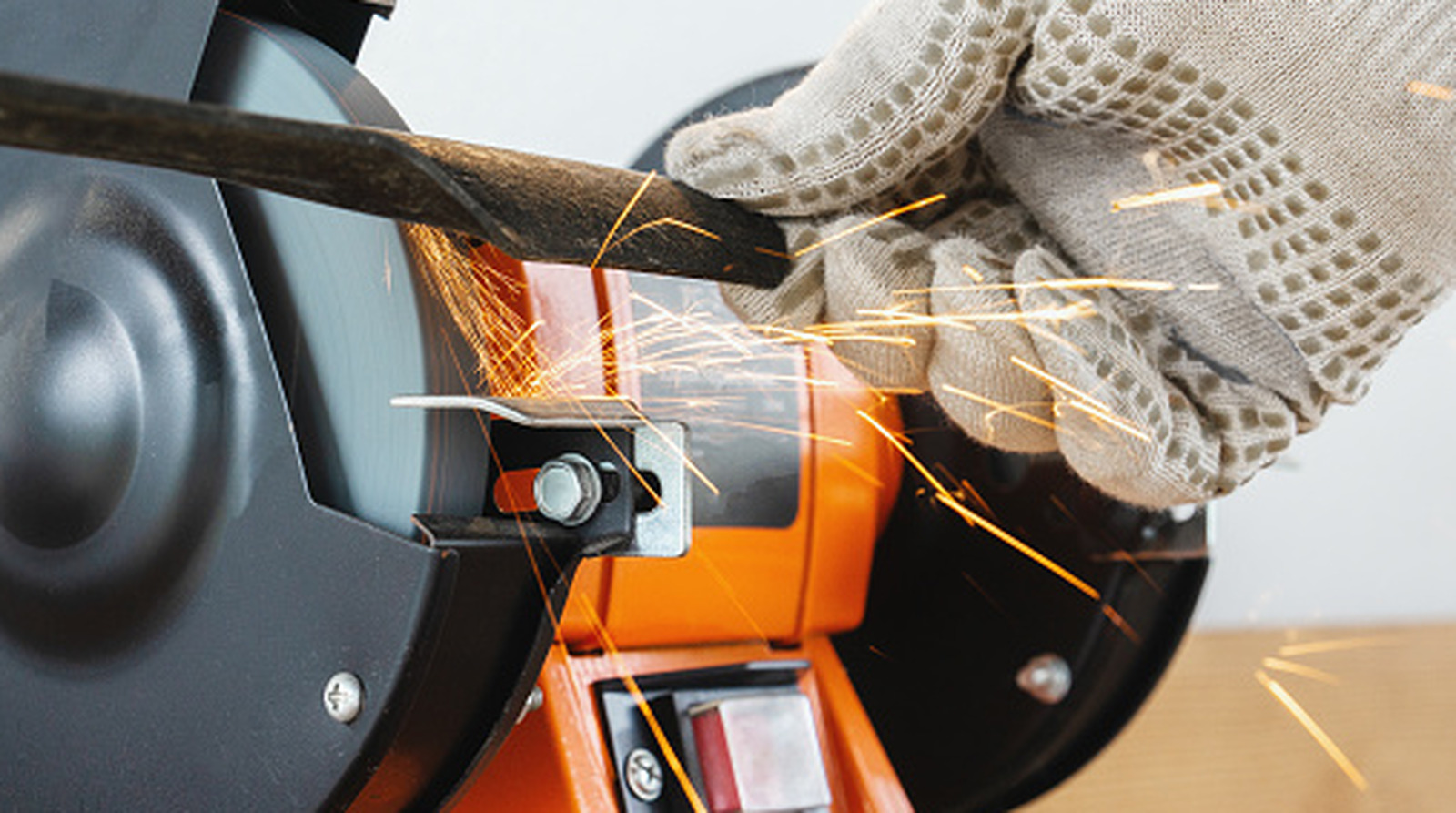
For a more permanent workshop solution, the DeWalt 6-inch Bench Grinder stands as a robust choice. Equipped with a 1/2-inch induction motor capable of reaching 3,450 RPM, this tool is designed for heavy-duty material removal. While powerful, the bench grinder requires a higher degree of caution. The high speed of the grit wheels means that a mistake can result in the rapid removal of excess metal, which can compromise the structural integrity of the blade. Adjustable tool rests provide a steady surface to support the blade, ensuring that the angle of the bevel remains uniform throughout the sharpening process.
The Critical Importance of Blade Balancing
Perhaps the most overlooked step in the sharpening process is the act of rebalancing. Once a blade has been sharpened, it is rarely perfectly weighted on both sides. A blade that is heavier on one end will cause the mower to vibrate violently while in operation.
"The long-term impact of operating a mower with an unbalanced blade cannot be overstated," says one industry maintenance technician. "Excessive vibration puts undue stress on the mower’s crankshaft, bearings, and deck housing. Over a single season, this can lead to catastrophic engine failure or damage to the blade spindle."
To check for balance, the center hole of the blade should be placed over a tapered balancer or a simple nail driven into a wall. The blade should sit perfectly horizontal. If one side drops, the user must remove a small amount of metal from the heavier side—not the sharp side—until the blade sits level. This simple verification step is the difference between a long-lasting mower and a costly repair bill.
Safety Protocols and Best Practices
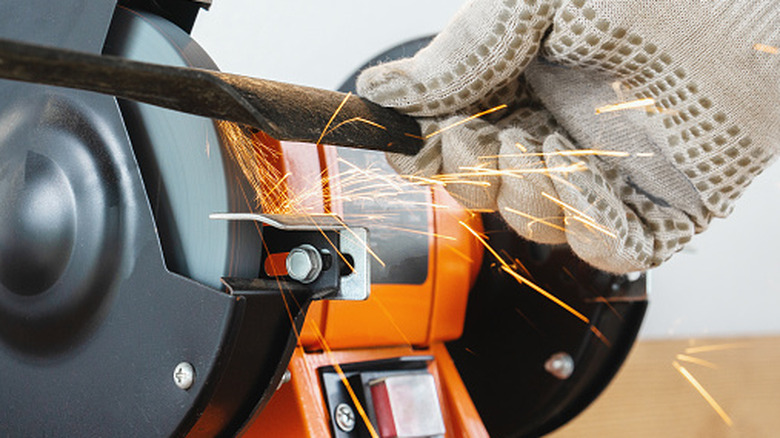
Regardless of the method chosen, safety must remain the primary concern. Sharpening involves metal-on-metal contact that produces sparks, heat, and metal shavings. The following safety measures are standard industry recommendations:
- Eye Protection: ANSI-rated safety goggles should be worn at all times to prevent metal filings or debris from entering the eyes.
- Hand Protection: Durable work gloves are essential when handling removed blades, which are often coated in dried grass, dirt, and potentially sharp burrs.
- De-energizing the Mower: Before removing any blade, the spark plug wire must be disconnected from the engine. This prevents the mower from accidentally starting while the blade is being handled.
- Controlled Environment: All sharpening should occur in a well-ventilated area, away from flammable materials, especially when using high-speed grinding tools.
Economic and Environmental Implications
The practice of sharpening mower blades is not merely a matter of convenience; it is a fundamental aspect of sustainable lawn care. An efficient mower consumes less fuel and puts less strain on the engine, leading to a smaller carbon footprint over the lifetime of the machine. Furthermore, by maintaining a healthy lawn through better cutting, homeowners may find they need fewer chemical fertilizers and pesticides, as a healthy turf density naturally chokes out weeds.
Tractor Supply’s inventory reflects a broader shift toward "do-it-yourself" home maintenance. By providing accessible, specialized tools like the GardenSharp Lawn and Garden Tool Sharpener—which utilizes tungsten carbide for rapid edge restoration—the retailer lowers the barrier to entry for novice gardeners.
Future Trends in Blade Maintenance
As battery-powered electric mowers become more prevalent, the maintenance requirements for lawn equipment are shifting. While electric mowers require less engine maintenance, the need for sharp, balanced blades remains identical to gas-powered models. Manufacturers are increasingly designing blades that are easier to remove and replace, acknowledging that the average consumer is more likely to engage in maintenance if the process is intuitive.
In the coming years, we may see an increase in modular sharpening systems that further automate the balancing process. However, for the present, the combination of traditional manual tools and high-torque bench grinders remains the gold standard. Whether using a simple file to touch up an edge or a full bench grinder for a seasonal overhaul, the tools available at Tractor Supply offer the necessary means to ensure that lawn care remains an effective, safe, and rewarding endeavor.
By adhering to a consistent maintenance schedule, owners can ensure their equipment performs at its peak. A sharp blade is the unsung hero of a beautiful landscape, and with the right resources, the process of achieving that cut is well within the reach of the average homeowner.