The landscape of artificial intelligence media creation has undergone a profound transformation over recent years, moving from rudimentary text prompts to sophisticated video art, hyper-realistic photography, and complex graphical assets. Once widely recognized as a pioneering peer-to-peer file-sharing network of the early 2000s, LimeWire has successfully reinvented itself as a modern AI-driven content publishing and creation ecosystem. Continuing this strategic evolution, the company has officially announced the launch of its new Developer API, a robust toolkit designed to allow software engineers, developers, and digital publishers to integrate dynamic, on-the-fly artificial intelligence image generation and enhancement directly into their own platforms and applications.
The newly released API opens up direct programmatic access to LimeWire’s generative models. By utilizing standard HTTP requests authenticated via Bearer tokens, developers can seamlessly incorporate capabilities such as text-to-image generation and image upscaling into custom workflows. According to technical documentation provided by the company, generating an image requires a straightforward POST request to the LimeWire API endpoint, specifying parameters such as the textual prompt and desired aspect ratio. Similarly, the platform supports programmatic image enhancement, enabling systems to take an existing image asset identifier and execute upscaling operations up to a factor of four with minimal latency.
This technical milestone represents a significant shift in how digital media can be produced and managed across the web. For years, content creators, independent bloggers, and enterprise publishers have relied on traditional stock photography websites, search engine queries, or manual graphic design pipelines to source visual media. These conventional methods frequently present bottlenecks, including licensing constraints, recurring subscription fees, and the challenge of finding imagery that precisely matches nuanced textual content. The introduction of programmatic AI generation introduces an automated alternative, where publishing systems can theoretically parse written articles, extract core keywords or themes, and autonomously generate bespoke, contextually relevant illustrations in real time.
Background and Strategic Evolution of the LimeWire Brand
To understand the significance of LimeWire’s latest developer-centric offering, it is necessary to examine the brand’s unique trajectory. Founded in 2000, the original LimeWire software became a ubiquitous cultural phenomenon during the peak era of peer-to-peer digital music distribution. However, legal challenges related to copyright infringement eventually forced the platform to shut down its core service in 2010.
More than a decade later, in 2022, a new ownership group acquired the intellectual property rights with the intention of resurrecting the brand as a legitimate, creator-focused digital marketplace. Initially re-emerging as a marketplace for digital collectibles and non-fungible tokens (NFTs), LimeWire quickly pivoted to capitalize on the explosive growth of generative artificial intelligence. By integrating accessible AI creation tools into its web interface, the platform lowered the barrier to entry for everyday users, enabling individuals without formal artistic training to generate complex digital artwork using natural language prompts.
The decision to transition from a consumer-facing web application to offering an enterprise-grade Developer API marks the next logical phase in LimeWire’s commercial strategy. By providing infrastructure to third-party developers, the company is positioning itself not merely as a destination site for creators, but as a foundational utility provider within the broader artificial intelligence software stack.
Technical Architecture and Implementation Details

The newly deployed LimeWire Developer API is engineered to integrate cleanly into modern web development stacks. Built around RESTful principles, the interface accepts standard JSON payloads and returns structured responses containing asset identifiers, status updates, and generated media URLs.
For software engineers looking to implement the technology, the generation endpoint (https://api.limewire.com/api/image/generation) accepts parameters defining the creative scope. Developers can specify precise textual descriptions—such as a detailed scene depicting a fictional character or landscape—alongside dimensional formatting choices like square, portrait, or widescreen aspect ratios.
In addition to creation from scratch, the upscaling endpoint (https://api.limewire.com/api/image/upscaling) addresses a common limitation of early-generation AI models: resolution quality. By passing an existing image asset identifier along with an upscale factor parameter, developers can programmatically enhance lower-resolution drafts into crisp, high-definition outputs suitable for professional publication, print layouts, or high-density display screens.
Industry Context and the Rise of Generative AI APIs
LimeWire enters a competitive marketplace for generative AI infrastructure. Over the past twenty-four months, major technology firms and specialized AI startups have raced to release robust application programming interfaces that allow developers to embed machine learning models into software products. Companies such as OpenAI, Stability AI, and Midjourney have established thriving ecosystems of third-party integrations, ranging from mobile productivity apps to enterprise marketing automation platforms.
Despite the crowded market, industry analysts note that developer-friendly documentation, predictable pricing models, and specific niche features—such as integrated upscaling pipelines—remain critical differentiators. By offering a streamlined API that focuses specifically on rapid image generation and enhancement, LimeWire aims to attract developers seeking lightweight, specialized integrations rather than monolithic, multi-modal systems.
Potential Use Cases and Practical Applications
The real-world implications of integrating generative AI directly into publishing and development pipelines are extensive. Several key sectors stand to benefit immediately from programmatic access to AI image creation tools:
-
Digital Publishing and Content Management Systems (CMS)
Independent bloggers, news outlets, and corporate content teams frequently spend hours sourcing appropriate header images or editorial illustrations. With an API integration, a content management system could automatically analyze a drafted article, formulate an optimized prompt based on the text, and generate a custom featured image before the post is published. This reduces administrative overhead and ensures complete visual originality.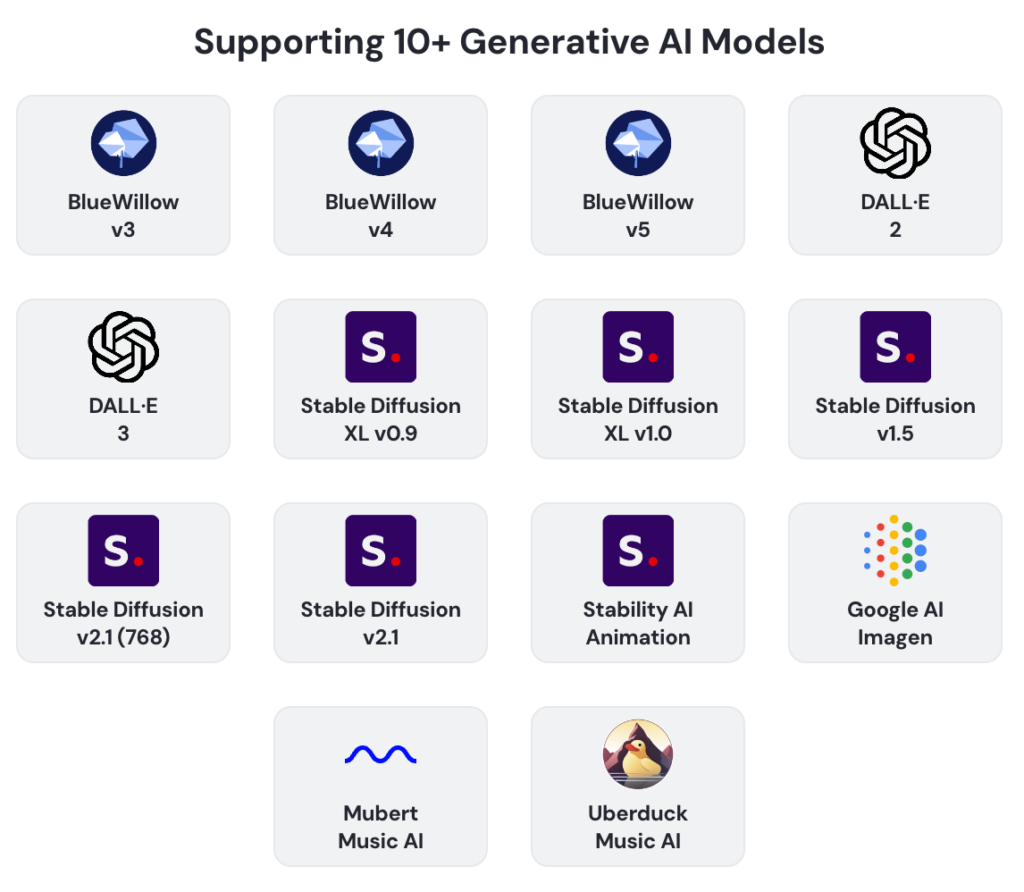
-
E-Commerce and Product Customization
E-commerce platforms can utilize upscaling and generation APIs to dynamically produce marketing banners, promotional graphics, or personalized product mockups based on user preferences and search behavior. -
Gaming and Interactive Media
Independent game developers and interactive fiction authors can leverage on-the-fly generation to create dynamic in-game assets, character portraits, or environmental backdrops tailored to a player’s unique progression through a storyline, enhancing immersion without requiring massive pre-rendered asset libraries. -
Social Media Management Tools
Social media scheduling and management applications can incorporate AI art generation directly into their composition interfaces, allowing community managers to create custom visual content without switching between multiple browser tabs or standalone applications.
Economic and Workflow Implications for Creators
The widespread adoption of generative AI APIs also brings important economic and professional considerations for digital creators, graphic designers, and illustrators. While automated image generation offers unprecedented speed and cost efficiency for routine tasks, it simultaneously prompts ongoing discussions regarding copyright standards, attribution, and the changing nature of creative labor.
Proponents of generative tools argue that APIs like LimeWire’s empower authors and small business owners who previously lacked the budget to hire professional illustrators or license premium stock photography. By automating repetitive visual tasks, creators can redirect their time and financial resources toward higher-level strategic work. Conversely, professional artists and legal experts continue to monitor the rapid deployment of generative technologies, emphasizing the need for transparent training data practices, fair compensation models, and clear legal frameworks surrounding AI-generated intellectual property.
Future Outlook for the LimeWire Ecosystem
As LimeWire continues to expand its technological infrastructure, the launch of the Developer API signals a clear commitment to scaling its presence within the B2B and developer communities. By bridging the gap between complex machine learning models and everyday software engineering workflows, the company is attempting to cement its turnaround from a controversial peer-to-peer pioneer into a modern software utility provider.
Industry observers will be watching closely to see how developers adopt the new endpoint, what types of innovative applications emerge from the integration, and how LimeWire scales its server infrastructure to handle the computational demands of real-time, high-volume image generation. For now, the release provides engineers and publishers with a versatile new tool designed to make dynamic visual content creation as simple as executing a standard network request.