The modern consumer landscape is engineered to foster habitual spending, often leading households to accumulate items that provide diminishing returns. An analysis of recurring household expenditures reveals that a significant portion of monthly budgets is absorbed by low-cost, high-frequency purchases that are frequently driven by marketing cycles rather than genuine utility. By examining the lifecycle of common goods, from kitchen disposables to major appliances, it becomes evident that shifting from a reactive purchasing model to an intentional, maintenance-focused approach can result in substantial long-term savings.
The Economics of Habitual Consumption
Consumer research indicates that the average household loses thousands of dollars annually to "micro-leaks"—small, recurring expenses that do not register as significant individual costs but aggregate into substantial financial burdens over a fiscal year. Behavioral economists note that the "checkout impulse" is a primary driver for these expenditures. Retail environments are strategically designed to place low-cost, disposable items near points of sale to capitalize on the psychological phenomenon of the "end-of-trip reward," where shoppers feel justified in adding small items to their carts after completing a larger purchase.
Data from recent retail trend reports suggest that items such as single-use cleaning supplies, specialized kitchen gadgets, and seasonal decor are among the most frequent targets of this phenomenon. The following analysis categorizes these items into three tiers: high-frequency disposables, maintenance-avoidance items, and lifestyle-driven luxury goods.
Tier 1: High-Frequency Disposables and Recurring Costs
The most immediate impact on a household budget comes from replacing consumables that are discarded long before their functional end-of-life.
Kitchen Sponges and Cleaning Textiles
Industry standards suggest that a kitchen sponge, if properly sanitized and dried, can last significantly longer than the average consumer’s weekly replacement cycle. By transitioning to a bi-monthly replacement schedule and utilizing machine-washable cotton cloths for general spills, a household can reduce its annual cleaning supply expenditure by approximately 60 to 70 percent.
The Bottled Water Premium
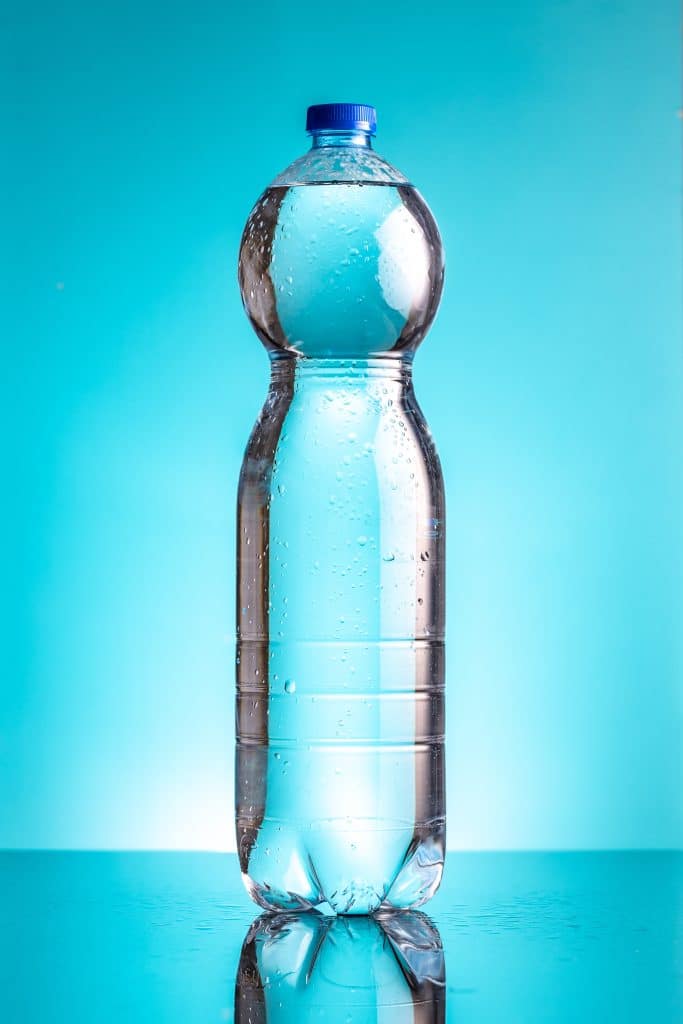
The purchase of bottled water by the case remains one of the most inefficient allocations of household capital. Economic analysis confirms that the cost-per-ounce of bottled water, when compared to municipal tap water filtered through a high-quality residential system, is exponentially higher. For a four-person household, the transition to reusable filtration systems typically results in a "break-even" point within 45 to 60 days, followed by continuous monthly savings.
Paper Products and Waste Management
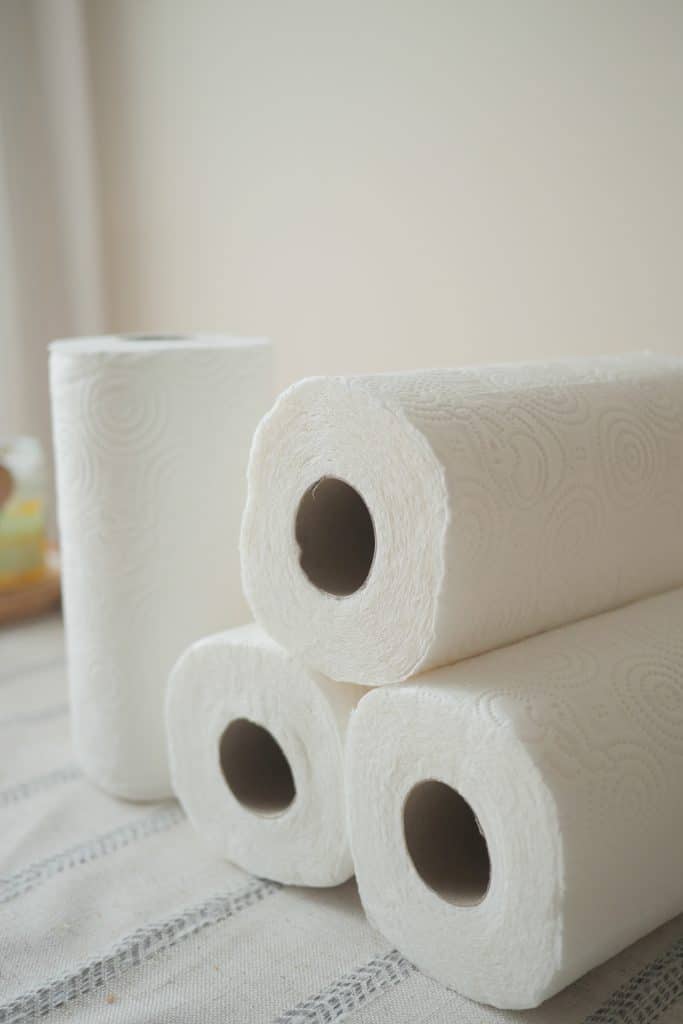
Disposable paper towels and small-format trash bags represent a "convenience tax." Bulk purchasing of larger trash bag rolls—which often carry a lower price-per-unit ratio—and the integration of reusable kitchen towels can reduce these line items by significant margins. Financial planners suggest that the convenience premium attached to pre-packaged, small-box items often exceeds the actual value of the time saved by the consumer.
Tier 2: The Maintenance and Repair Imperative
A recurring theme in household financial leakage is the tendency to replace rather than repair. This behavior is often influenced by aggressive marketing from manufacturers that promote the "latest model" or the "newest version" as a necessity.

Appliances and the "Repair-or-Replace" Paradox
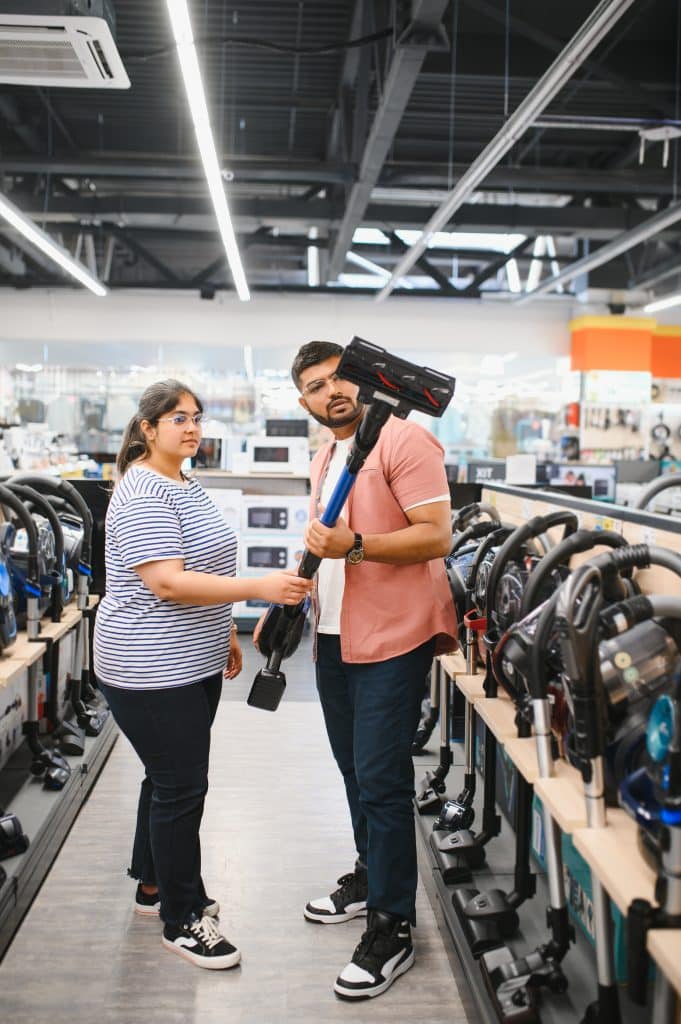
Research into small appliance longevity shows that consumers often discard devices—such as coffee makers or vacuums—at the first sign of reduced performance. In 85 percent of cases, reduced vacuum suction is attributed to clogged filters, tangled brush rolls, or improper canister maintenance rather than motor failure. By performing routine maintenance, consumers can extend the lifespan of these appliances by three to five years, effectively deferring a capital expenditure of several hundred dollars.
The Nonstick Pan Lifecycle
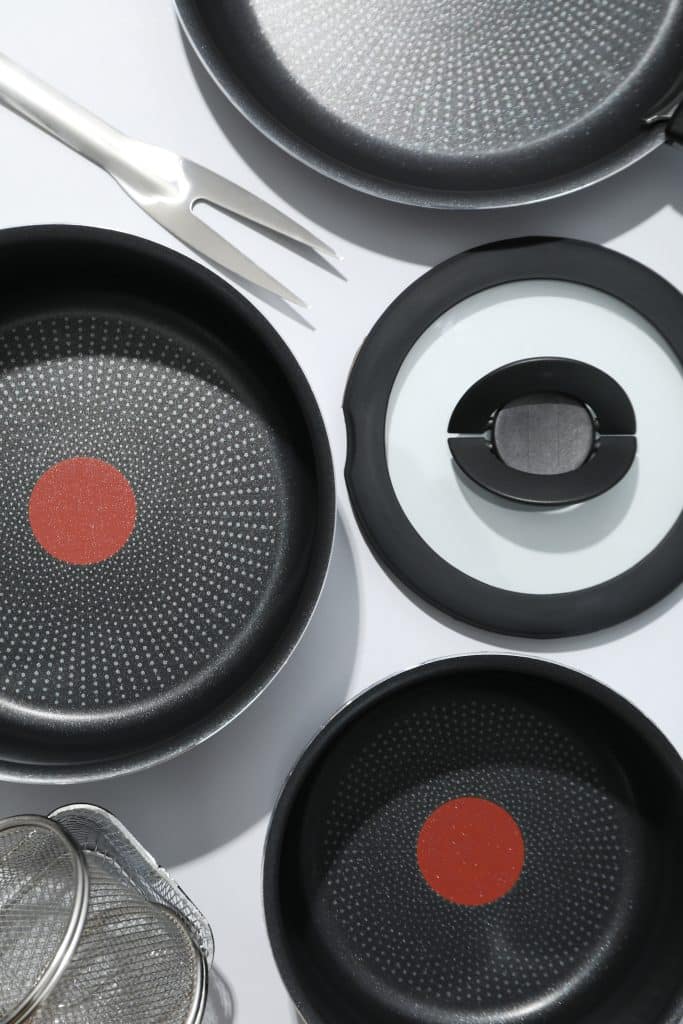
Cheap nonstick cookware is frequently marketed as a semi-disposable item. However, data on cookware durability indicates that mid-tier, hard-anodized aluminum or stainless steel pans, when handled with appropriate heat management and non-metal utensils, can outlast their low-cost counterparts by a factor of five. The initial price premium for a higher-quality pan is offset by the reduction in replacement frequency within two years.
Tier 3: Strategic Purchasing and Asset Management
Beyond daily consumables, large-scale household purchases often suffer from poor timing and an absence of long-term planning.
Furniture and Seasonal Pricing
Furniture retailers operate on a strict seasonal cycle, with inventory liquidations typically aligned with national holiday weekends. Data shows that consumers who purchase furniture on an "as-needed" basis pay, on average, 20 to 30 percent more than those who align their purchases with cyclical sales events or source high-quality pre-owned items.
The Fallacy of "Investment" Collectibles
A recurring financial pitfall is the acquisition of mass-produced collectibles marketed as "future assets." Market analysis of figurines, limited-edition plates, and commemorative items demonstrates that these goods rarely appreciate in value. Because these items are manufactured in high volumes to meet demand, the secondary market is typically saturated, leading to a depreciation in value immediately upon purchase.

Data-Driven Financial Implications
To understand the scope of these savings, consider the compounding effect of these habits:
- Retail Markups: Generic or store-brand alternatives for common household chemicals and pantry staples consistently perform at parity with name brands in third-party laboratory testing. By defaulting to generics, households can reduce grocery bills by an estimated 15 to 25 percent annually.
- Warranty Costs: Extended warranties on small appliances are rarely utilized, as the probability of failure within the extended window—but outside the manufacturer’s original warranty—is statistically low. Forgoing these warranties provides an immediate cash-flow benefit.
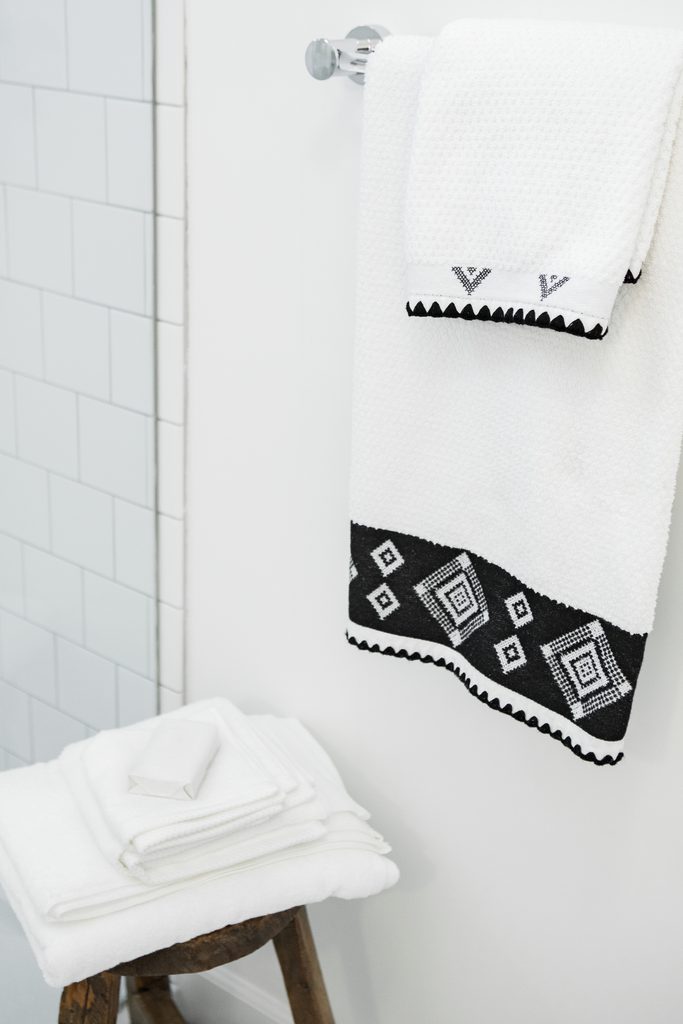
- The "Formal" Inventory Trap: Maintaining separate sets of "formal" linens or dinnerware that are used fewer than five times a year creates an opportunity cost. The capital tied up in these assets, combined with the storage space requirements, represents an inefficient use of household resources.
Expert Perspective and Strategic Shifts
Financial advisors frequently emphasize that the goal of these adjustments is not to promote austerity, but to foster "intentional spending." By categorizing purchases into "essential recurring needs" versus "impulse-driven wants," households can reclaim control over their liquid assets.
The consensus among consumer advocates is that the transition to a more sustainable purchasing model requires a shift in mindset:
- Audit the Drawer: Identify items purchased more than three times in the last year that are currently unused.
- Verify Before Buying: Prior to any non-essential purchase over $50, institute a 48-hour "cooling-off period" to determine if the item is a genuine need.
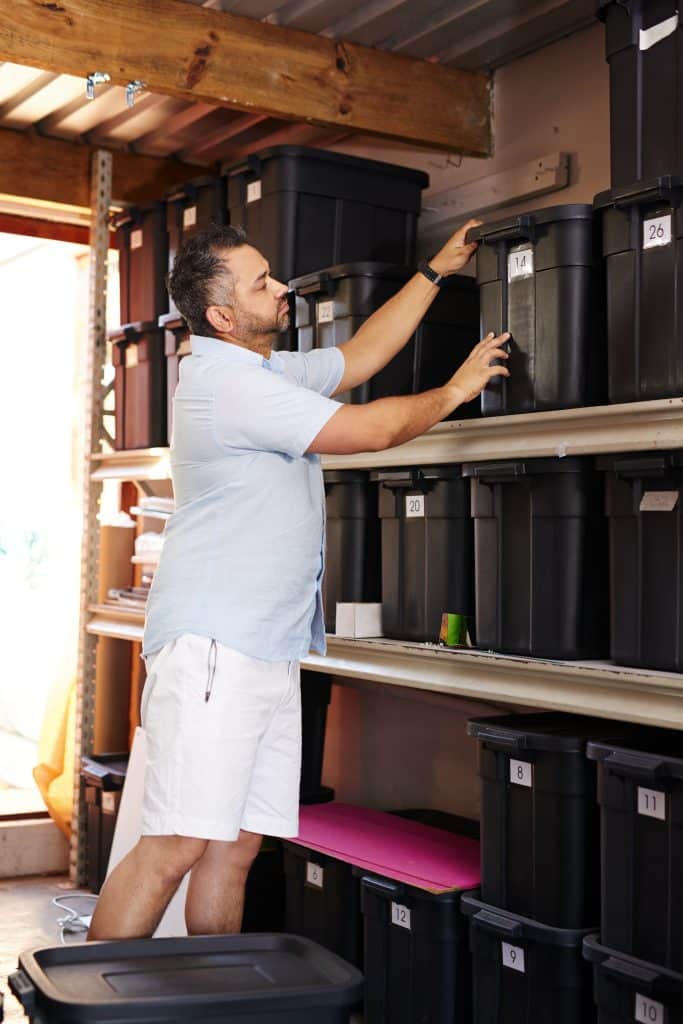
- Prioritize Maintenance: Allocate a specific time each month for the inspection and maintenance of existing tools, appliances, and home infrastructure.
Conclusion
The path to improved household financial health is rarely found in drastic, short-term budget cuts, but rather in the consistent elimination of unnecessary, repetitive, and impulsive expenditures. By scrutinizing the small-dollar transactions that have become normalized, and by prioritizing the repair and maintenance of durable goods, individuals can significantly increase their discretionary income. As economic conditions continue to fluctuate, the ability to distinguish between essential consumption and marketing-led habit will remain a critical component of personal financial stability.