
The digital landscape has undergone a significant transformation, with niche-focused content creation emerging as a viable entrepreneurial pursuit. Among the most resilient and profitable sectors is the pet care industry, a multi-billion-dollar market that continues to see year-over-year growth. For content creators, establishing a pet blog serves as both a passion project and a sophisticated business model, provided it is underpinned by strategic planning, data-driven content, and a clear monetization framework.

The expansion of the pet industry is largely attributed to the "humanization" of pets. Recent data from the American Pet Products Association (APPA) confirms that approximately 67% of United States households own at least one pet, representing nearly 87 million homes. This demographic shift has created a massive demand for high-quality, reliable, and expert-vetted information regarding animal nutrition, behavioral training, and holistic health.
Strategic Foundation: Selecting a Viable Niche
The initial phase of launching a pet blog requires a departure from broad, generalized topics. The principle that "the riches are in the niches" remains highly relevant in the current SEO-saturated environment. By narrowing the scope—such as focusing exclusively on senior dog care, feline enrichment for urban apartments, or specialized training for specific working breeds—bloggers can establish themselves as authoritative voices.

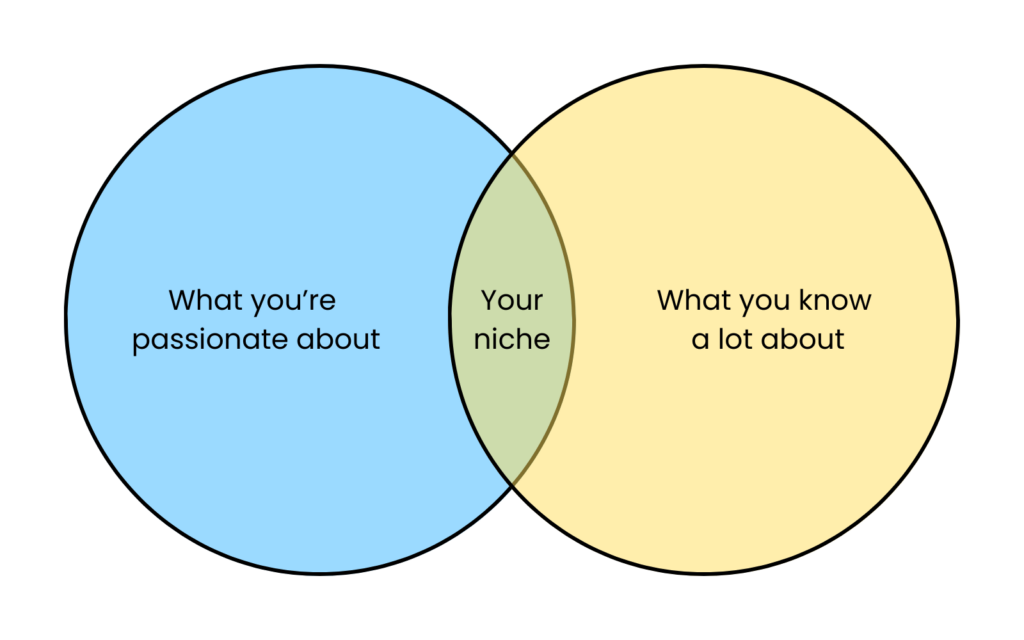
The process of niche selection should be guided by a Venn diagram of personal expertise and market demand. Conducting keyword research through tools like Google Trends or Ahrefs allows prospective bloggers to identify gaps in existing content. For instance, while general "dog training" is a highly competitive search term, "positive reinforcement techniques for reactive rescue dogs" offers a specific, high-intent audience that is more likely to engage with affiliate products and specialized resources.
Infrastructure and Platform Architecture
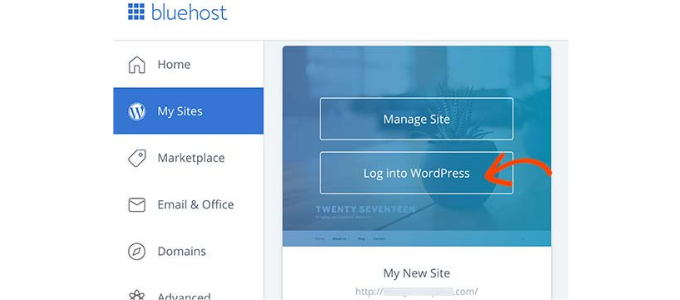
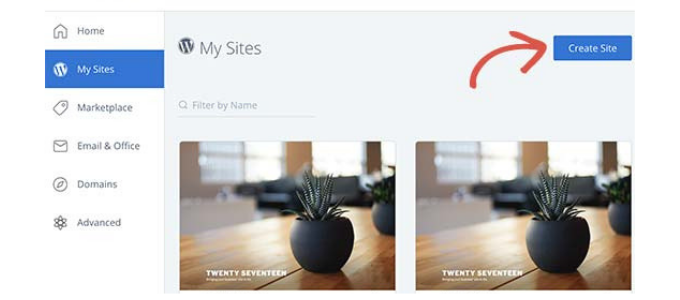
Transitioning from a hobbyist blog to a professional media platform necessitates a robust technical foundation. Industry standards dictate the use of self-hosted WordPress.org, which offers the necessary flexibility for scaling. The choice of a hosting provider is critical; performance metrics indicate that site load speeds under three seconds are essential for both user retention and search engine rankings.
Securing a professional domain name—ideally a .com suffix—is the first step toward building brand credibility. Statistics suggest that over 70% of web users exhibit skepticism toward unconventional or "niche" domain extensions. Once hosted, optimizing the site for search engines via tools like All in One SEO (AIOSEO) ensures that content remains discoverable. This technical optimization includes the implementation of schema markup, meta-tag management, and the use of content delivery networks (CDNs) to reduce latency for global audiences.
Content Strategy and Editorial Cadence
The lifecycle of a successful pet blog is sustained by a rigorous editorial calendar. Content production should balance evergreen articles—such as "Comprehensive Guides to Puppy Nutrition"—with trending, high-engagement content like video tutorials or seasonal care tips.

Data from social media analytics platforms indicate that video content, particularly short-form tutorials on pet behavior, generates higher engagement rates than text-only posts. Integrating high-quality visuals, such as photo galleries or embedded video demonstrations, serves to increase the "time-on-page" metric, which is a key indicator for search engine algorithms. Consistency is the primary driver of growth; maintaining a cadence of at least one high-quality, long-form post per week helps signal to search engines that the site is an active, reliable resource.
Monetization Models and Revenue Diversification
The professionalization of pet blogging has introduced multiple, simultaneous revenue streams. A diversified portfolio is essential for financial stability, as reliance on a single source of income—such as display advertising—can be volatile.

- Affiliate Marketing: This involves partnering with retailers like Amazon Associates or Chewy. By recommending products based on genuine user experience, bloggers earn commissions on sales. Affiliate programs for digital products, such as online dog training courses, often yield the highest return on investment, sometimes exceeding 50% commission rates due to lower overhead costs for the creators.
- Display Advertising: Networks like Mediavine or Ezoic provide passive income based on traffic volume. However, bloggers must monitor the impact of ads on user experience, as excessive advertising can lead to higher bounce rates and decreased affiliate conversion.
- Sponsored Content: As a blog gains domain authority, pet product manufacturers may offer compensation for reviews or brand collaborations. Transparency is paramount here; ethical disclosure of paid partnerships is a regulatory requirement and essential for maintaining reader trust.
- Proprietary Products: The most successful blogs often transition into e-commerce, selling branded digital products such as e-books, training planners, or curated merchandise. This strategy builds brand equity and removes dependency on third-party affiliate programs.
Community Engagement and Audience Retention
A blog’s value is directly proportional to the strength of its community. Establishing a presence on social platforms, particularly through niche-specific Facebook groups or Reddit communities, allows for real-time interaction with readers.
Professional bloggers prioritize "community management" by responding to comments, hosting Q&A sessions, and soliciting user-generated content. When readers feel their experiences are valued—such as sharing photos of their pets or asking for specific advice—they are significantly more likely to return to the site and recommend it to others. This organic growth acts as a powerful amplifier for search engine visibility.

Industry Implications and Future Trends
The future of pet blogging is intrinsically linked to technological integration. We are witnessing an influx of AI-driven analytics, which allow bloggers to predict content trends and personalize user experiences based on individual pet data. Furthermore, the rising popularity of wearable technology for pets—such as GPS trackers and activity monitors—presents a new frontier for bloggers to review and demonstrate high-tech solutions.
Another notable shift is the growing emphasis on sustainability. As pet owners become increasingly eco-conscious, there is a burgeoning market for blogs that focus on "green" pet products and sustainable pet care practices. Bloggers who pivot to address these values early will likely secure a competitive advantage in the coming years.
Case Studies in Success
The efficacy of these strategies is evidenced by platforms like Puppy In Training and Adventure Cats. These entities succeeded by rejecting the "one-size-fits-all" approach. Colby Morita of Puppy In Training leveraged his expertise in service dog training to create a highly specific, value-driven resource. Similarly, Adventure Cats identified an underserved segment of the market—cat owners interested in outdoor recreation—and fulfilled that need with specialized guides and community-building initiatives.
These examples underscore a fundamental truth: the digital pet care space is not yet saturated for creators who provide high-utility, expert-level content. While the technical barrier to entry is low, the barrier to authority is high. Success requires a commitment to professional standards, a focus on the specific needs of the reader, and the agility to adapt to a rapidly evolving digital marketplace.
As the pet industry continues to integrate with the digital economy, the role of the pet blogger will evolve from simple content provider to trusted advisor. For those willing to invest the time in building an audience, optimizing their technical infrastructure, and diversifying their revenue streams, the pet blogging niche remains one of the most promising avenues for long-term digital entrepreneurship. By maintaining a balance between passion and professional rigor, creators can build an asset that serves both the animal community and their own financial objectives.