
The landscape of digital content monetization has shifted significantly over the past decade, with affiliate marketing emerging as a cornerstone of sustainable revenue for professional bloggers and publishers. As creators transition from casual hobbyists to operators of high-traffic content hubs, the manual management of tracking URLs—often referred to as "ugly" links—becomes a logistical bottleneck. The adoption of specialized WordPress affiliate plugins has become the industry standard for maintaining site health, ensuring regulatory compliance, and maximizing conversion data.

The Evolution of Affiliate Link Management
In the early stages of a blog’s lifecycle, creators typically copy and paste raw tracking URLs directly from affiliate networks into their posts. While functional for a portfolio of fewer than ten links, this method presents significant risks as content archives grow. Link rot—the phenomenon where destination URLs change or affiliate programs are shuttered—can leave a site littered with broken links, resulting in lost revenue and a negative user experience.
By 2024, the professional standard has shifted toward centralized link management systems. These plugins allow publishers to update a destination URL in a single dashboard, which then propagates the change across every post on the site automatically. Furthermore, these tools allow for "link cloaking," where a long, complex tracking string is converted into a clean, branded URL such as "yourdomain.com/recommends/product-name," which is generally viewed as more trustworthy by end-users.

Taxonomy of Affiliate Tools
Market analysis reveals that affiliate plugins typically fall into two distinct functional categories: "Affiliate Marketer" tools and "Merchant Program" tools.
The former group, including industry leaders like PrettyLinks and ThirstyAffiliates, is designed for publishers promoting third-party products. These tools prioritize click-through rate (CTR) tracking, A/B testing, and automated keyword linking. The latter group, such as AffiliateWP, is designed for site owners who sell their own products and wish to recruit an external sales force. These plugins handle affiliate registration, commission distribution, and fraud prevention, effectively turning a WordPress site into a self-contained affiliate network.

Strategic Data and Performance Metrics
The shift toward performance-based content requires precise analytical tracking. Data from industry reports suggests that "outbound link tracking"—the ability to monitor exactly which links a user clicks before leaving a site—is a primary driver of revenue optimization.
When publishers utilize tools like MonsterInsights in conjunction with link managers, they gain the ability to map affiliate performance to specific content assets. For instance, a technical analysis might reveal that a single "best-of" review post contributes 40% of a site’s total affiliate commissions. Armed with this intelligence, publishers can reallocate their content creation resources to scale high-performing topics rather than relying on guesswork.

Market Leaders: A Comparative Overview
1. PrettyLinks
Regarded as the gold standard for all-in-one link management, PrettyLinks provides a robust interface for link cloaking and advanced tracking. Its standout feature is its A/B split-testing capability, which allows marketers to test two different affiliate offers against each other to see which yields a higher conversion rate.
2. ThirstyAffiliates
ThirstyAffiliates has secured a significant market share by offering a highly functional free tier. It is particularly favored by Amazon Associates due to its API integration, which allows users to search and import product data directly from the Amazon catalog without manually formatting links.

3. AffiliateWP
For businesses managing their own products, AffiliateWP serves as the infrastructure for recruitment and payouts. Its integration with WooCommerce and MemberPress allows for seamless tracking of sales through unique affiliate coupons, even when customers do not click a tracking link, which is a critical feature for social media and podcast-based promotion.
4. Lasso
Lasso represents the modern visual approach to affiliate marketing. Rather than relying on simple text links, Lasso provides pre-built, high-conversion display boxes that include product images, star ratings, and call-to-action buttons. Data suggests that these visual elements significantly increase user engagement compared to standard hyperlinks.
Regulatory and Compliance Considerations
A critical aspect of using affiliate plugins is the enforcement of transparency. The Federal Trade Commission (FTC) in the United States and similar regulatory bodies globally mandate that affiliate relationships be clearly disclosed. Modern plugins have integrated these requirements into their core functionality, allowing users to automatically append "sponsored" or "nofollow" tags to links, ensuring that the site remains compliant with search engine guidelines and consumer protection laws.
Financial Implications of Tool Adoption
While many of these plugins carry annual subscription fees ranging from $50 to $150, the Return on Investment (ROI) is often immediate. By automating the replacement of broken links and identifying underperforming content, these tools save hours of manual administrative work each week.

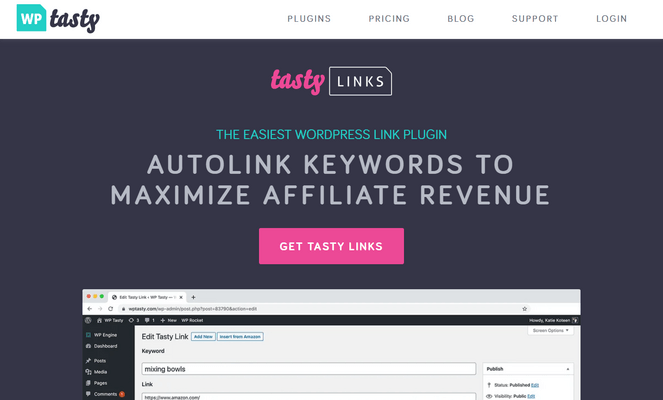
For example, the "auto-link keywords" feature found in plugins like WP Tasty Links allows a creator to designate a specific keyword—such as "web hosting"—and have every past and future mention of that term across thousands of pages automatically converted into an affiliate link. This capability essentially "monetizes the back-catalog," turning years of archived content into a passive revenue stream without the need for manual editing.
Future Outlook and Industry Trends
The affiliate marketing sector is currently navigating the transition away from third-party cookies. As browsers like Google Chrome and Apple Safari tighten privacy regulations, affiliate plugins are moving toward "cookie-free" tracking and server-side attribution. This ensures that even as traditional tracking methods are deprecated, publishers retain the ability to accurately attribute sales to the appropriate affiliate.

Furthermore, the integration of artificial intelligence is beginning to influence how these plugins suggest product placements. Future iterations are expected to offer automated content optimization, where plugins suggest which products to promote based on current market trends and user behavior data gathered from the site’s traffic.
Final Assessment
The selection of an affiliate plugin should be predicated on the publisher’s current business model. A blogger focusing on high-volume product reviews will find the most value in tools like Lasso or PrettyLinks, which prioritize link management and conversion data. Conversely, a digital storefront owner should prioritize a robust management suite like AffiliateWP to oversee a network of partners.

Regardless of the specific choice, the transition from manual link management to an automated, plugin-driven workflow is an essential step for any publisher aiming to scale their revenue. By prioritizing transparency, accurate data tracking, and consistent maintenance, creators can build a sustainable, long-term business model that is both resilient to industry changes and optimized for growth.