The architecture of global press freedom is facing an unprecedented convergence of systemic pressure, administrative hostility, and direct government retaliation. Across multiple continents, independent journalists who fled authoritarian regimes seeking safe haven are now finding themselves targeted by immigration systems, while mainstream media organizations in Western democracies grapple with sudden, aggressive restrictions on access from state executives. This dual-pronged assault on the fourth estate highlights a deeply troubling era of democratic backsliding, where the legal frameworks once designed to protect dissidents and reporters are increasingly being weaponized to silence dissent.
The Arrest of Luis Galeano: From Nicaraguan Exile to US Detention
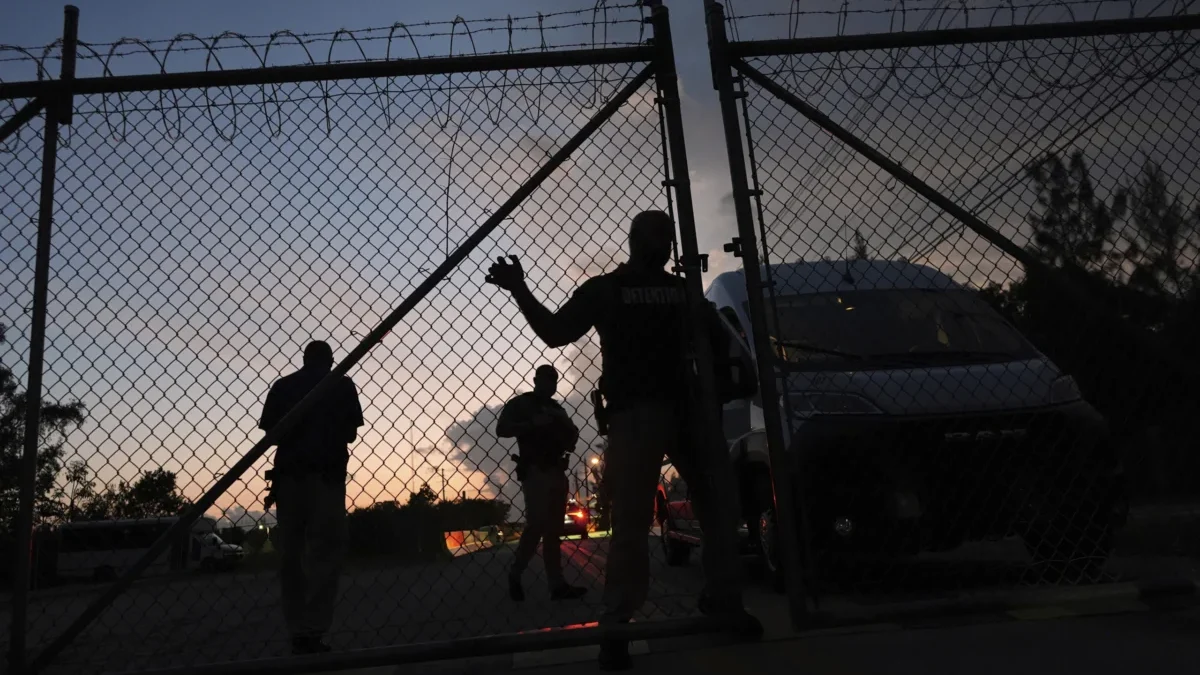
The vulnerability of exiled media figures was thrown into sharp relief last month when Luis Galeano, a prominent 48-year-old Nicaraguan journalist, was arrested by United States Immigration and Customs Enforcement (ICE). Galeano was taken into custody on the morning of September 14, while working his second job as an Orlando-based driver for Uber and Lyft. Currently being held at the Krome North Service Processing Center in West Miami, Galeano faces imminent deportation proceedings, an outcome that carries grave physical risks given his status as a vocal critic of Nicaraguan President Daniel Ortega.
Galeano’s history with state persecution traces back to December 21, 2018. During a brutal crackdown on independent media by the Ortega regime, police raided the offices of 100% Noticias, a cable and online news station where Galeano’s show, Café con Voz, was broadcast. The raid resulted in the arrests of station director Miguel Mora and news director Lucía Pineda, who were charged with "inciting hate and violence" and subsequently spent 172 days in harsh prison conditions. Galeano narrowly avoided a similar fate because he happened to be traveling on vacation outside the country when the raids occurred.
In 2019, Galeano officially applied for political asylum in the United States and continued broadcasting Café con Voz via YouTube from Florida alongside his wife, Deykel Santamaría. The Ortega regime retaliated in 2023 by stripping Galeano and 93 other high-profile dissidents of their Nicaraguan citizenship, simultaneously confiscating all of their domestic assets and property. Today, Galeano finds himself trapped in the American immigration enforcement apparatus, a system that human rights organizations argue is failing to account for the very political persecutions asylum seekers fled.
Chronology of Escalating Press Repression
The timeline of recent events reveals a coordinated escalation of hostility toward journalists both domestically and internationally:
- December 21, 2018: Nicaraguan authorities raid 100% Noticias, arresting key staff while Luis Galeano avoids detention due to travel.
- 2019: Galeano arrives in the United States, files for political asylum, and restarts Café con Voz digitally from Florida.
- February 2023: The Ortega regime strips Galeano and 93 other critics of their citizenship and seizes their assets.
- July 26, 2025: Venezuelan journalist Wilmer Solano, an asylum seeker who previously survived attacks by supporters of the Hugo Chávez regime, is detained by US Customs and Border Protection in Miami.
- August 14, 2025: Solano is released on a $5,000 bond, returning to his family with mandatory electronic ankle monitoring.
- September 14, 2025: ICE arrests Luis Galeano in Orlando during routine gig-economy employment. Simultaneously, the White House announces arbitrary press access bans targeting MS Now, CNN, and Politico.
- September 16, 2025: Café con Voz broadcasts a defiant livestream featuring an empty chair for Galeano, hosted by Deykel Santamaría.
- September 21, 2025: Major US television networks announce they are declining White House pool duties in solidarity with banned outlets.
Broader Patterns of Transnational Detention and Deterioration of Due Process
Galeano’s case is far from an isolated incident; it mirrors the detention of Venezuelan journalist Wilmer Solano earlier this year. Solano, whose asylum application was still pending after he fled violence in his home country, was apprehended by US border agents on July 26 in Miami. Released on a $5,000 bond on August 14, Solano now navigates daily life with an ankle monitor while awaiting further immigration adjudication.
Both journalists’ experiences highlight systemic issues within American immigration detention facilities. Solano described deplorable conditions at the Krome detention center, citing extremely cold temperatures, poor food quality, moldy mattresses, and a severe lack of basic safety infrastructure such as fire sprinklers or accessible emergency exits. Human Rights Watch and Amnesty International have repeatedly documented systemic human rights violations across Florida immigration facilities, including Krome, alleging practices that strip detainees of fundamental due process rights guaranteed by the Fifth Amendment.
Official Responses and the Legal Battleground
Department of Homeland Security (DHS) representatives maintain that individuals like Galeano are subject to routine immigration enforcement because they overstayed their legal welcome. A DHS spokesperson asserted that detained individuals have a clear choice, pointing to federal programs offering financial incentives and logistical support for self-deportation.
However, press freedom advocates vehemently dispute this framing. José Zamora, the regional director for the Americas at the Committee to Protect Journalists (CPJ), emphasized that Galeano followed all correct legal protocols upon arriving in the United States. "He fled Nicaragua because of persecution connected to his journalism. He came to the US seeking protection. He followed the right process; he did everything correctly," Zamora stated.
The uncertainty surrounding Galeano’s potential deportation destination remains a primary concern for his legal team and family. Because the Nicaraguan government officially stripped him of his citizenship, returning him to Managua would expose him directly to severe political violence and imprisonment by the Ortega-Murillo regime. Supporters note that loyalists to the dictatorship have openly circulated threats online regarding what awaits him should he be forcibly repatriated.
Domestic Press Restrictions and International Parallels
The domestic landscape for journalism in the United States has simultaneously deteriorated. The White House’s decision to revoke press credentials for reporters from MS Now, CNN, and Politico—under the pretext of combating unverified reporting—has drawn widespread condemnation from legal experts and journalism advocacy groups. While organizations like the Reporters Committee for Freedom of the Press have labeled the ban unconstitutional and anticipated judicial intervention, media analysts frame the move as part of a calculated strategy of democratic backsliding.
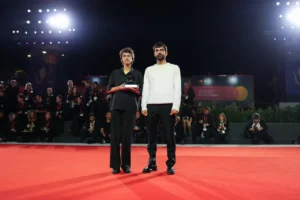
This administrative hostility echoes international maneuvers designed to criminalize reporting. In Israel, government officials recently threatened to revoke the citizenship of filmmakers Yuval Abraham and Rachel Szor following the release of a documentary critically examining military air strikes in Gaza. Prime Minister Benjamin Netanyahu similarly advanced legislative proposals aimed at stripping citizenship from individuals deemed to have defamed military personnel abroad, demonstrating a global trend where populist administrations utilize nationalist rhetoric and legal intimidation to suppress critical inquiry.
The Resilience of Independent Media
Despite escalating legal threats, physical detention, and administrative blacklists, the international journalistic community continues to push back against systemic censorship. In Florida, Deykel Santamaría has steadfastly maintained the production of Café con Voz, using the platform to broadcast updates on her husband’s detention and defy the intimidation tactics of authoritarian regimes.
Domestically, the pushback has achieved concrete organizational solidarity. Following initial hesitancy from the broader Washington press corps, the major television networks responsible for White House broadcasting pools—Fox News, ABC News, CBS News, CNN, and NBC News—collectively announced they would decline pool duties in protest of the targeted press bans.
As legal challenges wind through federal courts and immigration judges review pending asylum claims, the plight of exiled journalists in detention serves as a stark reminder of the fragility of information access. For independent media workers who have survived state-sponsored violence abroad only to face bureaucratic imprisonment in democratic nations, the struggle for institutional protection remains an urgent and ongoing battle for the preservation of democratic integrity.