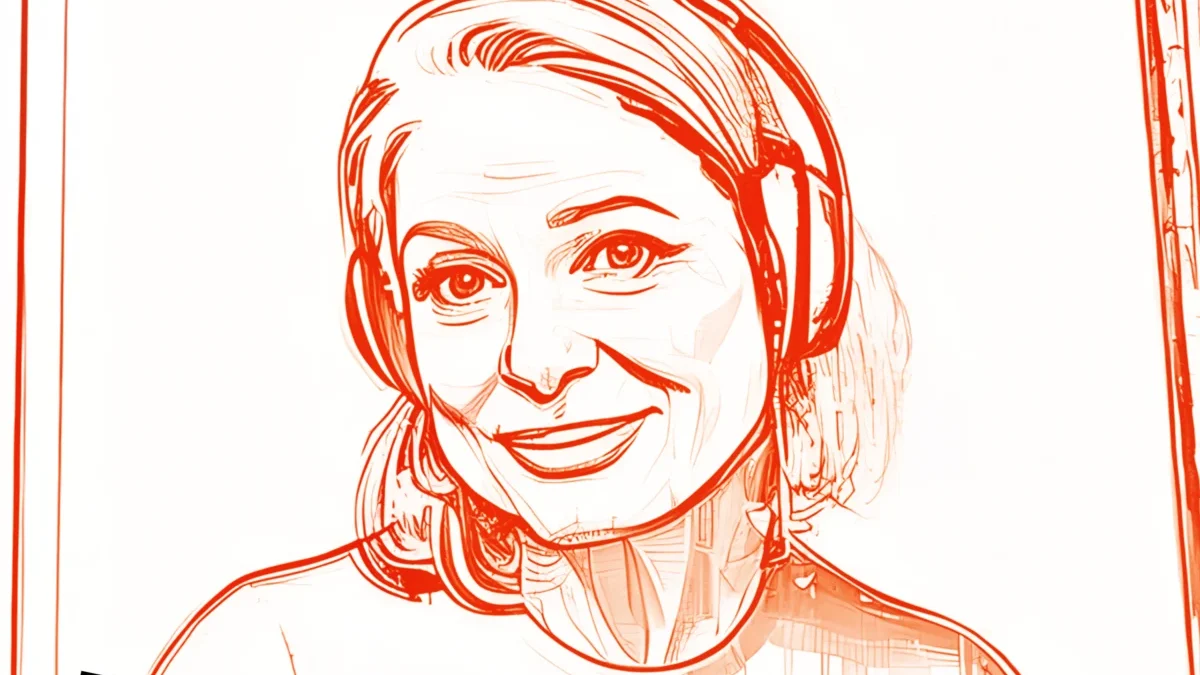
For decades, the standard paradigm of media philanthropy has leaned heavily toward institutional preservation. Wealthy donors, legacy foundations, and tech conglomerates typically channel millions of dollars into high-profile civic investigations, municipal government oversight, metropolitan newspaper newsrooms, and sweeping policy initiatives. While these traditional funding pillars remain vital to a functioning democracy, they frequently leave behind the idiosyncratic, narrative-driven, and hyper-niche corners of the internet where creative culture thrives. Enter Ruth Ann Harnisch, a trailblazing professional philanthropist who has spent nearly thirty years rewriting the rules of media support, operating less like a cold corporate venture capitalist and more like a benevolent fairy godmother to the independent digital press.
Over the course of her remarkable career, Harnisch has quietly emerged as a foundational benefactor for more than one hundred independent newsletters, digital magazines, podcasts, and blogs. Rather than demanding rigid equity stakes, extensive board oversight, or burdensome quarterly reporting metrics, her contributions are overwhelmingly distributed as no-strings-attached financial gifts. This radical approach to trust-based philanthropy has allowed marginalized voices, unconventional cultural commentators, and passionate literary curators to build sustainable platforms without sacrificing their editorial independence.
A Legacy Rooted in Journalism and Empowerment
Harnisch’s journey into the upper echelons of modern media philanthropy did not follow a conventional corporate trajectory. Before directing her substantial resources toward the revitalization of independent publishing, she built a diverse and accomplished professional background spanning journalism, broadcasting, and community advocacy. This foundational familiarity with the realities of the media industry profoundly shaped her worldview as a donor. She understood intimately that the creative process—whether capturing the nuanced experiences of aging or delivering irreverent commentary on internet culture—flourishes best when creators are liberated from the constant, debilitating anxiety of financial precarity.
Through the work of the Harnisch Foundation and her personal giving initiatives, she systematically identified gaps in the modern media ecosystem. As legacy media companies continued to downsize, merge, or collapse entirely under the weight of shifting advertising models and algorithmic volatility, individual creators began migrating to independent publishing platforms. Recognizing this generational shift before it became a mainstream media trend, Harnisch positioned herself as an early and reliable champion of the independent creator economy.
The Spectrum of Modern Independent Publishing
To understand the breadth of Harnisch’s impact, one need only examine the eclectic roster of publications and projects that have enjoyed her support. Her portfolio defies easy categorization, bridging the gap between rigorous literary arts and joyful digital commentary.
Among her most notable beneficiaries is Deez Links, the wildly popular culture and internet fixation report authored by Delia Cai. Known for its sharp wit and astute observations of contemporary digital life, the newsletter has cemented itself as a must-read for media insiders and casual readers alike. Similarly, Harnisch extended her support to Oldster Magazine, a critically acclaimed publication founded by Sari Botton that explores the complex, multifaceted realities of aging in a youth-obsessed society. By funding content that addresses demographic shifts and personal maturation with nuance and depth, Harnisch helped carve out a vital space in the digital literary landscape.
The literary world has likewise felt her stabilizing influence. The Rumpus, a storied online literary magazine known for championing raw, honest personal essays and diverse voices, found a new lease on life through strategic restructuring and visionary leadership. Following its relaunch under the guidance of acclaimed authors and creators Roxane Gay and Debbie Millman, the publication reaffirmed its status as a cornerstone of contemporary online letters—a revitalization made possible, in part, by the quiet, foundational backing of patrons like Harnisch.
Deconstructing the Philosophy of Trust-Based Philanthropy
The fundamental divergence between Harnisch’s philanthropic methodology and traditional venture funding lies in the concept of trust. In the traditional media investment sphere, funding is transactional. Venture capitalists and institutional grantmakers typically exact rigorous performance indicators, demand strategic pivots, or impose strict editorial guidelines to protect their financial interests. While this model can sustain massive corporate operations, it frequently suffocates smaller, highly personal creative projects that rely on authenticity and unique artistic voices.
Harnisch operates under a fundamentally different ethos. By offering unconditional financial gifts, she removes the administrative and psychological burden that so often accompanies fundraising for independent journalists and newsletter authors. Creators do not have to spend countless hours drafting impact reports or altering their editorial calendars to appease a distant board of directors. Instead, they can direct their entire focus toward producing high-quality reporting, engaging storytelling, and deep cultural critique.
This philosophy aligns closely with the broader movement known as "inspired philanthropy"—a concept championed by veteran organizers and strategists such as Tracy Gary. Inspired philanthropy encourages donors to view their wealth not as a tool for control or social engineering, but as a catalyst for human agency, equity, and artistic freedom. Harnisch’s career serves as a masterclass in this approach, demonstrating that when donors empower creators without conditions, the resulting cultural output is richer, more diverse, and infinitely more resilient.
A Candid Look Behind the Scenes
The mechanics of Harnisch’s giving philosophy and her broader life in philanthropy were recently explored in depth during an episode of The Kicker, the podcast produced by the Columbia Journalism Review (CJR). Hosted by freelance journalist and author Megan Greenwell—noted for her incisive work, including Bad Company: Private Equity and the Death of the American Dream—the episode featured a wide-ranging conversation with Harnisch about her evolution as a donor, the internal calculus she uses when evaluating potential projects, and her ongoing bewilderment as to why more wealthy individuals do not adopt her hands-off philosophy.
The episode, produced by Amanda Darrach, offers listeners a rare window into the mind of one of modern journalism’s most effective, if unassuming, financial supporters. In her discussion with Greenwell, Harnisch elaborated on the emotional and intellectual rewards of watching micro-publications blossom into sustainable cultural institutions. The conversation also touched upon related media profiles, including Debbie Millman’s insightful interview with Harnisch on the long-running Design Matters podcast for PRINT magazine, as well as documentation of her philanthropic history via the Harnisch Foundation’s institutional archives and her biographical profile on IMDb.
Broader Implications for the Future of Media
As the digital media landscape continues to grapple with unprecedented economic headwinds, the question of how to sustainably fund independent journalism grows increasingly urgent. Local newspapers continue to vanish into "news deserts," social media algorithms grow increasingly volatile and hostile to publishers, and advertising revenue remains concentrated in the hands of a few massive tech monopolies. In this precarious environment, the reliance on individual patrons and trust-based philanthropy is no longer just a quirky alternative; it has become an essential lifeline for the preservation of a diverse public square.
However, industry analysts note a persistent structural challenge: there are simply not enough Ruth Ann Harnischs in the world. While major foundations continue to pour hundreds of millions of dollars into large-scale institutional journalism—often prioritizing legacy infrastructure over agile, independent startups—the hyper-niche, creator-led newsletters and digital magazines that capture the pulse of modern culture remain perpetually underfunded.
The implications of Harnisch’s career offer a compelling blueprint for the future of media development. If modern philanthropy wishes to foster a truly resilient information ecosystem, donors must learn to embrace risk, relinquish micro-management, and trust the creative instincts of journalists and writers. By prioritizing unconditional support over corporate control, funders can help safeguard the eccentric, courageous, and indispensable voices that make the modern digital landscape worth navigating.
Ultimately, the legacy of Ruth Ann Harnisch extends far beyond the impressive tally of newsletters and literary magazines she has helped launch. It lies in the proof-of-concept she has established: that generosity, when paired with profound respect for editorial autonomy, can radically transform the creative capacities of a generation. As the media industry searches for sustainable models to survive the digital age, the quiet, revolutionary generosity of publishing’s favorite fairy godmother serves as both an inspiration and a challenge to the wealthy elite who hold the keys to the future of public discourse.