You are not imagining the discrepancy between your childhood memories and the reality of the snacks sitting on grocery store shelves today. While it is common to attribute this shift to the natural evolution of an adult palate, empirical evidence and industry data confirm that many iconic consumer products have undergone significant, often silent, reformulations over the last thirty years. These adjustments—driven by fluctuating commodity prices, shifting regulatory environments, and the pursuit of extended shelf life—have fundamentally altered the sensory profiles of products that, to the casual observer, appear unchanged.

The Economics of Formulation Shifts
The primary driver behind the modification of mass-market snacks is the optimization of supply chain costs. Between 1990 and 2025, the global food manufacturing sector faced unprecedented volatility in the pricing of core ingredients, including sugar, dairy, and cocoa. To maintain price points acceptable to mass-market retailers, manufacturers frequently resort to “value engineering.” This process involves substituting high-cost, high-quality ingredients—such as real butter or pure cocoa butter—with cheaper, industrially stable alternatives like palm oil, high-fructose corn syrup, and modified food starches.

While these substitutions are rarely highlighted on the front of packaging, they are documented on the ingredient panels. A transition from dairy fat to palm oil, for example, significantly alters the melting point and mouthfeel of chocolate and creamy fillings. Because consumers are highly sensitive to these textural cues, the resulting product often feels "waxy" or "flat" compared to its predecessor, even if the flavor profile remains chemically similar.

A Chronology of Regulatory and Market Pressures
The timeline of these changes can be traced through several distinct eras of food regulation and consumer awareness. In the 1980s and early 1990s, the focus of food science was primarily on flavor intensity and shelf stability. As public scrutiny regarding health and nutrition increased during the mid-2000s, manufacturers faced pressure to reduce sodium, remove trans fats, and eliminate certain artificial dyes.

The removal of partially hydrogenated oils—a major source of trans fats—in response to the FDA’s 2015 ban forced an industry-wide overhaul. Brands that relied on these oils for the specific "snap" or "chew" of their products had to develop new fat systems. Similarly, the 2010s saw a shift toward "cleaner" labels, where companies replaced artificial colors with plant-based alternatives. While these changes represent genuine improvements in public health, they often necessitate a change in the product’s visual appearance and flavor delivery system, creating a cognitive dissonance for the consumer who expects the exact sensory experience of their youth.

Case Studies in Recipe Evolution
The Cream-Filled Sponge Cake
Perhaps the most documented example of product instability involves the iconic cream-filled sponge cake. During the early 2010s, the original manufacturer underwent a corporate restructuring and a temporary cessation of operations. When the product returned to the market under new ownership, it faced intense scrutiny. Independent chemical analysis suggested a shift in the preservative system to extend shelf life for a global supply chain. While blind taste tests showed that consumers struggled to distinguish between the "new" and "old" versions, the perceived difference persisted, highlighting the role of psychological expectation in flavor perception.

The Chocolate Hazelnut Spread
This product serves as a case study for the tension between sustainability and taste. As global demand for palm oil skyrocketed, the industry faced intense criticism regarding deforestation. While some brands maintained their original recipes, others adjusted their formulas to incorporate higher levels of processed oils to ensure the spread remained shelf-stable across diverse international climates. This resulted in a product that, in many regions, is significantly smoother and less prone to oil separation than the versions sold decades ago.
Fruit-Based Snacks and Confectionery
Fruit snacks and roll-ups have seen the most drastic departure from their original formulations. Early versions often contained a higher concentration of fruit puree. As the scale of production grew, the industry shifted toward a standardized base of pear or apple juice concentrate, supplemented with artificial flavors and colors. This shift allowed for a more consistent product across different harvests but removed the subtle "tang" associated with real fruit content, resulting in a sweeter, more monochromatic flavor profile.
The Impact of Shrinkflation and Packaging
It is essential to distinguish between recipe reformulation and "shrinkflation"—the practice of reducing the portion size while maintaining the price. Often, these two strategies are employed simultaneously. When a consumer opens a package that has been reduced in volume and finds that the flavor has also changed, the negative experience is compounded. The interaction between packaging, quantity, and ingredient quality dictates the overall brand experience. When one pillar of that experience is altered, the consumer perceives the entire product as being of lower quality.

Industry and Regulatory Perspectives
When questioned about these shifts, manufacturers typically cite "consumer feedback" and "supply chain integrity." Major corporations maintain that their R&D departments are constantly working to improve products while keeping them accessible. In many instances, the "change" is not a degradation, but a move toward compliance with international food safety standards, which have become increasingly stringent regarding contaminants and allergens.

Industry analysts note that consumers are rarely notified of these changes because the goal is to maintain brand equity. A public announcement of a recipe change—unless framed as a "health improvement"—can trigger consumer backlash and sales volatility. Instead, companies opt for "silent reformulations," assuming that the gradual nature of the change will go unnoticed by the average shopper.

Psychological Factors and the Nostalgia Trap
Research in sensory science indicates that flavor memory is highly emotional. The context in which a snack was first consumed—often during childhood—is inextricably linked to the taste. As adults, our olfactory and gustatory receptors undergo changes, and our expectations are influenced by nostalgia. When we encounter a snack that is 90% similar to our memory, the 10% difference is often perceived as a massive failure of quality.

However, it is a scientific fact that ingredient substitutions do occur. The substitution of high-quality fats with vegetable-based alternatives is a measurable change that alters how flavor compounds are released on the tongue. Therefore, while nostalgia plays a role, the consumer’s suspicion is frequently validated by the change in the ingredient list.
Broader Implications for the Food Industry
The pattern of quiet, incremental reformulations suggests a broader trend in the food industry toward prioritizing shelf life and cost-efficiency over traditional flavor profiles. As the global population grows and distribution chains extend further, the pressure to produce products that can withstand months of storage and temperature fluctuations will only increase.
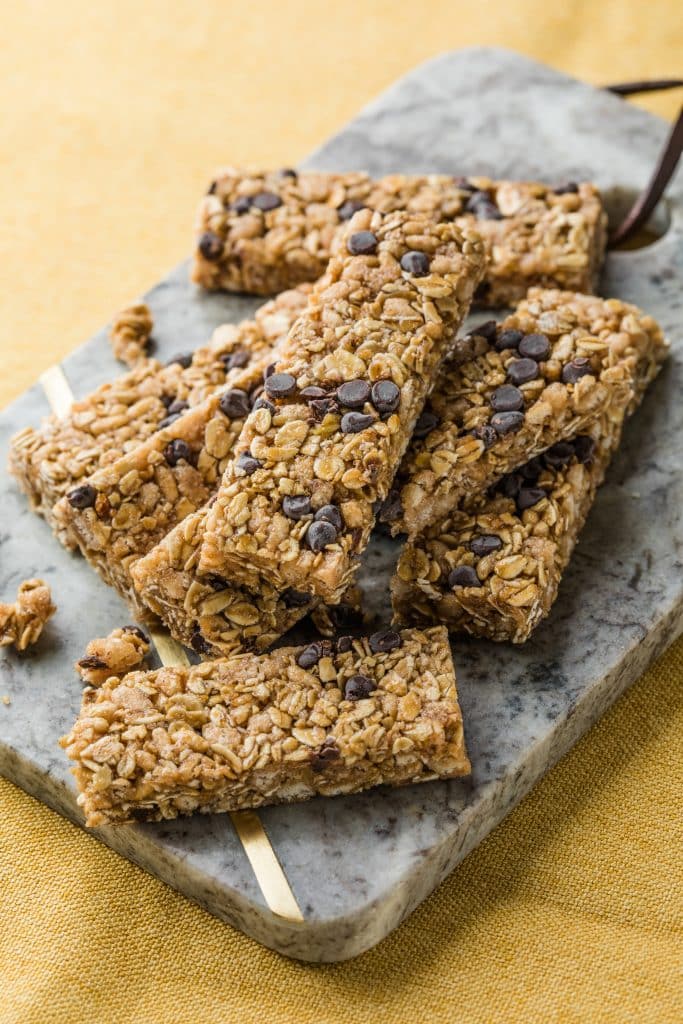
This creates a divergence between "fresh" food and "shelf-stable" food. Consumers who seek the exact tastes of their childhood may find that they can no longer be replicated in mass-produced, shelf-stable formats. The future of the snack industry likely involves a continued focus on synthetic consistency, while smaller, artisanal producers may fill the void for consumers seeking original, high-quality ingredient profiles.

In summary, the next time you find yourself standing in an aisle questioning why a product feels "off," you are likely observing the result of decades of corporate efficiency. These items have not just aged; they have been systematically re-engineered to survive in a modern marketplace that values logistical stability above the nuanced, perishable ingredients of the past.