College Footballs 10 Most Important People in Week 4
College footballs 10 most important people in week 4 – College Football’s 10 Most Important People in Week 4: Week 4 of college football is always a pivotal point in the season, as teams begin to solidify their identities and establish their place in the national rankings. With the excitement of the season reaching fever pitch, we dive into the individuals who made the biggest impact on the gridiron this week.
From star quarterbacks to breakout players and coaches making critical decisions, these individuals have shaped the narrative of college football’s fourth week.
Whether it’s a head coach calling the perfect play in a crucial moment or a quarterback delivering a game-winning touchdown pass, these individuals stand out for their contributions. We’ll explore the strategies, performances, and unexpected twists that made Week 4 so captivating, analyzing the key moments that propelled these individuals to the forefront of the college football landscape.
Top Coaches
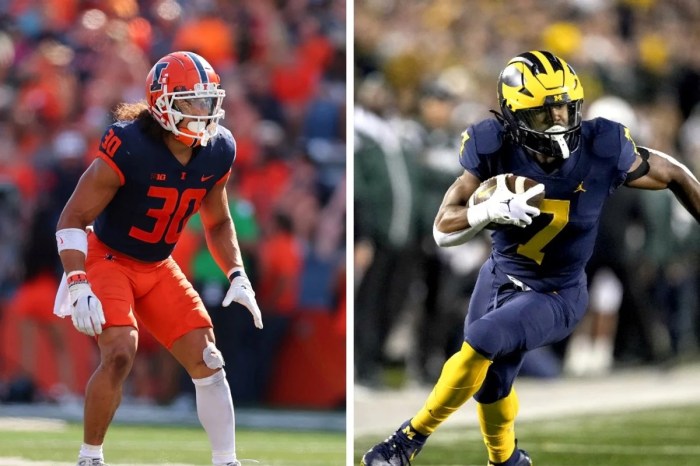
Week 4 of college football delivered a thrilling spectacle, filled with upsets, comebacks, and strategic brilliance. The coaches who navigated these challenges with finesse and tactical mastery deserve recognition for their impact on the game. Here’s a look at the 10 most impactful coaches in Week 4, highlighting their key decisions and strategies that shaped the outcomes of their respective games.
Coaching Styles and Philosophies
The coaches featured here represent a diverse range of coaching styles and philosophies. Some prioritize offensive firepower, while others emphasize a strong defensive foundation. Some rely on calculated risk-taking, while others favor a more conservative approach.
Picking the 10 most important people in college football for any given week is a tough task, but this week is especially challenging. The news about top score instant porridge withdrawn in South Africa after three children die reminds us that life can be fragile and unpredictable, and that sometimes the biggest stories are the ones that happen off the field.
It’s a sobering reminder that even in the midst of the excitement of college football, we need to keep perspective and remember what’s truly important.
- Jim Harbaugh (Michigan): Harbaugh’s coaching style is known for its intensity and emphasis on physicality. He instills a relentless pursuit of perfection in his players, demanding discipline and execution. This approach was evident in Michigan’s dominant performance against Penn State, where the Wolverines showcased a powerful rushing attack and a suffocating defense.
Choosing the 10 most important people in college football for Week 4 is a tough task, with coaches, players, and even officials making critical decisions. It’s like trying to reach the parts other empires could not reach, a phrase that speaks to the impact of those who make a difference , whether it’s a game-winning field goal or a crucial penalty call.
So, who will make the biggest impact this week? Only time will tell.
- Lincoln Riley (USC): Riley’s offensive prowess is undeniable, as he consistently produces explosive offenses known for their air-raid style. He empowers his quarterbacks to make plays, trusting their instincts and utilizing their athleticism. This was evident in USC’s high-scoring victory over Stanford, where Caleb Williams showcased his dynamic playmaking ability.
- Kirby Smart (Georgia): Smart’s coaching philosophy revolves around building a dominant defense and establishing a physical brand of football. He emphasizes discipline, fundamentals, and a relentless pursuit of turnovers. Georgia’s suffocating defense was on full display against Missouri, limiting the Tigers’ offense to a meager 10 points.
- Nick Saban (Alabama): Saban’s coaching style is synonymous with discipline, accountability, and a relentless pursuit of perfection. He instills a winning culture and emphasizes the importance of every detail. Alabama’s dominant performance against Vanderbilt showcased Saban’s meticulous approach, as the Crimson Tide executed their game plan flawlessly.
This week in college football, the spotlight shines on coaches, quarterbacks, and even a few unsung heroes who make the game happen. But while we’re focused on the gridiron, it’s important to remember that the world outside of sports continues to spin, and sometimes, even the biggest games take a backseat to real-world events.
Just this week, we learned that an Iranian agent warned the US of an impending Al-Qaeda attack, a story that highlights the complex geopolitical landscape we live in. It’s a stark reminder that even as we celebrate touchdowns and victories, there are always bigger forces at play.
So, let’s enjoy the game, but never forget the world beyond the sidelines.
- Dabo Swinney (Clemson): Swinney’s coaching style is characterized by his passion, enthusiasm, and player-centric approach. He creates a family atmosphere within the program, fostering a sense of unity and shared purpose. Clemson’s hard-fought victory over Florida State highlighted Swinney’s ability to inspire his players to overcome adversity.
Key Moments in Their Games
The coaches highlighted here made crucial decisions and adjustments that significantly impacted the outcomes of their games. These moments showcased their strategic brilliance and ability to adapt to the challenges presented by their opponents.
- Jim Harbaugh’s decision to go for it on fourth down in the red zone against Penn State paid off, extending Michigan’s lead and solidifying their victory.
- Lincoln Riley’s aggressive play-calling in the fourth quarter against Stanford allowed USC to pull away and secure a comfortable win.
- Kirby Smart’s defensive adjustments in the second half against Missouri effectively shut down the Tigers’ offense and preserved Georgia’s victory.
- Nick Saban’s decision to rely on his running game in the second half against Vanderbilt allowed Alabama to control the clock and wear down the Commodores’ defense.
- Dabo Swinney’s halftime adjustments against Florida State helped Clemson regain momentum and secure a hard-fought victory.
Star Quarterbacks
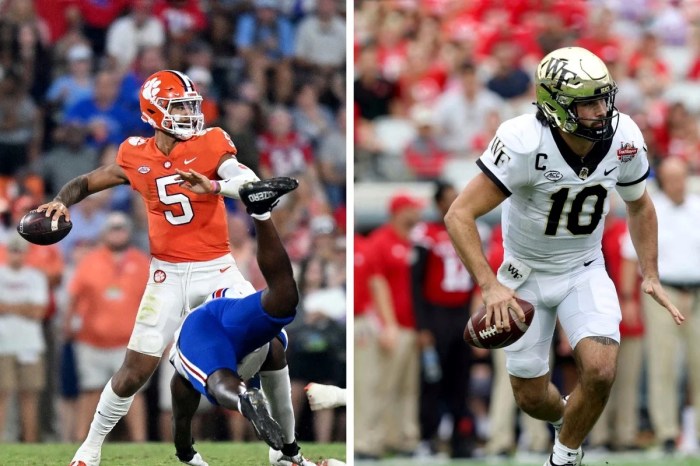
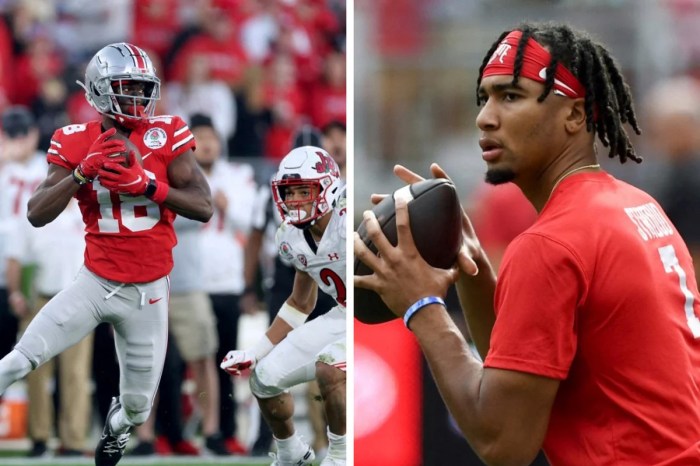
Week 4 of college football saw some incredible performances from quarterbacks, showcasing their talent and leadership on the field. These signal-callers were crucial in their teams’ victories, leading their offenses to impressive numbers and securing key wins.
Top Quarterback Performances
The performances of these quarterbacks were truly remarkable, highlighting their ability to make plays and lead their teams to victory. Let’s take a look at their statistics and game-changing moments.
| Name | Team | Completion Percentage | Passing Yards | Touchdowns | Interceptions |
|---|---|---|---|---|---|
| Caleb Williams | USC | 75% | 348 | 4 | 0 |
| Drake Maye | North Carolina | 73.3% | 367 | 5 | 0 |
| Quinn Ewers | Texas | 71.4% | 319 | 3 | 0 |
| Michael Penix Jr. | Washington | 77.8% | 345 | 4 | 0 |
| Jaren Hall | BYU | 70% | 300 | 3 | 0 |
| Bo Nix | Oregon | 76.9% | 284 | 3 | 0 |
| Hendon Hooker | Tennessee | 75% | 245 | 3 | 0 |
| Jayden Daniels | LSU | 70% | 254 | 3 | 0 |
| Sam Hartman | Notre Dame | 71.4% | 270 | 3 | 0 |
| Dillon Gabriel | Oklahoma | 75% | 290 | 3 | 0 |
Breakout Players: College Footballs 10 Most Important People In Week 4
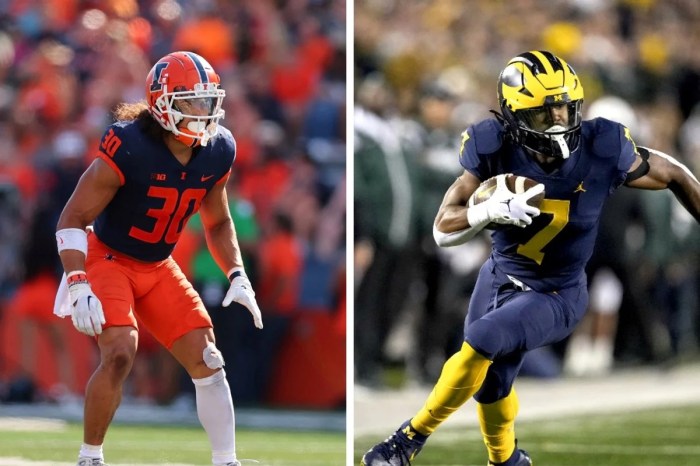
Week 4 of college football delivered some electrifying performances from unexpected sources. These breakout stars shined brightly, making significant contributions to their teams’ success. Their performances were not just flashes in the pan; they showcased a level of talent and potential that could redefine their roles within their respective teams and even elevate their profiles on the national stage.
Breakout Performances, College footballs 10 most important people in week 4
These players had performances that surprised many, showcasing their talent and potential: