Hamilton Struggles in Singapore: Mercedes Lost, Q3 Concerns
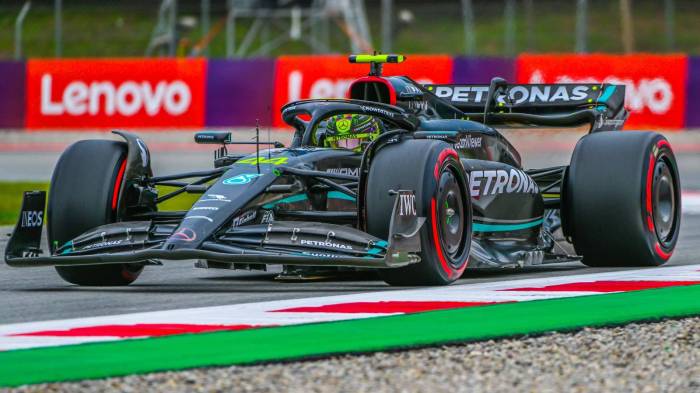
Lewis hamilton mercedes a bit lost with car at singapore gp and expresses q3 qualifying concern – Lewis Hamilton and Mercedes found themselves in a difficult position at the Singapore Grand Prix, with Hamilton expressing concerns about his car’s performance in Q3 qualifying. The seven-time world champion, known for his prowess on street circuits, struggled to find the right setup for his Mercedes, resulting in a disappointing qualifying position.
The team’s performance, particularly compared to their rivals Red Bull and Ferrari, raised questions about their ability to challenge for victory in the race.
The Singapore GP, with its challenging street circuit and humid conditions, exposed weaknesses in the Mercedes car. The car’s lack of pace, particularly in the high-speed corners, made it difficult for Hamilton to extract the maximum performance from the car.
This, coupled with a lack of optimal tire management, left Hamilton trailing behind his teammate, George Russell, and other key competitors.
Technical Issues and Concerns for Mercedes: Lewis Hamilton Mercedes A Bit Lost With Car At Singapore Gp And Expresses Q3 Qualifying Concern
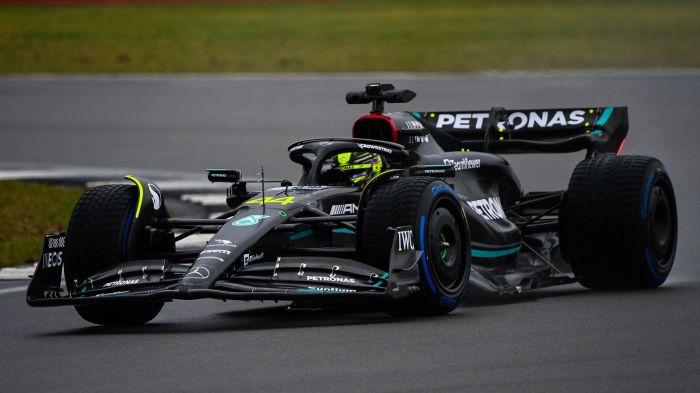
Mercedes faced several technical challenges during the Singapore Grand Prix qualifying and practice sessions, which hampered their performance and prevented them from achieving competitive lap times. These issues, particularly concerning the car’s setup and tire performance, raised concerns about their overall competitiveness for the race.
Impact of Technical Issues on Performance
The technical issues encountered by Mercedes significantly impacted their performance. These problems, including inconsistent tire behavior and a lack of overall car balance, hindered Hamilton’s ability to push the car to its limits and achieve fast lap times.
- Tire Degradation:Mercedes struggled with tire degradation, particularly during the qualifying sessions. This issue manifested as a rapid drop in tire performance over a few laps, limiting the drivers’ ability to maintain consistent lap times and preventing them from pushing the car to its full potential.
- Car Balance:The car’s balance was also a concern, with drivers reporting issues with understeer and oversteer. This imbalance made it challenging for them to find a good rhythm and consistent cornering speeds, further hindering their ability to set competitive lap times.
Potential Solutions and Adjustments
To address these technical issues, Mercedes will likely focus on the following solutions and adjustments:
- Tire Management Strategies:The team will need to refine their tire management strategies, focusing on understanding the tire degradation patterns and implementing optimal tire change strategies during the race.
- Setup Adjustments:Mercedes will need to make setup adjustments to improve the car’s balance and reduce understeer and oversteer. This might involve modifying the car’s aerodynamic configuration, suspension settings, or tire pressures.
Hamilton’s Expectations for the Race
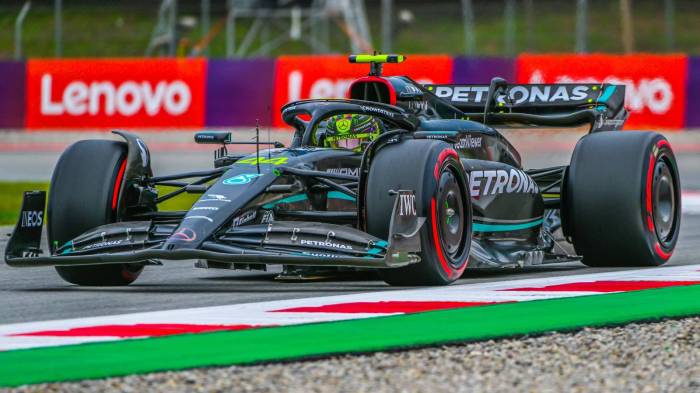
Hamilton expressed his disappointment with the car’s performance in qualifying, stating that it was “a bit lost” and “not where we want to be.” He acknowledged that the team has work to do to understand the issues and improve for the race.
Despite the challenges, Hamilton remains optimistic about his chances of a strong race, highlighting the importance of a good start and a clean race.
Race Strategy and Expectations, Lewis hamilton mercedes a bit lost with car at singapore gp and expresses q3 qualifying concern
Hamilton’s race strategy will likely focus on maximizing his car’s potential and minimizing risk. He will aim for a clean start and early position gains, leveraging the car’s strengths in certain sectors of the track. With the car’s performance uncertainties, Hamilton will be cautious in overtaking maneuvers and prioritize a consistent race pace.
He anticipates a challenging race, especially with the competition’s strong performance.
Potential Challenges and Opportunities
Hamilton’s primary challenge will be to manage the car’s limitations and adapt his driving style accordingly. The car’s lack of pace could make overtaking difficult, especially in the tight corners of the Marina Bay circuit. However, Hamilton can capitalize on the high-degradation nature of the tires, potentially creating opportunities for strategy variations and overtaking.
Lewis Hamilton’s Mercedes seems to be struggling to find its footing in Singapore, with the seven-time champion expressing concern about his Q3 qualifying performance. It’s a stark contrast to the dominance we’ve seen in the past, and it makes you wonder if the team is facing a similar uphill battle to the one MPs are facing in justifying their freebies, as outlined in this recent article.
Only time will tell if Hamilton can overcome these challenges and find a way to challenge for the win in Singapore.
Lewis Hamilton and Mercedes seem to be struggling to find their footing in Singapore, with the car feeling a bit lost on the tight and twisty Marina Bay Circuit. The qualifying session was particularly concerning, and Hamilton will need to pull out all the stops to improve his position in Q3.
On a lighter note, it’s great to see Kesha taking control of her career by launching her own label, Kesha Records , a move that showcases her entrepreneurial spirit. Back to the race, Hamilton’s performance in Singapore will be crucial for his championship hopes, and it’ll be interesting to see if he can turn things around in the race.
Lewis Hamilton and Mercedes are struggling to find their footing at the Singapore GP, with the car feeling a bit lost on the track. While they’ve shown flashes of speed, Hamilton’s Q3 qualifying performance was a bit concerning, especially given the dominance of Red Bull and Ferrari.
It’s a stark reminder of the immense power and influence that these top teams hold within the sport, a power that’s mirrored in the corporate world, as evidenced by the corporate power facts and stats that show the massive impact of major corporations on global economies and societies.
Whether Hamilton and Mercedes can turn things around in Singapore remains to be seen, but one thing is certain: the fight for the podium is fierce, and the stakes are high.