The era of simplistic digital publishing, once defined by a singular platform like WordPress, has irrevocably transformed into a complex, multi-faceted ecosystem. What was once a straightforward choice for aspiring writers and businesses to establish an online presence has splintered into a diverse array of platforms, each offering distinct advantages and challenges. This paradigm shift necessitates a strategic re-evaluation for anyone looking to engage audiences and build authority in the digital age.
A Brief History of Digital Content and the Creator Economy
The journey of online publishing began in the early days of the internet, with personal websites and nascent blogging platforms laying the groundwork for user-generated content. WordPress, launched in 2003, quickly became the dominant force, democratizing website creation and empowering millions to share their voices. Its open-source nature, coupled with vast customization options, cemented its status as the default choice for blogging for over a decade.
However, the advent of Web 2.0 and the subsequent explosion of social media platforms ushered in a new era of content consumption and creation. Users migrated from dedicated blogs to platforms where content was readily accessible within their social feeds. This period also saw the gradual maturation of the "creator economy," a burgeoning sector now estimated to be worth hundreds of billions of dollars, where individuals monetize their content and direct audience relationships. This evolution has redefined "blogging" from a single activity on a dedicated site to a broad spectrum of content creation and distribution strategies across various digital channels.
Owned Platforms: The Foundation of Digital Presence
At the core of digital independence lies the concept of an owned platform. This model harks back to the original spirit of the internet: complete control over one’s digital property. Typically, this involves a self-hosted website, often powered by WordPress, residing on a custom domain. This approach grants creators unparalleled autonomy over design, functionality, content monetization, and data ownership.

Advantages and Strategic Importance:
Digital strategists consistently advocate for owned platforms as the ultimate bastion of control and long-term asset building. A self-hosted WordPress site allows for extensive customization, integrating e-commerce functionalities, advanced analytics, and sophisticated SEO strategies that are often limited or unavailable on third-party platforms. For instance, according to recent web technology surveys, WordPress powers over 40% of all websites, underscoring its foundational role in the digital landscape. This control is crucial for brand consistency and scalability, particularly for businesses or individual creators aiming to build a comprehensive digital empire. Content published on an owned site benefits from "evergreen" potential, meaning it can continue to attract organic search traffic for years, generating a consistent stream of passive engagement.
Challenges and Considerations:
The primary trade-off for this extensive control is responsibility. Creators opting for an owned platform assume all duties related to hosting, maintenance, security, and technical troubleshooting. This often involves an initial learning curve and ongoing investment in time and resources. Furthermore, achieving visibility on an owned platform typically requires significant effort in search engine optimization (SEO) and independent marketing. New sites, in particular, may take several months to gain traction in search rankings, meaning creators must actively drive traffic through other channels. As one expert remarked, "Building an owned platform is like building a house; you own the land and the structure, but you’re also responsible for every nail and every leak."
Getting Started with an Owned Platform:
To mitigate initial complexities, industry veterans recommend a minimalist approach. Selecting a memorable domain name from reputable registrars like Namecheap or GoDaddy is the first step. Choosing reliable hosting providers such as SiteGround, WP Engine, Rocket.net, or Kinsta is critical for performance and support, while budget-tier hosts like Bluehost or HostGator are often advised against for serious long-term projects due to potential performance and support issues. Upon WordPress installation, prioritizing a clean, responsive theme (e.g., GeneratePress, Astra) and essential plugins for publishing, SEO, and email capture (like OptinMonster or ConvertKit) is key. Critically, initiating email list building from day one, even with minimal traffic, establishes a direct communication channel independent of search engine algorithms, ensuring audience retention and engagement.
All-in-One Platforms: Simplified Publishing with Strategic Trade-offs
In response to the complexities of owned platforms, a new generation of "all-in-one" publishing platforms has emerged, streamlining the content creation process. These platforms, including Substack, beehiiv, and Medium, offer integrated solutions for writing, publishing, email distribution, and subscriber management, significantly lowering the barrier to entry for content creators.
Substack and beehiiv: The Newsletter Renaissance:
The rise of platforms like Substack and beehiiv signals a "newsletter renaissance," a renewed focus on direct-to-reader email communication. These platforms allow creators to publish blog-like posts that simultaneously serve as email newsletters, fostering intimate, subscriber-based communities. Their primary appeal lies in their ease of use, eliminating the need for technical setup and hosting. Proponents highlight the built-in discovery features, such as Substack’s recommendation engine, which can help new writers gain initial visibility. Substack, in particular, has seen exponential growth, attracting high-profile writers and demonstrating a strong commitment to evolving features, including planned rollouts of drip campaigns, which address previous limitations in automated communication.
Beehiiv offers a more granular level of control over design and backend analytics, appealing to creators who view their newsletter as a direct business venture. While slightly less stripped-down than Substack, it provides greater flexibility for advanced customization and monetization strategies. Both platforms typically offer free tiers, often taking a percentage of paid subscriptions, making them attractive for creators focused on direct monetization from their audience. The implied "statement" from these platforms is a promise of direct connection and simplified monetization, allowing creators to focus solely on their craft.
Medium: A Hybrid Approach with Community Focus:
Medium occupies a unique space, blending aspects of traditional blogging with social networking features. It allows writers to publish "stories" that can be followed by readers and distributed via email updates. Medium’s core strength lies in its established reading audience and the power of its "publications." A writer with a small personal following can gain significant exposure by having their work accepted into a large Medium publication, tapping into a pre-existing, engaged community. This acts as a form of "borrowed authority" within the platform itself.
However, Medium’s integrated newsletter capabilities and discovery features are generally considered less robust than those offered by dedicated email-first platforms like Substack or beehiiv. While Medium provides a beautiful writing and reading experience, its overall trajectory has been less consistently upward compared to the newer newsletter platforms in recent years. Many content strategists now view Medium as an excellent supplemental channel for content repurposing and audience discovery rather than a primary "home base."
Feed-Based Platforms: Distribution and Engagement Amplifiers
Social media platforms such as LinkedIn and X (formerly Twitter) serve a distinct purpose in the modern content strategy. They are not typically primary content repositories but powerful distribution channels for engaging existing audiences and reaching new ones through algorithmic feeds.
Dynamics and Strategic Use:
Content on feed-based platforms has a short lifespan. A post, whether a short update or a long-form article link, quickly cycles through users’ feeds, with its visibility heavily dependent on initial engagement and algorithmic favor. Unlike owned blogs that benefit from long-tail search traffic, social posts are ephemeral. This necessitates a strategy of consistent, active participation—commenting, replying, and sharing others’ content—to build visibility and a loyal following.
For professionals and businesses, LinkedIn stands out. Its audience is inherently career-focused, making it ideal for thought leadership, industry insights, and professional networking. Strong posts can organically spread within professional networks, amplifying reach. X, conversely, offers a more open-ended and conversational environment, rewarding consistent engagement and timely content. It’s a testing ground for ideas and a powerful tool for staying visible and engaging in real-time discussions.
Implications for Content Creators:
These platforms act as vital support systems for a creator’s primary content hub. They enable testing ideas, refining writing styles, and building a direct line of communication with an audience. Once an audience is established on these platforms, it becomes easier to direct them to owned sites, newsletters, or other core content offerings. The key principle here is leveraging existing audiences where they already reside, using these platforms for discovery and community building, rather than as the sole destination for comprehensive content. The "statement" from these platforms is an offer of unparalleled reach, provided creators understand and adapt to their unique algorithmic behaviors and interaction dynamics.
Borrowed Platforms: Building Authority Through External Validation
Sometimes, the most effective platform for a creator’s work is not their own, but that of an established publication or brand. This strategy, traditionally known as "guest blogging" or "guest posting," remains a potent tool for building instant credibility and expanding reach.
The Power of External Credibility:
Being published on a respected, high-authority website like Smart Blogger, Forbes, or Business Insider immediately elevates a writer’s status. It signals to a new audience that the writer is a subject matter expert, vetted and endorsed by a trusted source. This borrowed reputation significantly accelerates the process of establishing authority, which might otherwise take years on an independent platform.
A Case Study in Credibility Acceleration:
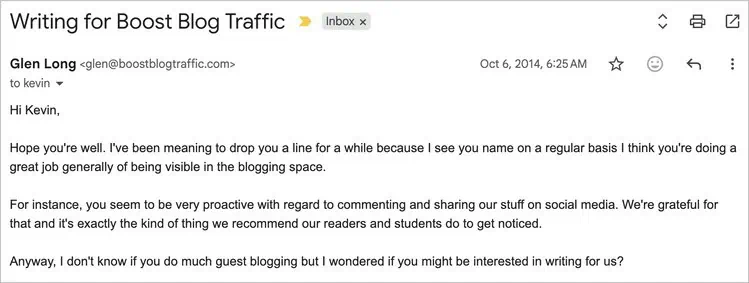
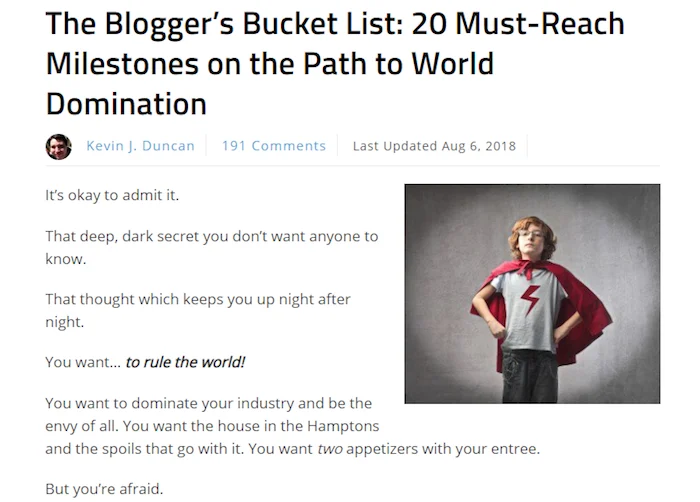
The experience of Kevin J. Duncan, who progressed from an obscure writer to Editor-in-Chief for Smart Blogger and Head of Content at Kindlepreneur, perfectly illustrates this principle. Before his first guest post for Smart Blogger (then Boost Blog Traffic), his authority on writing and blogging was largely unrecognized beyond his immediate circle. An invitation from editor Glen Long to contribute to Smart Blogger marked a turning point. A series of successful guest posts—"The Blogger’s Bucket List," "Blog Comments," and "Evergreen Content"—catapulted his profile. These contributions, while not necessarily generating immediate floods of personal website traffic, provided invaluable professional legitimacy. This external validation led to subsequent opportunities, including writing for other companies, being quoted in industry articles, and ultimately securing leadership roles. Duncan’s journey underscores that borrowed platforms can confer legitimacy and open doors that would be far harder to unlock independently.
Strategic Approach to Guest Posting:
To successfully leverage borrowed platforms, creators should target sites they genuinely admire and whose audience aligns with their expertise. While some publications have clear submission guidelines, others require a more proactive outreach approach. The bar for acceptance is typically high, reflecting the value of the platform’s reputation. This mutual exchange means that a strong, high-quality guest post can unlock significant opportunities, while a subpar submission can damage a writer’s credibility. Therefore, careful curation of content and adherence to editorial standards are paramount. The ease of publication on a site can be an indicator of its reputational value; genuinely influential platforms maintain stringent quality controls.
Navigating the Modern Content Landscape: A Strategic Imperative
The demise of blogging has been greatly exaggerated. Instead, blogging has diversified, becoming a dynamic interplay of distinct platform types. What once resided in a single digital address now lives across a sophisticated mix of tools, each fulfilling a specific role in the content ecosystem. Some platforms serve as the permanent home for content, others facilitate discovery and engagement, and still others provide a stage for accelerated credibility.
The fundamental question for content creators is no longer "Which platform should I use?" but rather:
- Where should this content permanently reside to maximize ownership and long-term value?
- Where should I strategically share this content to reach and engage target audiences effectively?
- How do these various platforms and strategies interoperate to support my overarching content goals?
By understanding the unique strengths and limitations of owned, all-in-one, feed-based, and borrowed platforms, creators can develop a cohesive and resilient digital content strategy. This integrated approach allows for the benefits of full control, simplified publishing, broad distribution, and instant credibility to be harnessed synergistically, ensuring sustained growth and impact in an ever-evolving digital world.
The Future of Content Creation
As the digital landscape continues to evolve, new platforms and consumption habits will undoubtedly emerge. However, the core principles of content ownership, direct audience relationships, strategic distribution, and building authority will remain paramount. Creators who embrace this multi-platform reality and strategically orchestrate their presence across various channels will be best positioned to thrive in the complex, yet opportunity-rich, environment of modern digital publishing.