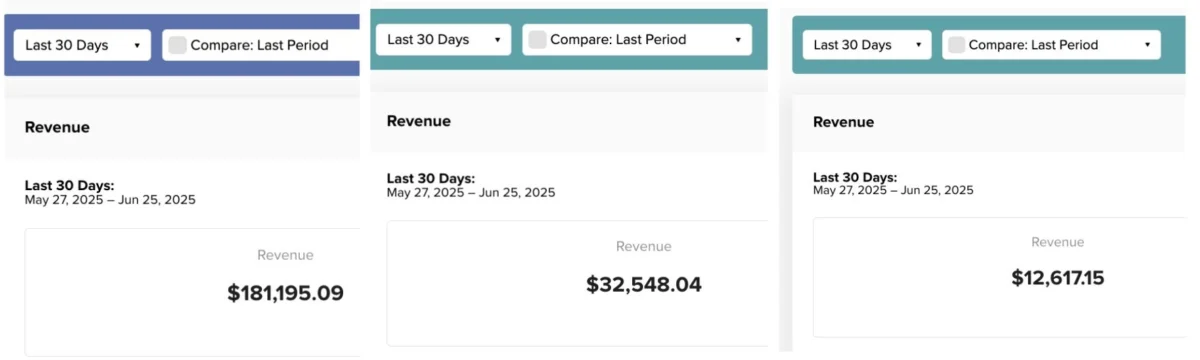
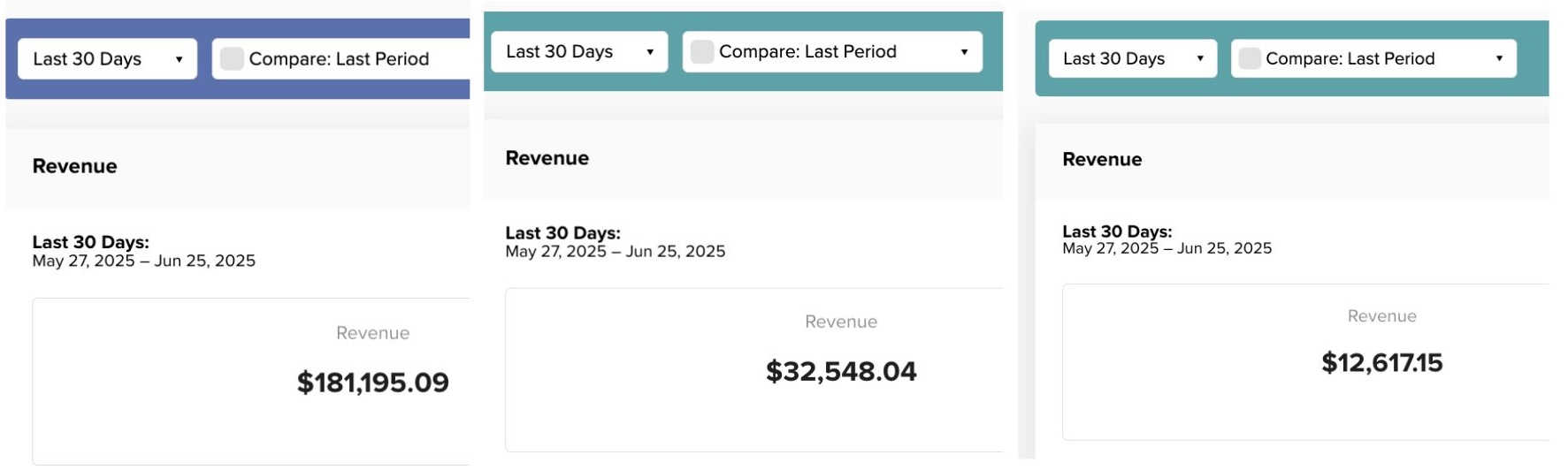
The landscape of independent digital publishing is undergoing a fundamental transformation as established creators move away from a historic reliance on search engine optimization (SEO) toward diversified, multi-channel ecosystems. This strategic pivot, exemplified by recent performance data showing monthly net profits exceeding $100,000 from a portfolio of three domains, highlights a growing trend among "solopreneurs" and small media houses to insulate their businesses from the volatility of algorithmic changes. By integrating high-quality content production with robust email marketing, automated social media acquisition, and sophisticated affiliate monetization, publishers are building what industry analysts call a "revenue flywheel"—a self-reinforcing system that generates income independently of Google’s search rankings.
The Context of the SEO Transition
For over a decade, the standard blueprint for niche site success was simple: identify low-competition keywords, publish SEO-optimized content, and wait for Google to deliver organic traffic. However, the period between 2023 and 2025 has seen unprecedented volatility in the search landscape. The introduction of Google’s Helpful Content Updates (HCU) and the integration of Search Generative Experience (SGE) have disrupted traditional traffic flows, leading many publishers to report losses of 50% to 90% in organic reach.
In response, a new methodology has emerged over the past 18 months. This approach treats search traffic as a "bonus" rather than a foundational requirement. The current blueprint focuses on building a direct relationship with the audience, a move that mirrors the strategies of legacy media brands but is executed with the lean overhead of modern digital tools. The shift is not merely about survival but about scaling; the revenue potential of a multi-channel audience often far exceeds that of a purely search-driven site due to higher engagement rates and repeat visitors.
A Six-Step Framework for Independent Media Growth
The transition from a search-dependent blog to a diversified content empire involves a rigorous six-step process designed to capture, retain, and monetize audience attention across multiple touchpoints.

1. Establishing High-Authority Content Hubs
The foundation of the model remains the "content empire." Unlike the "content mills" of the previous era, current successful publishers are focusing on "killer content"—material that provides genuine utility and encourages bookmarking. The technical stack for this phase typically involves high-performance hosting and streamlined WordPress themes to ensure user experience (UX) is prioritized. The goal is to move from being a "search result" to becoming a "destination."
2. The Email List as an Insurance Policy
Industry experts now argue that an email list is the only truly owned asset in digital publishing. Platforms like Kit (formerly ConvertKit) have become central to this strategy. By capturing visitors through lead magnets and content upgrades, publishers transform anonymous traffic into a permanent audience. This "insurance policy" protects the business against platform bans and algorithm shifts. Data suggests that an engaged email subscriber is significantly more valuable than a one-time visitor, often providing a predictable baseline of traffic for every new article published.
3. Diversified Monetization Beyond Basic Advertising
While display ads remain a primary revenue stream, they are no longer the sole focus. Premium ad networks like Mediavine provide the "appetizer" of revenue through high-RPM (revenue per mille) placements. However, the "main course" is increasingly affiliate marketing. Platforms like Stay22 have revolutionized this space by offering sitewide affiliate optimization, which automatically manages relationships with thousands of retailers to ensure the highest possible payouts for the publisher. This layer of monetization turns every page view into a potential commission, regardless of the traffic source.
4. The Newsletter as a Standalone Revenue Product
The modern newsletter is no longer just a notification tool; it is a profit center. By utilizing platforms like SparkLoop, publishers can participate in "recommendation engines" where they earn fees for referring subscribers to other high-quality newsletters. When combined with direct sponsorships and daily engagement, the newsletter can often match or exceed the revenue generated by the website itself. This creates a dual-income stream: one from the web content and one from the inbox.
5. Multi-Channel Traffic Acquisition
To feed the system, publishers are diversifying their traffic sources. Pinterest has evolved into a high-intent visual search engine that converts well for commercial content. Simultaneously, Facebook remains a dominant force for viral reach when managed through specialized engagement strategies. The objective is to drive qualified traffic to the website not just for the ad impression, but to trigger the "capture" phase of the funnel—the email sign-up.
6. Social Media Automation and Subscriber Acquisition
The final piece of the modern blueprint involves leveraging social media automation tools like Manychat. By using automated conversational flows on platforms like Instagram and Threads, publishers can convert social media engagement directly into email subscribers. This "steroid" for list growth allows a creator to turn a single viral comment or post into hundreds of permanent audience members without manual intervention.
The Economic Analysis: The Flywheel Effect
The success of this model lies in the "flywheel effect," a term popularized by Jim Collins in Good to Great. In a digital publishing context, the flywheel operates as follows:
- Initial Traffic: A visitor arrives via Pinterest, Facebook, or a social media automation.
- Immediate Monetization: The visitor sees display ads and potentially clicks an affiliate link.
- Retention: The visitor joins the email list via a lead magnet.
- Re-Engagement: The daily newsletter drives the visitor back to the site.
- Compounding Revenue: Each return visit generates more ad revenue, more affiliate opportunities, and potential referral fees through SparkLoop.
- Growth: Revenue is reinvested into more content and better automation, accelerating the cycle.
This system creates a self-reinforcing loop where the cost of acquiring a visitor is offset by multiple revenue touchpoints over a long-term relationship. For a portfolio generating $100,000 in monthly profit, this flywheel ensures that even if one traffic source (like Pinterest) fluctuates, the others—and the core email list—continue to provide stability.
Industry Implications and Market Sentiment
The move toward "SEO-free" or "SEO-agnostic" publishing is being met with a mix of skepticism and admiration within the digital marketing community. Critics argue that the complexity of managing such a system is significantly higher than traditional blogging. However, proponents point to the financial results as undeniable proof of concept.
Market analysts suggest that we are entering a "post-search" era for small publishers. As AI-generated summaries begin to satisfy simple search queries, the only publishers who will thrive are those who build "brand authority" and "direct-to-consumer" relationships. The shift is reflective of a broader trend in the creator economy where "ownership" of the audience is the ultimate competitive advantage.

Chronology of the Strategic Pivot
The development of this $100,000-a-month system was not instantaneous. It represents an 18-month period of intensive testing and optimization.
- Phase 1 (Months 1-6): Focus on content quality and the implementation of premium ad networks. Initial testing of email capture rates.
- Phase 2 (Months 7-12): Integration of automated affiliate platforms (Stay22) and the launch of a daily newsletter.
- Phase 3 (Months 13-18): Scaling via social media automation (Manychat) and newsletter growth platforms (SparkLoop). This phase saw the transition from five-figure to six-figure monthly profits.
Broader Impact on the Digital Economy
The success of independent publishers in achieving these figures has significant implications for the broader digital economy. It suggests that the "death of the blog" has been greatly exaggerated; instead, the blog has simply evolved into a multi-platform media entity. This evolution is forcing tool providers (like Kit and Mediavine) to innovate faster, creating a robust ecosystem of software designed specifically to support the "flywheel" model.
Furthermore, this trend may lead to a professionalization of the niche site industry. As the barrier to entry rises—requiring knowledge of automation, email marketing, and affiliate optimization—the "low-quality" players are being priced out, leaving the market to sophisticated creators who view their domains not just as websites, but as valuable digital real estate capable of paying far more than a simple mortgage.
In conclusion, the $100,000 monthly profit blueprint marks a departure from the "set it and forget it" mentality of the early SEO era. It demands a more holistic, business-centric approach to digital publishing. For those willing to build the infrastructure, the rewards are not just financial stability, but a level of independence that was previously reserved for major media conglomerates. The question for the next generation of publishers is no longer how to rank on Google, but how to build a system that doesn’t need to.