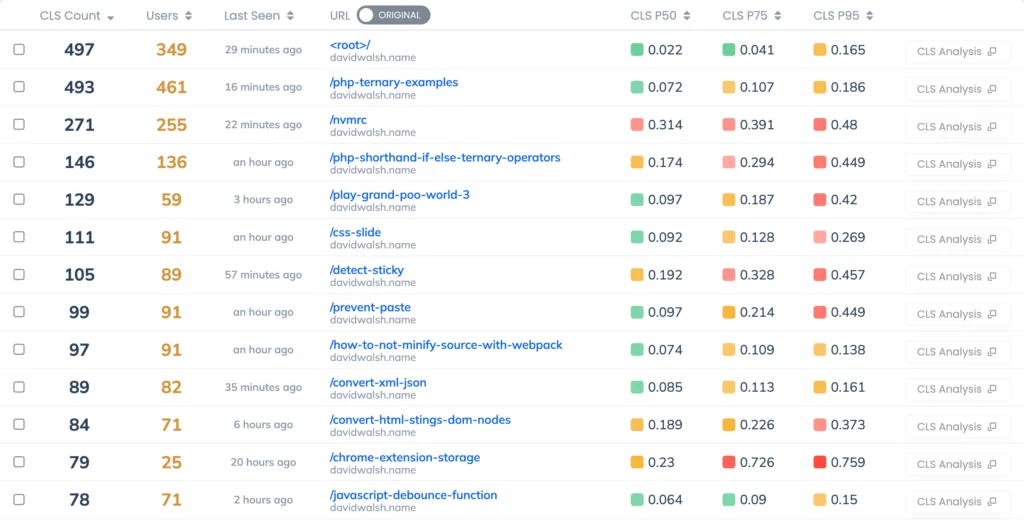
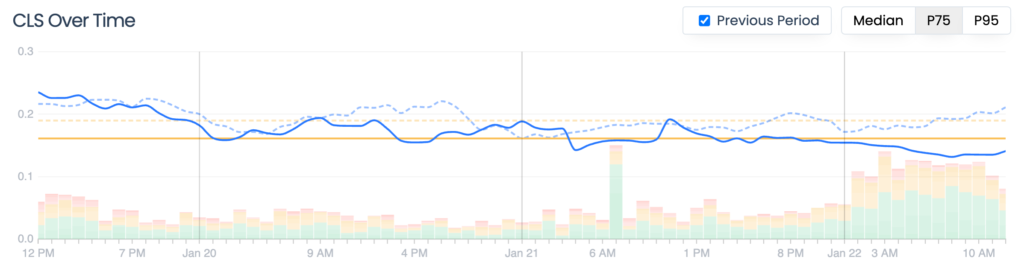
DavidWalshBlog, a prominent online resource attracting over 50,000 developers monthly from across the globe for JavaScript insights and coding solutions, has recently undertaken a significant initiative to optimize its website’s performance. The blog, a vital hub for developers seeking to refine their coding skills and troubleshoot complex issues, has been actively monitoring its Core Web Vitals and overall site speed using the performance tracking tool Request Metrics. This proactive approach revealed a concerning trend: a decline in the Cumulative Layout Shift (CLS) score, impacting both desktop and mobile users, signaling a need for immediate intervention.
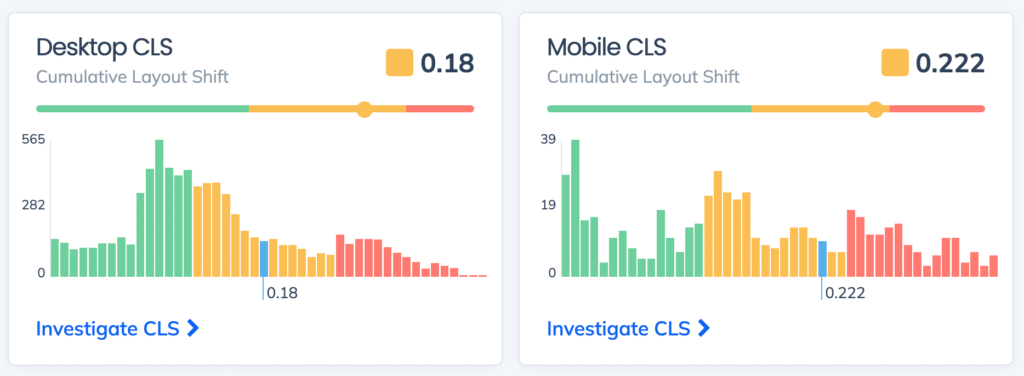
The importance of such performance metrics cannot be overstated. Core Web Vitals, introduced by Google, are a set of metrics designed to measure real-world user experience for loading performance, interactivity, and visual stability. CLS, specifically, measures the visual stability of a webpage by quantifying unexpected shifts in content during the page’s loading process. These shifts, often caused by elements like images or advertisements loading asynchronously, can lead to a frustrating user experience, forcing users to reorient themselves on the page, potentially leading to accidental clicks or missed information. Beyond user satisfaction, these metrics have a direct impact on a website’s search engine ranking, making their optimization a critical factor for online visibility and organic traffic.
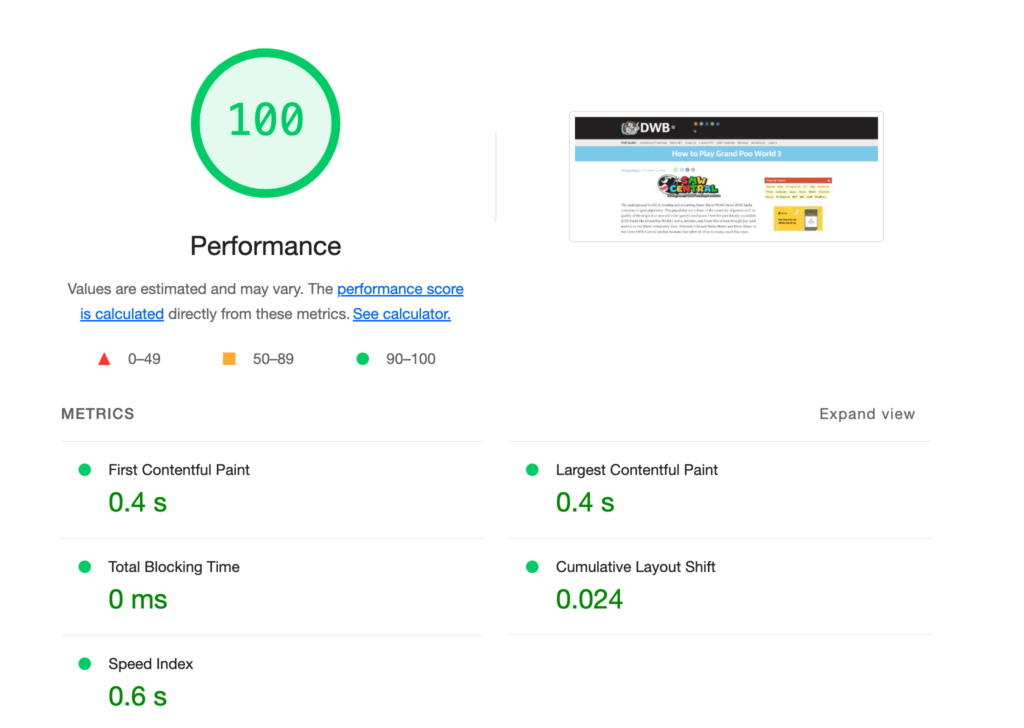
The challenge presented by the declining CLS score was amplified when initial diagnostic tools provided a misleadingly optimistic picture. A Google Lighthouse report, a popular automated tool for auditing web page performance, returned a perfect score for DavidWalshBlog. However, the author of the blog post, writing through the lens of a performance analyst from Request Metrics, rightly points out the limitations of such synthetic tests. Lighthouse reports are generated in controlled environments, typically from fast machines on robust internet connections, and may not accurately reflect the experience of a diverse global user base accessing the site from various devices, network conditions, and geographical locations. This discrepancy underscores the critical need for Real User Monitoring (RUM) to capture the authentic performance experienced by actual visitors.
Pinpointing the Source of Layout Instability
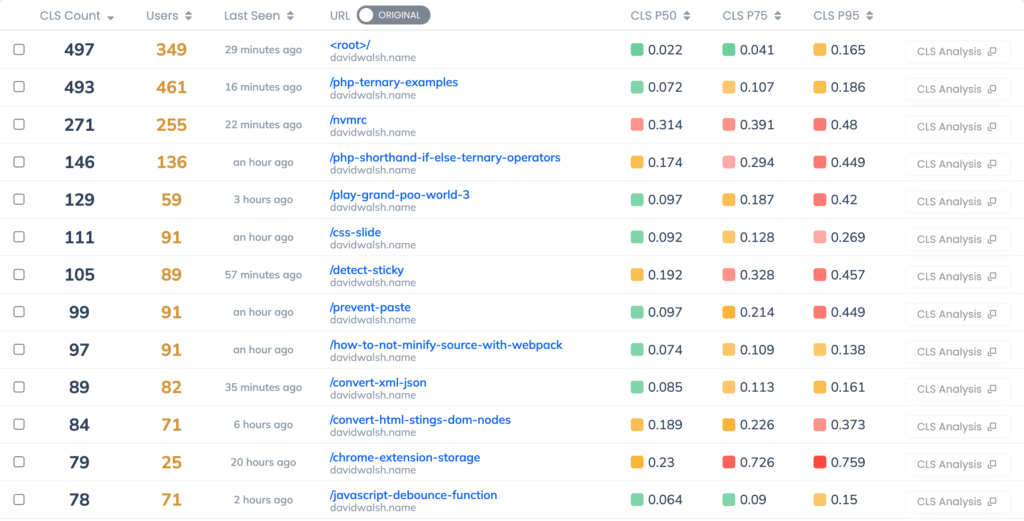
To accurately diagnose the root cause of the CLS issues, Request Metrics analyzed performance data on a per-page basis. DavidWalshBlog hosts a vast archive of content, accumulated over years of consistent publishing. While the homepage, which receives the highest traffic, demonstrated a healthy CLS score, many individual blog posts exhibited problematic performance. Through detailed analysis, the main > article > p selector, specifically the first paragraph of articles, was identified as the primary culprit for layout shifts on these high-impact pages.
Further investigation revealed that images were the most frequent contributors to these layout shifts. The inherent nature of image loading can pose a challenge for web browsers. Without explicit dimensions provided, a browser will initially render an image placeholder with zero dimensions, leading to content reflowing and shifting as the image data is downloaded and its true size is revealed. On pages with multiple images, this can result in a cascading series of layout disruptions, significantly degrading the user experience and contributing to a poor CLS score. Articles featuring a high density of images were found to be particularly susceptible to this issue.
Implementing Solutions: The Power of Image Dimensions
The solution to mitigate image-induced CLS lies in providing browsers with the necessary information to reserve space for images before they are fully loaded. This is achieved by specifying the width and height attributes directly within the <img> tag. These attributes not only define the image’s dimensions but also establish its aspect ratio, enabling the browser to calculate the space required and prevent content from jumping around during the loading process. Crucially, these dimensions should be provided as attribute values without any unit specifiers like px, allowing CSS to handle responsive scaling.
For websites built on platforms like WordPress, which powers DavidWalsh.name, this process can be streamlined. WordPress offers built-in functions, such as wp_image_src_get_dimensions, which can programmatically retrieve the dimensions of images and integrate them into the HTML markup. This automation simplifies the implementation of best practices for image handling, making it more feasible to address CLS issues across a large content base.
Quantifiable Improvements and Future Directions
The impact of implementing these image dimension optimizations was almost immediate and demonstrably positive. Following the changes, DavidWalshBlog observed a significant reduction in its CLS score, dropping by approximately 20% to a new benchmark of 0.123. This improvement brings the blog closer to Google’s recommended "Good" threshold for CLS, indicating a substantial enhancement in visual stability for its users.
While the improvements in image handling have yielded significant gains, the analysis also highlighted other areas for potential optimization. Font loading, for instance, was identified as another factor that could contribute to layout shifts. Addressing these remaining issues will be the subject of future performance tuning efforts, underscoring the ongoing nature of website optimization.

The case of DavidWalshBlog serves as a compelling illustration of how a focused approach to performance monitoring and remediation can yield tangible benefits. By leveraging Real User Monitoring to identify subtle yet impactful issues like Cumulative Layout Shift, and by implementing targeted solutions such as specifying image dimensions, websites can significantly improve user experience and bolster their search engine rankings.
Broader Implications for Website Performance and SEO
The experience detailed in the blog post has far-reaching implications for website owners and developers worldwide. In an era where user attention spans are short and competition for online visibility is fierce, website performance is no longer a secondary concern but a fundamental pillar of success.

Key implications include:
- User Retention and Engagement: A website that feels slow or unstable is more likely to lead to user frustration and abandonment. Improving CLS and other Core Web Vitals directly contributes to a smoother, more enjoyable user experience, encouraging visitors to stay longer, explore more content, and engage more deeply with the site. For a resource like DavidWalshBlog, where the goal is to educate and assist developers, a positive user experience is paramount to achieving this mission.
- Search Engine Optimization (SEO) Advantage: Google’s emphasis on Core Web Vitals as ranking factors means that performance is directly linked to a site’s ability to be discovered. Websites that perform well are rewarded with higher search rankings, leading to increased organic traffic. For publishers, e-commerce sites, and any business relying on search engines for leads or sales, neglecting performance can mean ceding valuable ground to competitors.
- Accessibility and Inclusivity: While not explicitly stated as a primary driver in this instance, improved visual stability also benefits users with cognitive disabilities or those using assistive technologies. Predictable layouts reduce cognitive load and make content more accessible to a wider audience.
- The Myth of Synthetic Testing: The article powerfully debunks the over-reliance on synthetic performance testing tools like Lighthouse in isolation. While valuable for initial diagnostics, they must be complemented by Real User Monitoring to understand how the site truly performs in the wild. This distinction is crucial for identifying and rectifying issues that affect the majority of users.
- The Value of Specialized Tools: The success of the remediation effort was directly tied to the capabilities of Request Metrics. Tools that provide granular data on per-page performance, identify specific problematic elements, and offer actionable insights are indispensable for effective website optimization.
The proactive stance taken by DavidWalshBlog, coupled with the analytical prowess of Request Metrics, highlights a modern approach to web development and content management. It underscores that building a successful online presence requires a continuous commitment to understanding and improving the user’s journey, a journey that is increasingly defined by the speed and stability of the digital experience.

The author, Todd Gardner, co-founder of Request Metrics, emphasizes the importance of these metrics. "We see countless websites that look fantastic and function well in controlled tests, but their real users are experiencing a frustratingly slow and jumpy experience," Gardner states. "The beauty of tools like Request Metrics is that they bridge this gap. They provide the crucial real-world data needed to pinpoint performance bottlenecks, like the CLS issues on DavidWalshBlog, and offer concrete steps to fix them. This not only enhances user satisfaction but also directly impacts a site’s visibility and success in search results. For developers and businesses alike, neglecting performance is no longer an option; it’s a direct threat to their online presence."
The journey to optimize DavidWalshBlog’s performance is ongoing, with future efforts likely to address other performance factors such as font loading. However, the significant gains already achieved in CLS demonstrate the profound impact of a data-driven, user-centric approach to website optimization. This commitment to delivering a superior user experience, coupled with a keen understanding of the interplay between performance and search engine visibility, positions DavidWalshBlog to continue serving its global developer audience effectively for years to come.