Many bloggers meticulously adhere to best practices: they craft well-structured posts, optimize for search engines, and master the intricacies of their chosen platforms. Yet, despite this technical proficiency, a significant number find their efforts yielding limited success. The crucial, often overlooked, element is personality. It’s the intangible quality that transforms a fleeting visit into a memorable experience, forging a genuine connection with readers and ensuring lasting impact. In an increasingly saturated digital environment, personalization is no longer merely an option; it is a strategic imperative for cultivating a loyal audience and achieving sustainable growth. This article delves into how ten prominent bloggers effectively infuse their unique personalities into their platforms, providing actionable insights for aspiring and established content creators alike.
The Imperative of Personality in the Digital Age
The evolution of the internet has democratized content creation, leading to an unprecedented volume of information across every conceivable niche. While foundational elements like robust SEO, clear writing, and user-friendly design remain critical, they are no longer sufficient to guarantee distinction. Readers today seek more than just data; they crave authenticity, relatability, and a human connection. A blog without personality risks becoming just another anonymous voice in a vast digital chorus, easily forgotten.

The shift towards creator-driven platforms, personal branding, and community-centric content has amplified the demand for individuality. Audiences are increasingly drawn to voices that resonate with their values, experiences, and aspirations. Personalization, therefore, acts as a powerful differentiator, transforming a blog from a generic information hub into a vibrant, engaging space that reflects its creator’s unique identity. This, in turn, fosters trust, encourages repeat visits, and builds a dedicated community, which are all vital ingredients for long-term blogging success.
Strategic Pillars of Blog Personalization: Lessons from Leading Voices

The strategies employed by successful bloggers to inject personality are diverse, ranging from visual branding to distinct tonal choices and targeted audience engagement. Examining these approaches reveals a common thread: a deliberate effort to make the blog feel less like a publication and more like a conversation with a trusted, relatable individual.
1. Cultivating Visual Resonance Through Authentic Imagery
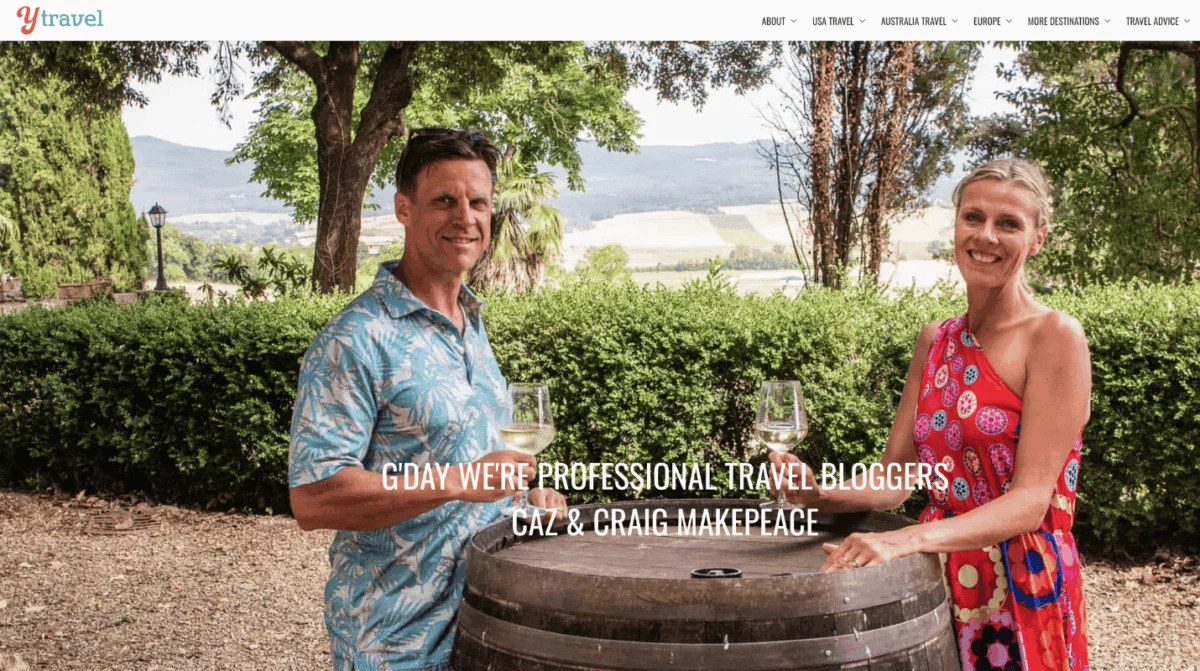
For many content niches, visuals are not merely supplementary but integral to the storytelling. Travel, food, fashion, and lifestyle blogs, in particular, thrive on compelling imagery. Caz and Craig, the duo behind YTravel, exemplify this by consistently featuring high-quality, emotionally resonant photos of their family. Whether candid snapshots from their adventures or slightly more composed portraits, these images invite readers into their personal journey, making the travel experiences more tangible and relatable.

- Analysis: Studies consistently show that articles with relevant images receive significantly more views and shares than those without. For instance, reports often indicate an increase of over 90% in total views for content incorporating strong visuals. Beyond mere presence, authentic photography, especially featuring the blogger or their experiences, humanizes the brand. It allows readers to form a visual connection, building trust and familiarity. The implication is that investing in good photography or learning basic photography skills is not an aesthetic luxury but a strategic necessity for engaging a modern audience. This is particularly true for experiential content, where images transport the reader and evoke emotion.
2. Infusing Unique Flair and Personality into Brand Messaging
Personality can manifest in unexpected and delightful ways, often through subtle textual cues that reveal the blogger’s character. Pat Flynn of Smart Passive Income masterfully integrates his unique persona right from the first impression. His blog’s prominent display of his name, alongside his self-description as a "father, husband, serial entrepreneur," is immediately followed by the quirky and memorable title, "protector of baby yoda."
- Analysis: This approach demonstrates that personality extends beyond formal biographies. Injecting humor or idiosyncratic details into taglines, headers, or "about me" sections can instantly differentiate a brand. This "flair" serves to break down the professional barrier, making the blogger more approachable and memorable. The implication is that authenticity, even through lighthearted self-descriptions, fosters a stronger emotional connection with the audience, making the content feel less like a lecture and more like advice from a friend. This builds a unique brand identity that can be difficult for competitors to replicate.
3. Establishing a Distinct and Consistent Tonal Voice
A blog’s tone is arguably its most powerful non-visual personalization tool. It dictates the overall feel of the content and significantly influences who is attracted to, and who is repelled by, the blog. Shannon Kelly White’s blog stands out precisely because of her unapologetically "salty" and enthusiastic language, even integrated into her tagline and navigation.

- Analysis: While polarizing, a strong, identifiable tone is a deliberate strategic choice that creates a fiercely loyal audience. By embracing a unique voice, even if it means alienating some, a blogger can cultivate a deep connection with those who appreciate their directness and authenticity. This builds a strong, recognizable brand voice that is hard to forget. Content strategists often emphasize that consistency in tone across all communications strengthens brand identity and fosters a sense of intimacy with the reader, who comes to expect and appreciate that specific conversational style. The implication is that courageously embracing a distinct voice, rather than aiming for bland universality, can be a potent catalyst for community building.
4. Leveraging Custom Visuals for Brand Recognition
Beyond photography, custom illustrations offer another powerful avenue for personalizing a blog and establishing a unique visual identity. Ramsey from Blog Tyrant exemplifies this with his instantly recognizable red-shirted "blogging superhero" avatar. This character is not confined to a single image but is consistently featured in his homepage banner, as feature images for posts, and even on the cover of his free reports.
- Analysis: A custom avatar or mascot creates a strong, memorable visual shorthand for the brand. It imbues the blog with a distinct personality that is easily recalled and associated with its content. This consistency across various touchpoints reinforces brand identity and professionalism. The implication is that investing in unique graphic design elements can elevate a blog’s aesthetic and contribute significantly to brand recall and differentiation, making the blogger’s message stand out visually in a feed of generic stock photos.
5. Optimizing the "About Page" as a Gateway to Connection
The "About Page" is often one of the most visited sections of any blog, particularly by new readers seeking to understand the person behind the content. It serves as a critical opportunity to make a personal connection. Elsie and Emma of A Beautiful Mess leverage their "About Page" with a bright, bold photo and a concise yet engaging introduction.

- Analysis: An effective "About Page" goes beyond a mere biography; it tells a story, articulates the blog’s mission, and showcases the personality of its creators. It answers the implicit question: "Who are you, and why should I care?" A well-crafted About Page, featuring a welcoming photo and a compelling narrative, can significantly increase reader engagement and convert casual visitors into loyal followers. The implication is that the About Page should be treated as a prime piece of marketing real estate, designed to introduce the human element and articulate the value proposition in a personal way.
6. Ensuring Omnichannel Brand Consistency
In today’s multi-platform digital landscape, brand consistency across all online presences is paramount. Chris Ducker demonstrates this impeccably by using the same smiling headshot across his blog post images, About page, Twitter, Facebook, and LinkedIn profiles.
- Analysis: Consistent visual and textual branding across a blogger’s entire digital ecosystem builds trust, reinforces recognition, and strengthens overall brand authority. When readers encounter the same recognizable image or tone on different platforms, it creates a sense of familiarity and professionalism. This reduces cognitive load for the audience and makes the brand feel cohesive and reliable. Digital marketing insights consistently highlight that brand consistency can increase revenue by up to 23%. The implication is that a unified brand presence across all digital touchpoints is essential for building a strong, memorable personal brand that resonates with the audience wherever they encounter it.
7. Harnessing the Power of Color Psychology in Branding
Color is a potent psychological tool that can profoundly influence perception and mood. Jadah Sellner’s website is a prime example of strategic color use, featuring a beautiful, cohesive color scheme that immediately draws the eye. Notably, the colors of her clothing in her photos often complement the site’s overall palette, creating a seamless and aesthetically pleasing experience.

- Analysis: A thoughtfully chosen and consistently applied color palette can significantly enhance brand identity and emotional connection. Colors evoke specific feelings and associations; for instance, warm tones like those on Jadah’s site can convey warmth, approachability, and creativity. When a blogger’s personal imagery also aligns with this palette, it creates a harmonious visual brand that feels intentional and authentic. The implication is that color is not just a design choice but a powerful branding element that, when used strategically, can strengthen a blog’s aesthetic appeal and emotional impact, making it more memorable and distinctive.
8. Articulating a Clear Brand Statement and Audience Focus
A concise and impactful brand statement clarifies a blog’s purpose and target audience from the outset. James Schramko of SuperFastBusiness effectively utilizes this by prominently displaying a brand statement that highlights his business coaching services and explicitly defines his ideal clientele.
- Analysis: This immediate clarity is invaluable. It tells visitors precisely what the blog offers and for whom, allowing the right audience to self-identify and engage, while others can quickly move on. This precision enhances content relevance and minimizes bounce rates from uninterested parties. A clear brand statement acts as a filter, ensuring that the content consistently serves the needs of its intended readers. The implication is that overtly defining one’s niche and value proposition is a powerful personalization strategy, not just for the blogger but for the reader, who instantly understands if they are in the right place.
9. Crafting Direct Taglines and Compelling Calls to Action
In the fast-paced digital environment, clarity and directness are highly valued. Kelly Exeter exemplifies this with a concise tagline that immediately communicates her value proposition, followed by a straightforward call to action. Her model: "(Your name) is a (what you do) who helps (your ideal reader)… (do what you offer)" combined with a clear "FIND OUT HERE" button, minimizes friction for the reader.

- Analysis: This direct approach respects the reader’s time and attention. A succinct tagline helps ideal readers quickly ascertain if the content is relevant to them. Paired with a clear, immediate call to action, it guides them effortlessly towards the next step, whether it’s subscribing, downloading a resource, or exploring a service. This streamlined user experience improves conversion rates and signals confidence in the value being offered. The implication is that effective personalization includes optimizing the user journey with unambiguous messaging and clear directives, making it easy for interested readers to engage further.
10. Empowering Reader Self-Identification through Defined Archetypes
Perhaps the deepest form of personalization is enabling readers to see themselves reflected in the content and even define their own identity through it. Emily from Puttylike achieves this brilliantly with her concept of the "Multipotentialite," a personality type she introduced in a TED Talk. Her blog’s homepage features a quiz, "Are You a Multipotentialite?", acting as a powerful lead magnet that converts casual visitors into repeat readers by helping them define themselves.
- Analysis: This strategy moves beyond merely presenting the blogger’s personality to actively involving the reader in a journey of self-discovery. By creating a specific identity (like "Multipotentialite") and providing tools for self-assessment, Emily fosters an incredibly strong sense of belonging and relevance among her audience. This not only personalizes the content experience for the reader but also builds a highly engaged and self-selecting community. The implication is that by defining and speaking directly to a specific reader archetype, or even helping readers discover their own, a blogger can create an exceptionally sticky and loyal audience base that feels truly understood.
Broader Impact and Future Trends

The collective wisdom from these top bloggers underscores a fundamental truth: successful blogging in the modern era is as much about human connection as it is about technical prowess. Personalization, whether through visual identity, authentic voice, strategic self-presentation, or reader-centric engagement, yields significant long-term benefits. It fosters increased reader loyalty, differentiates a brand in a crowded market, enhances monetization opportunities through deeper engagement, and ultimately reduces reader churn.
In an age where artificial intelligence is increasingly capable of generating high-quality content, the human element—the unique personality, perspective, and voice of a blogger—becomes an even more valuable and irreplaceable asset. Authenticity and personal connection are the antidote to algorithmic anonymity, offering readers a reason to return, to trust, and to belong. Personalization is not a one-time task but an ongoing, iterative process of self-expression and audience understanding.

Conclusion
While mastering SEO, content structure, and platform mechanics provides the essential foundation for any successful blog, it is the deliberate infusion of personality that truly elevates a platform from merely informative to genuinely influential. The examples of YTravel, Pat Flynn, Shannon Kelly White, Blog Tyrant, A Beautiful Mess, Chris Ducker, Jadah Sellner, SuperFastBusiness, Kelly Exeter, and Puttylike vividly demonstrate that authenticity, distinctiveness, and a clear connection with the audience are the catalysts for creating a blog that not only attracts readers but transforms them into a loyal, engaged community. For content creators navigating the complexities of the digital landscape, the message is clear: technical excellence is the entry ticket, but personality is the key to enduring success and lasting impact.