Optimizing content delivery on TikTok has become a critical strategy for creators and small businesses aiming to cut through the platform’s increasingly competitive landscape. While engaging content is paramount, understanding the precise moments when an audience is most receptive can significantly amplify reach and interaction. A recent, extensive analysis conducted by Buffer, examining over 7.1 million TikTok posts—including videos, carousels, photos, and text posts—provides groundbreaking insights into these optimal posting windows for 2026, revealing clear patterns that diverge from conventional wisdom.
The digital realm of TikTok thrives on immediate engagement. Unlike platforms where content can linger and accumulate views over time, TikTok’s powerful algorithm prioritizes early user interaction. When a post is published, it’s initially shown to a small segment of the audience. The platform then meticulously monitors how this initial group responds—tracking metrics like views, likes, shares, comments, and crucially, watch time. High engagement signals to TikTok that the content resonates, prompting the algorithm to push it to a broader audience on the coveted For You Page (FYP). Conversely, a lack of early interaction can severely limit a video’s reach, causing it to quickly fade into obscurity. This mechanism underscores why posting when a target audience is actively scrolling and most likely to engage is not merely beneficial, but often essential for content visibility.
Buffer’s Landmark Study: Unpacking 7.1 Million Data Points
Buffer’s data science team undertook an ambitious project, analyzing the median engagement rates across millions of TikTok posts. This comprehensive dataset allowed them to identify statistically significant patterns in performance, moving beyond anecdotal evidence to provide actionable, data-backed recommendations. The study’s scale—7.1 million diverse posts—lends substantial credibility to its findings, offering a robust foundation for content creators globally. To ensure universal applicability, the time data was meticulously processed to remove timezone dependencies, meaning the recommended hours can be directly applied regardless of a creator’s geographical location. This methodological rigor ensures that the insights are broadly relevant, serving as a powerful starting point for any creator or business navigating the platform.
Key Findings: The Apex of Engagement
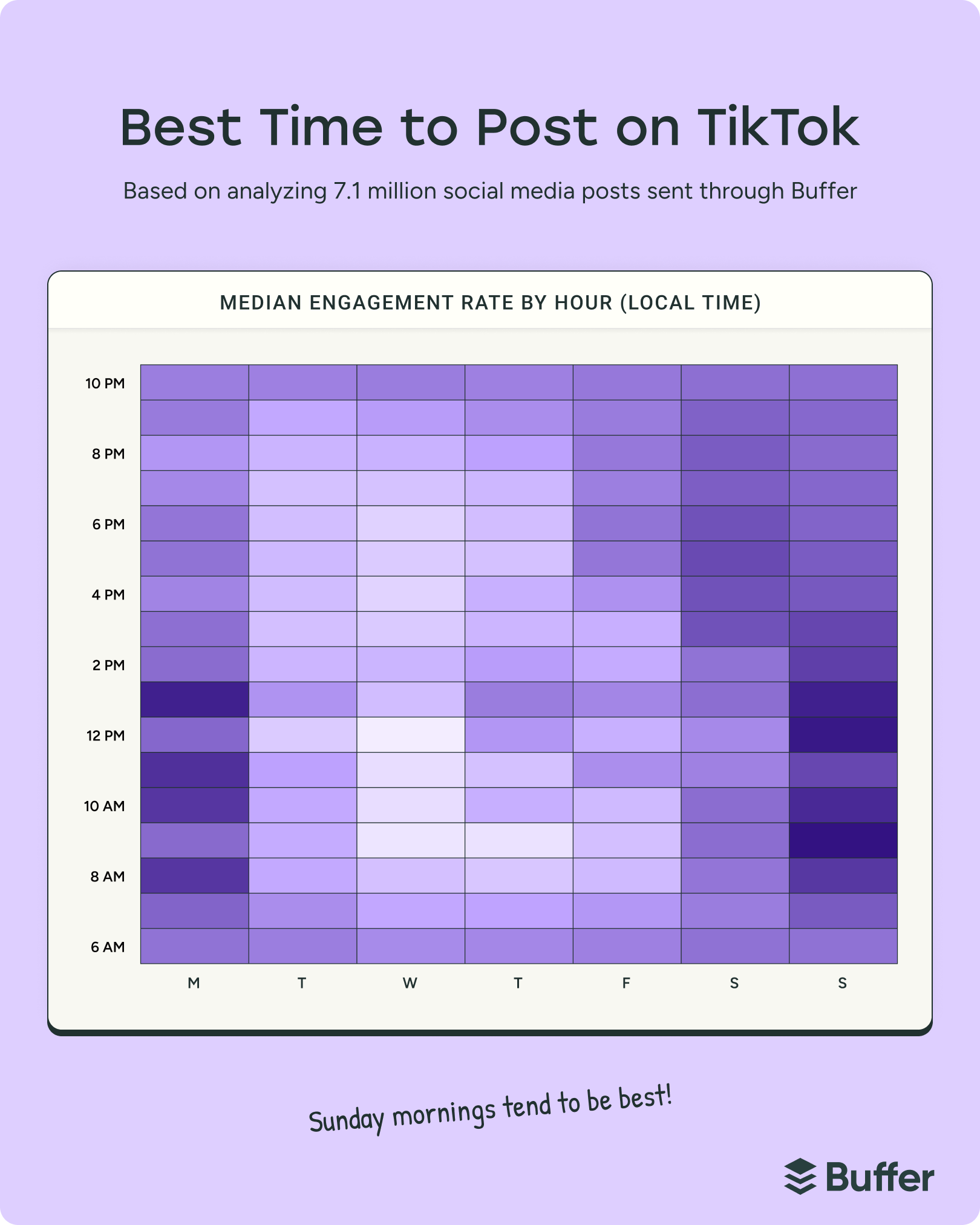
The analysis pinpointed specific times that consistently delivered the highest median engagement rates. According to the data, the single most effective time to post on TikTok is Sunday at 9 a.m. This prime slot is closely followed by Monday at 1 p.m. and another strong Sunday window at 1 p.m. These three periods represent the pinnacle of weekly engagement, suggesting specific behavioral patterns among TikTok users.
Generally, the study observed a significant uptick in engagement during evening hours, with peak performance often occurring between 6 p.m. and 11 p.m. This trend aligns with the understanding of how users consume short-form video content; it often requires active, sound-on attention, which people are more likely to dedicate during leisure time—such as a lunch break, the commute home, or while unwinding in the evening. Conversely, afternoons, particularly between 12 p.m. and 5 p.m. on most weekdays, tend to show lower engagement, with notable exceptions around lunchtime. These broader patterns are critical for understanding the underlying user behavior that drives content success on TikTok.
A Detailed Day-by-Day Engagement Blueprint
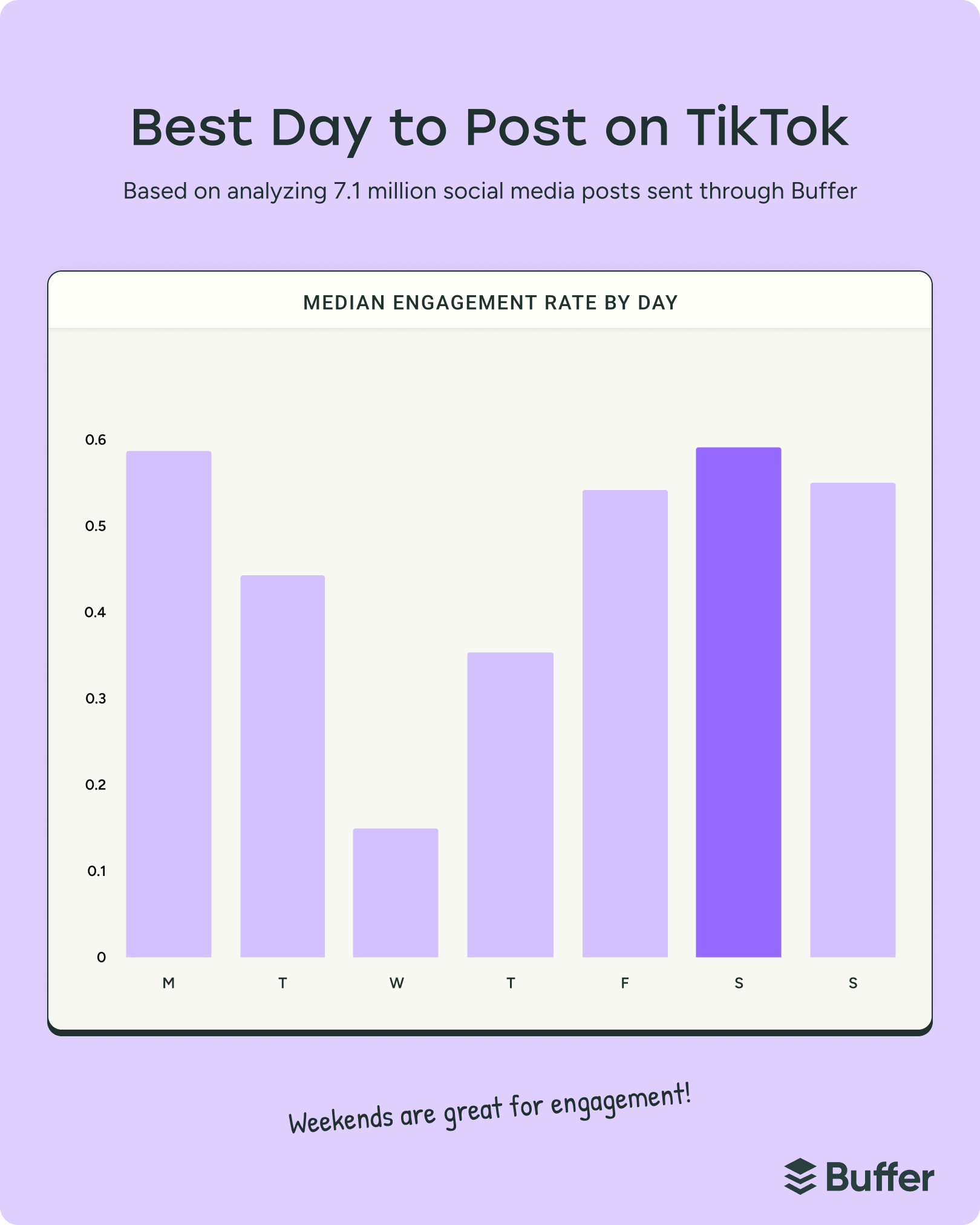
While the overall peak times provide a general guide, a granular look at each day of the week reveals more specific opportunities for creators to schedule their content strategically.
- Monday: The week kicks off with strong engagement opportunities. The best time to post on Monday is 1 p.m., followed by 11 a.m. and 8 a.m. Mondays are identified as one of the strongest days overall for TikTok engagement, making them a valuable day for consistent content release.
- Tuesday: Early mornings and late evenings prove most effective. The optimal time for Tuesday posts is 6 a.m., with secondary peaks at 10 p.m. and 7 a.m. This suggests two distinct audience segments—early risers and night owls—are highly active.
- Wednesday: Midweek engagement tends to be somewhat quieter. However, strategic posting can still yield results. The best time on Wednesday is 10 p.m., followed by 6 a.m. and 9 p.m. Creators prioritizing impact might consider allocating their prime content to stronger days like Saturday or Monday if their schedule allows.
- Thursday: Similar to Wednesday, Thursday generally exhibits lower overall engagement. The top posting time is 1 p.m., with secondary windows at 10 p.m. and 6 a.m.
- Friday: As the workweek concludes, engagement shifts towards the evening. The best time to post on Friday is 6 p.m., followed by 10 p.m. and 8 p.m., aligning with the start of the weekend leisure period.
- Saturday: This day stands out as the overall strongest day for TikTok engagement. The best time to post on Saturday is 5 p.m., closely followed by 4 p.m. and 3 p.m. This consistent afternoon-to-evening window makes Saturday an ideal day for scheduling pre-prepared content to maximize reach.
- Sunday: Sunday hosts the single most effective posting time of the entire week at 9 a.m. Other highly effective times include 1 p.m. and 12 p.m. The strength of Sunday engagement, particularly in the morning and early afternoon, highlights a significant opportunity for creators, especially those leveraging scheduling tools to maintain weekend presence.
The Weekend Advantage: Understanding User Behavior
The pronounced dominance of weekends, particularly Saturday afternoons and evenings, and Sunday mornings and early afternoons, in terms of engagement rates is a critical insight. This pattern strongly correlates with user behavior: weekends typically offer more leisure time, reduced work or school commitments, and an increased likelihood of passive content consumption. Unlike weekdays, where TikTok might be scrolled during brief breaks, weekends allow for more extended, dedicated engagement, translating into higher watch times, likes, comments, and shares. This behavioral shift underscores why content scheduled for these periods benefits from a more attentive and available audience.
Beyond Generalities: Tailoring to Your Unique Audience
While Buffer’s comprehensive data offers an invaluable starting point, it’s crucial for creators to recognize that these are universal averages. The truly "best" time to post can vary based on a creator’s specific target audience, their geographic location, timezones, and unique behavioral patterns. Therefore, personalized optimization remains a non-negotiable step for maximizing impact.
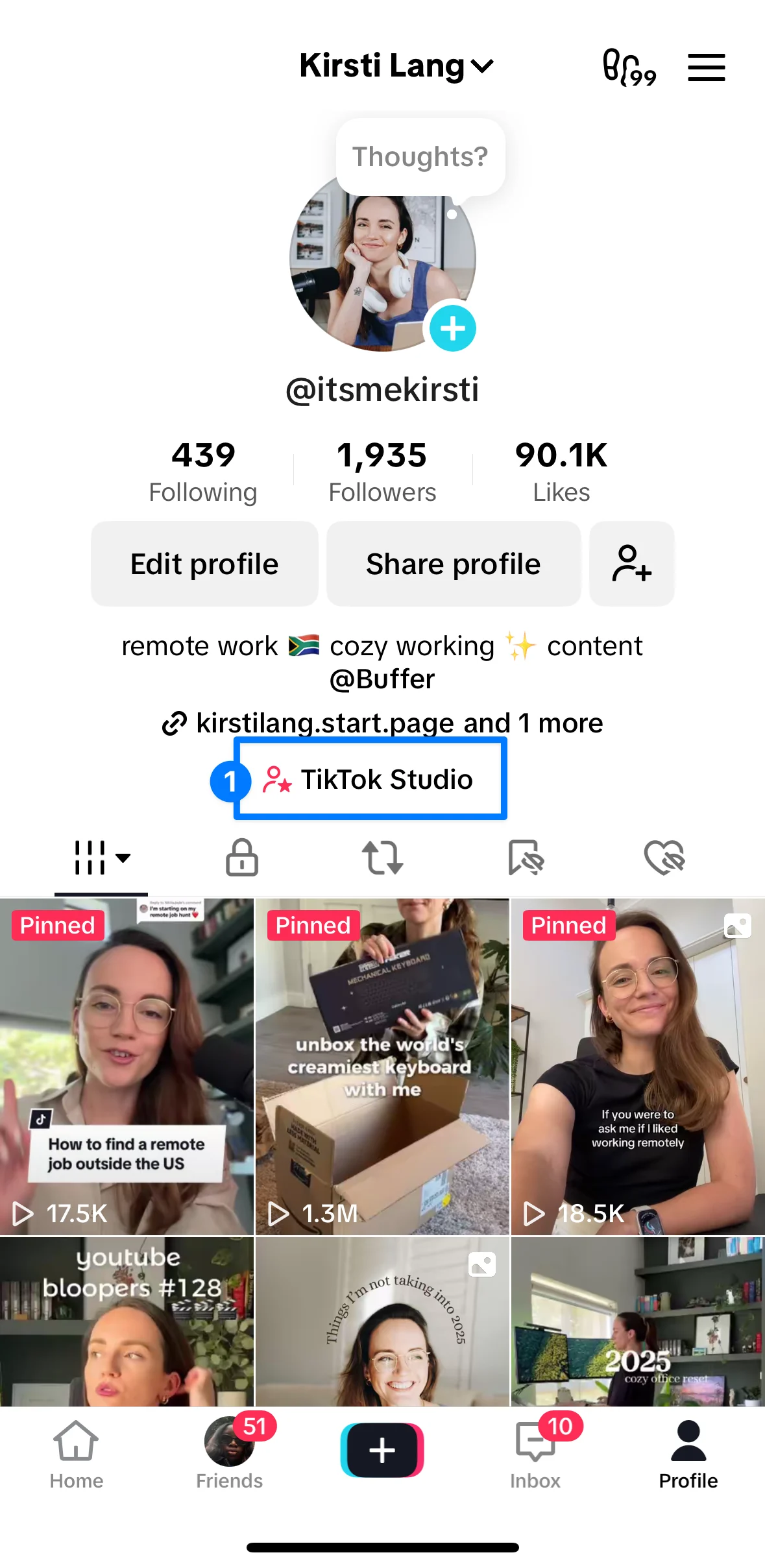
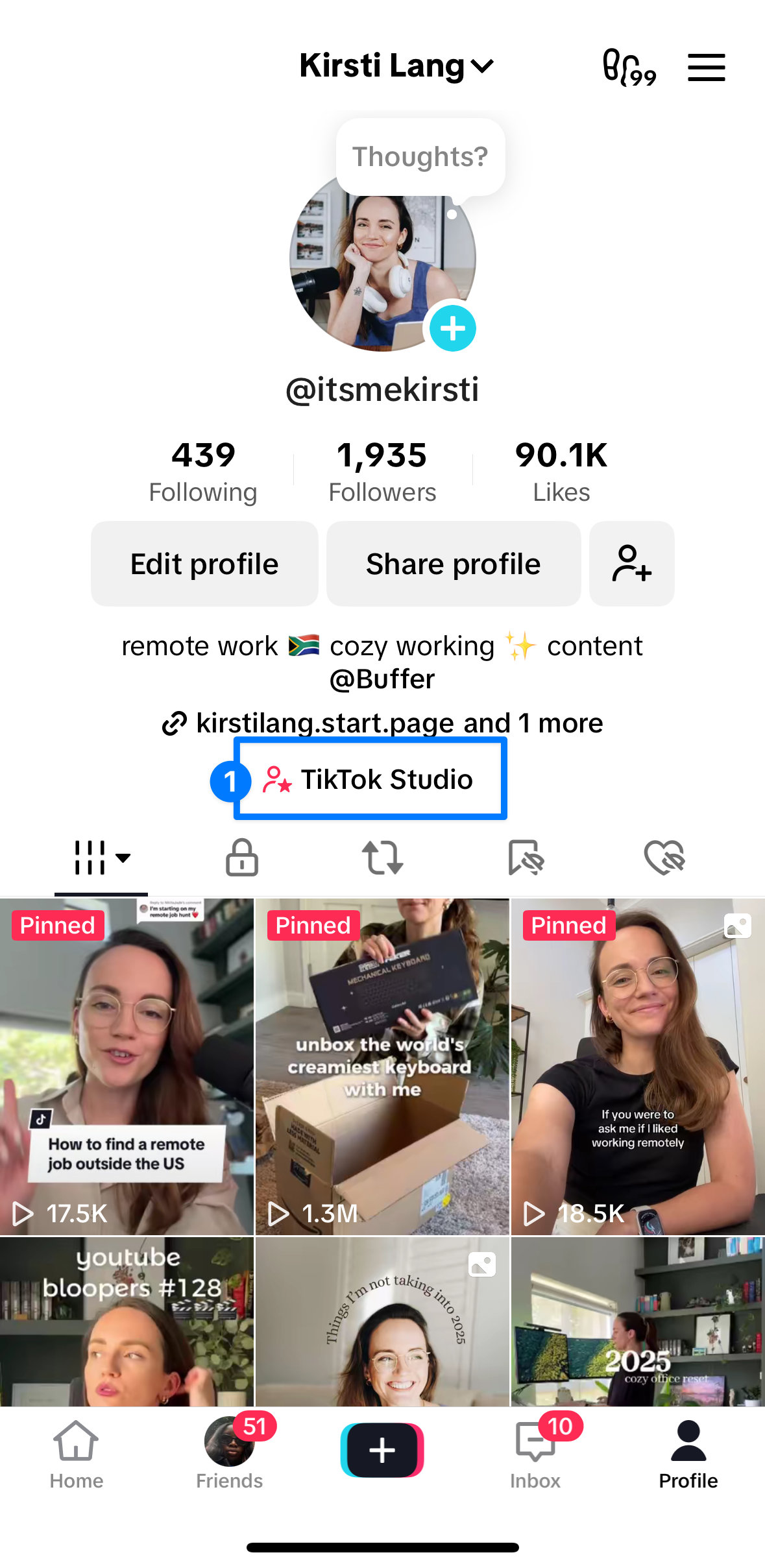
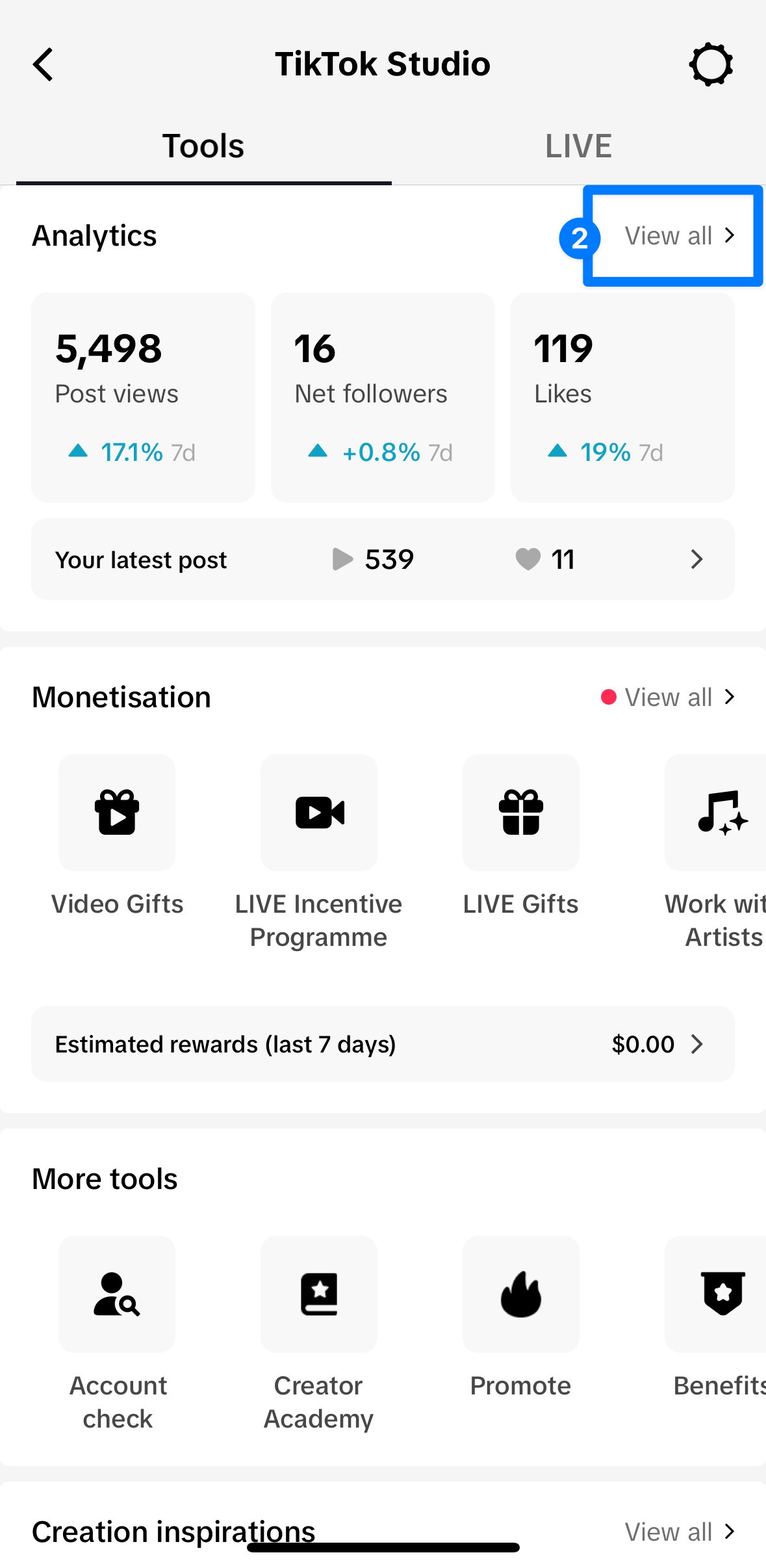
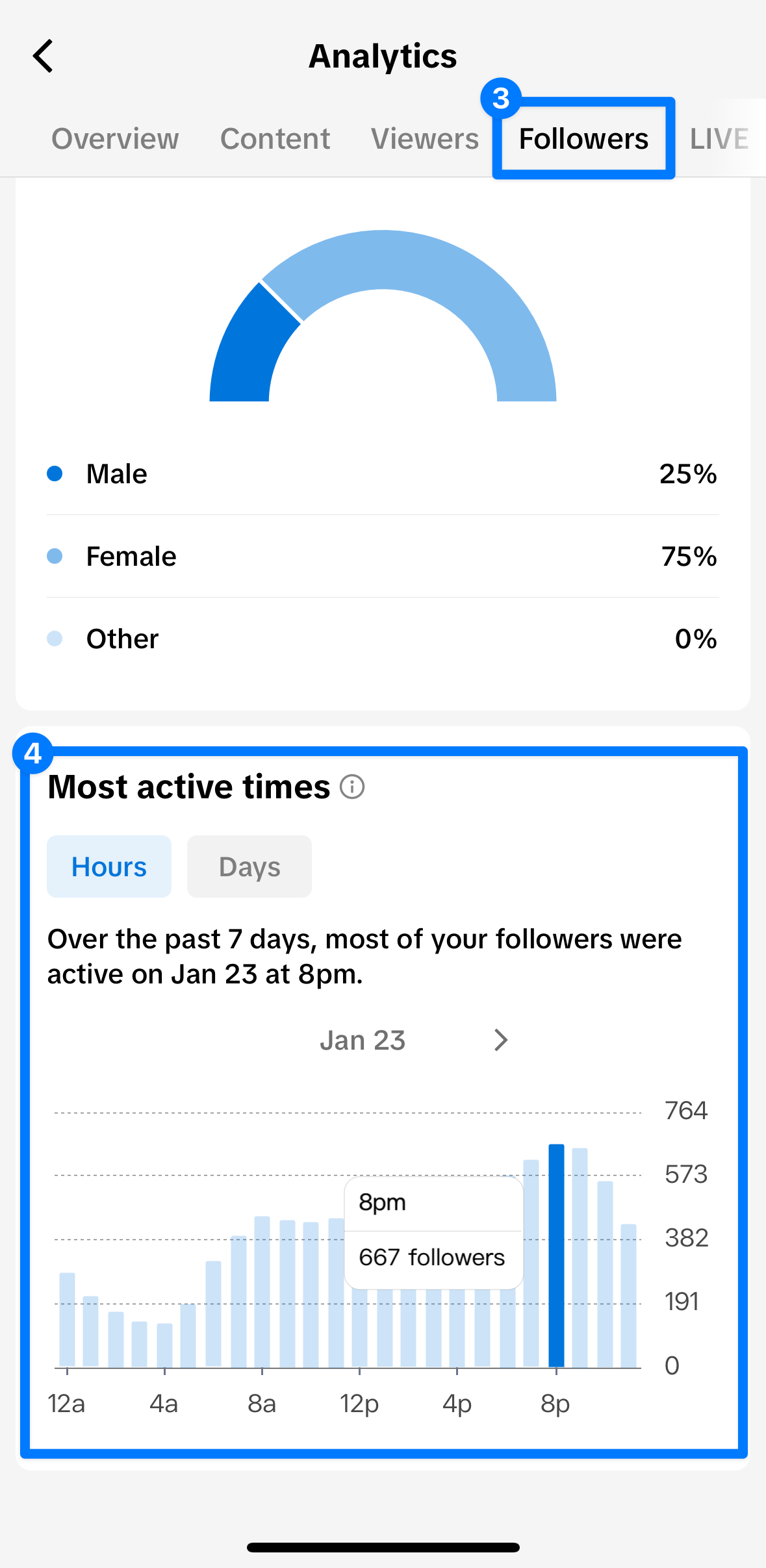
TikTok’s built-in analytics, accessible through a Creator or Business Account, provide a treasure trove of personalized data. Creators should regularly consult the "Followers" tab within their analytics, specifically the "Most active times" section. This feature offers a retrospective overview of when an account’s specific followers have been most active on the app over the past week. By identifying these personalized peak hours, creators can refine their posting strategy. A savvy approach involves testing posts slightly before these identified peak times, especially if they align with Buffer’s general recommendations, to capture attention as the audience comes online.
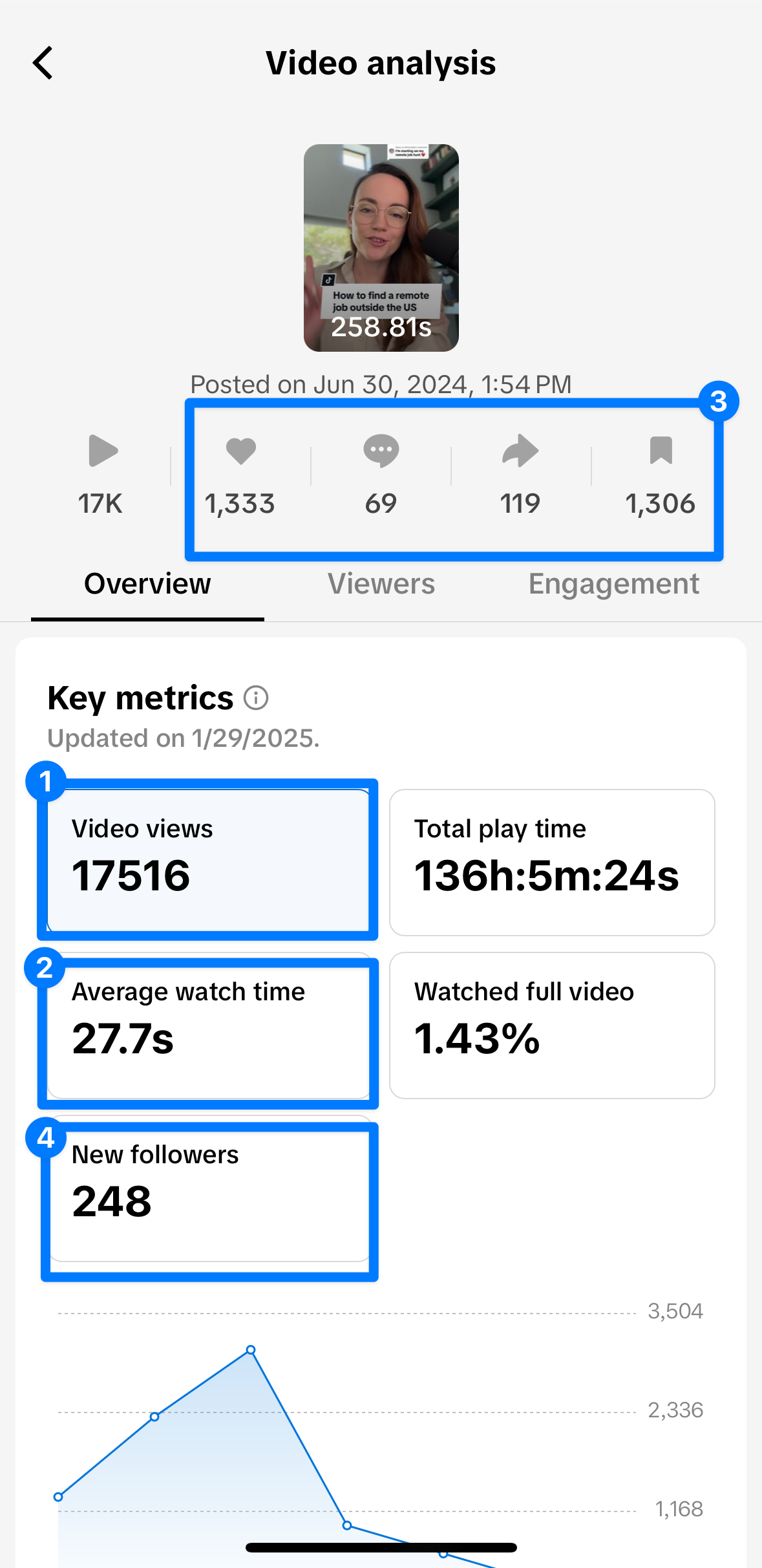
Furthermore, the nature of the content itself plays a role. An educational creator might find that morning posts perform well when their audience is in a learning mindset, whereas an entertainment-focused account could see more traction in the evening or on weekends when people are unwinding. Experimentation is key: testing different time slots over several weeks and comparing performance metrics like views, average watch time, total play time, and follower growth allows creators to pinpoint what truly resonates with their unique community. This iterative process of posting, tracking, and adjusting is fundamental to sustained growth on TikTok.
Strategic Implementation: Leveraging Scheduling Tools for Consistent Success
Adhering to an optimized posting schedule can be challenging, especially when peak engagement times fall outside conventional working hours or during personal leisure time. This is where social media scheduling tools, such as Buffer, become indispensable. These platforms allow creators to pre-plan and schedule their TikTok posts, ensuring content goes live precisely when the audience is most active, without requiring manual intervention at inconvenient times. Buffer, for instance, offers a feature that automatically suggests optimal posting times based on its extensive data analysis, integrating these high-engagement slots directly into a creator’s content calendar. This automation not only saves time but also guarantees consistency, a vital factor for algorithm favorability and audience retention. By using such tools, creators can maintain a strong presence, hit prime windows, and focus their energy on crafting high-quality content.
Maintaining Momentum in a Dynamic Digital Landscape
The TikTok ecosystem is notoriously dynamic, with its algorithm and user trends constantly evolving. What works today might not be as effective in a few months. Therefore, the process of identifying optimal posting times should not be a one-off exercise but an ongoing cycle of testing, analysis, and adaptation. Creators are advised to continuously monitor their analytics, experiment with new time slots, and stay abreast of platform changes. This proactive approach ensures that their content strategy remains agile and effective, maximizing opportunities for discovery and engagement in the long term.
Addressing Common Creator Inquiries
Several common questions arise regarding TikTok posting strategies:
- Is there a truly "best" time? While no single "magic" time guarantees virality, data-driven analysis shows clear patterns. Buffer’s study confirms that certain times consistently outperform others. However, content quality and audience relevance remain paramount; timing provides a significant boost, not a substitute for compelling content.
- Timezone adjustments? Buffer’s data is designed to be universally applicable, negating the need for manual timezone conversions. For personalized insights, TikTok Analytics should be consulted to understand specific follower activity patterns.
- Daily posting requirement? Consistency generally outweighs daily frequency. Posting regularly during optimal times that are sustainable for the creator is more effective than inconsistent daily uploads.
- How to find audience activity? TikTok Analytics, under the "Followers" tab, provides "Most active times," detailing when followers are online over the past week.
- Does posting time matter if content lacks views? Timing can help initial momentum, but it won’t fix fundamentally underperforming content. If views are low, focus first on improving watch time through stronger hooks and engaging narratives, as this is a primary signal for the algorithm.
- The "three-second rule"? This common creator guideline emphasizes hooking viewers within the first three seconds to prevent them from scrolling past. High initial watch time is a critical signal for the algorithm to push content further.
- Testing duration? Due to TikTok’s unpredictable nature, testing a new time slot for at least a few weeks is recommended to identify genuine patterns rather than one-off spikes.
- Dealing with multiple timezones? TikTok Analytics’ "Most active times" provides a consolidated view of follower activity regardless of location. If audiences are widely dispersed, look for overlap windows (e.g., early afternoons in one major timezone coinciding with early evenings in another). Consistent posting helps gather more data to refine these choices.
- Can TikTok posts be scheduled? Yes, platforms like Buffer facilitate scheduling, allowing creators to pre-plan content for optimal release times without being manually present.
- What time increases virality? While no time guarantees virality, posting during peak engagement windows (e.g., Sunday 9 a.m., Monday 1 p.m., Saturday 3-5 p.m.) gives content the best chance for early momentum. This early engagement is what signals to TikTok that a video is worth pushing to a wider audience, increasing its potential to go viral.
In conclusion, the meticulous data analysis from Buffer provides an invaluable resource for anyone seeking to master the art of TikTok engagement. By combining these universal insights with personalized audience analytics and leveraging strategic scheduling tools, creators and businesses can significantly enhance their content’s visibility, foster stronger online communities, and achieve greater success on one of the world’s most influential social media platforms. The era of guesswork is over; data-driven strategy is the key to unlocking TikTok’s full potential.